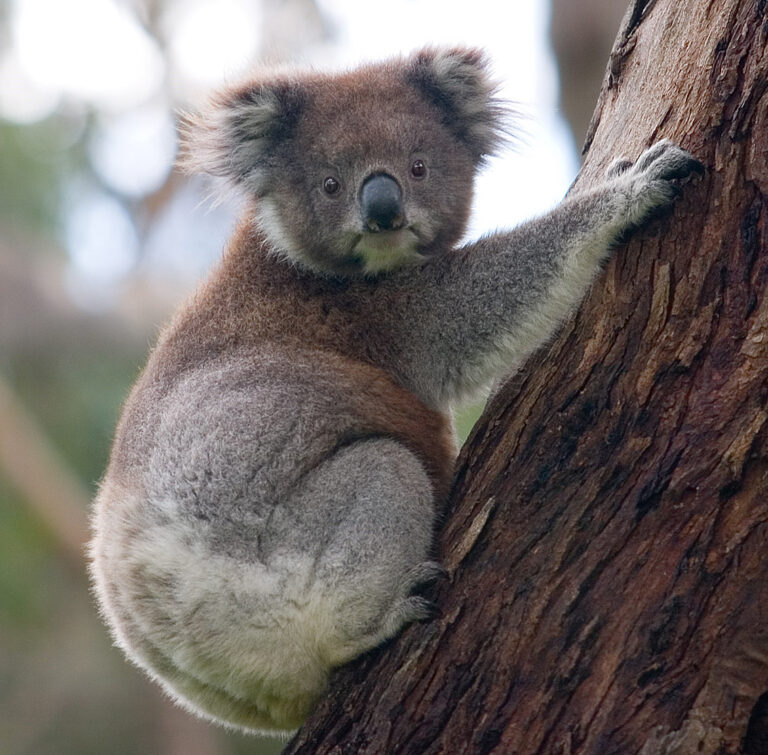
The koala is one of the world’s most recognisable animals and a specialist of eucalyptus forests. Northern populations have declined sharply due to habitat clearing, disease and bushfires, while some southern populations are abundant.
Interesting facts
- Koalas sleep or rest for 18 to 22 hours a day to save energy.
- Eucalyptus leaves are toxic to most animals; koalas have special gut bacteria to digest them.
- Koalas get most of their water from leaves but do drink, especially in hot weather.
- They are marsupials, not bears.
- Males have a deep bellowing call surprisingly loud for their size.
- The koala is listed as Endangered in Queensland, New South Wales and the ACT under Australian law.
Behaviour
Koalas are mostly solitary and spend nearly their whole lives in trees, moving between them at night. They mark trees with a scent gland on the chest.
Breeding and young
A single joey the size of a jellybean is born after about 35 days and lives in the pouch for about six months. Joeys eat a special form of their mother’s droppings, called pap, to acquire the gut microbes needed to digest eucalyptus.
Threats and conservation
Land clearing, bushfires (the 2019–20 fires killed many thousands), drought and heat, chlamydia and koala retrovirus, dog attacks and road traffic.
Where to see it
- Kangaroo Island, South Australia
- Great Otway National Park, Victoria
- Magnetic Island, Queensland
- Port Stephens, New South Wales
Status source: IUCN Red List. Profile last reviewed September 2026.
Where to see the koala
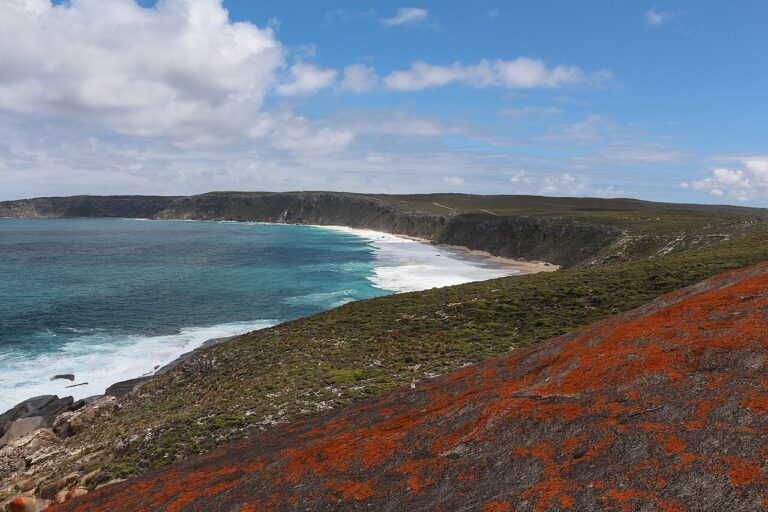 Kangaroo Island Wildlife GuideKangaroo Island is sometimes called Australia's Galápagos. Sea lions, kangaroos, koalas and echidnas, and a landscape recovering from…
 Where to See Koalas in the WildWild koalas can be surprisingly easy to see, if you know where to look. The best places in…
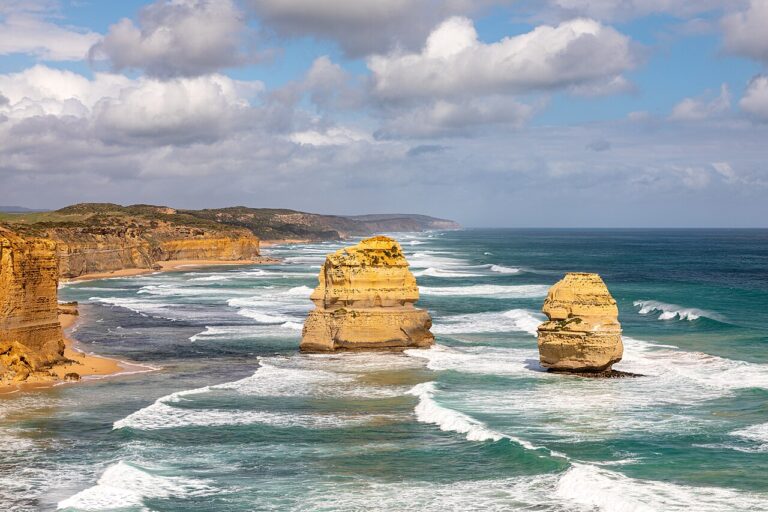 Australia Wildlife Itinerary: 3 Weeks Coast to OutbackA three-week route through Australia's best wildlife regions, from reef and rainforest to koalas, kangaroos and Tasmanian devils.