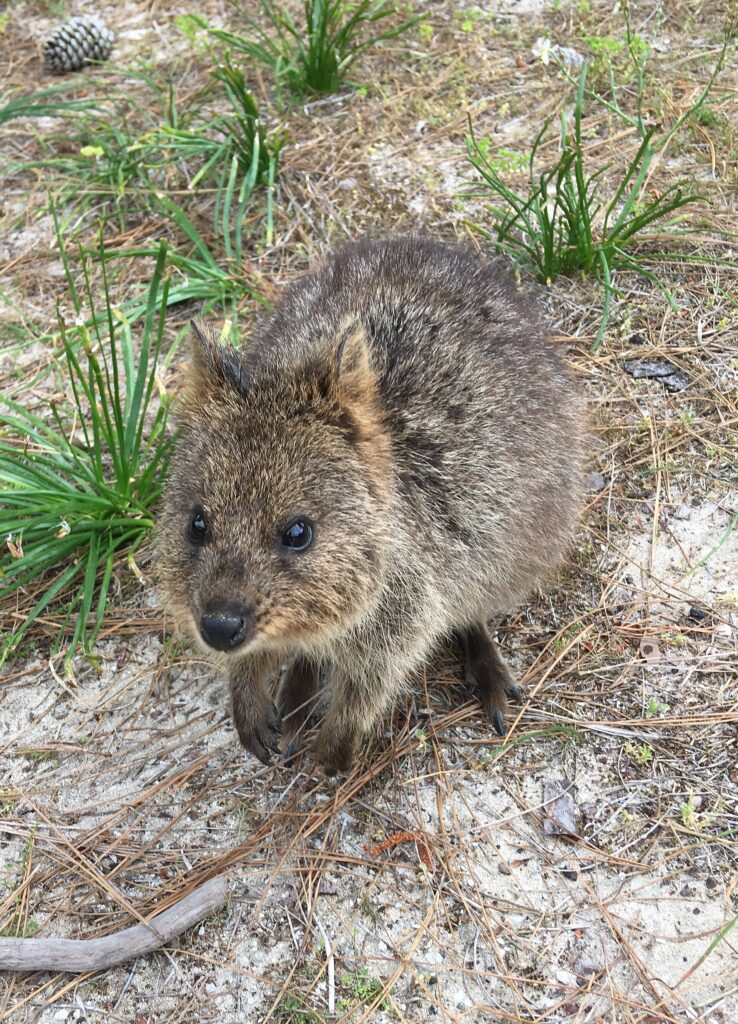
Quokka
Rottnest Island got its name from a Dutch explorer in 1696, who mistook quokkas for giant rats and called the island ‘rat’s nest’.
Rottnest Island got its name from a Dutch explorer in 1696, who mistook quokkas for giant rats and called the island ‘rat’s nest’.
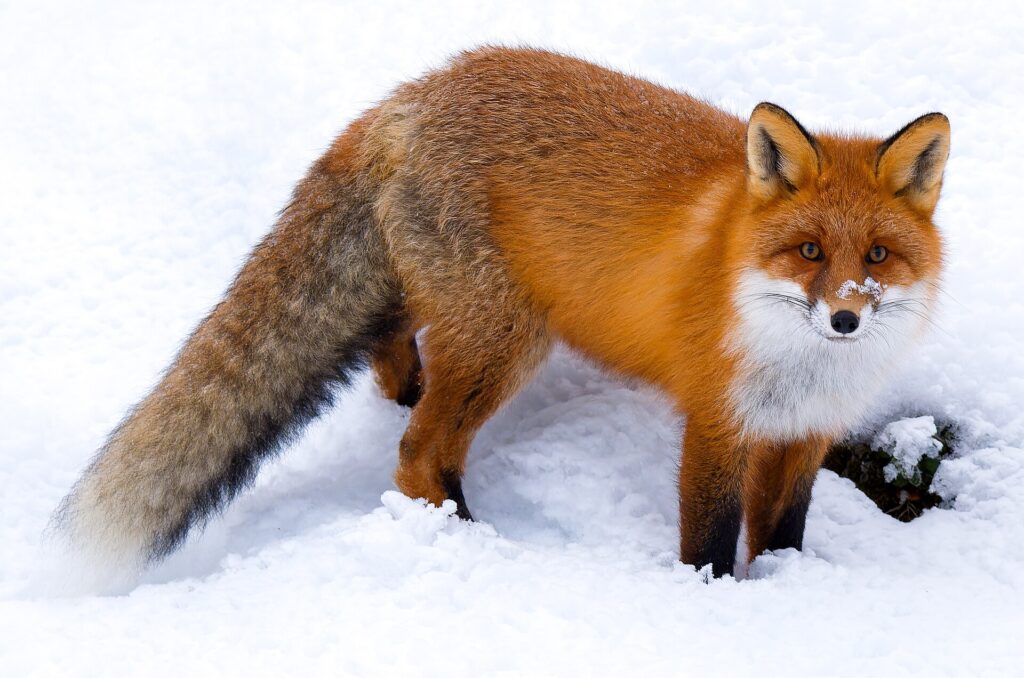
The red fox has the largest natural range of any wild carnivore on Earth, spanning North America, Europe, Asia and North Africa.
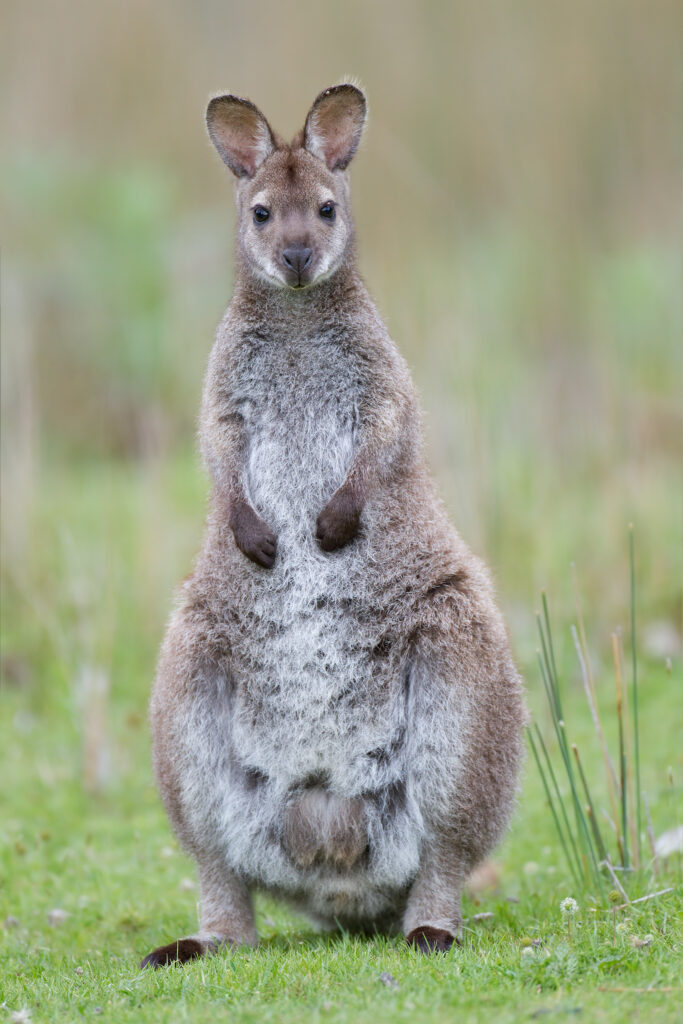
On Bruny Island in Tasmania, a population of red-necked wallabies includes rare, pale white individuals.
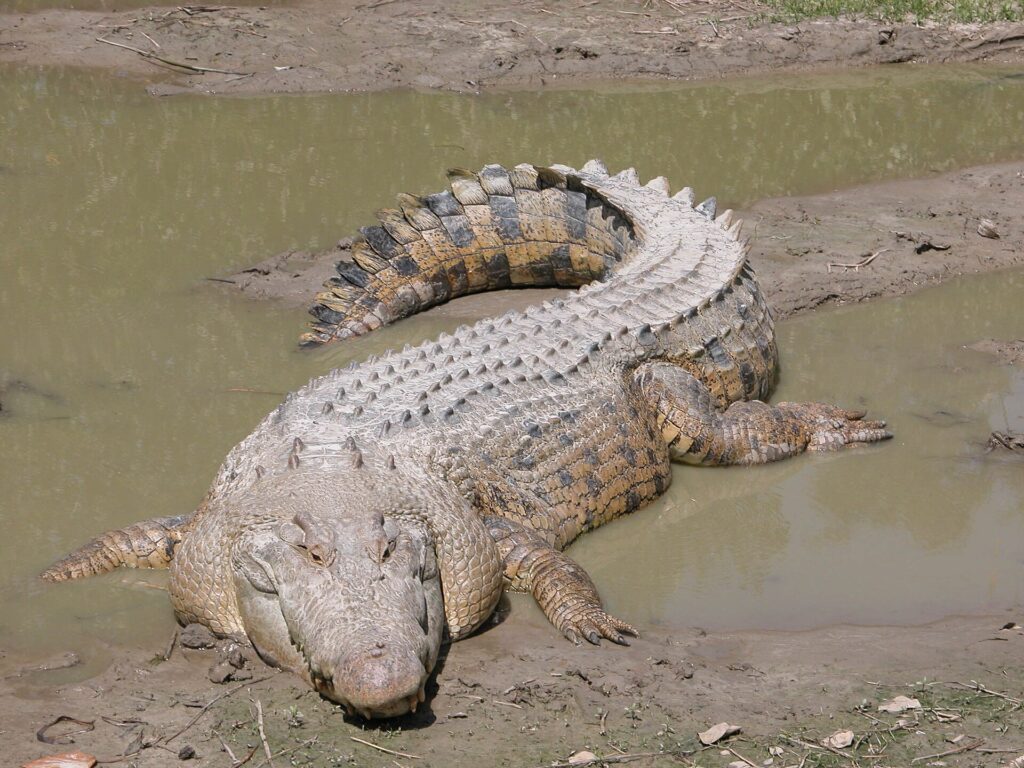
The saltwater crocodile has the strongest bite ever measured for a living animal, over 16,000 newtons.
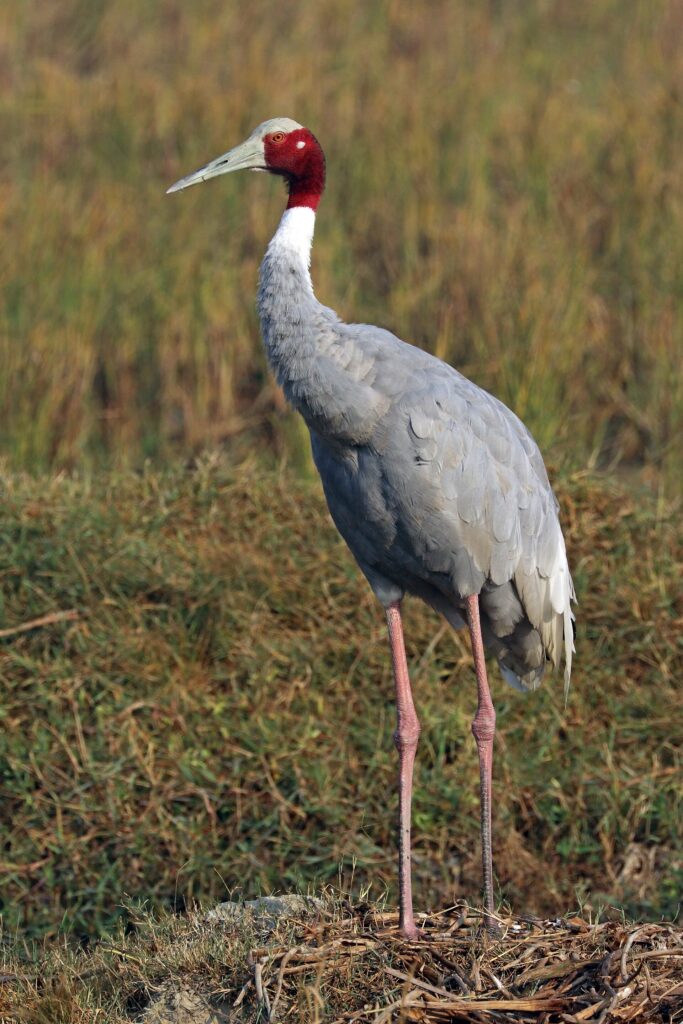
The sarus crane is the tallest flying bird in the world, standing almost as tall as an adult human.
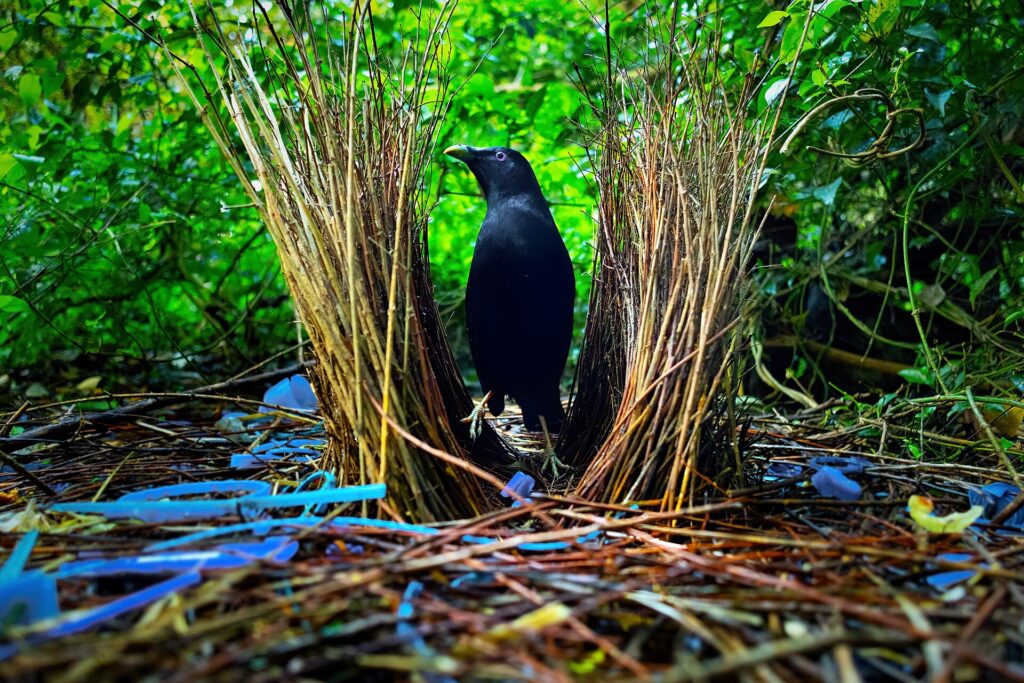
Male satin bowerbirds build elaborate avenues of sticks and decorate them with blue objects such as flowers, feathers, bottle tops and straws to attract females.
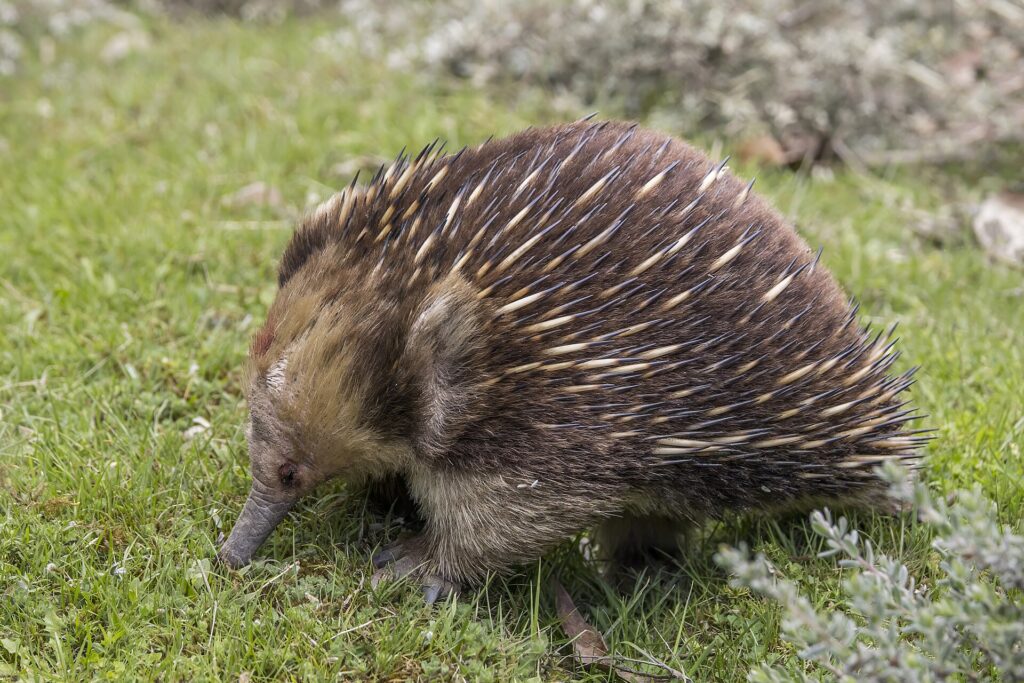
The echidna is one of only a few mammals that lay eggs: the female lays a single leathery egg directly into her pouch.
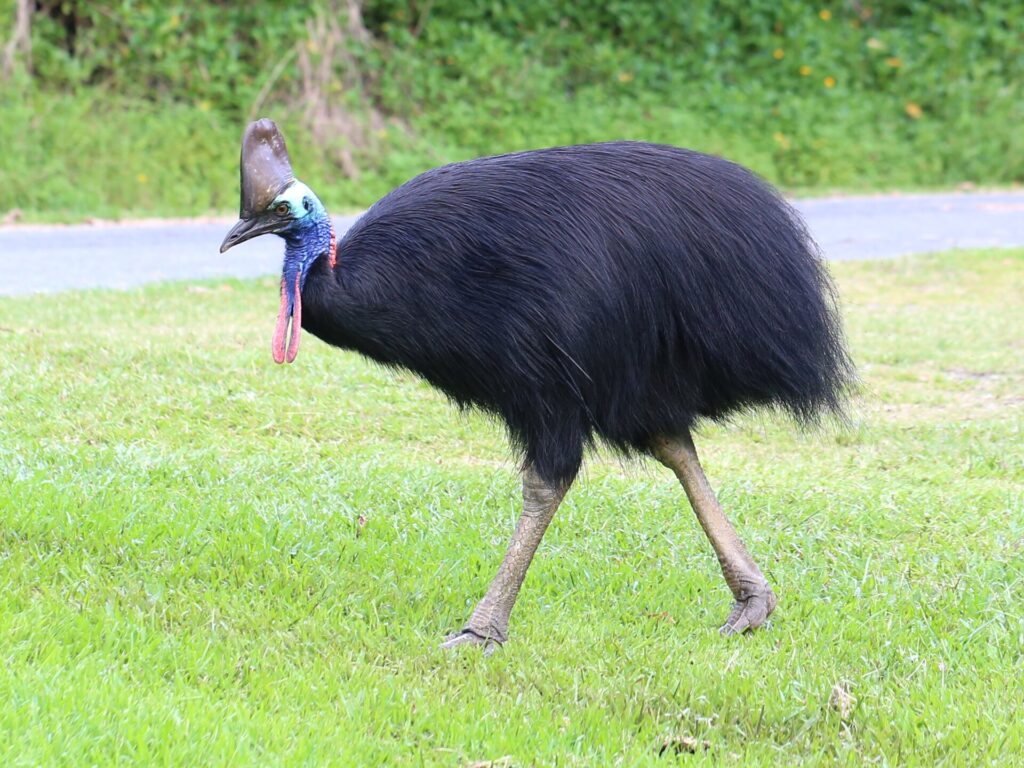
Cassowaries swallow fruit whole and spread the seeds of more than 200 rainforest plant species, some of which depend on them.
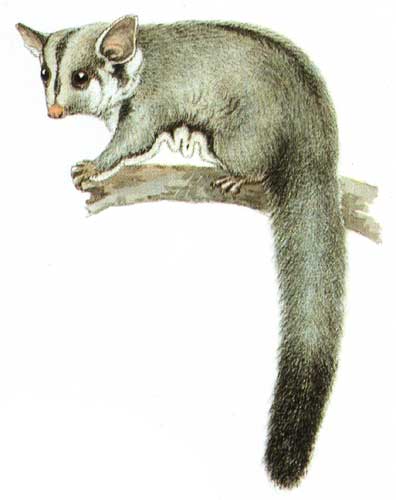
A sugar glider can glide up to about 50 metres between trees, using a thin membrane of skin stretched between its front and back legs.