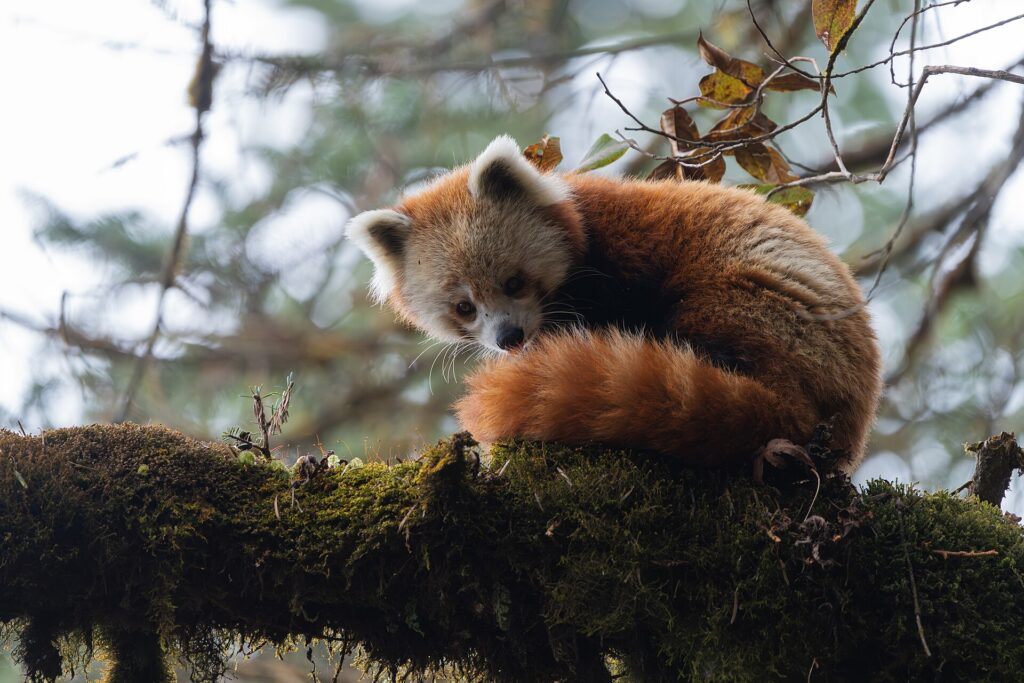
Red Panda
The red panda was named a panda about 50 years before the giant panda, and it is not closely related to it; it is the only living member of its own family.
The red panda was named a panda about 50 years before the giant panda, and it is not closely related to it; it is the only living member of its own family.
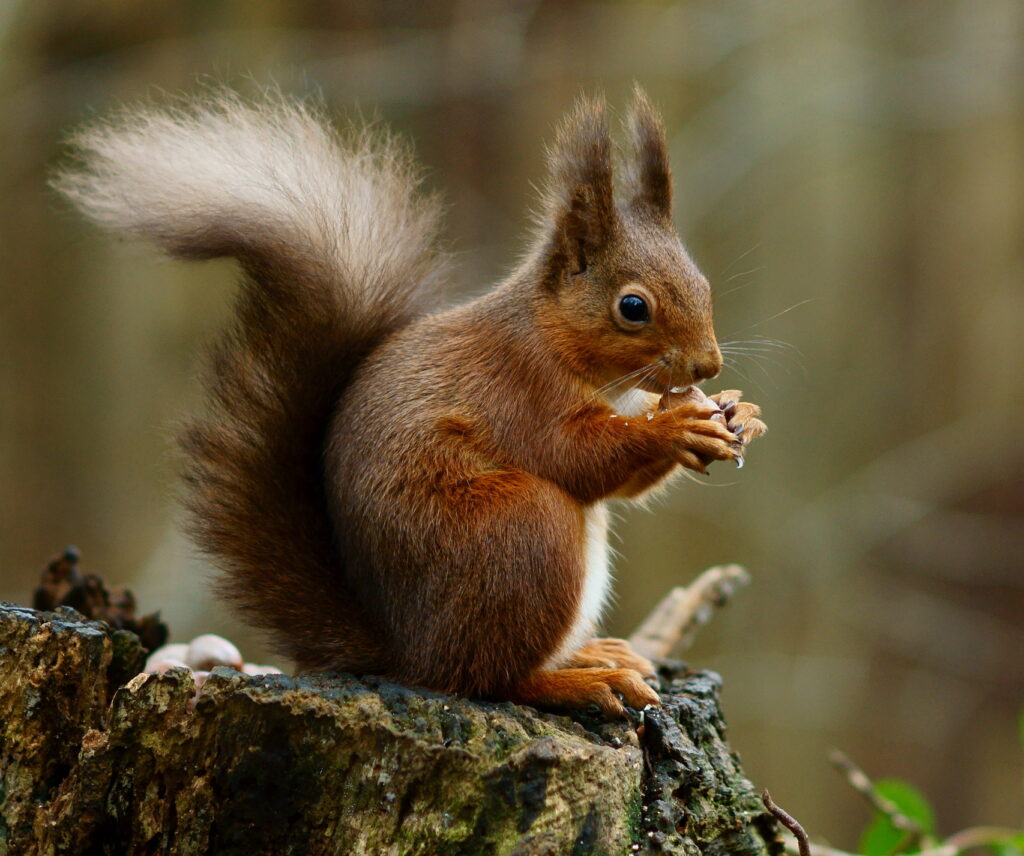
In Britain, red squirrels have been pushed out of most areas by introduced grey squirrels, but pine martens are helping them recover by preying on the greys.
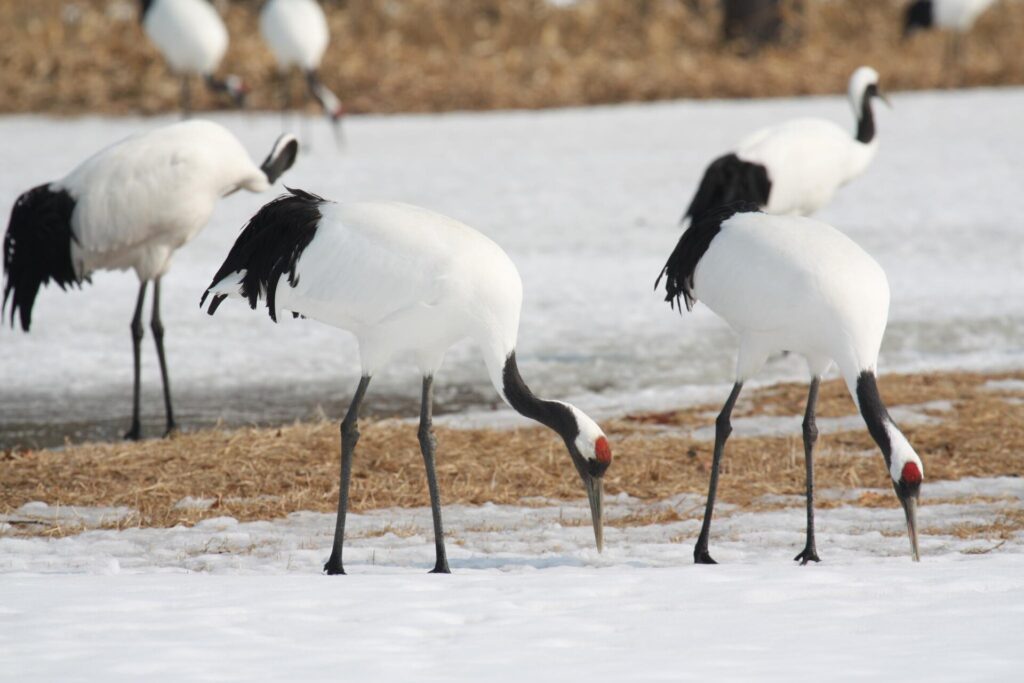
In Hokkaido, red-crowned cranes were reduced to about 20 birds in the 1920s; winter feeding by local people helped them recover to well over 1,000.
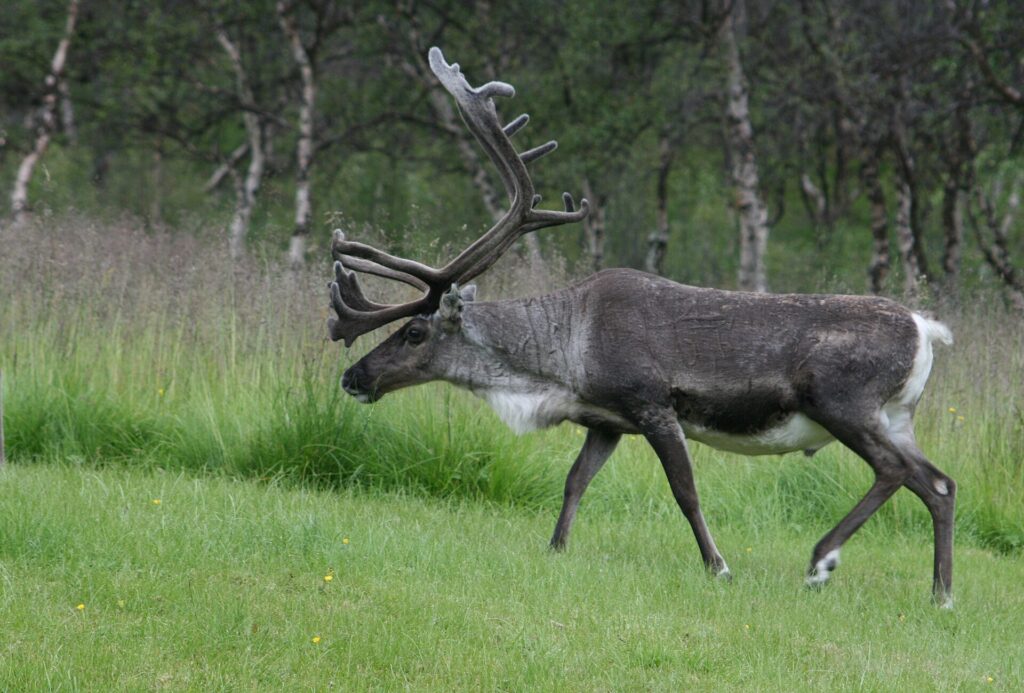
Reindeer eyes change colour with the seasons, from golden in the Arctic summer to deep blue in winter, which helps them see in the long polar night.
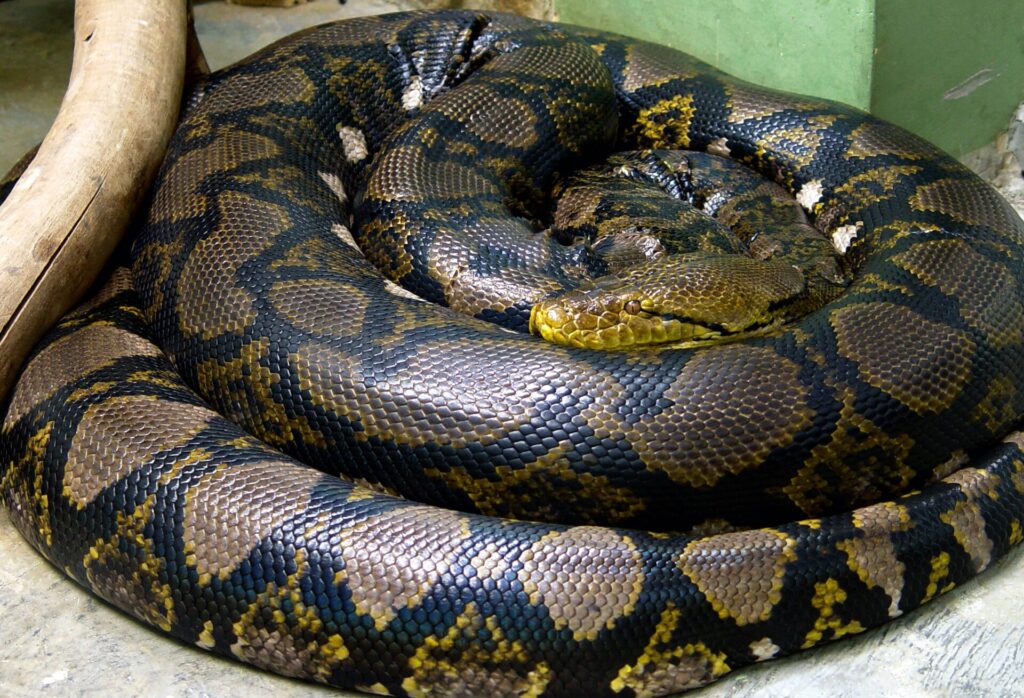
The reticulated python is the longest snake in the world, and very large individuals can swallow prey as big as a deer or a pig.
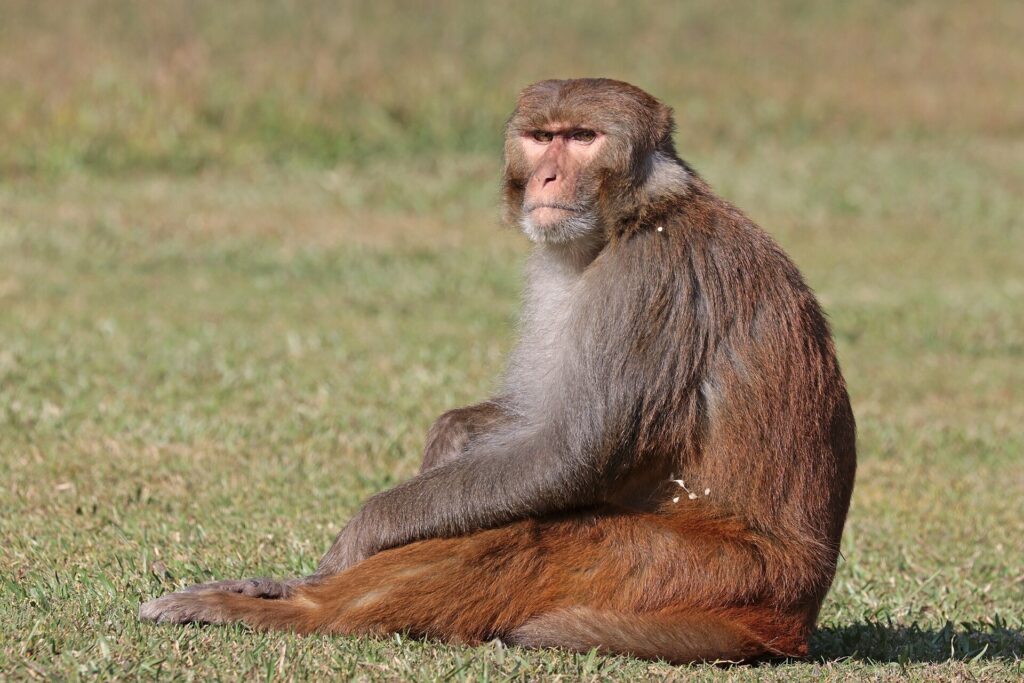
The ‘Rh’ in Rh-positive and Rh-negative blood types comes from the rhesus macaque, in which the blood factor was first studied.
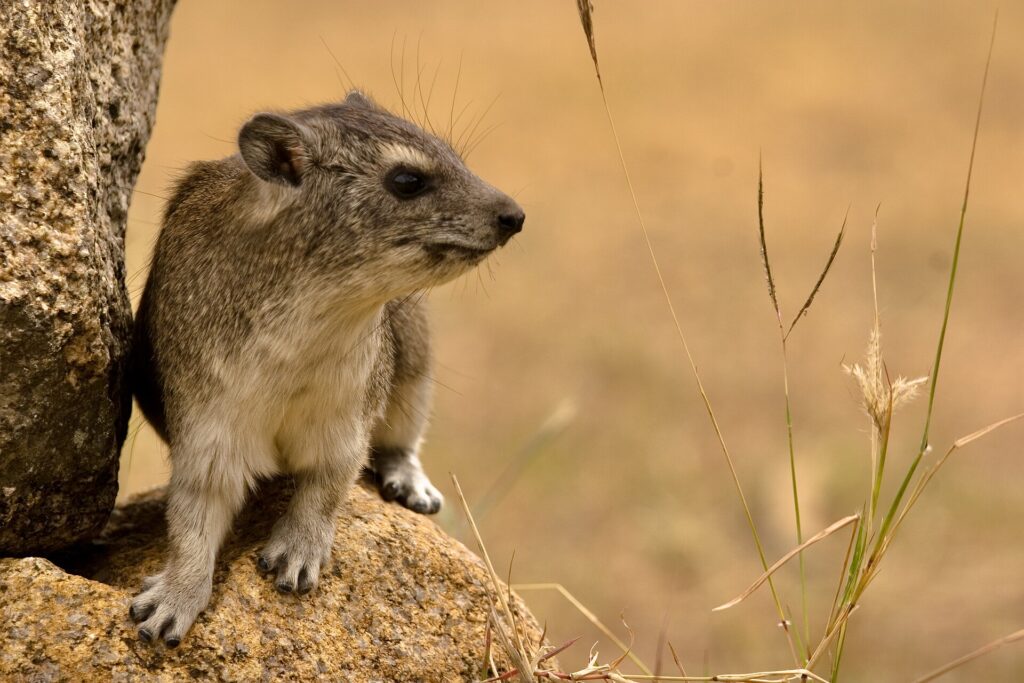
Although it looks like a large guinea pig, the rock hyrax’s closest living relatives are elephants and manatees.
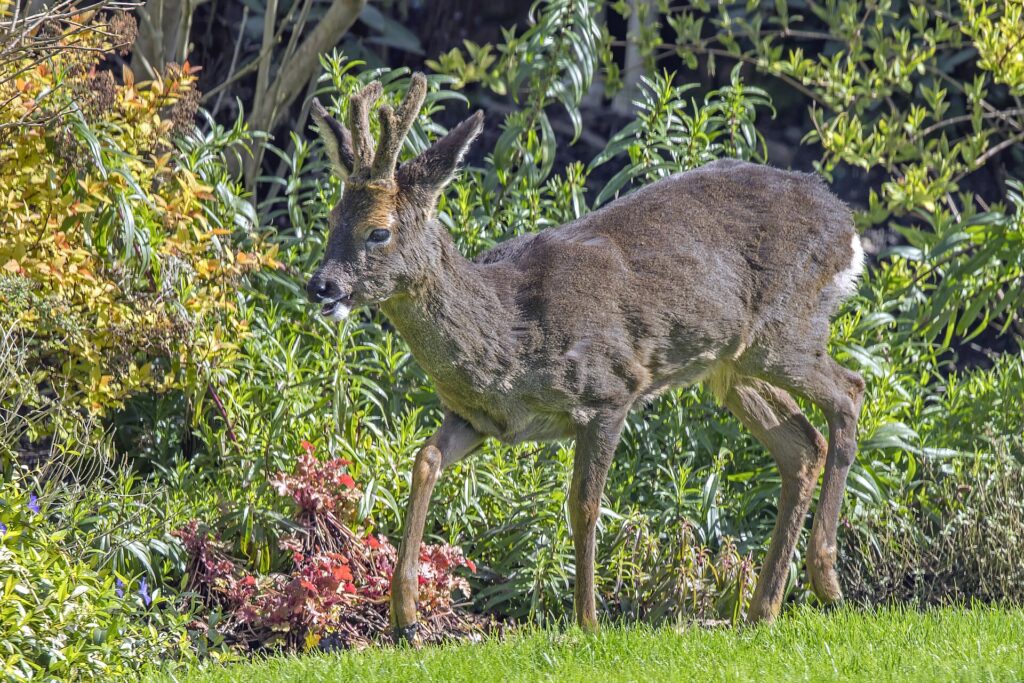
Roe deer are the only hoofed mammals known to delay the development of their embryo: they mate in summer, but the embryo only starts growing in winter.
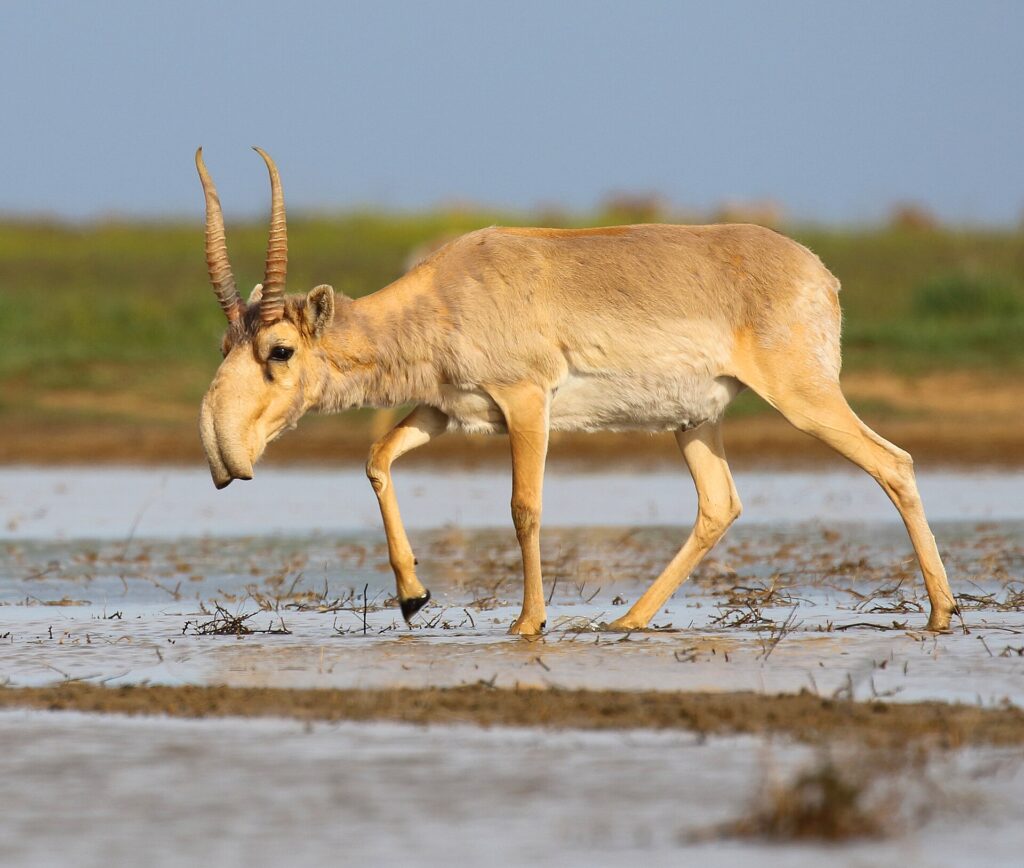
The saiga’s large, bulbous nose filters dust from the air in summer and warms freezing air before it reaches the lungs in winter.
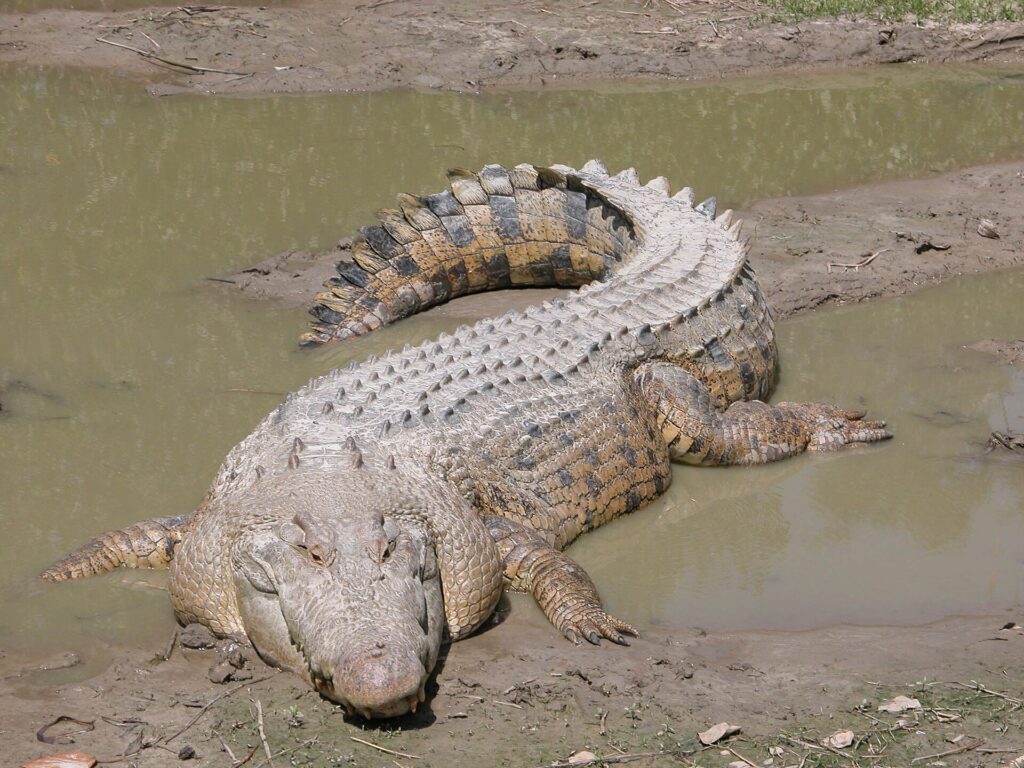
The saltwater crocodile has the strongest bite ever measured for a living animal, over 16,000 newtons.
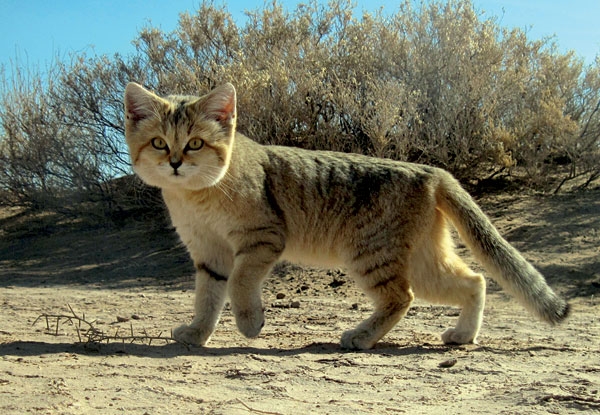
The sand cat can survive without drinking water, getting all the moisture it needs from its prey.
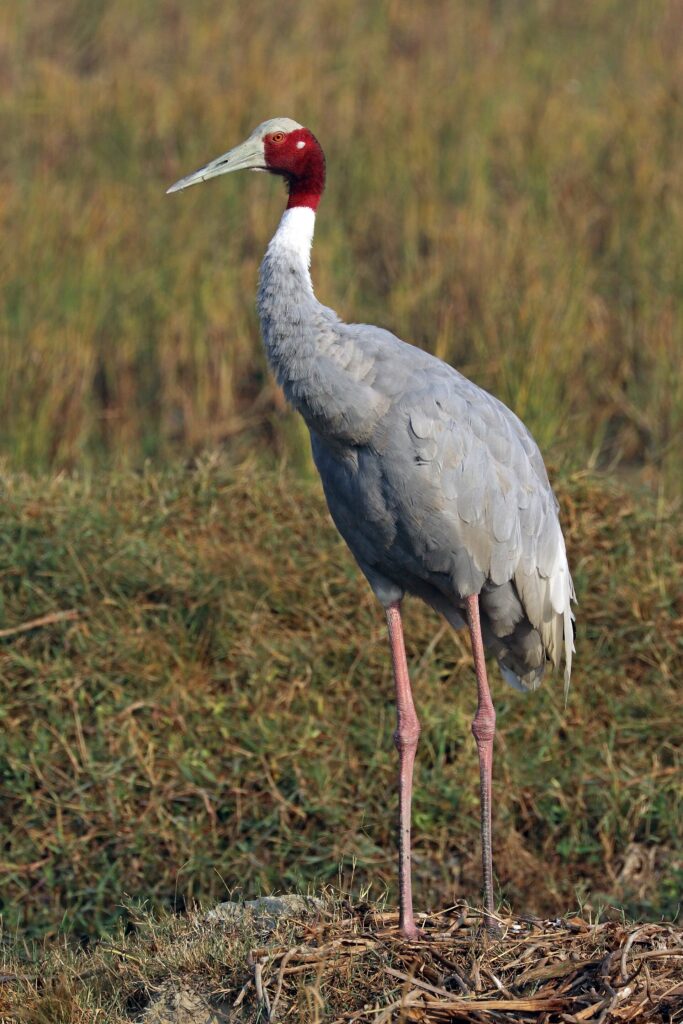
The sarus crane is the tallest flying bird in the world, standing almost as tall as an adult human.
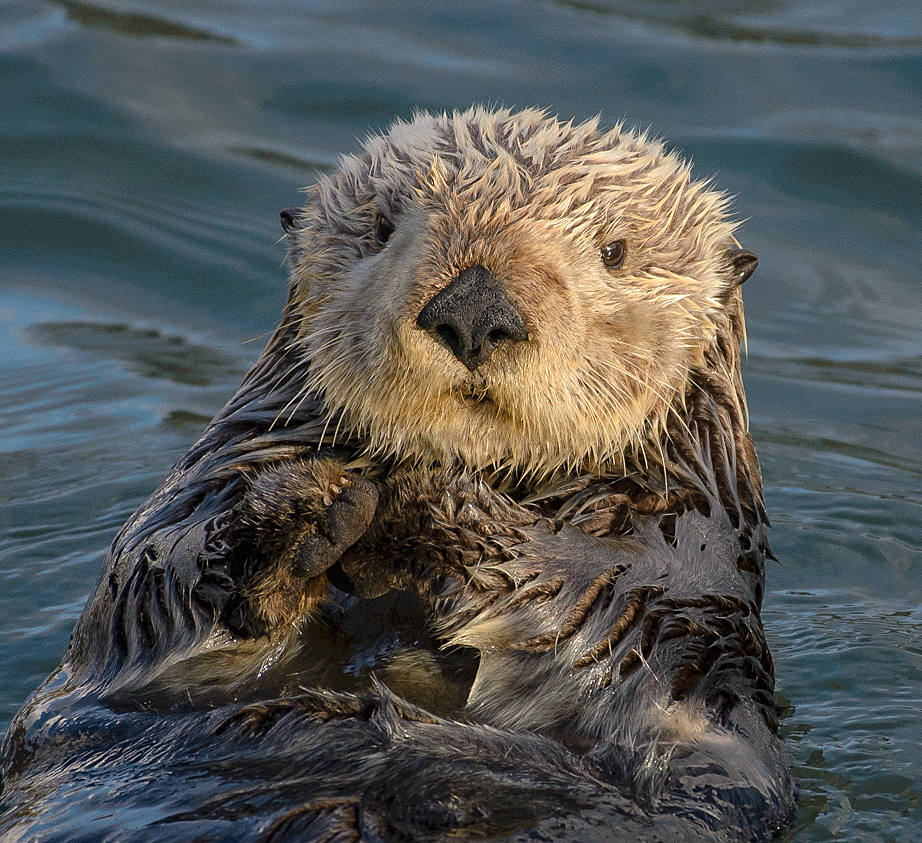
Sea otters have the densest fur of any animal, up to about a million hairs per square inch, which keeps them warm without blubber.
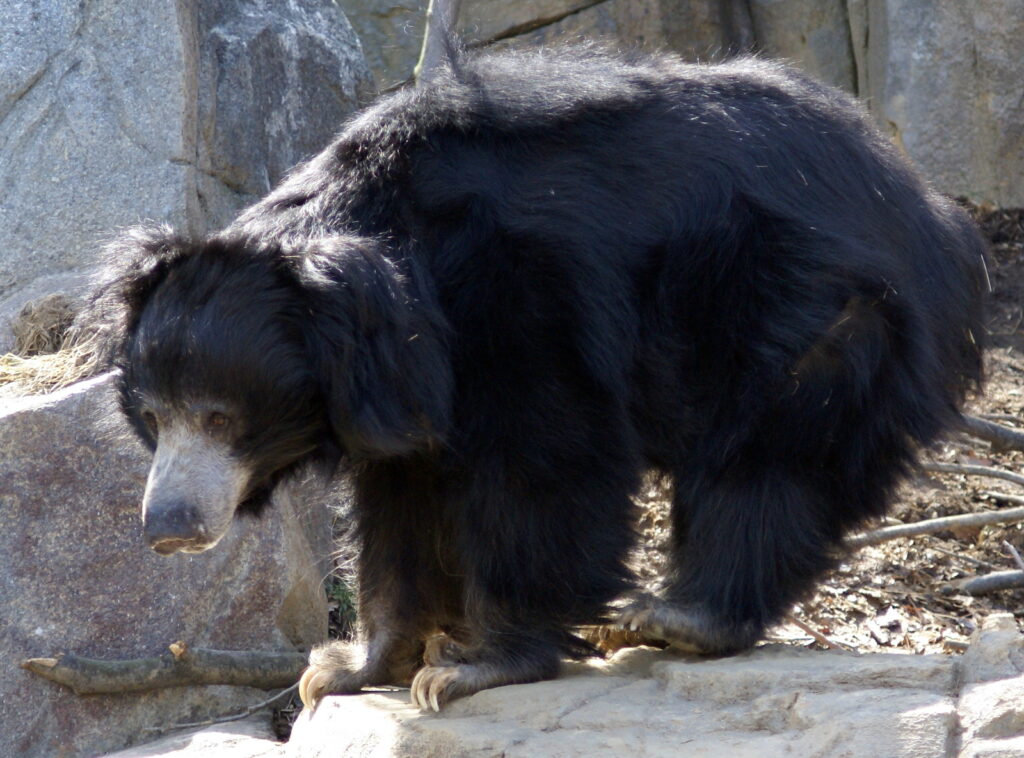
Sloth bears suck up termites like a vacuum cleaner, blowing away soil and sucking in insects so loudly that they can be heard over 100 metres away.
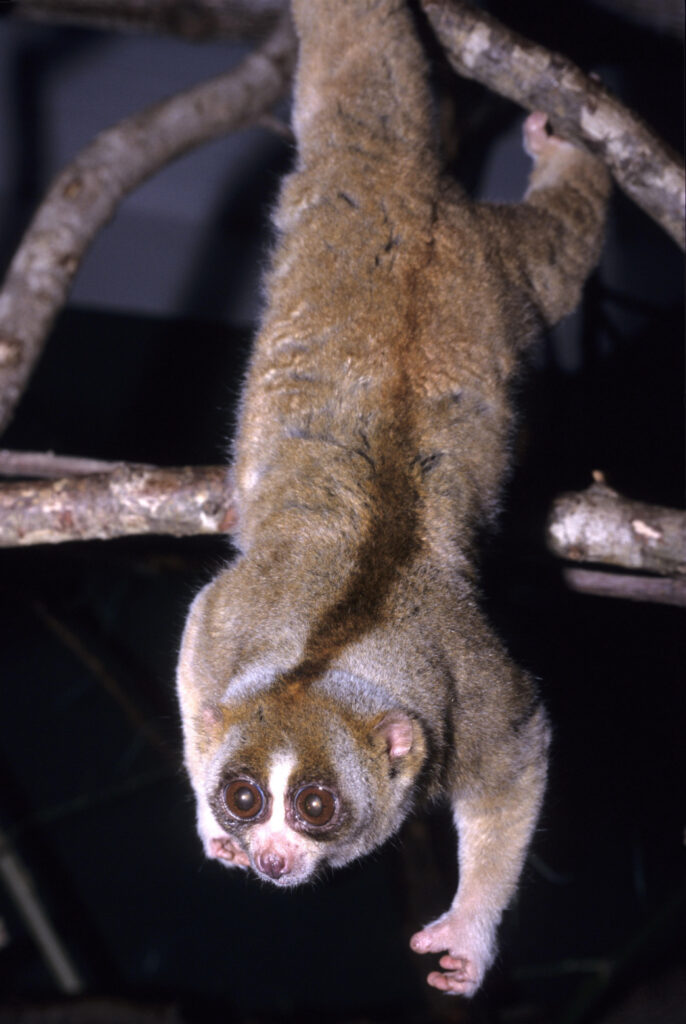
Slow lorises are the only venomous primates: they lick a gland on their upper arm and mix its secretion with saliva, producing a painful and sometimes dangerous bite.
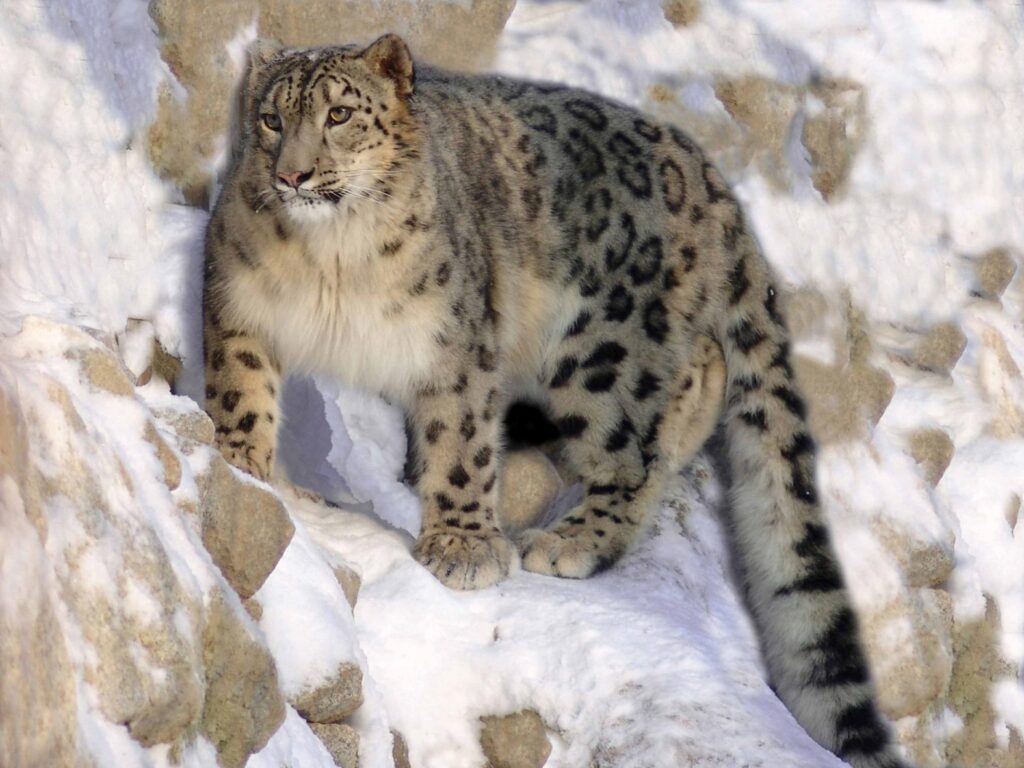
A snow leopard can leap up to about 15 m in a single bound, using its long tail for balance on steep cliffs.
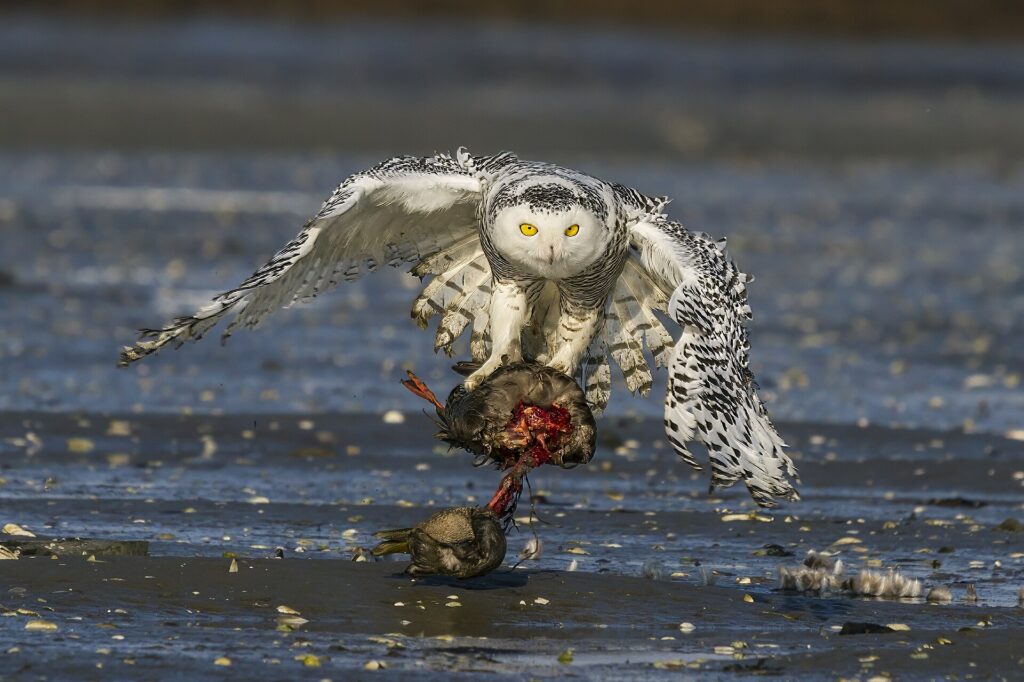
A single snowy owl can eat more than 1,600 lemmings in a year, and the number of eggs it lays depends on how many lemmings there are.
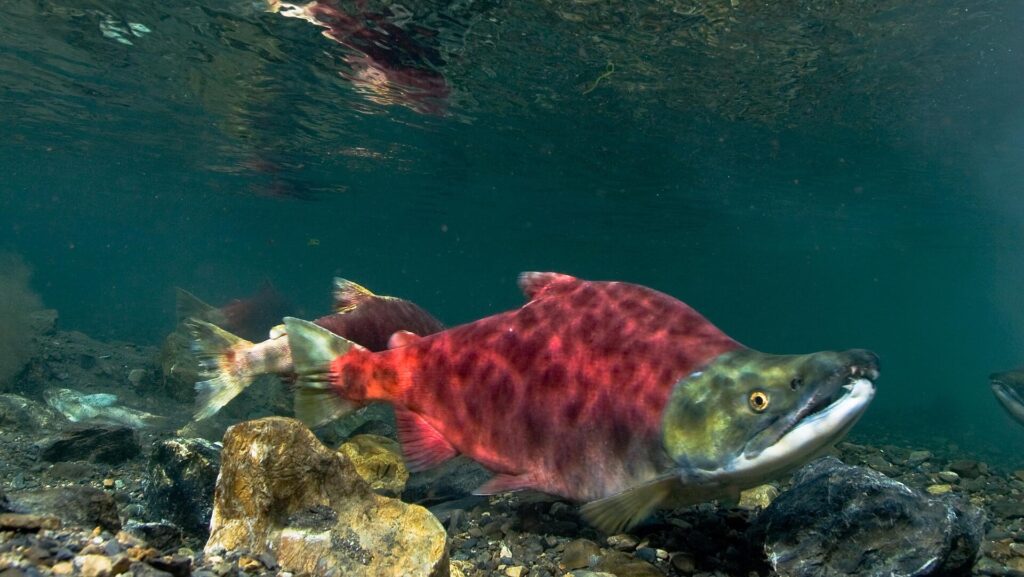
When sockeye salmon return to spawn, they turn brilliant red with green heads, and their bodies later fertilise the forests along the rivers.
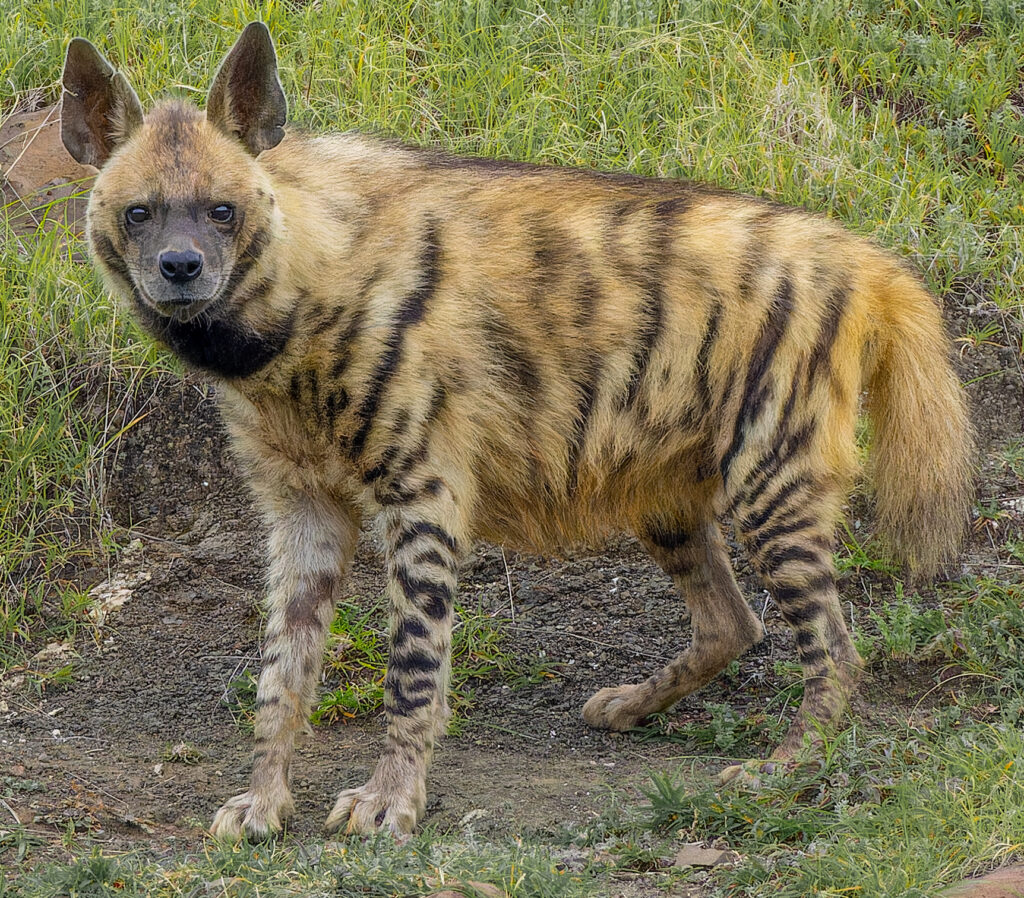
When threatened, the striped hyena raises a long mane along its back, making itself look much bigger.
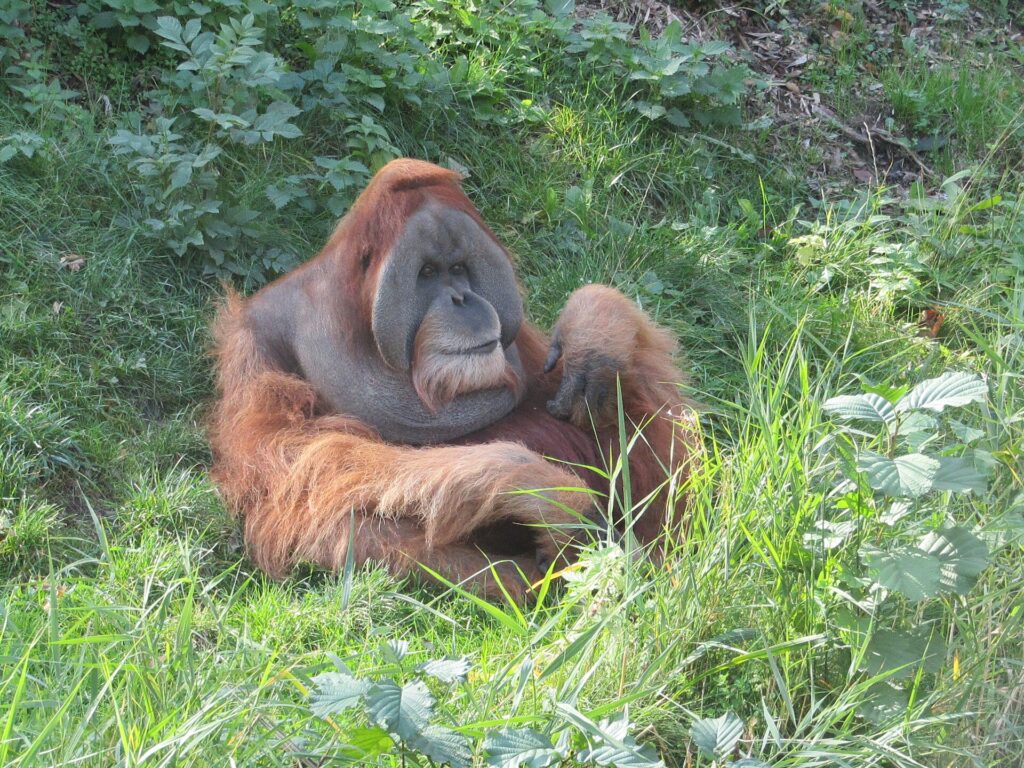
Sumatran orangutan mothers give birth only about once every eight or nine years, the longest gap between births of any mammal.
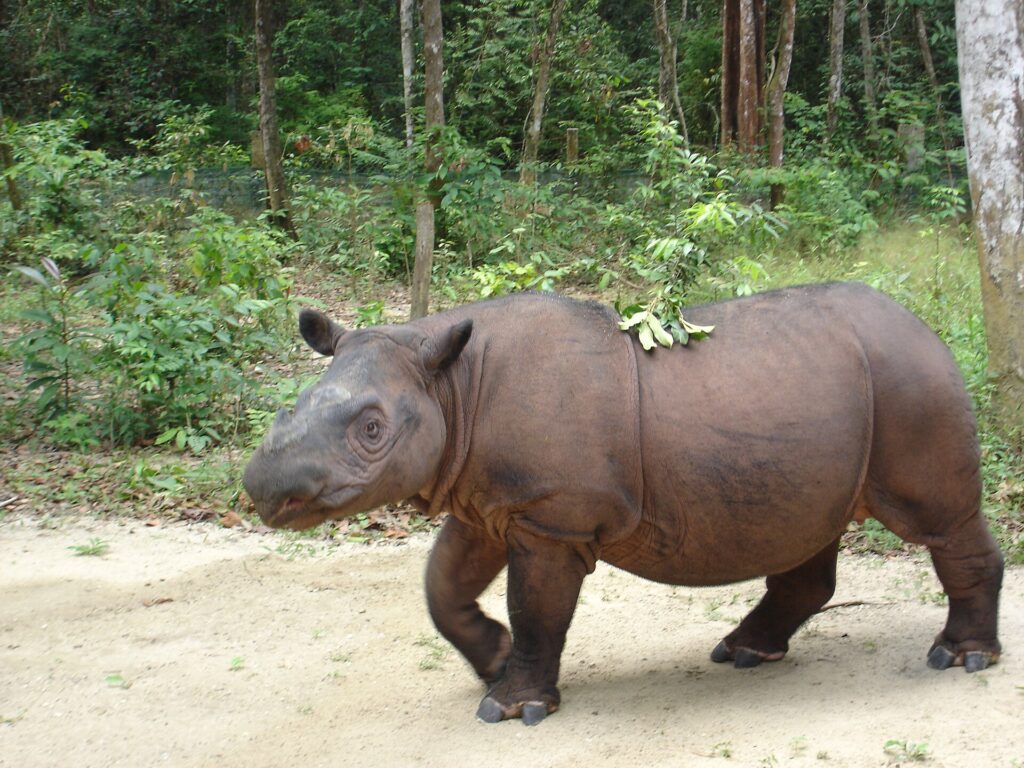
The Sumatran rhino is the hairiest rhino and the closest living relative of the extinct woolly rhinoceros.
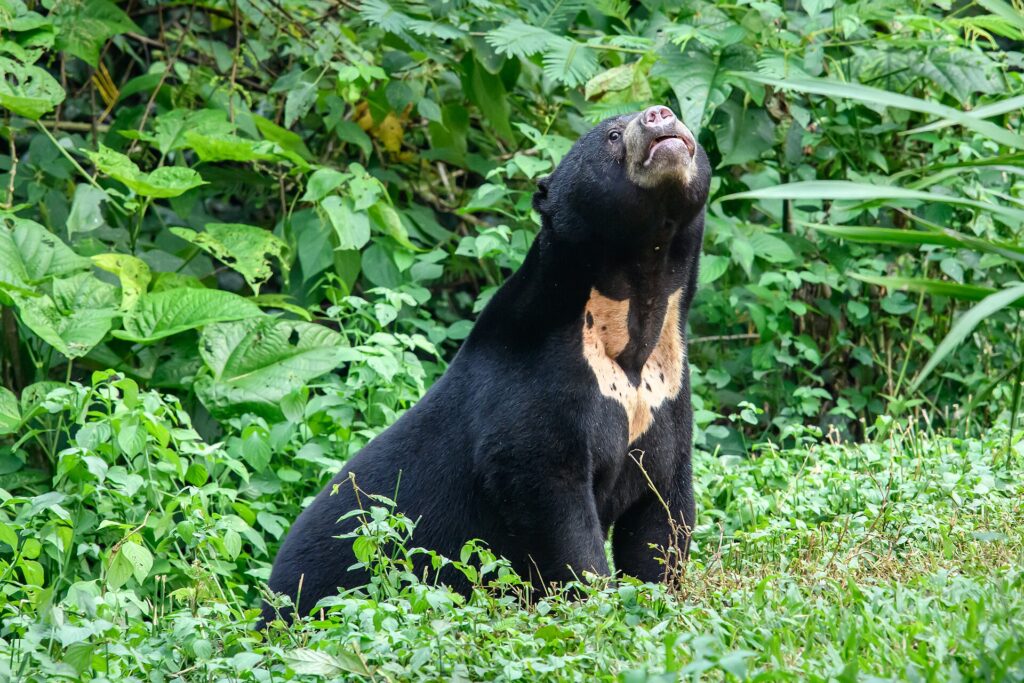
The sun bear is the smallest bear in the world, and it has the longest tongue of any bear, about 20–25 cm, for reaching into bees’ nests and termite tunnels.
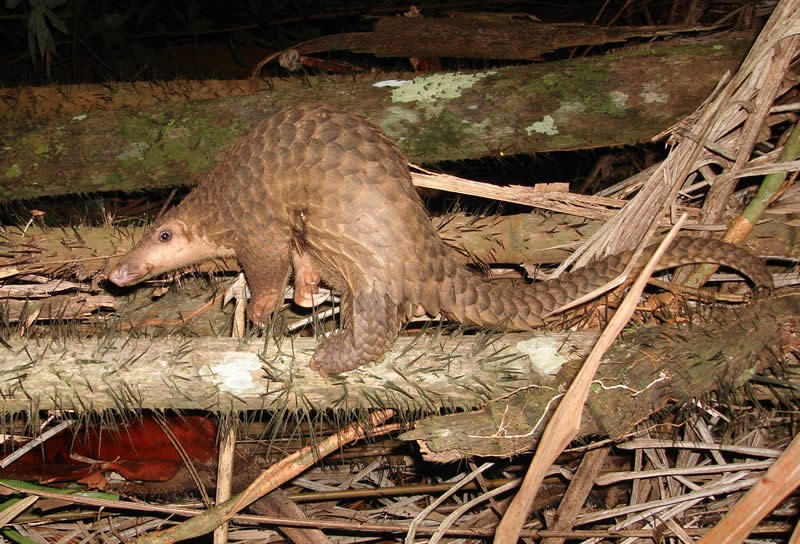
Pangolins are the only mammals covered in scales, which are made of keratin, the same material as human fingernails.
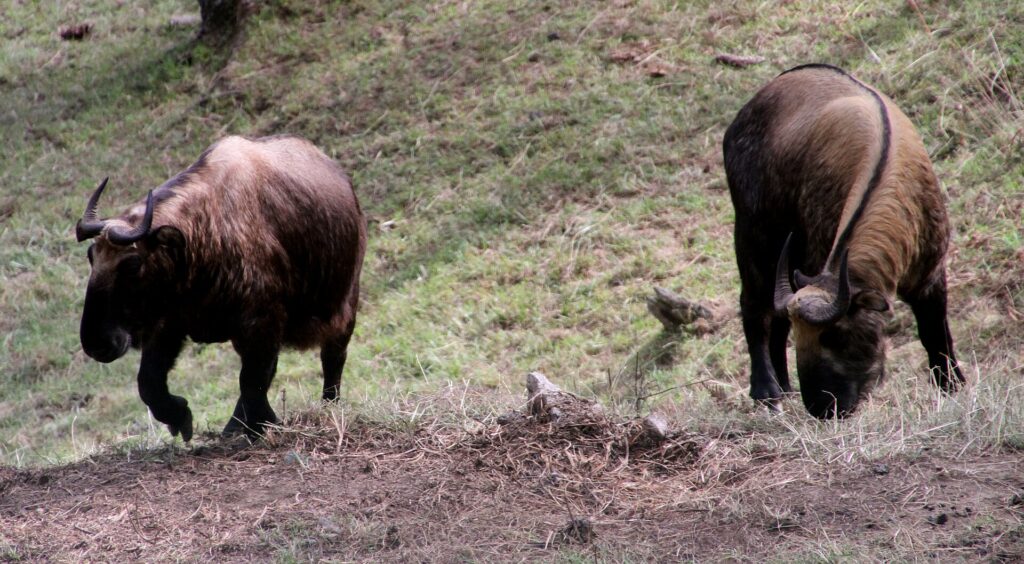
The takin is Bhutan’s national animal, and legend says a saint created it by putting a goat’s head on a cow’s skeleton.