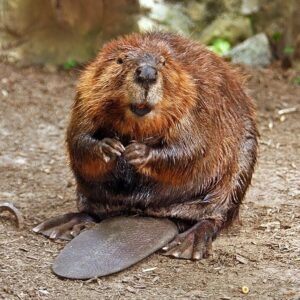
The Eurasian beaver is a large, semi-aquatic rodent and a natural ecosystem engineer. After centuries of hunting, it has made a remarkable comeback through protection and reintroduction.
Interesting facts
- It is the largest rodent in Europe and Asia.
- It cannot interbreed with the North American beaver, which has a different number of chromosomes.
- Beaver dams slow floods, store water in droughts and create wetlands full of wildlife.
- Beavers were hunted for fur, meat and castoreum, a scent used in perfumes.
- Beavers have been reintroduced to Scotland and England, and wild releases in England were licensed in 2025.
- Their orange teeth are strengthened with iron.
Behaviour
Beavers live in family groups and are mostly nocturnal. They build lodges or dig burrows in riverbanks, and build dams where water is shallow.
Breeding and young
After about three and a half months, females give birth to one to four kits in spring. Young stay with their parents for about two years.
Threats and conservation
The species has recovered, but it is sometimes culled because of flooding and damage to trees and crops.
Where to see it
- Knapdale and Tayside, Scotland
- River Otter, Devon, England
- Biesbosch National Park, Netherlands
- Biebrza National Park, Poland
Status source: IUCN Red List. Profile last reviewed September 2026.
Where to see the eurasian beaver
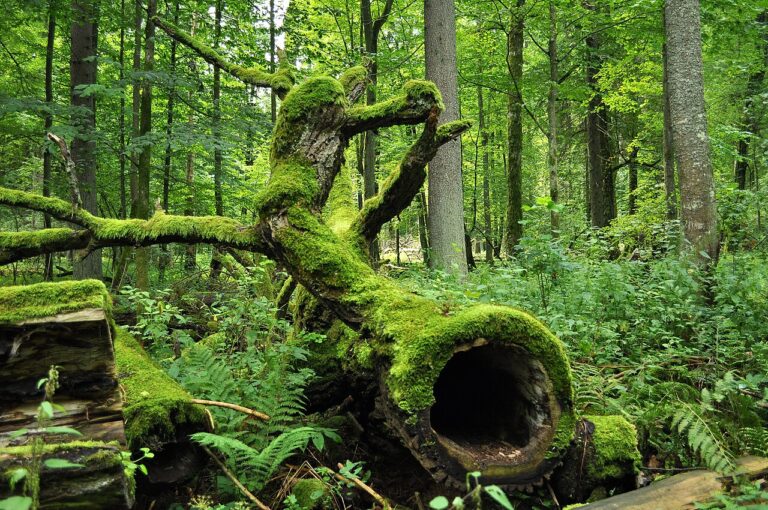 Białowieża Forest: Europe’s Last Primeval Forest and Its BisonThe European bison was saved from extinction in Białowieża, one of the last remnants of the forest that…
 Rewilding Europe: Where to See Returning WildlifeAfter centuries of decline, many of Europe's large animals are returning. Where to see the comeback for yourself.