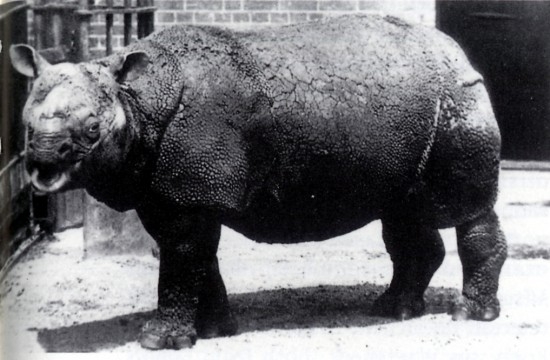
Javan Rhinoceros
All the world’s Javan rhinos live in a single national park; the last one in Vietnam was killed by poachers in 2010.
All the world’s Javan rhinos live in a single national park; the last one in Vietnam was killed by poachers in 2010.
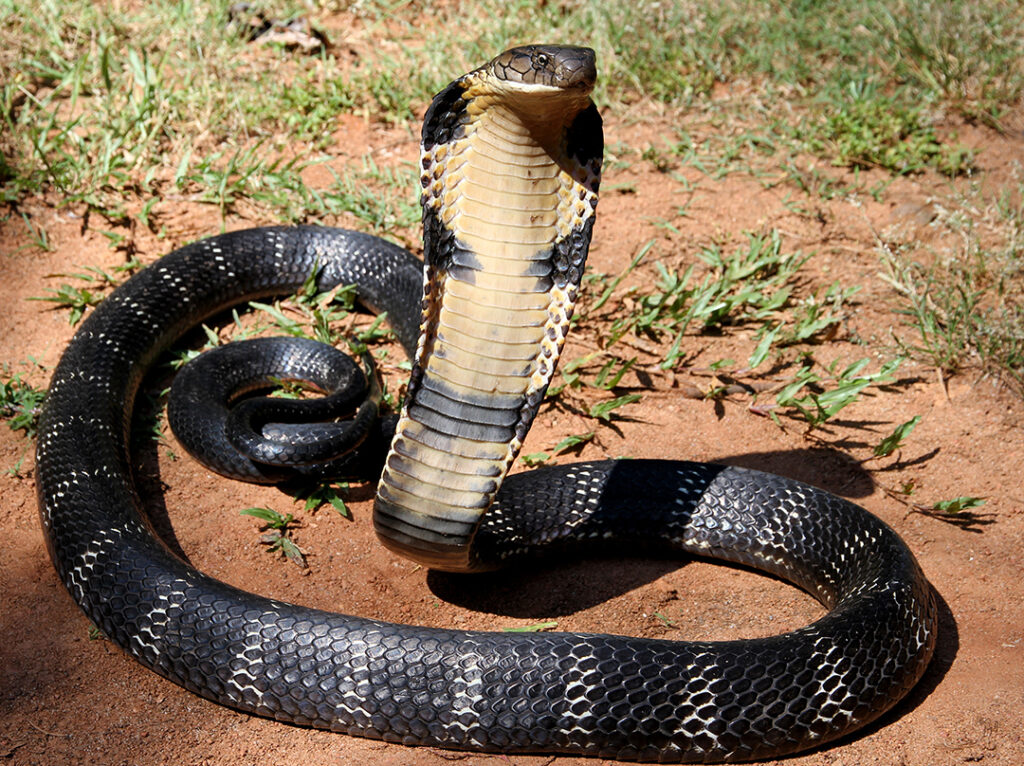
The king cobra is the only snake known to build a nest for its eggs, gathering leaves into a mound and guarding it.
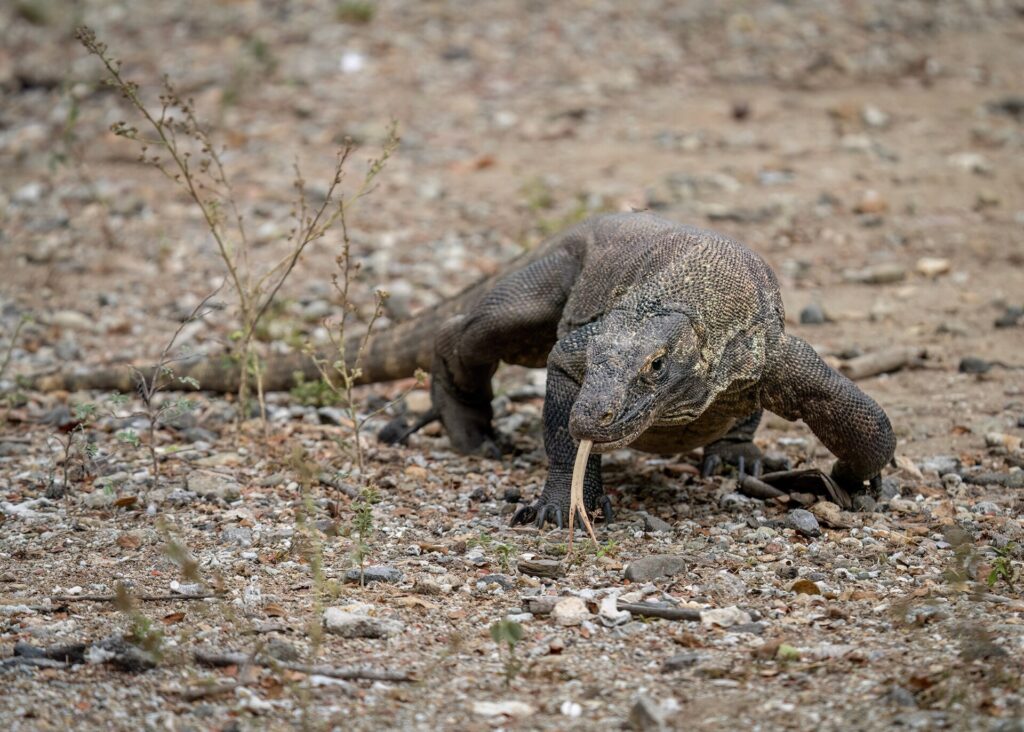
Komodo dragons have venom glands in their lower jaws; the venom causes bleeding and shock, helping to bring down large prey.
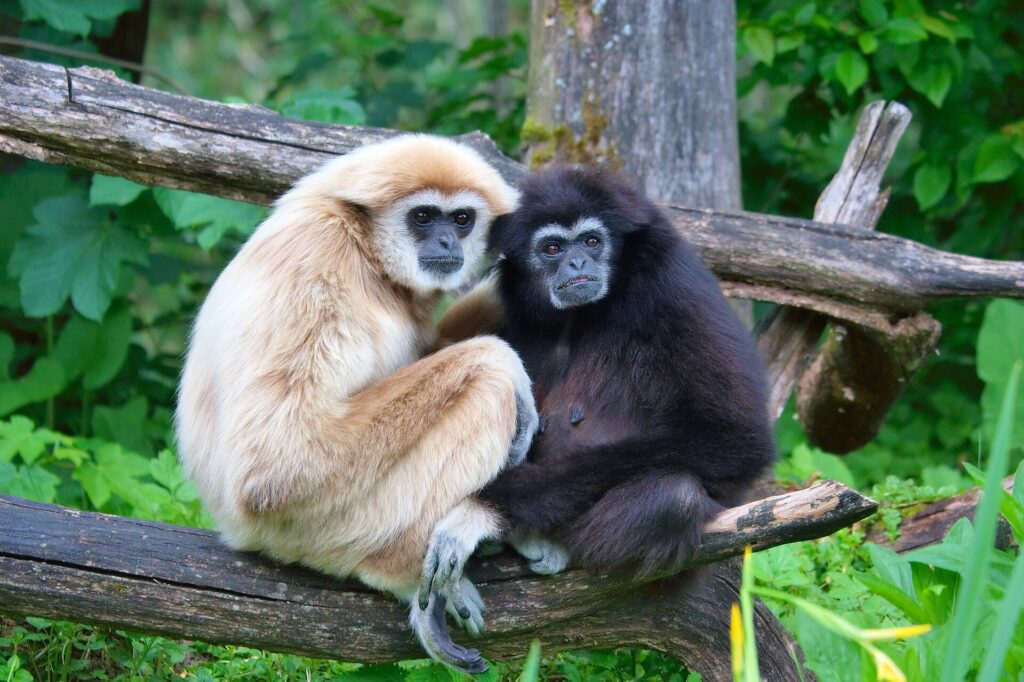
Lar gibbon pairs sing loud duets at dawn, and the songs of different pairs can be heard across the forest for kilometres.
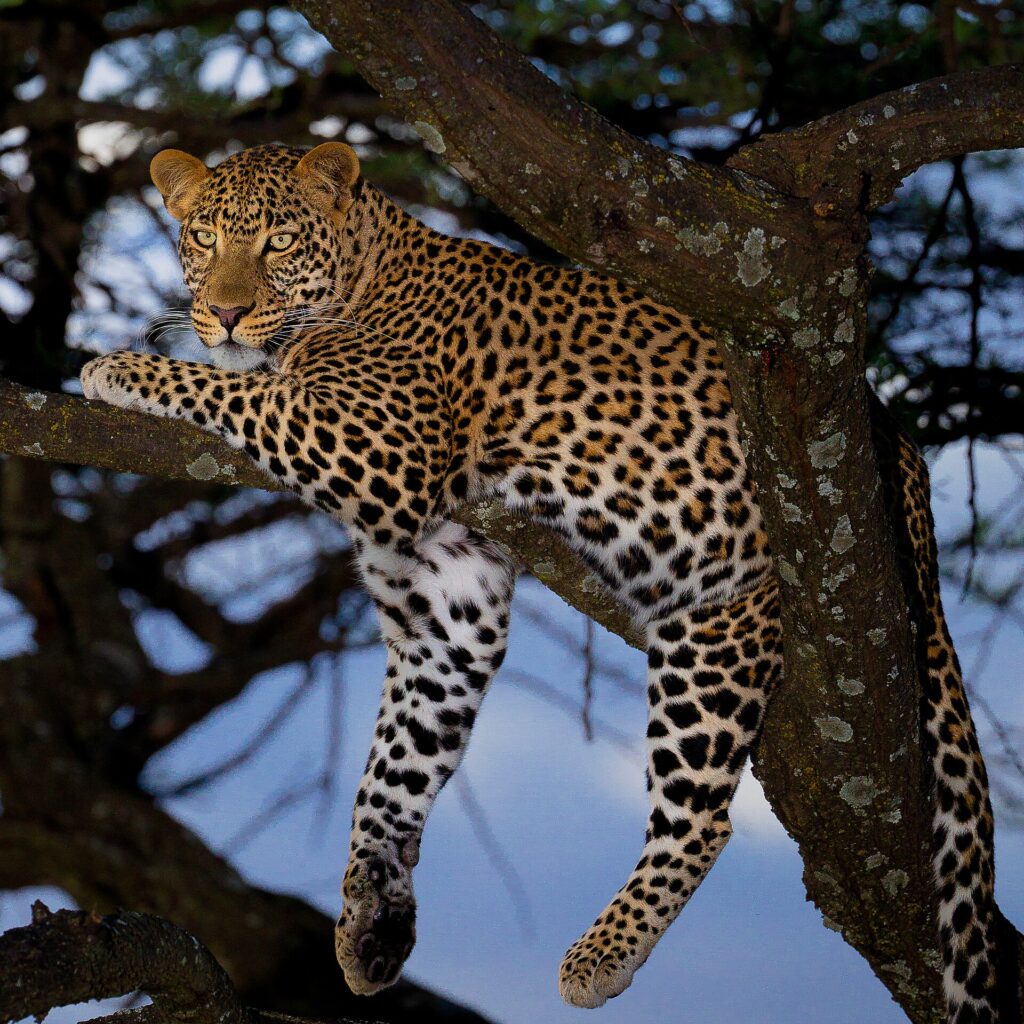
A leopard can haul a carcass heavier than itself, such as a young giraffe, several metres up a tree to keep it away from lions and hyenas.
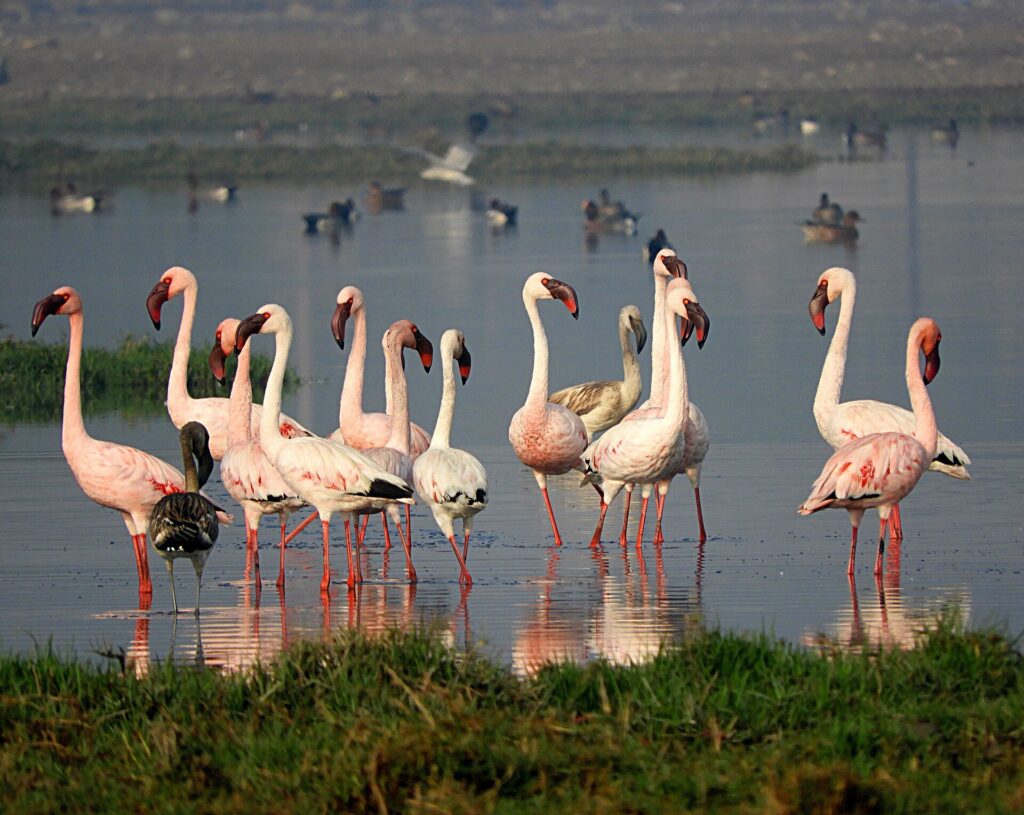
Most of the world’s lesser flamingos breed at Tanzania’s Lake Natron, a caustic soda lake that is too harsh for most predators to cross.
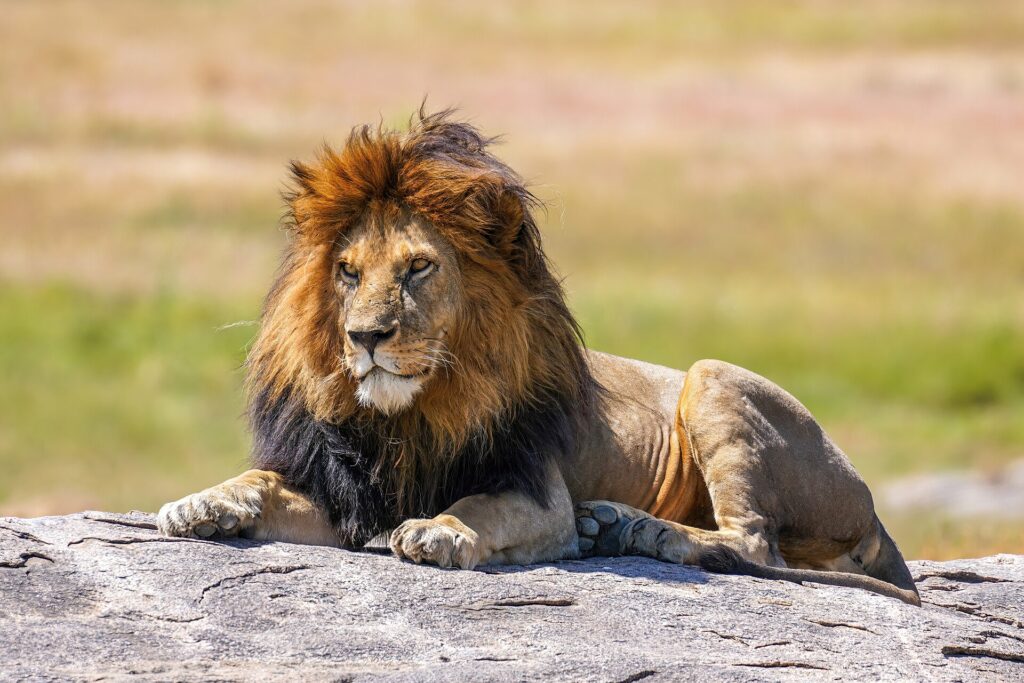
A lion’s roar can be heard up to 8 km away, and pride members roar together to announce who holds their territory.
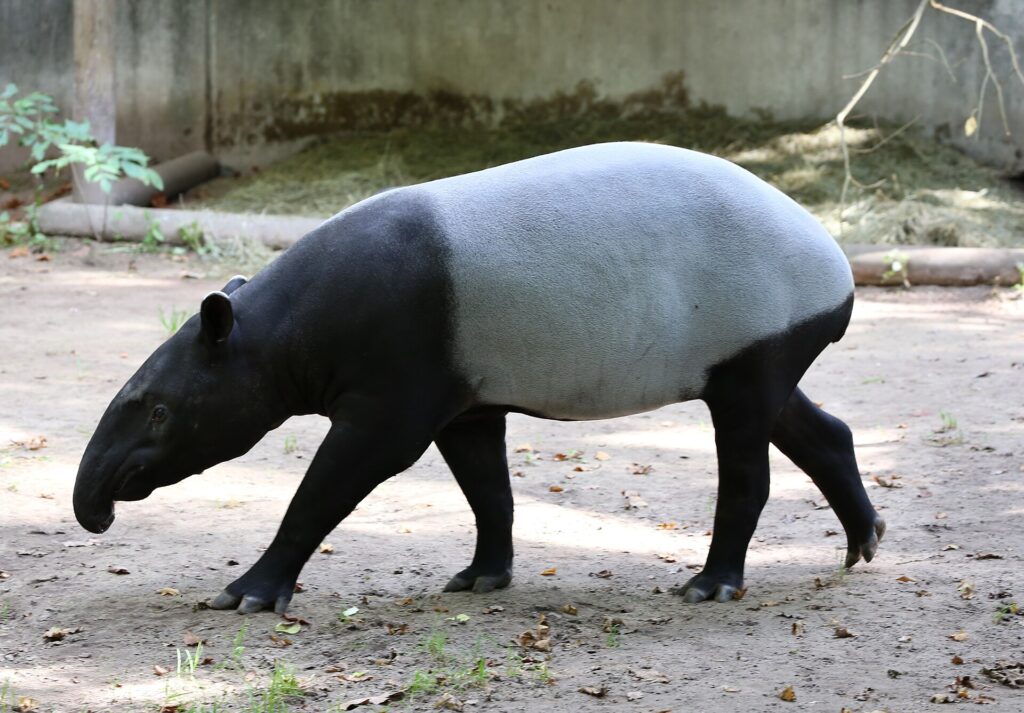
The Malayan tapir’s black-and-white pattern breaks up its outline in moonlight, making it hard for tigers to spot in the forest at night.
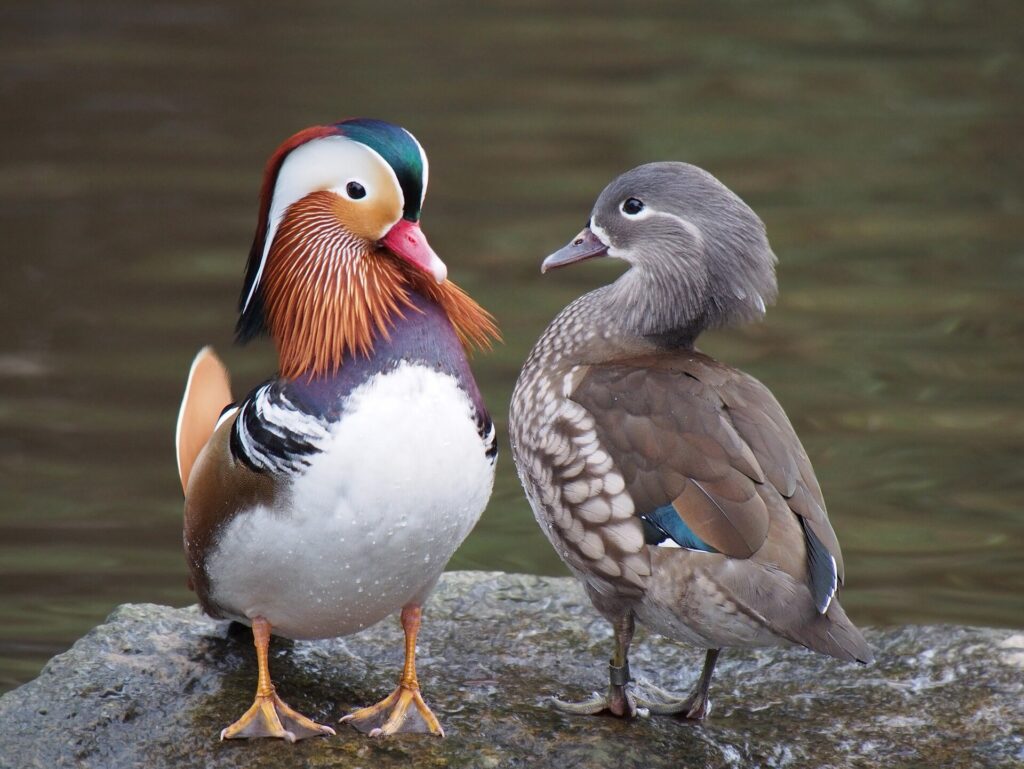
Mandarin ducks nest in tree holes high above the ground, and the ducklings leap out to the ground just a day or two after hatching.
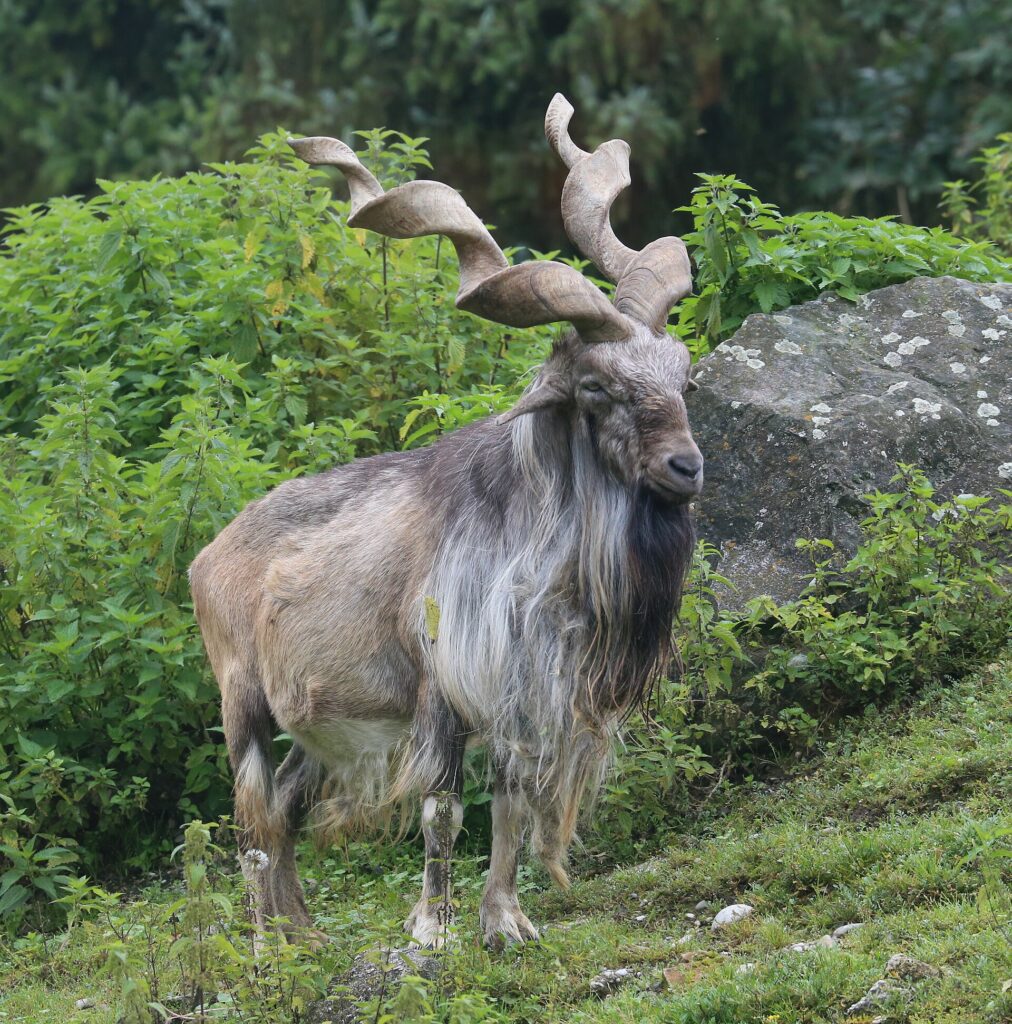
Male markhor have spectacular corkscrew horns up to about 1.6 metres long, among the most impressive horns of any wild goat.
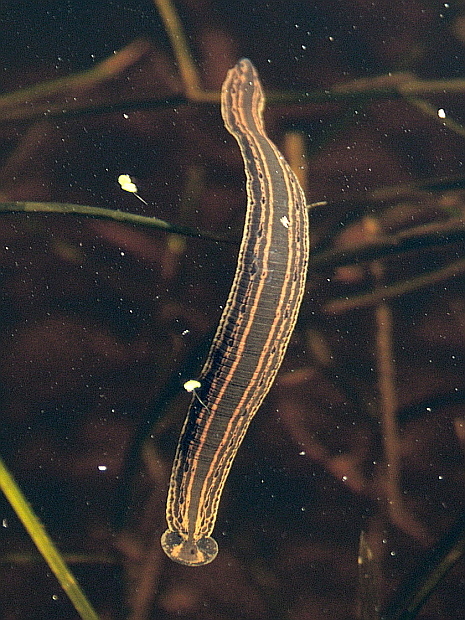
Medicinal leeches are still used in modern hospitals to help surgeons save reattached fingers, ears and skin grafts by draining excess blood.
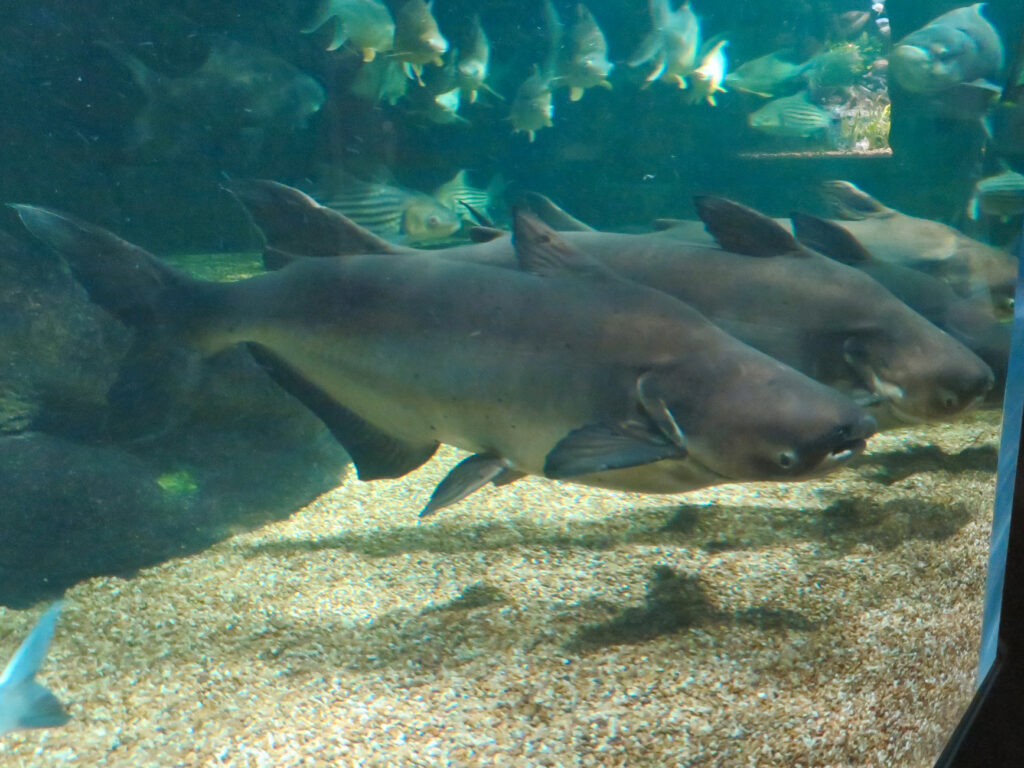
The Mekong giant catfish is one of the largest freshwater fish on Earth, and it can grow to 150–200 kg in just six years.
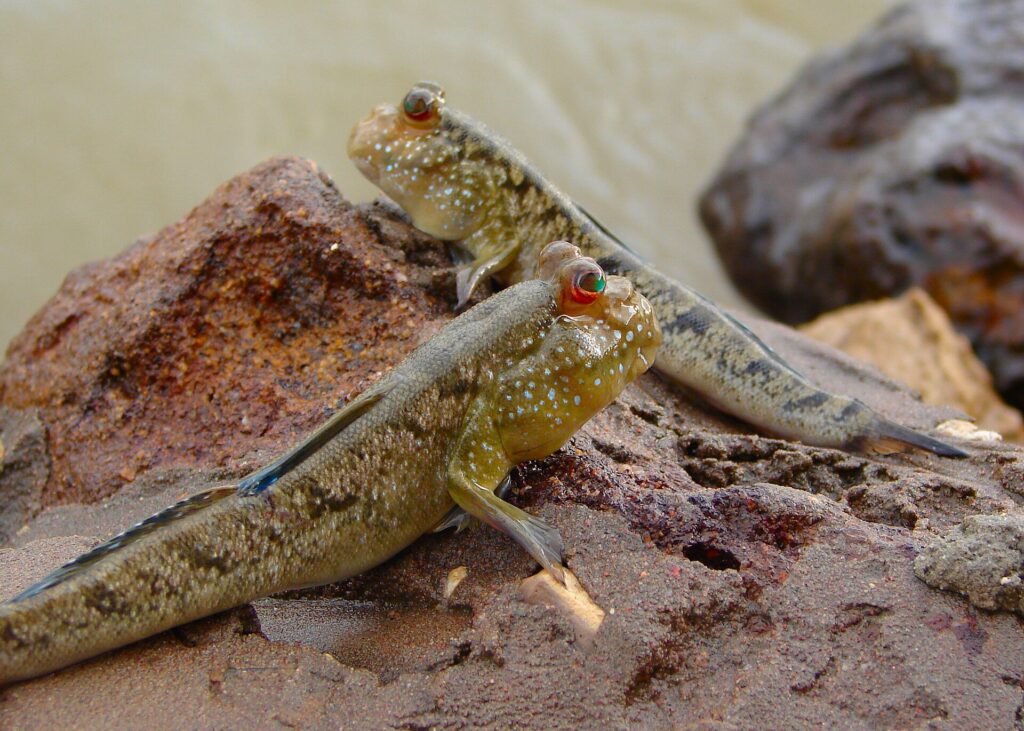
Mudskippers are fish that spend much of their time out of water, walking and skipping across mudflats on their fins.
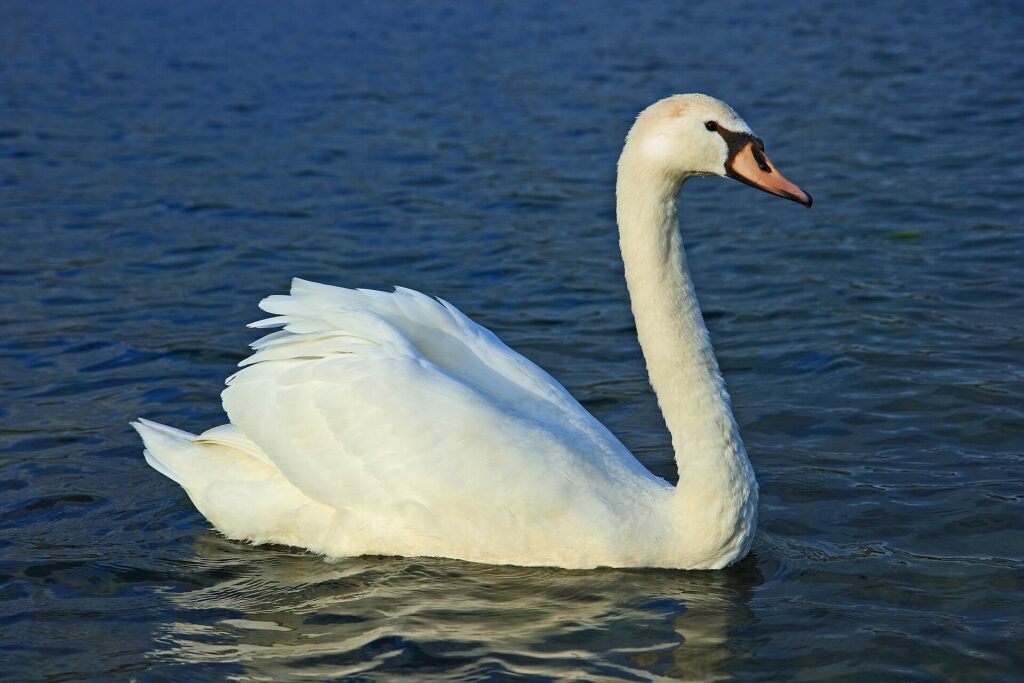
In Britain, the Crown traditionally claims ownership of unmarked mute swans on open water, and swans on the Thames are counted each July in the centuries-old ‘Swan Upping’.
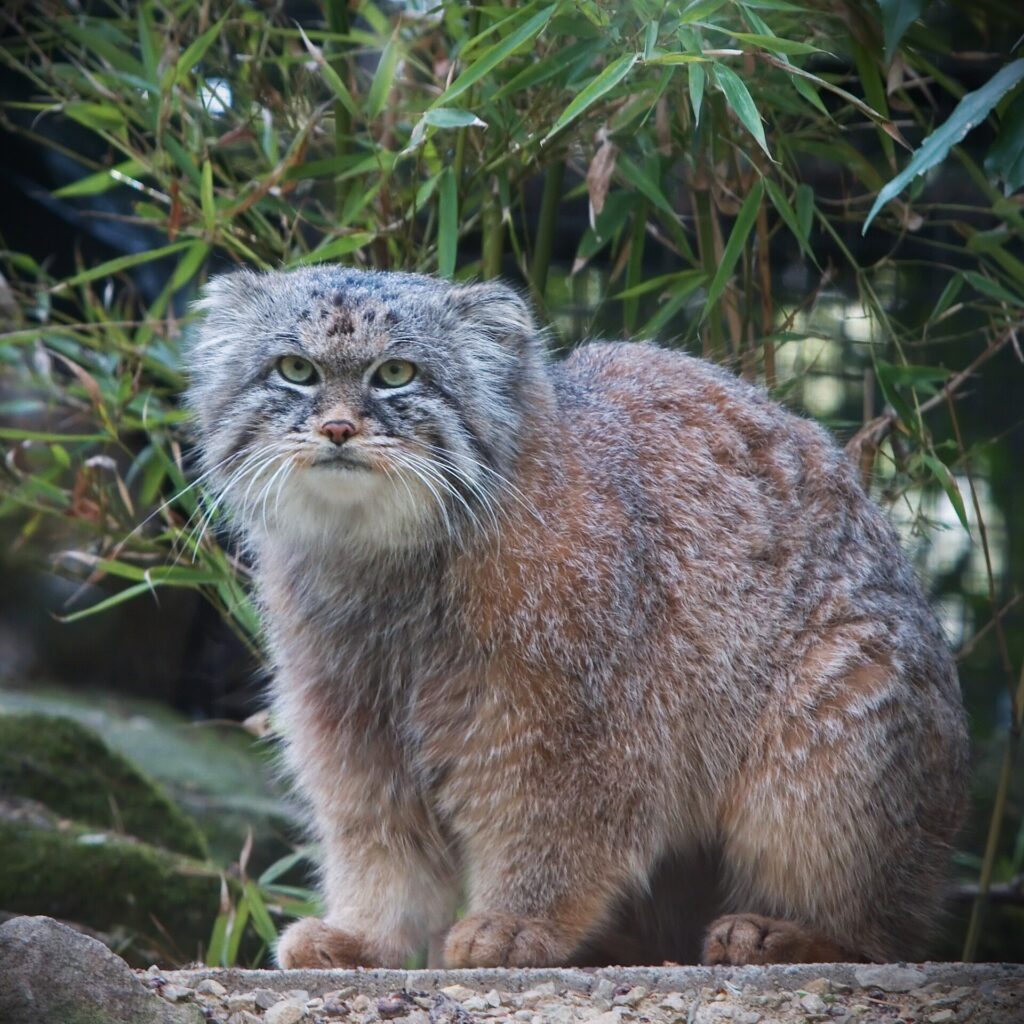
Pallas’s cat has the densest, longest fur of any cat, which helps it survive winters of −50 °C on the Asian steppe.
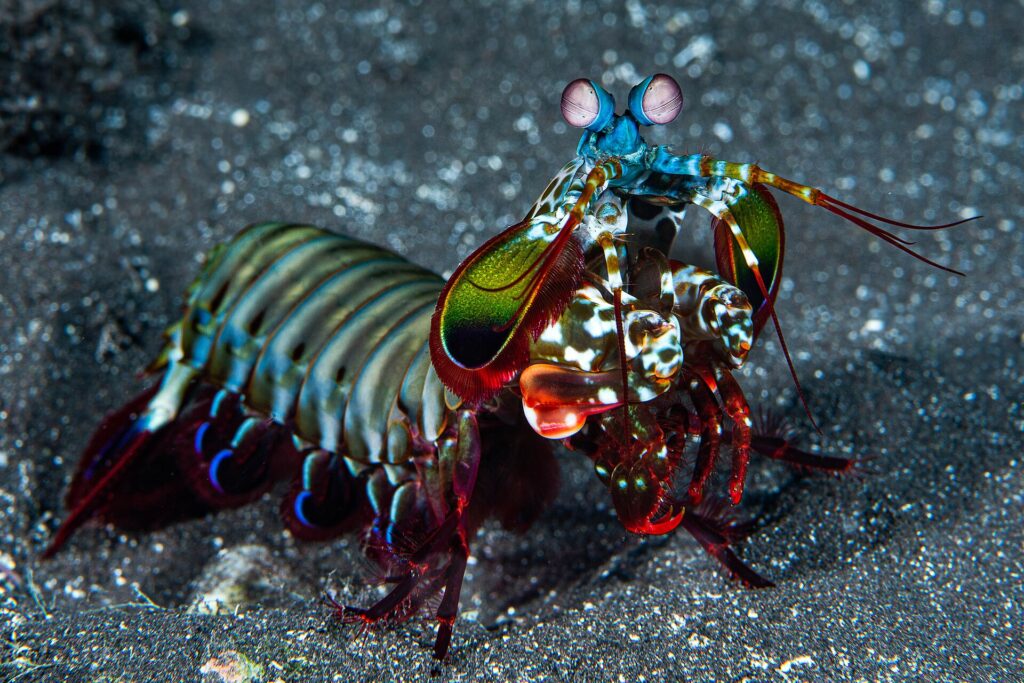
The peacock mantis shrimp punches with a club that accelerates like a bullet, striking so fast that the water around it briefly boils and flashes with light.
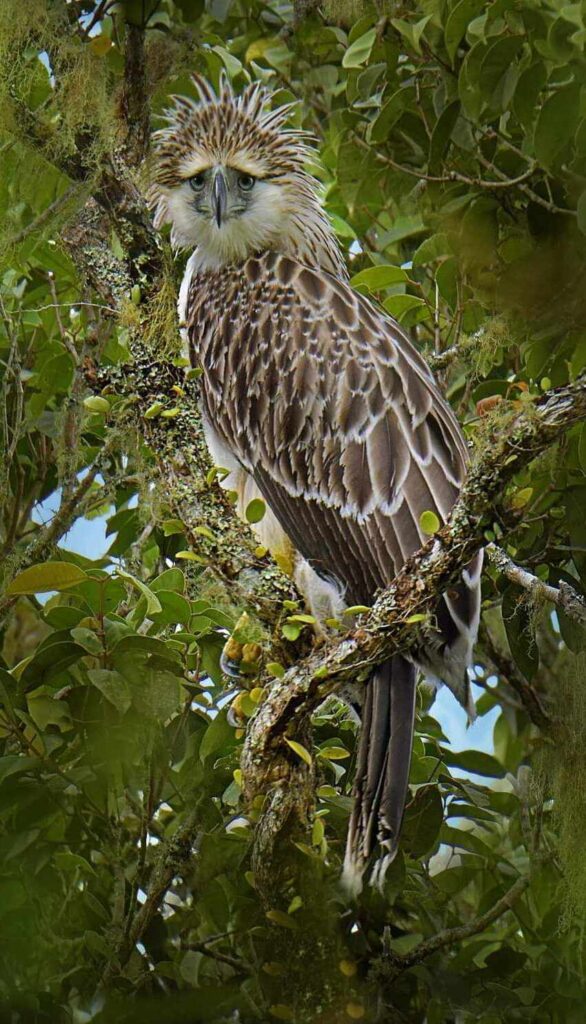
The Philippine eagle is one of the largest and most powerful eagles on Earth, and killing one in the Philippines can bring up to 12 years in prison.
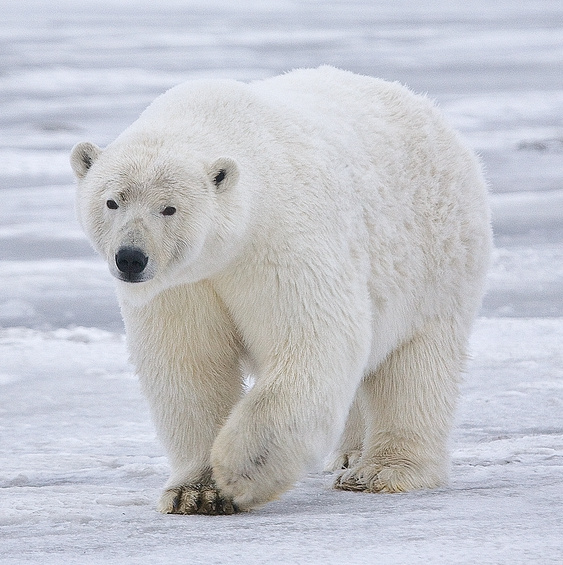
A polar bear’s fur is not white; each hair is transparent and hollow, and its skin underneath is black.
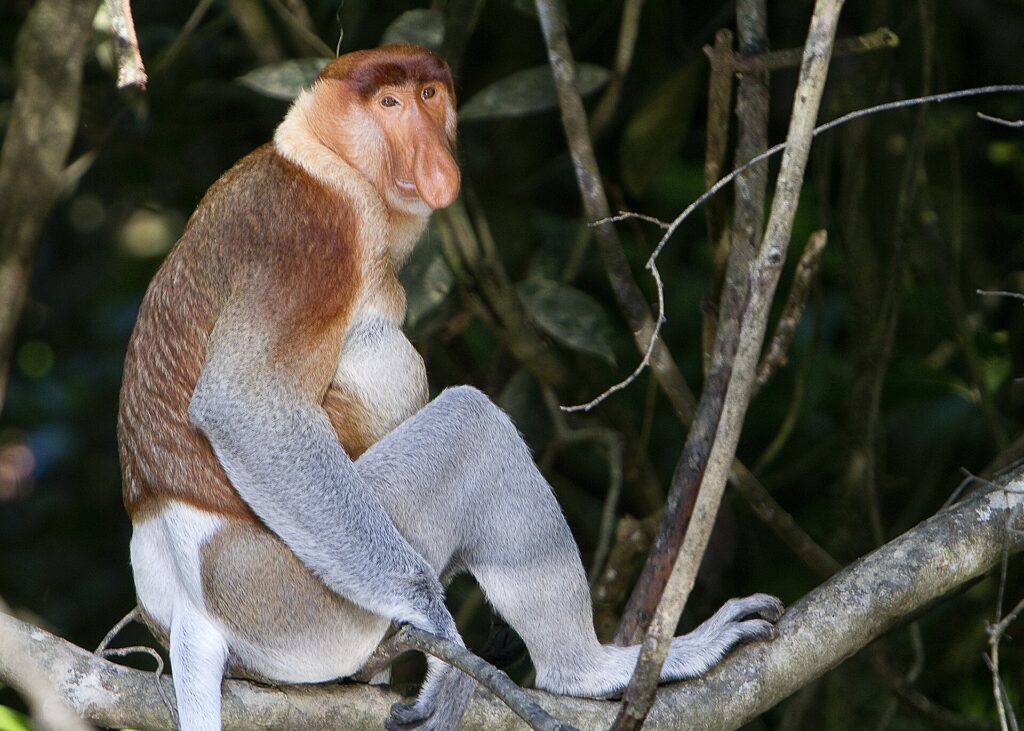
The adult male proboscis monkey’s nose can be more than 10 cm long, and bigger noses seem to help males attract females and make louder calls.
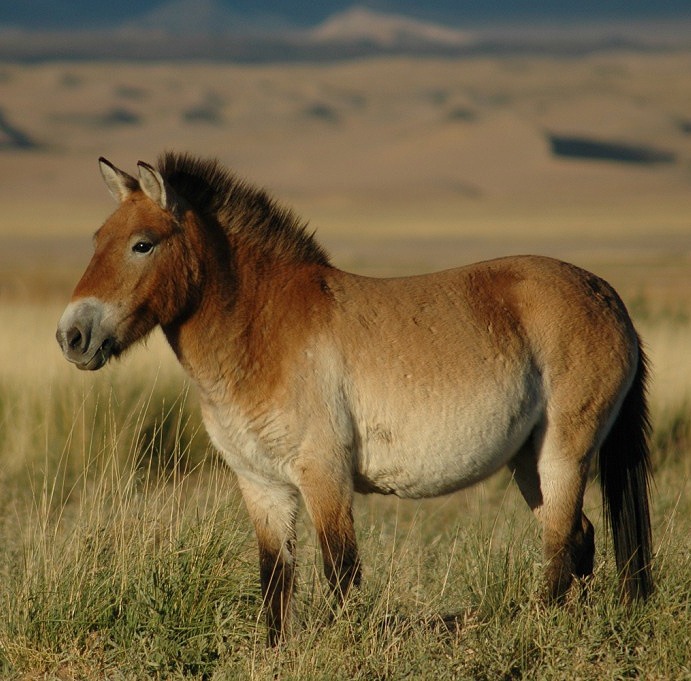
Przewalski’s horse was declared extinct in the wild after 1969; every living one descends from just 12–15 horses caught around 1900.
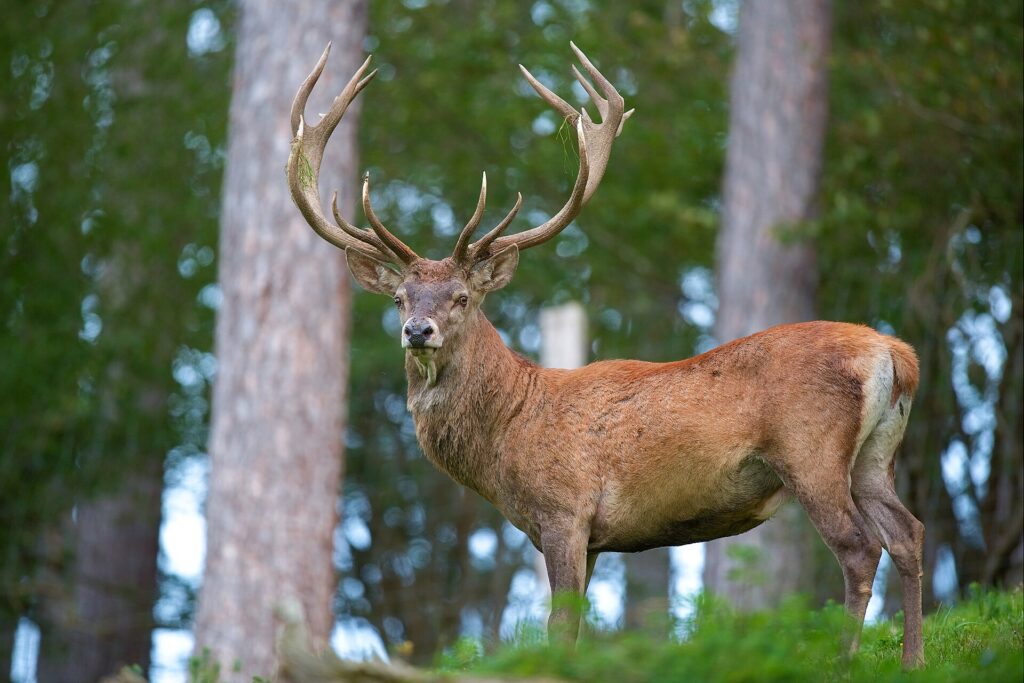
A stag’s antlers can grow up to about 2.5 cm a day, making them one of the fastest-growing tissues in the animal kingdom.
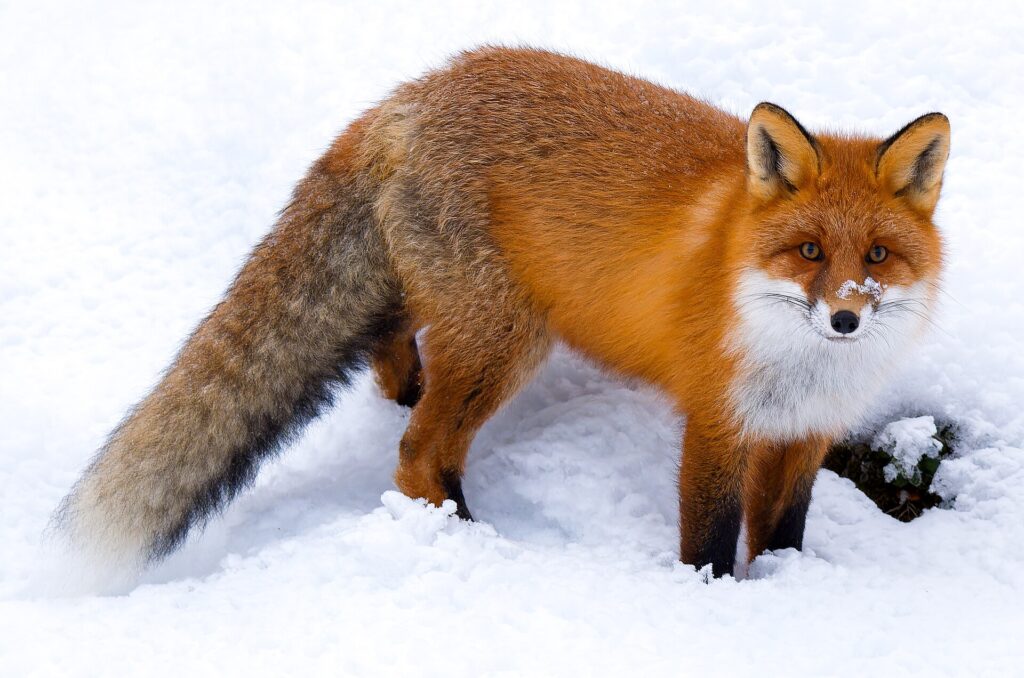
The red fox has the largest natural range of any wild carnivore on Earth, spanning North America, Europe, Asia and North Africa.