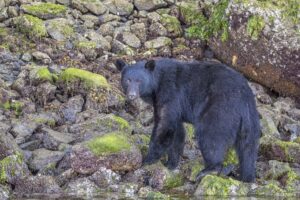
The brown bear is the most widespread bear on Earth, ranging across the Northern Hemisphere. Despite its fearsome reputation, most of its diet is plant material, and it is a key disperser of seeds and a link between rivers and forests where it feeds on salmon.
Interesting facts
- The grizzly and the Kodiak bear are North American forms of the brown bear.
- Brown bears have a distinctive shoulder hump of muscle used for digging.
- Their sense of smell is thought to be hundreds of times better than a human’s.
- At Brooks Falls in Alaska, bears catch leaping salmon in their mouths.
- Brown bears have one of the widest ranges of any bear.
- Europe has large brown bear populations in Scandinavia, Finland, Romania and the Balkans.
Behaviour
Brown bears are mostly solitary, except for mothers with cubs and gatherings at rich food sources such as salmon rivers. They hibernate in dens for up to seven months in colder regions.
Breeding and young
Cubs, usually 2 or 3, are born tiny and blind in the winter den. They stay with their mother for two to three years, learning where and when to find food.
Threats and conservation
Habitat loss, conflict with people and livestock, road traffic and poaching in some regions. Small, isolated populations in southern Europe and parts of Asia are threatened.
Where to see it
- Katmai and Lake Clark, Alaska
- Great Bear Rainforest, Canada
- Yellowstone, USA
- Kuhmo, Finland
- Romanian Carpathians
Status source: IUCN Red List. Profile last reviewed September 2026.
Where to see the brown bear
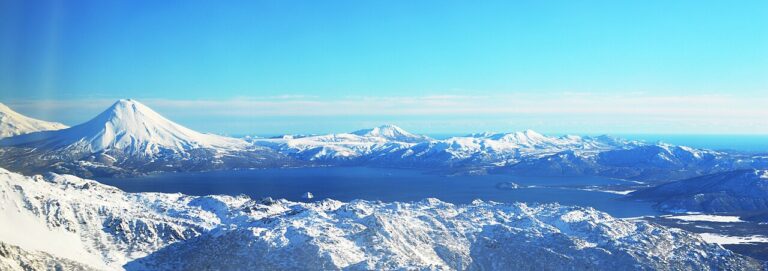 Kamchatka Brown Bears at Kurile LakeKurile Lake hosts one of the largest gatherings of brown bears on Earth. What makes it special, and…
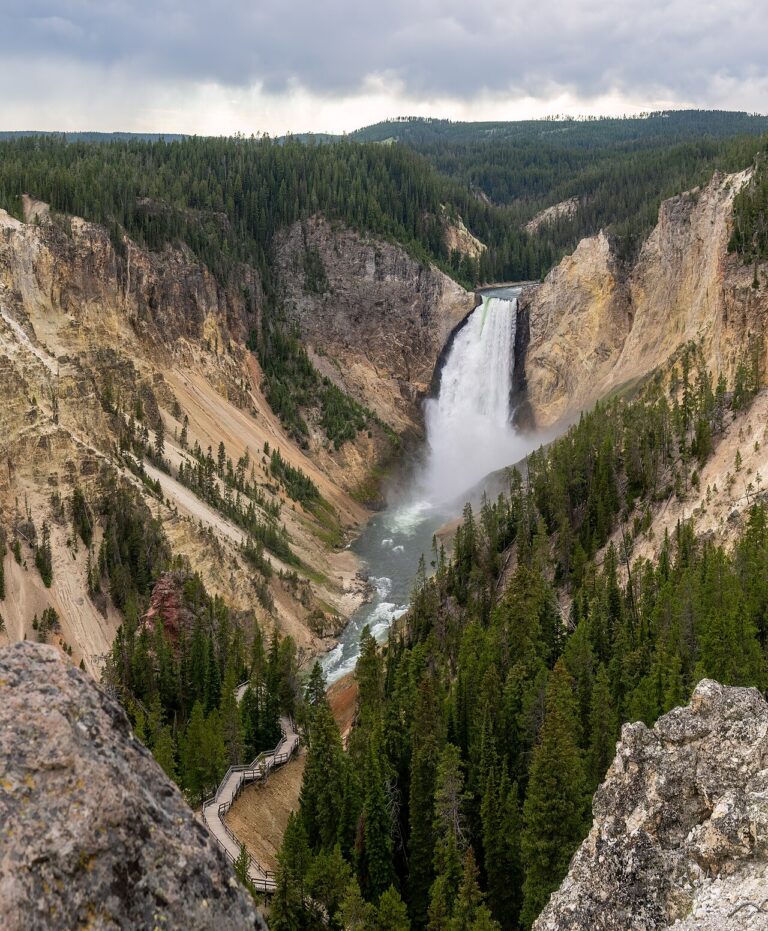 Yellowstone Wildlife Guide: Wolves, Bears and BisonThe world's first national park is also America's best place to watch wolves, grizzlies and bison. Where to…
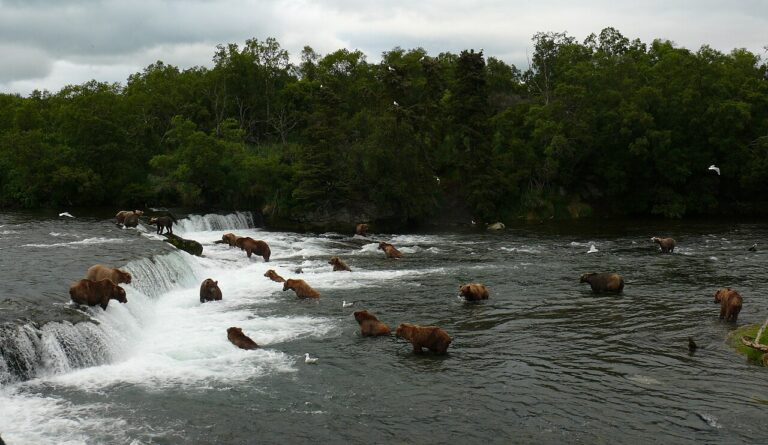 Brooks Falls, Katmai: Watching Bears Catch SalmonAt Brooks Falls, brown bears stand at the lip of a waterfall and catch leaping salmon in their…