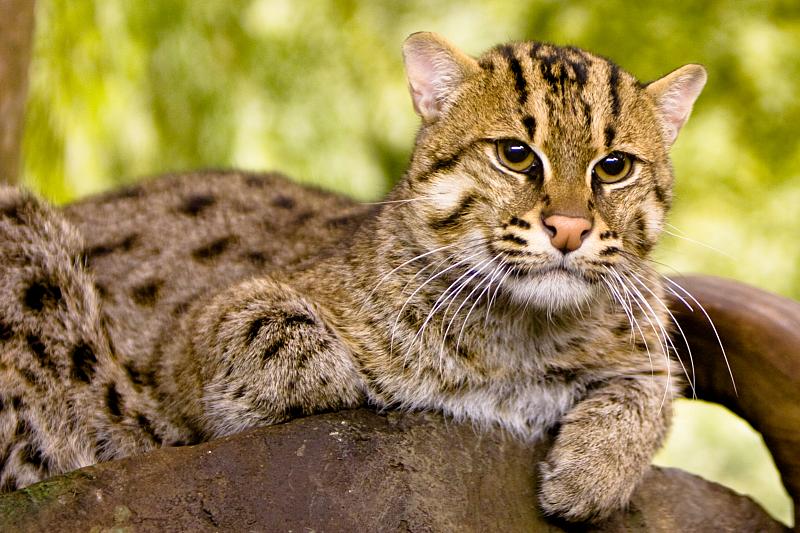
Fishing Cat
The fishing cat dives into water to catch fish and has partly webbed front feet and a waterproof double-layered coat.
The fishing cat dives into water to catch fish and has partly webbed front feet and a waterproof double-layered coat.
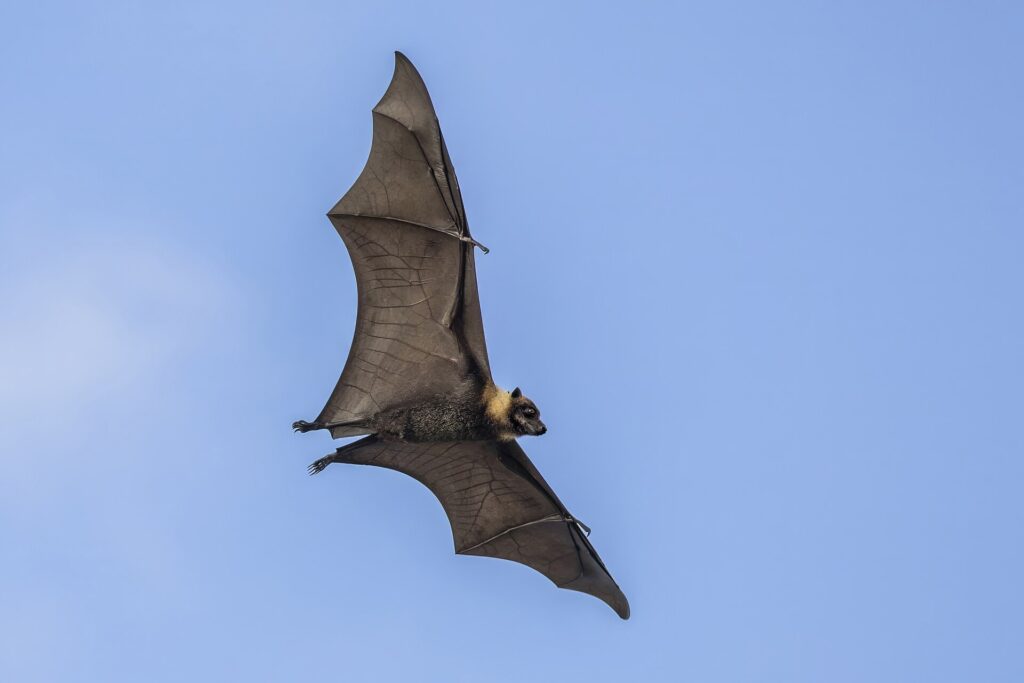
Flying foxes are among the world’s most important pollinators and seed dispersers, flying up to 50 km or more in a night and spreading seeds across whole landscapes.
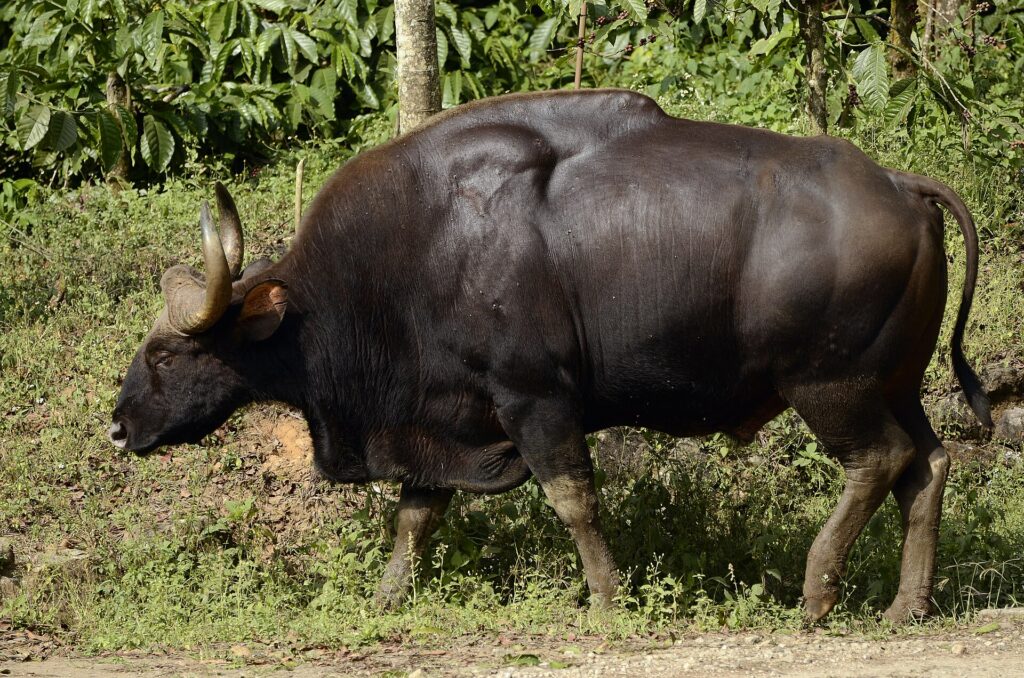
The gaur is the largest wild cattle species on Earth, with bulls weighing up to about 1.5 tonnes.
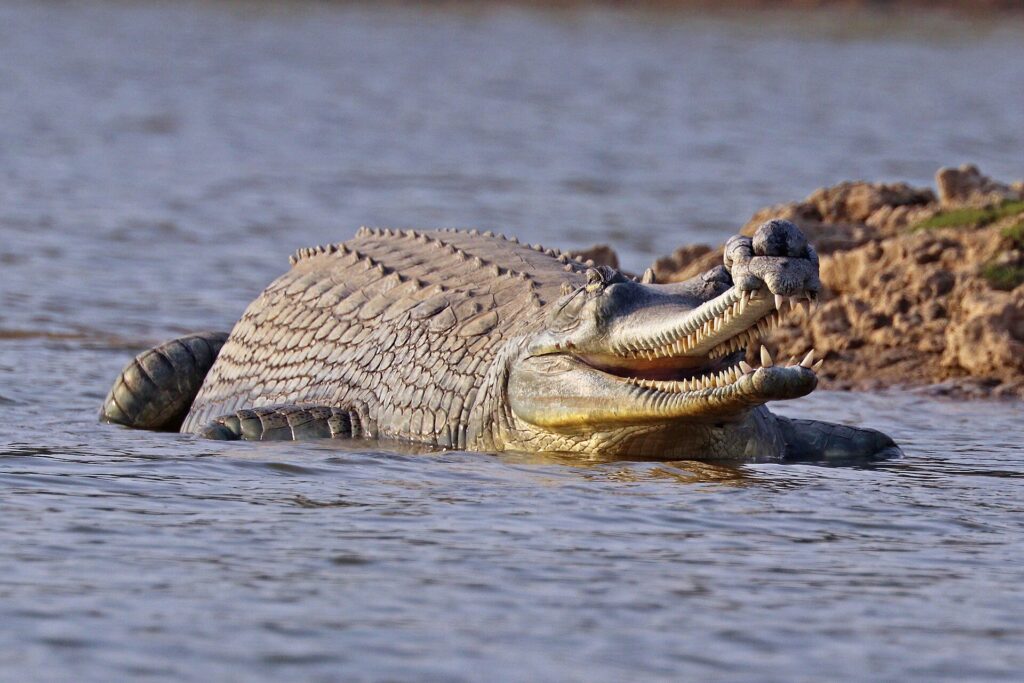
Adult male gharials grow a bulbous knob on the tip of the snout, called a ghara after an Indian clay pot, which they use to make buzzing sounds.
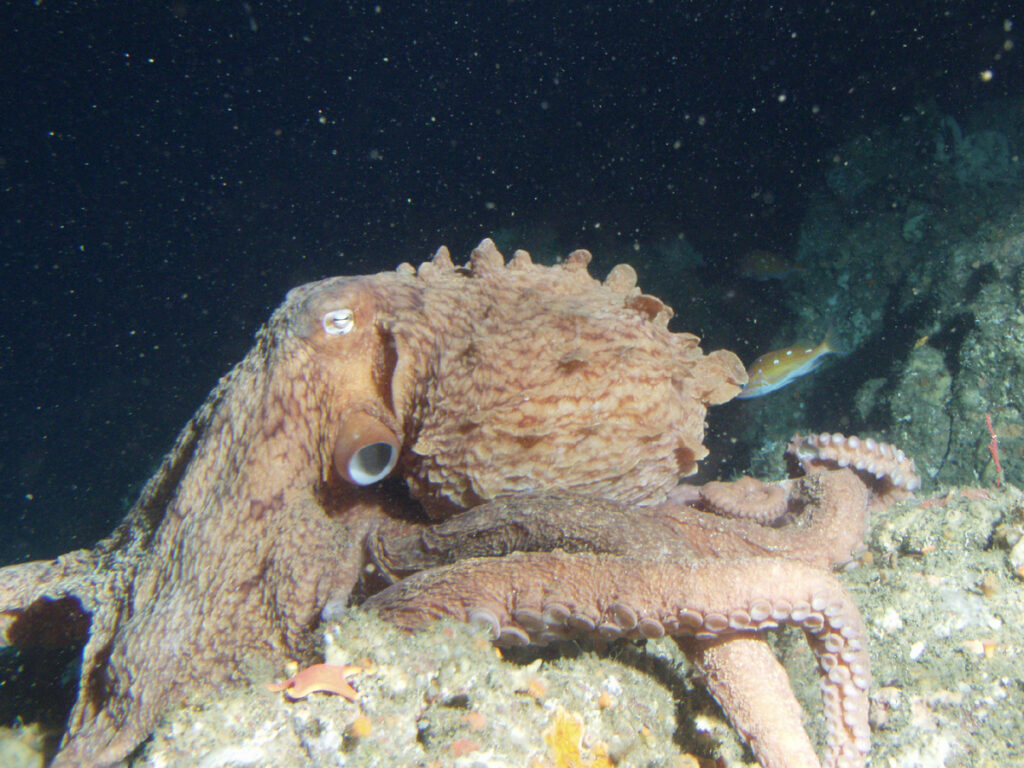
Giant Pacific octopuses can recognise individual people: in one aquarium study, they treated keepers differently depending on who had fed or teased them.
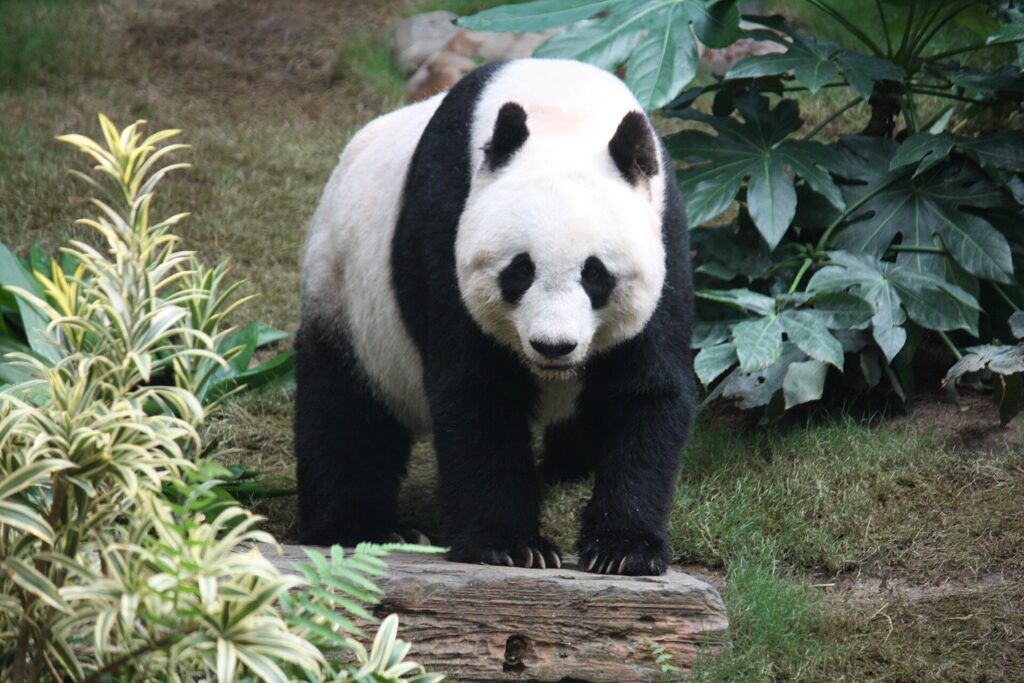
A giant panda has an extended wrist bone that works like a thumb, helping it grip bamboo stems.
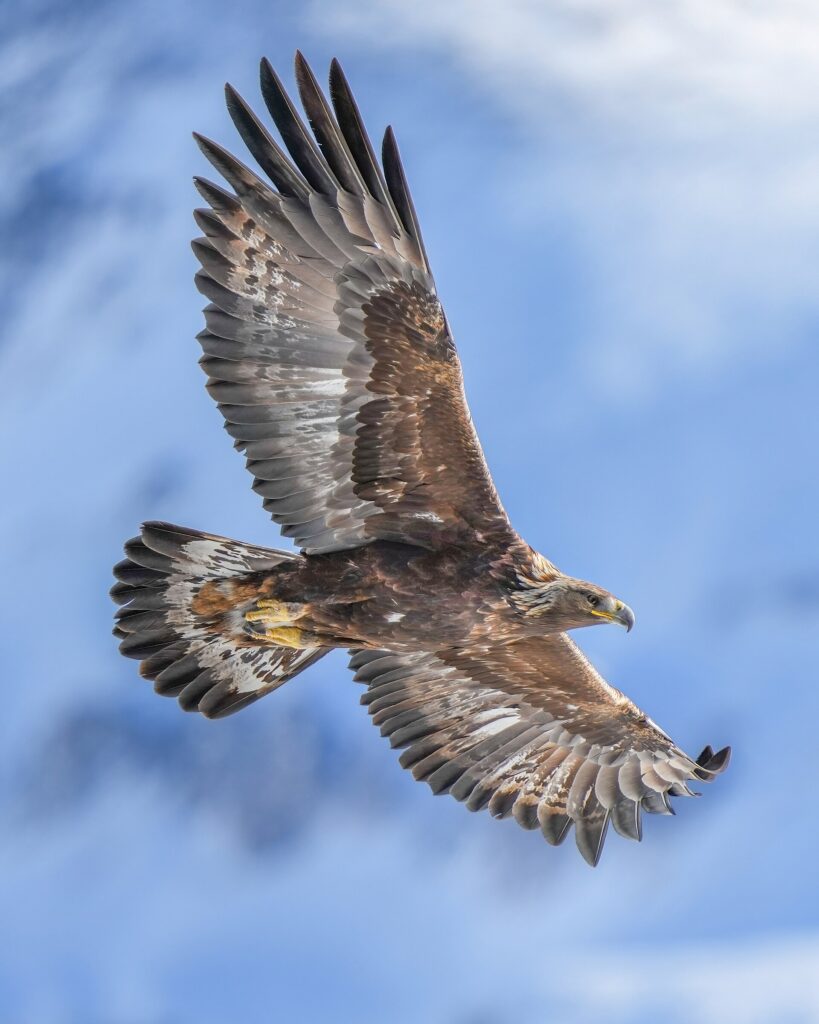
In the mountains of Mongolia and Kazakhstan, eagle hunters have trained golden eagles for centuries to hunt foxes and even wolves.
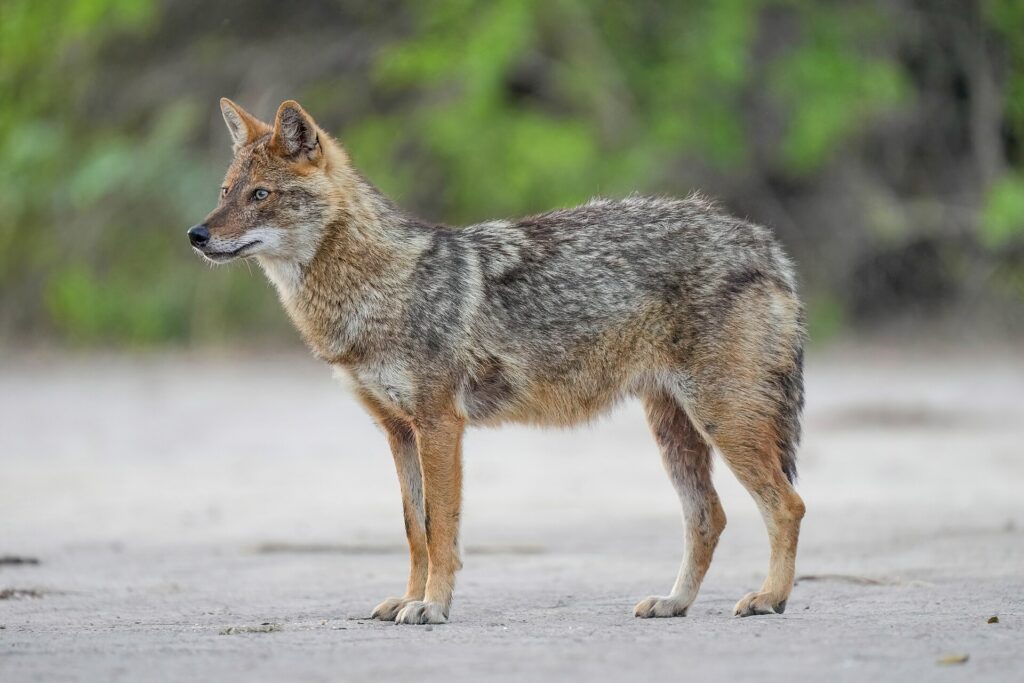
Golden jackals are spreading rapidly across Europe and have reached as far as the Netherlands, Denmark and the Baltic states.
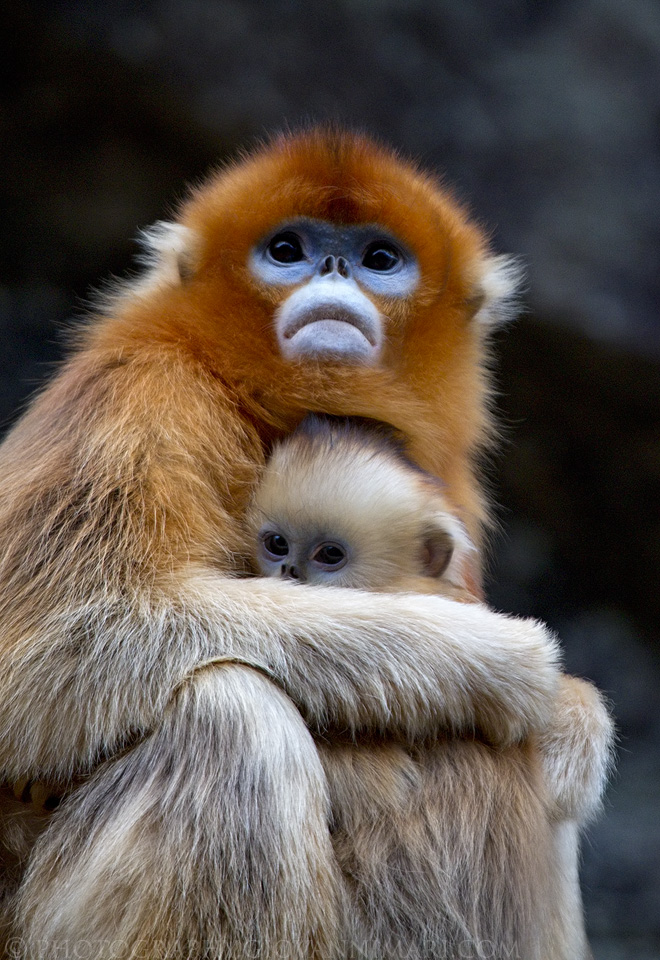
Golden snub-nosed monkeys live in snowy mountain forests and survive winter mainly by eating lichens.
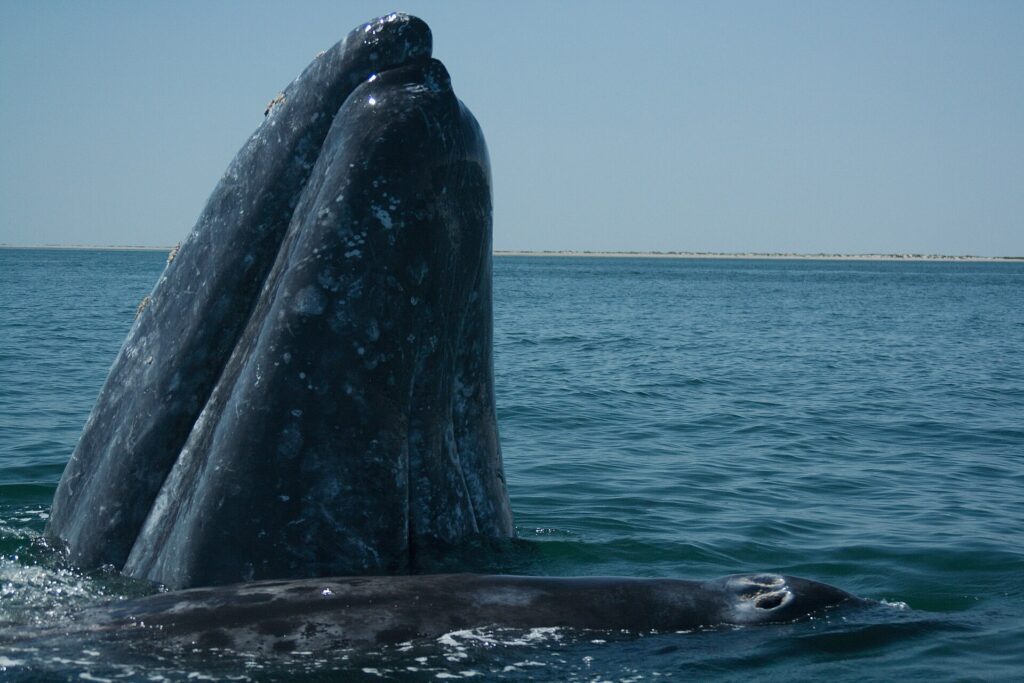
A female gray whale tracked by satellite swam about 22,500 km in a single round trip, one of the longest migrations recorded for any mammal.
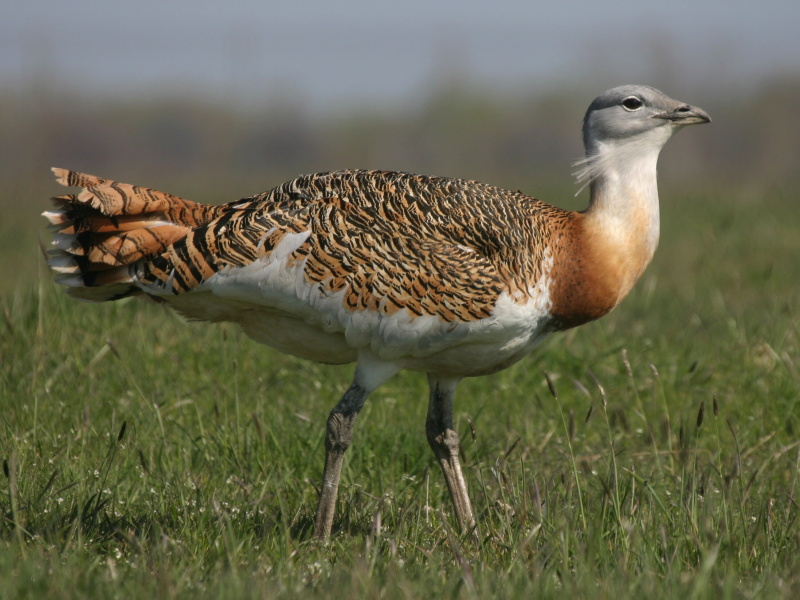
The male great bustard is one of the heaviest flying birds in the world, and in spring he puffs up into a white ‘foam bath’ display that makes him look like a giant feather ball.
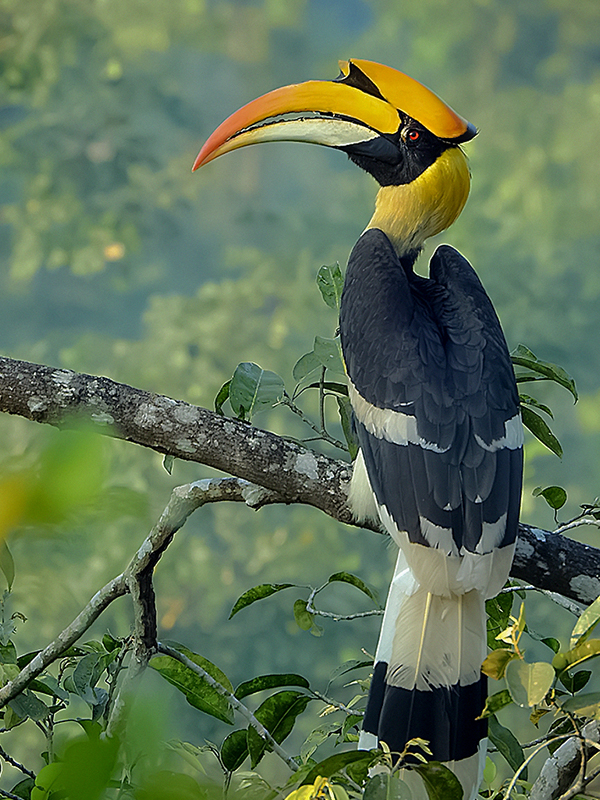
The female seals herself into a tree-hole nest with mud and droppings, leaving only a slit through which the male feeds her and the chick for months.
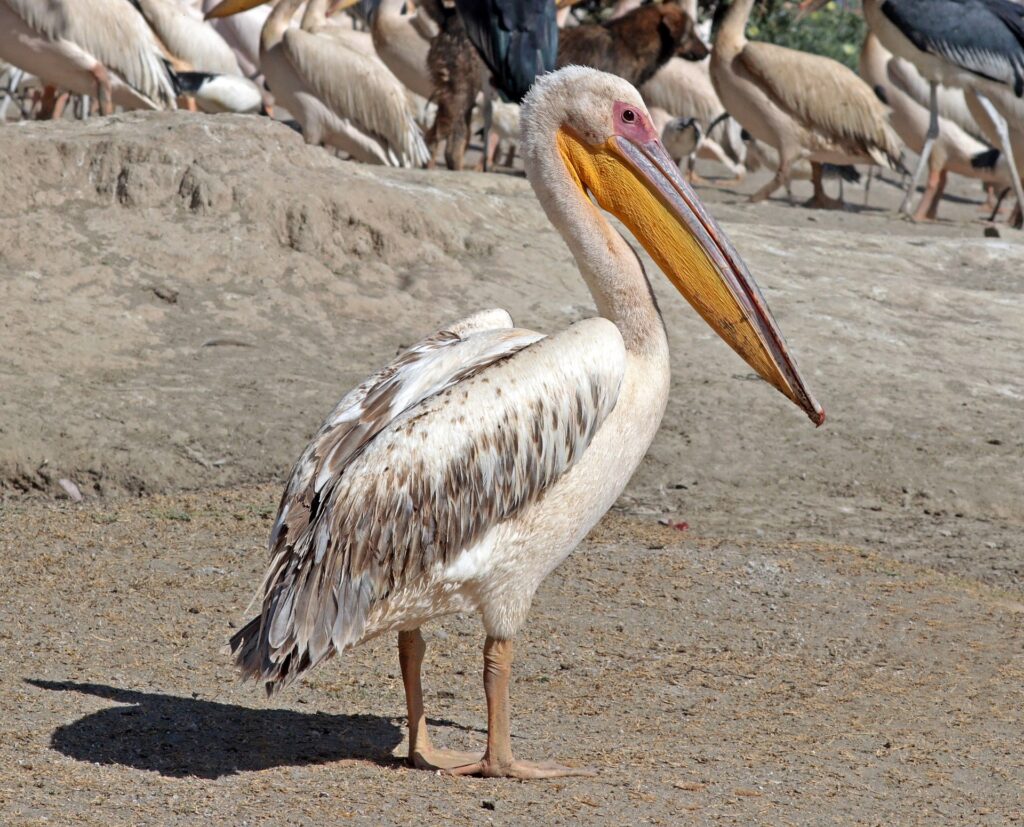
Great white pelicans fish as a team, swimming in a horseshoe formation to herd fish into shallow water before scooping them up together.
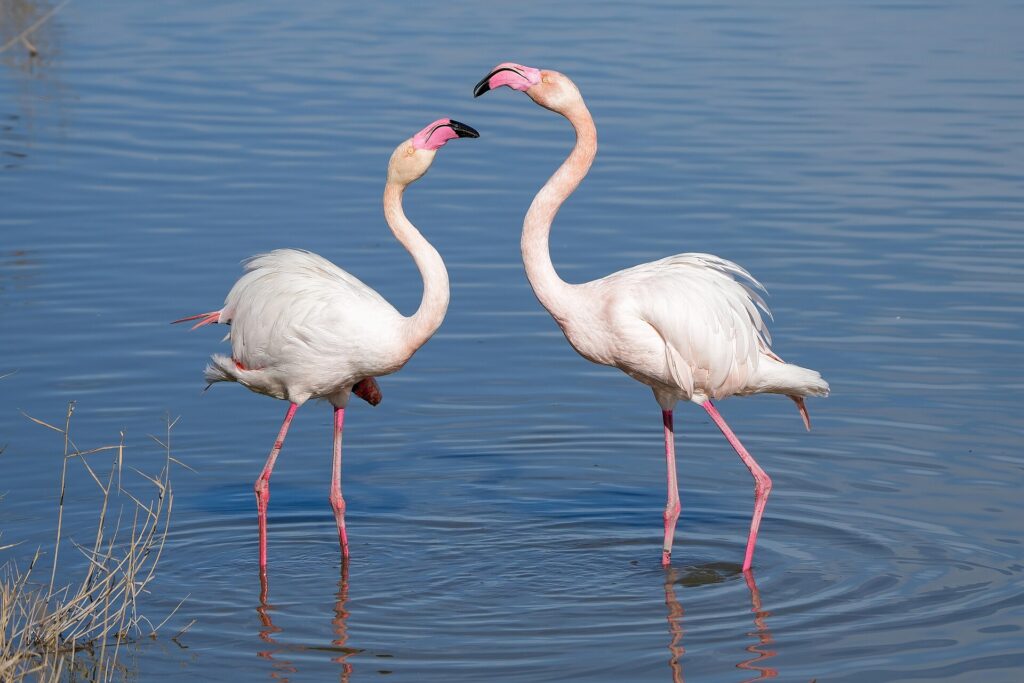
Flamingos are pink because of carotenoid pigments in the algae and shrimp they eat; chicks are born grey and white.
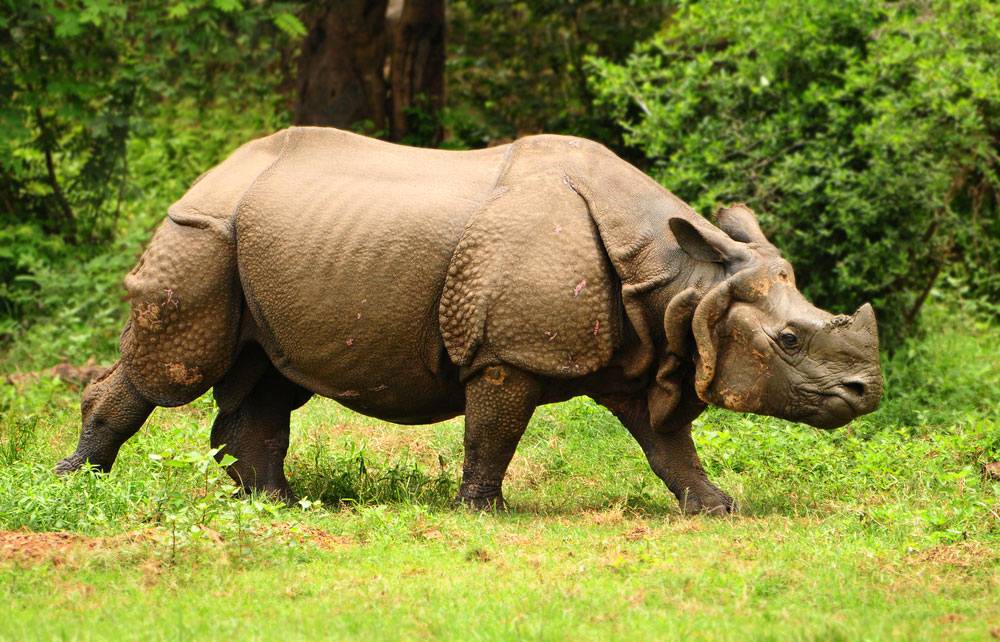
Numbers have risen from fewer than 200 in the early twentieth century to more than 4,000 today, one of Asia’s greatest conservation recoveries.
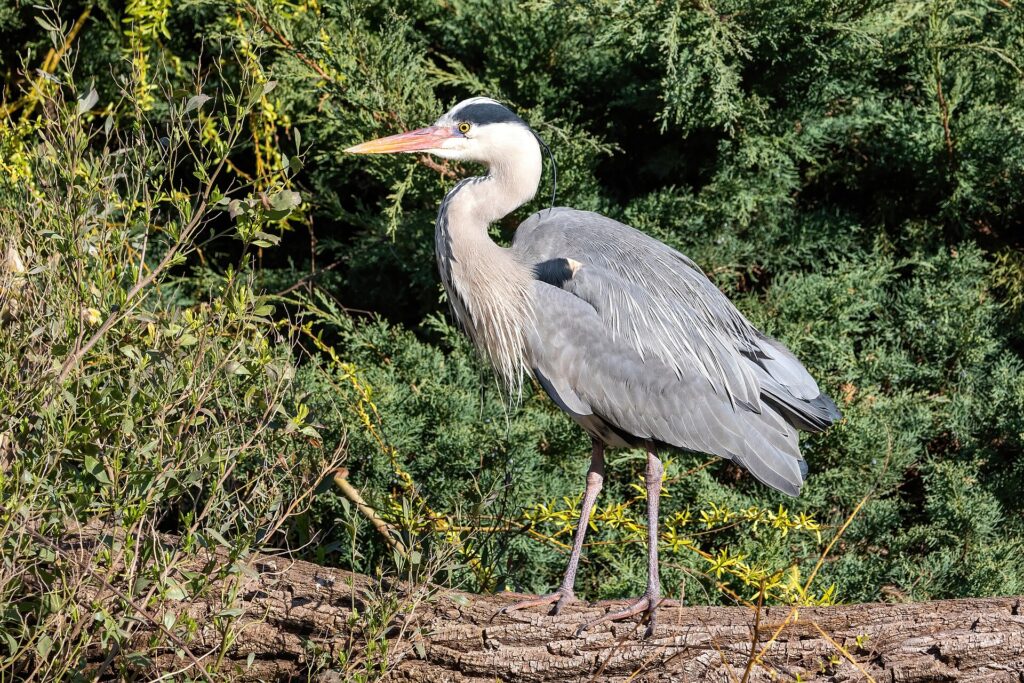
Britain’s Heronries Census has counted nesting grey herons since 1928, making it the longest-running census of breeding birds in the world.
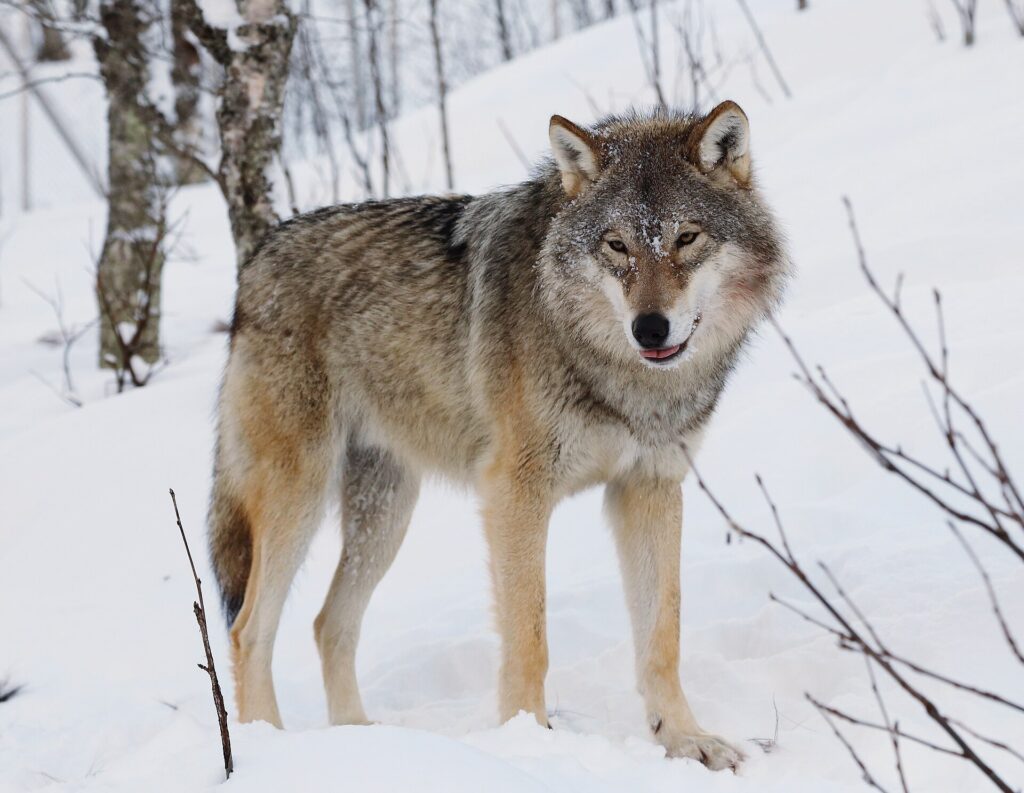
A wolf pack can travel over 50 km in a day, and dispersing young wolves have walked more than 1,000 km to find new territories.
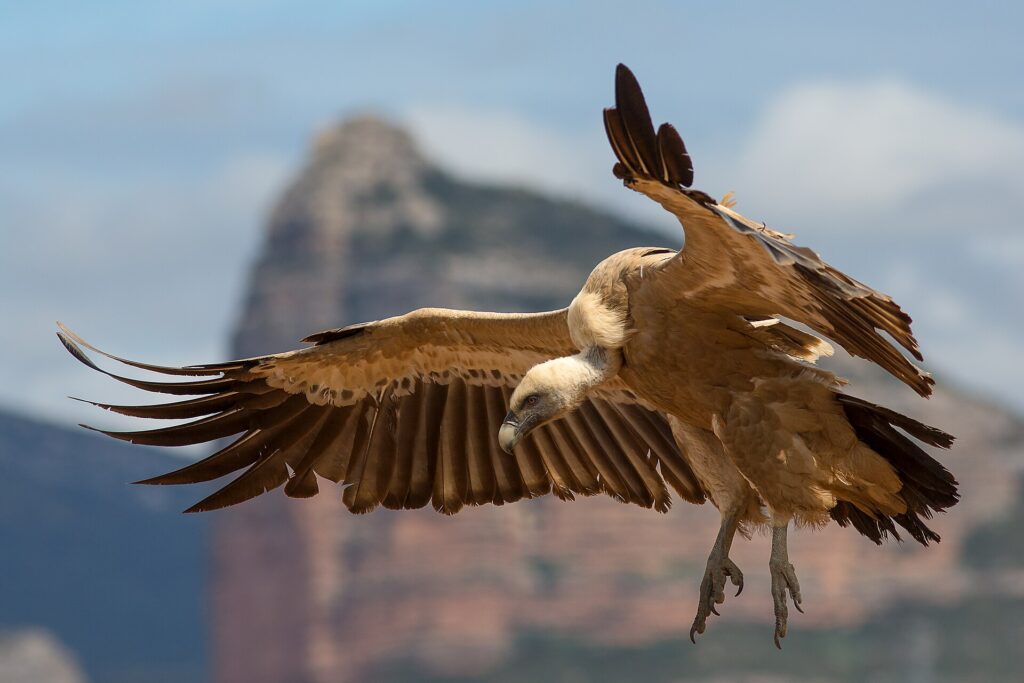
Griffon vultures can soar for hours on rising warm air without flapping, scanning huge areas for carcasses.
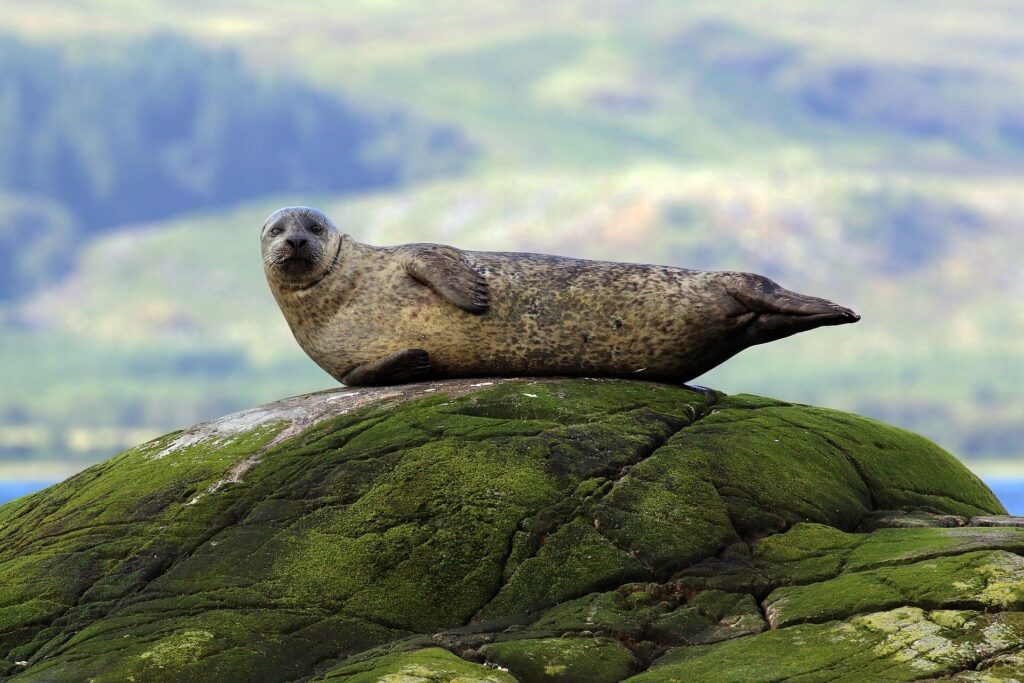
Harbor seals can follow the invisible water trail left by a fish using only their whiskers, even when the trail is over half a minute old.
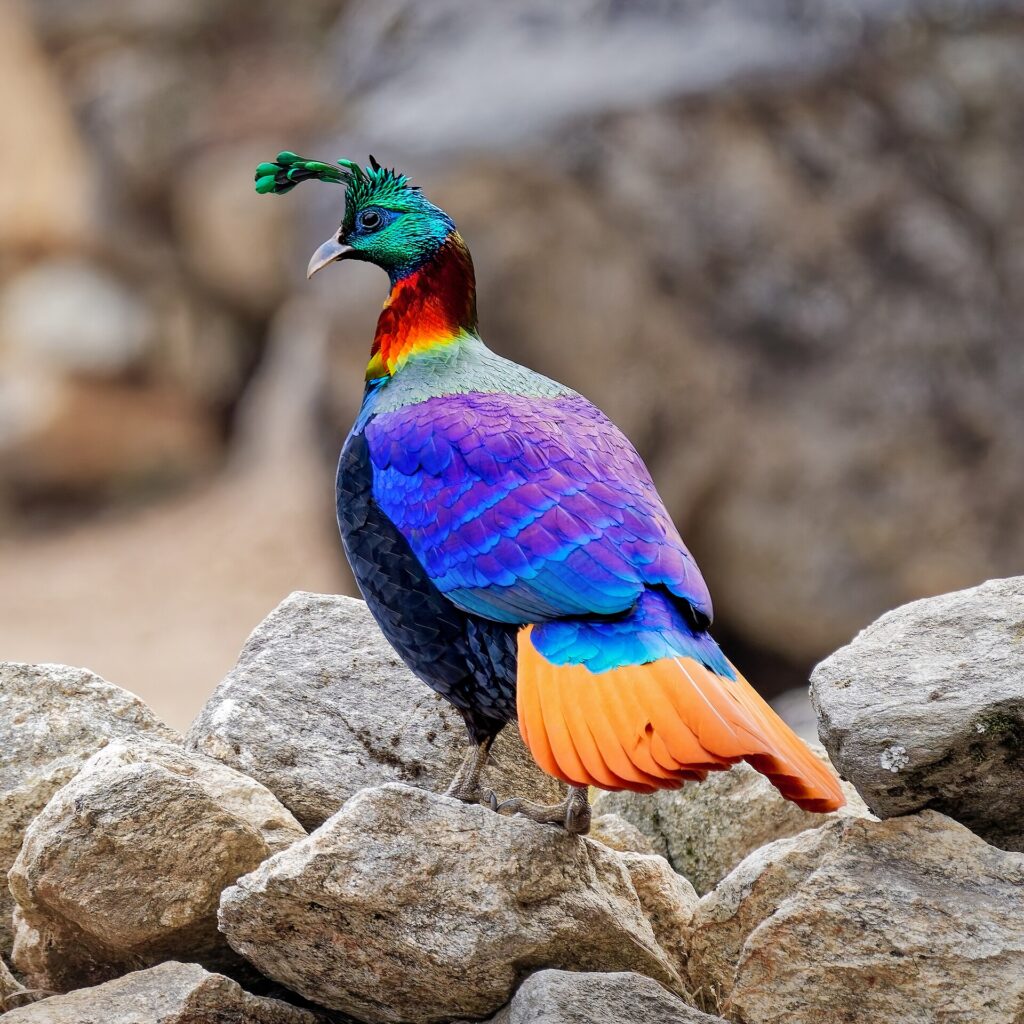
The male Himalayan monal shimmers with iridescent green, purple, copper and blue, and is Nepal’s national bird, known locally as the Danphe.
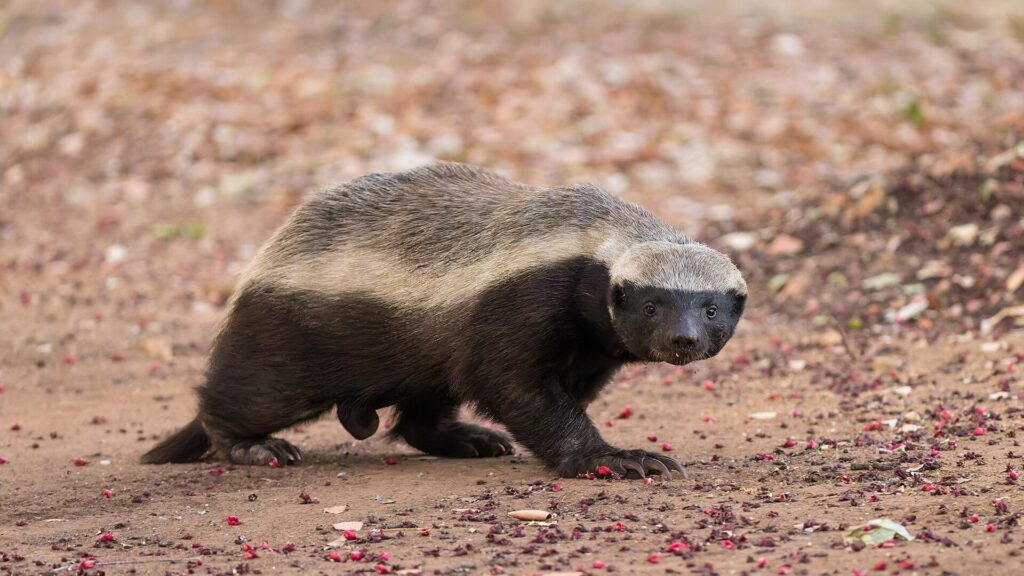
The honey badger’s skin is so thick and loose that it can twist around inside it to bite an attacker that has grabbed it.
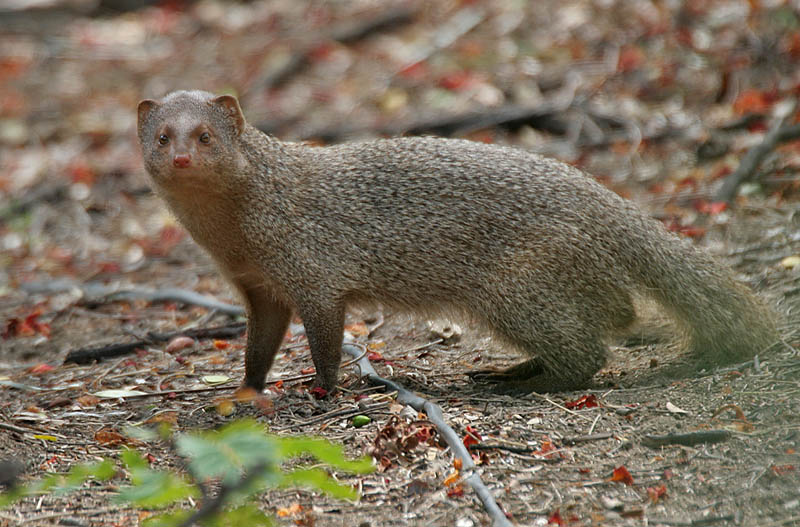
The Indian grey mongoose is famous for fighting cobras, relying on speed, thick fur and partial resistance to snake venom.
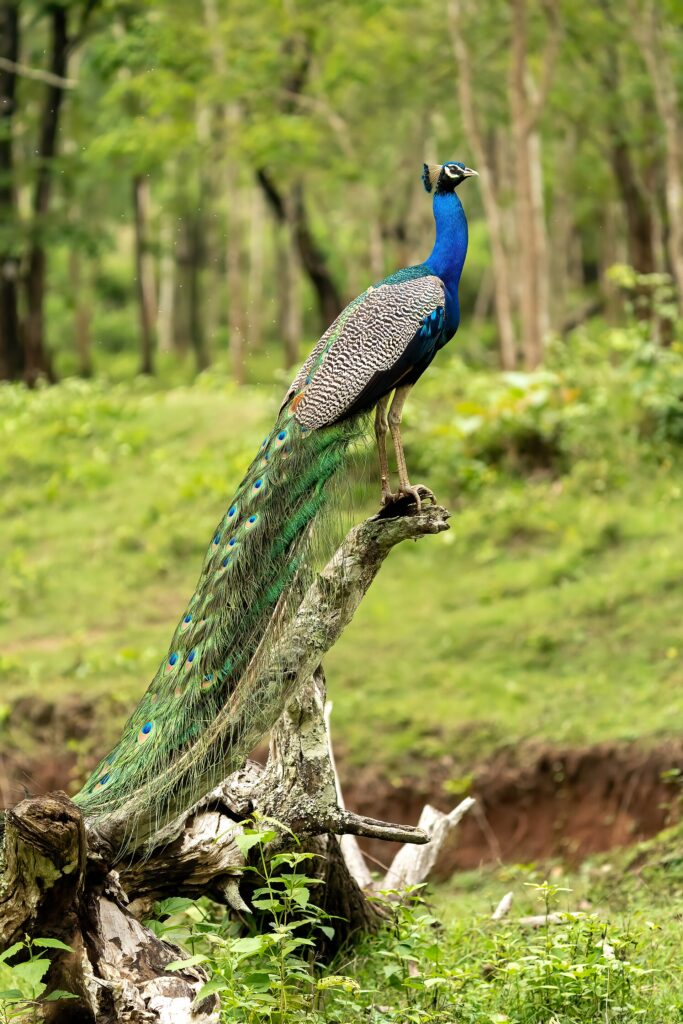
A peacock’s famous ‘tail’ is actually a train of about 200 elongated feathers growing from the lower back, and it is shed and regrown every year.
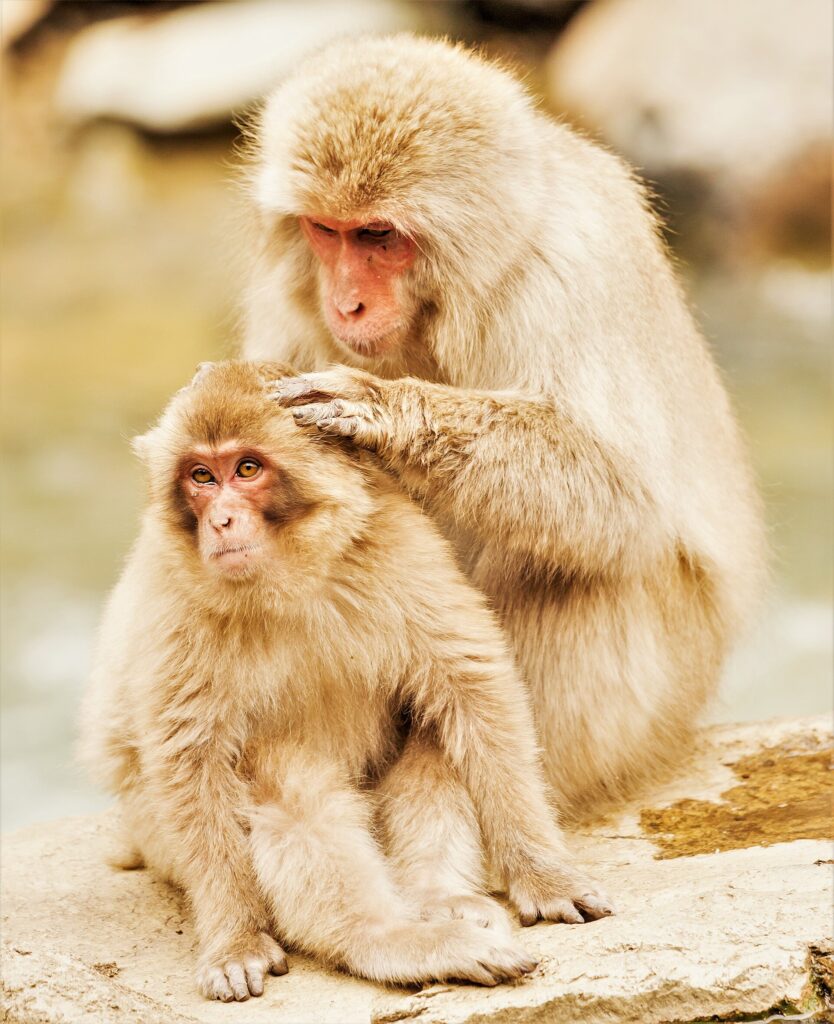
The famous ‘snow monkeys’ of Jigokudani bathe in hot springs in winter, and studies show bathing lowers their stress hormones.