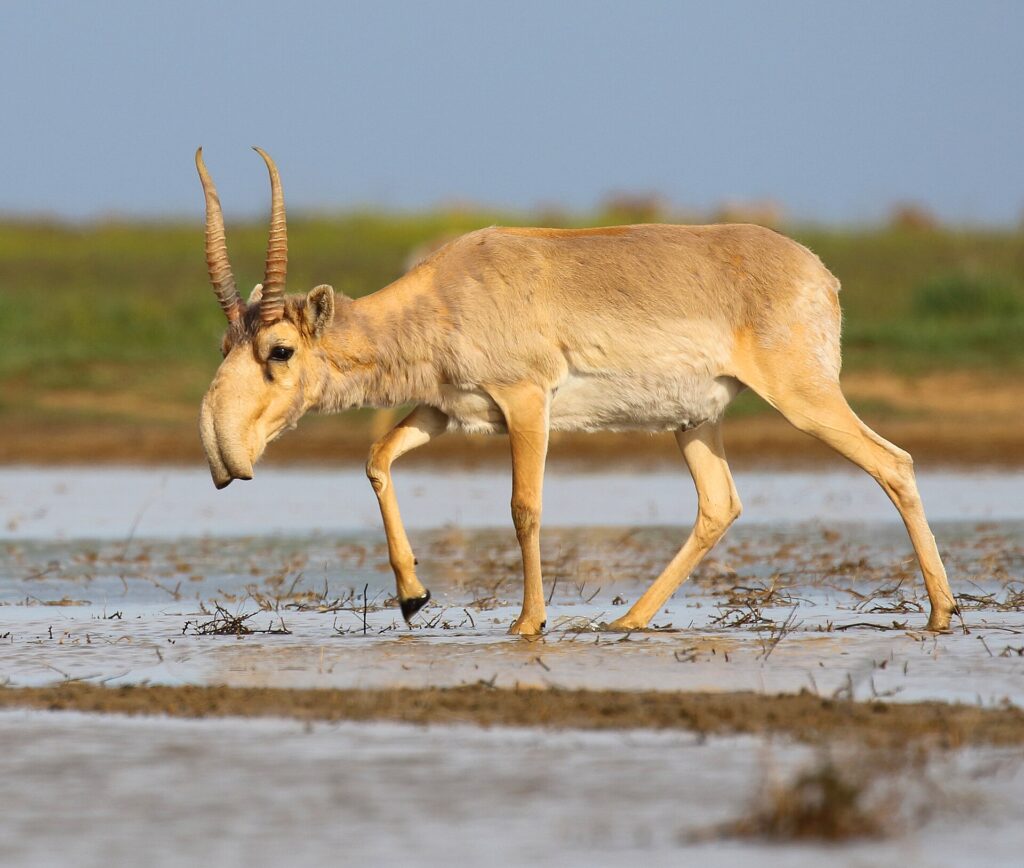
Saiga Antelope
The saiga’s large, bulbous nose filters dust from the air in summer and warms freezing air before it reaches the lungs in winter.
The saiga’s large, bulbous nose filters dust from the air in summer and warms freezing air before it reaches the lungs in winter.
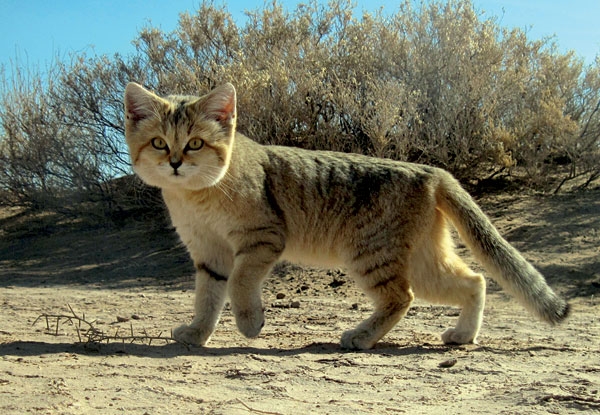
The sand cat can survive without drinking water, getting all the moisture it needs from its prey.
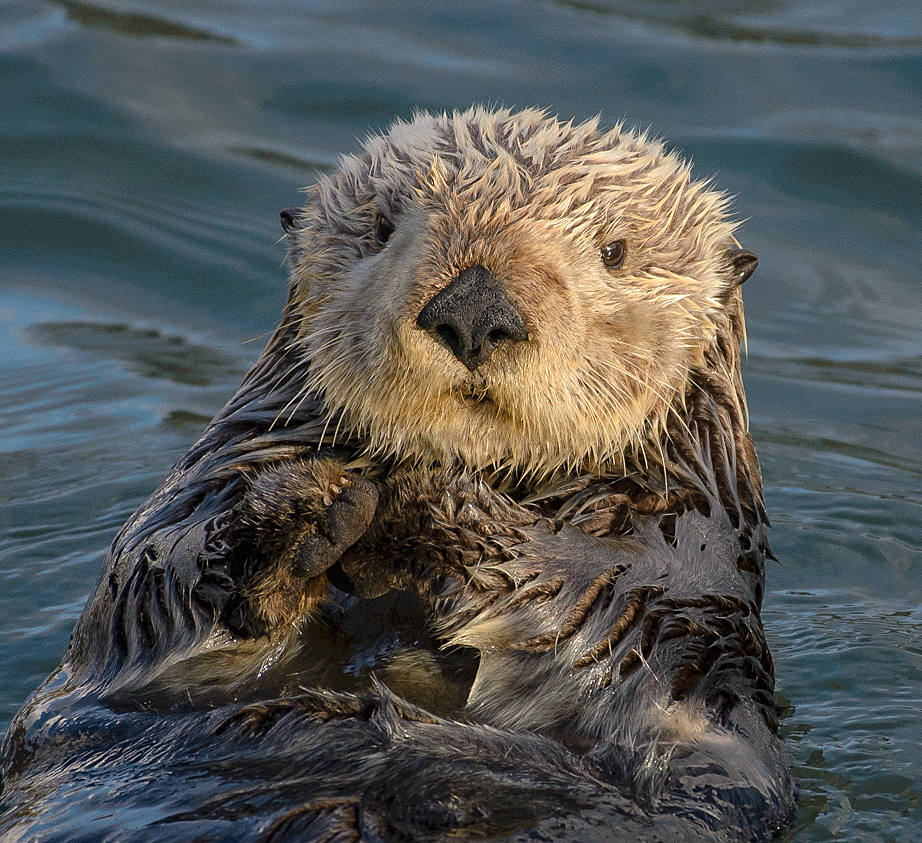
Sea otters have the densest fur of any animal, up to about a million hairs per square inch, which keeps them warm without blubber.
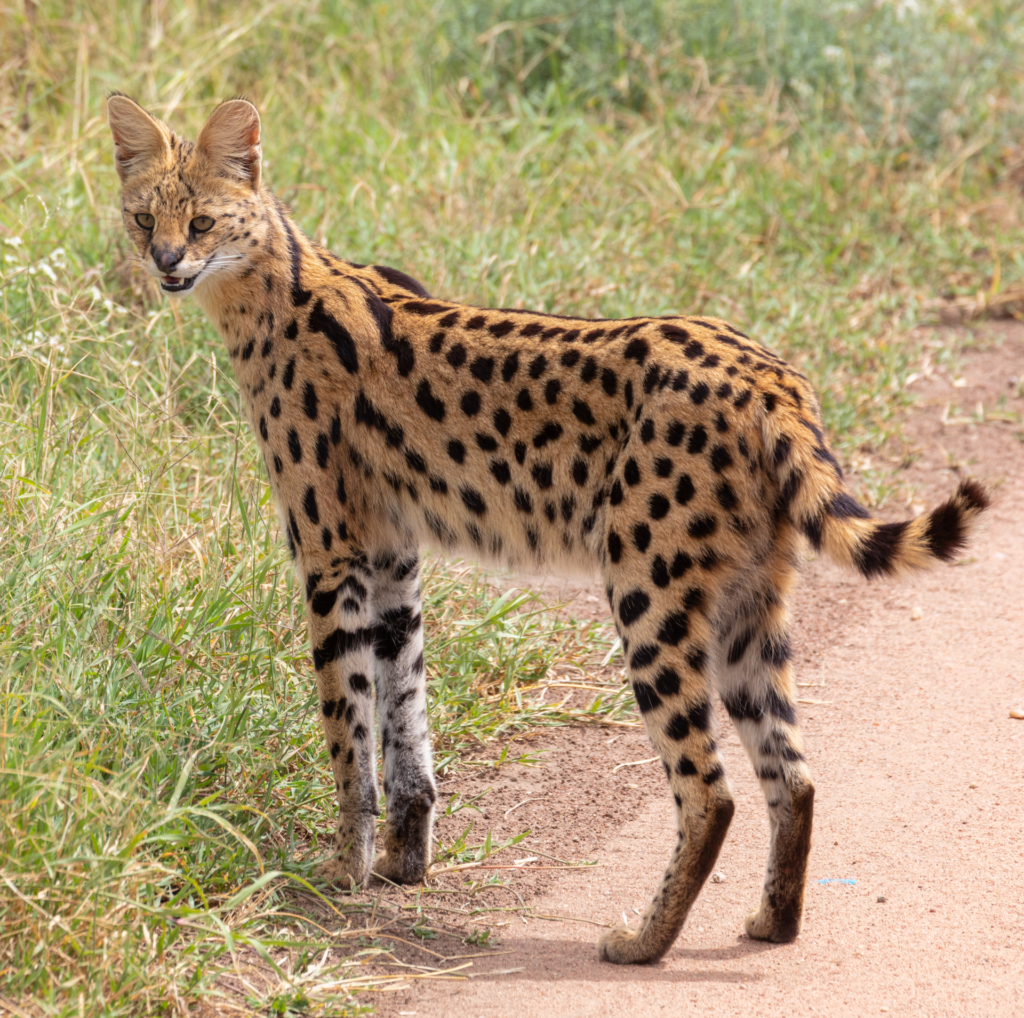
The serval is one of the most successful hunters among cats: in some studies, around half of its pounces end in a catch.
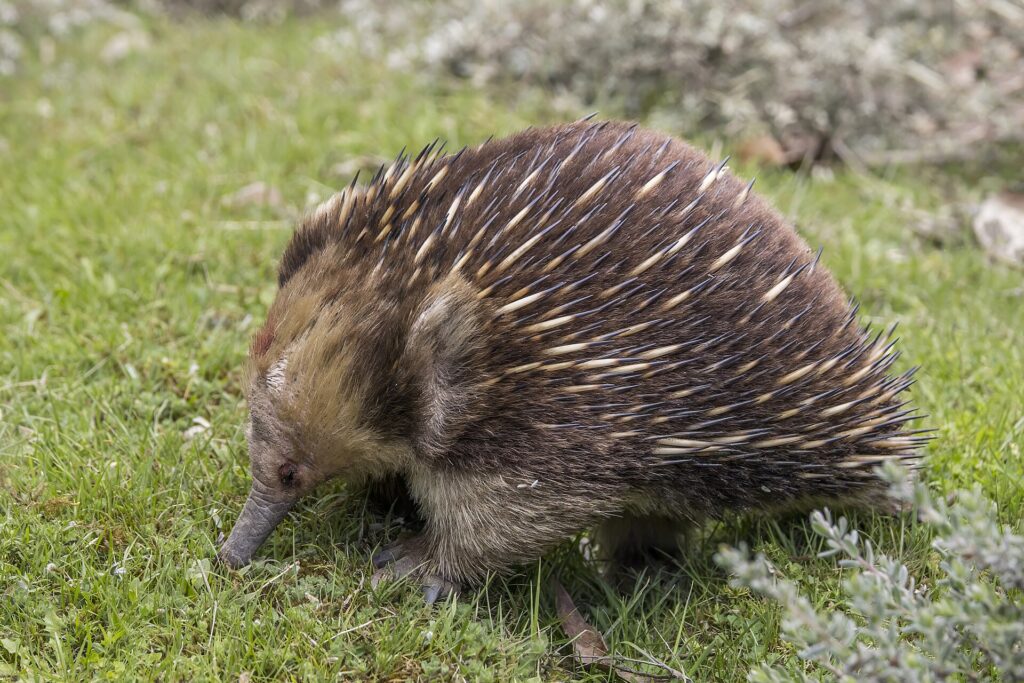
The echidna is one of only a few mammals that lay eggs: the female lays a single leathery egg directly into her pouch.
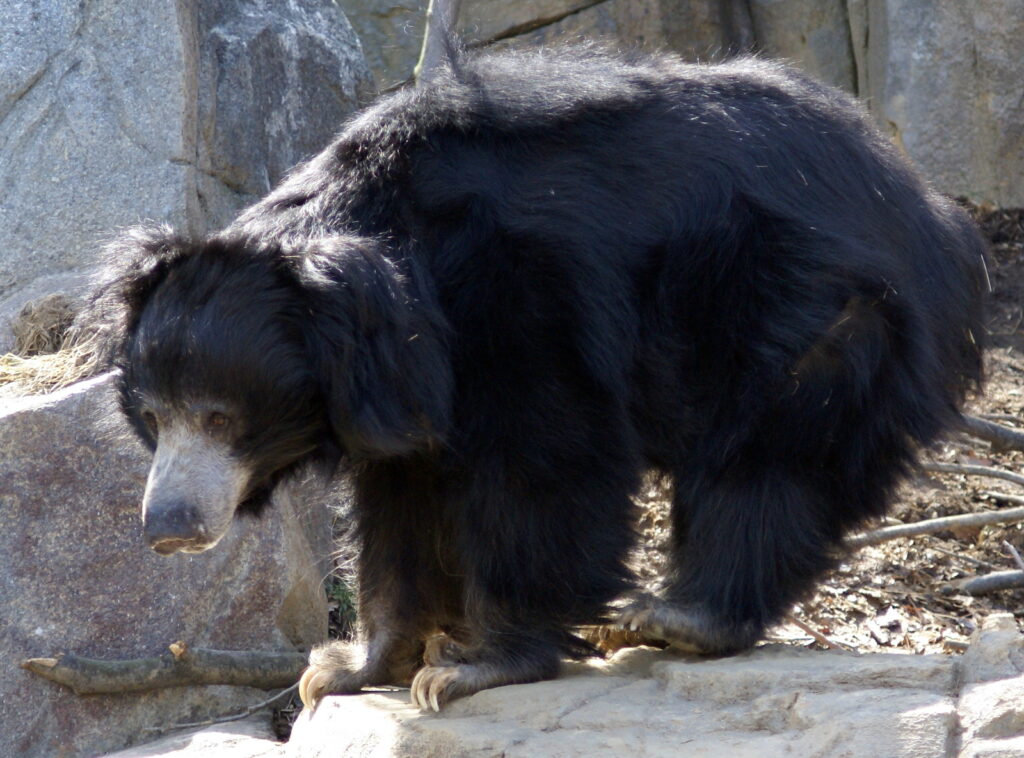
Sloth bears suck up termites like a vacuum cleaner, blowing away soil and sucking in insects so loudly that they can be heard over 100 metres away.
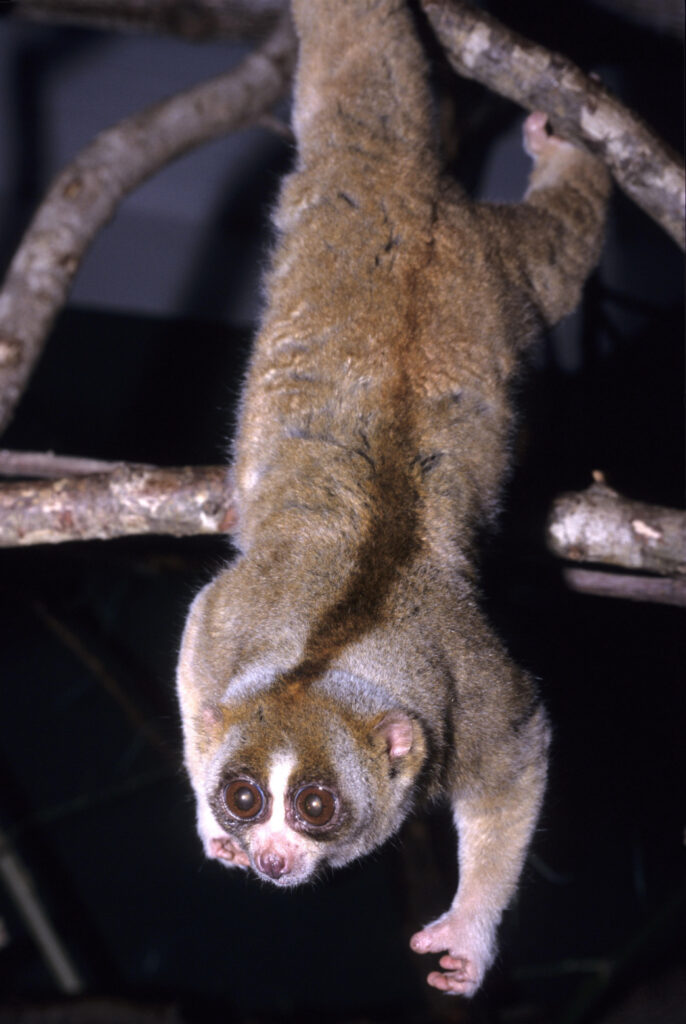
Slow lorises are the only venomous primates: they lick a gland on their upper arm and mix its secretion with saliva, producing a painful and sometimes dangerous bite.
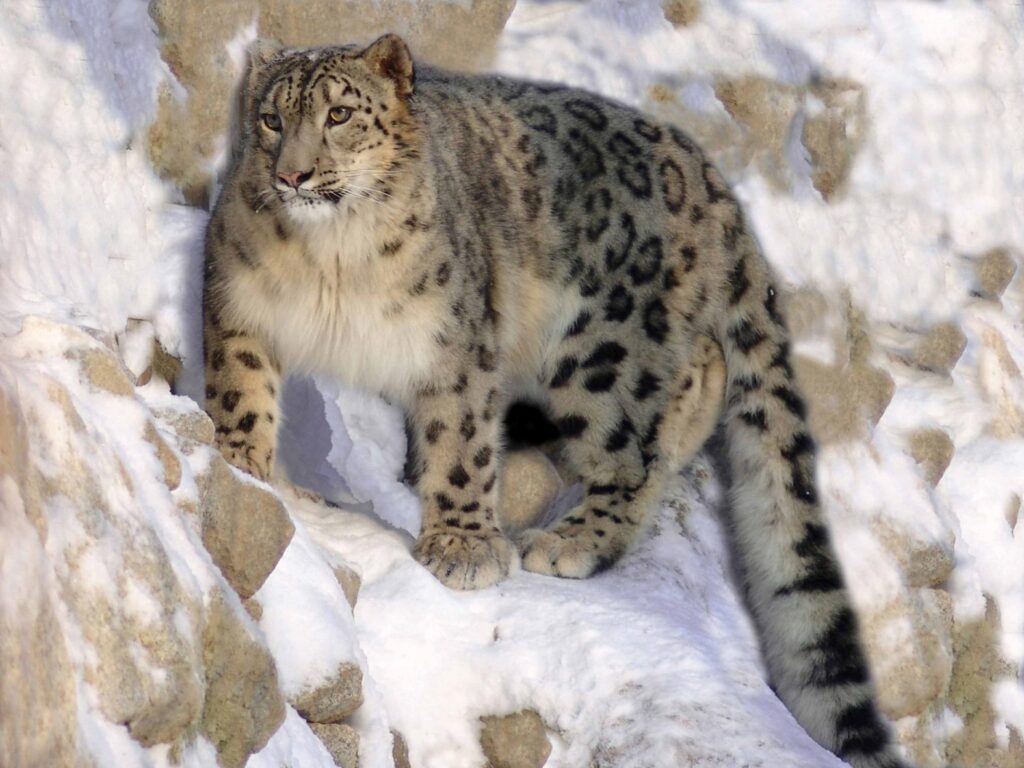
A snow leopard can leap up to about 15 m in a single bound, using its long tail for balance on steep cliffs.
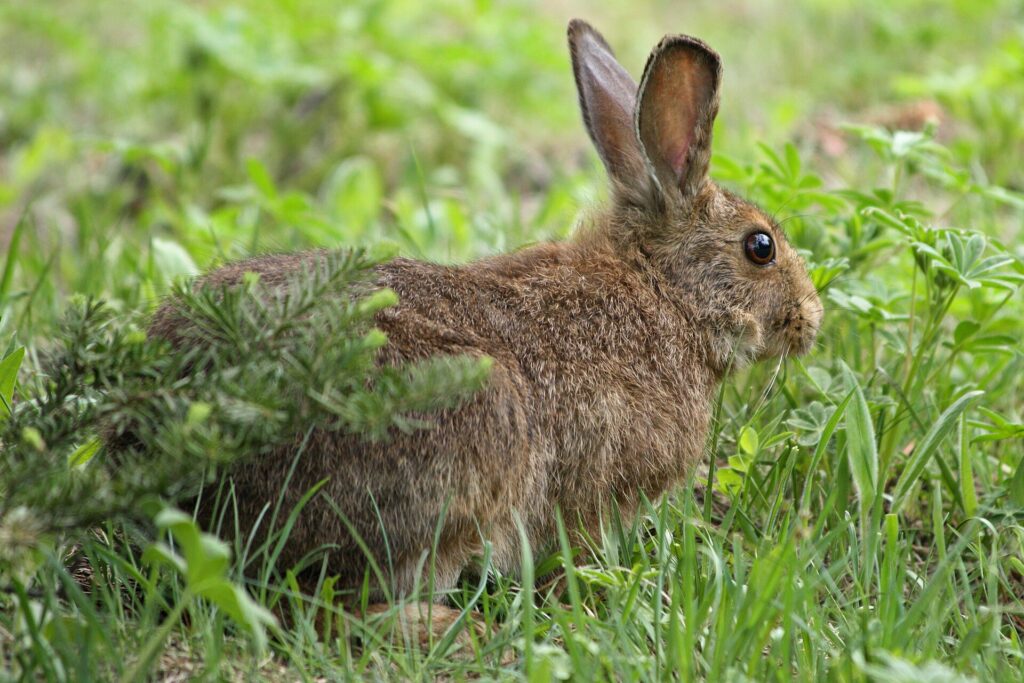
Snowshoe hares turn white in winter and brown in summer, but as snow seasons shorten, many are now white on brown ground, where predators can easily spot them.
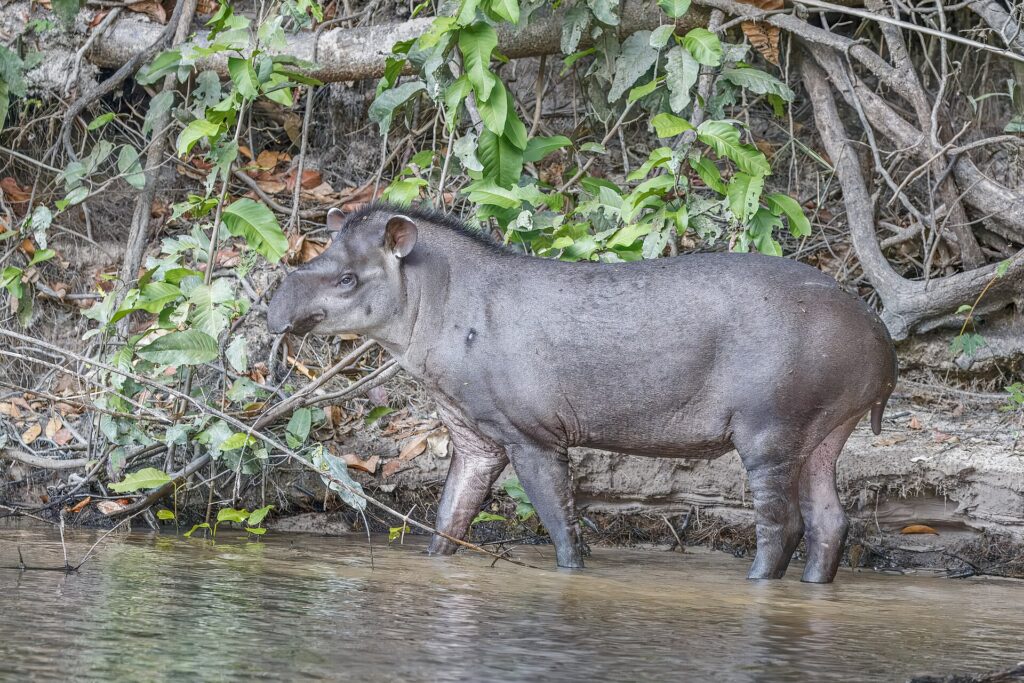
The South American tapir is called the ‘gardener of the forest’ because it swallows fruit and spreads the seeds far and wide in its dung.
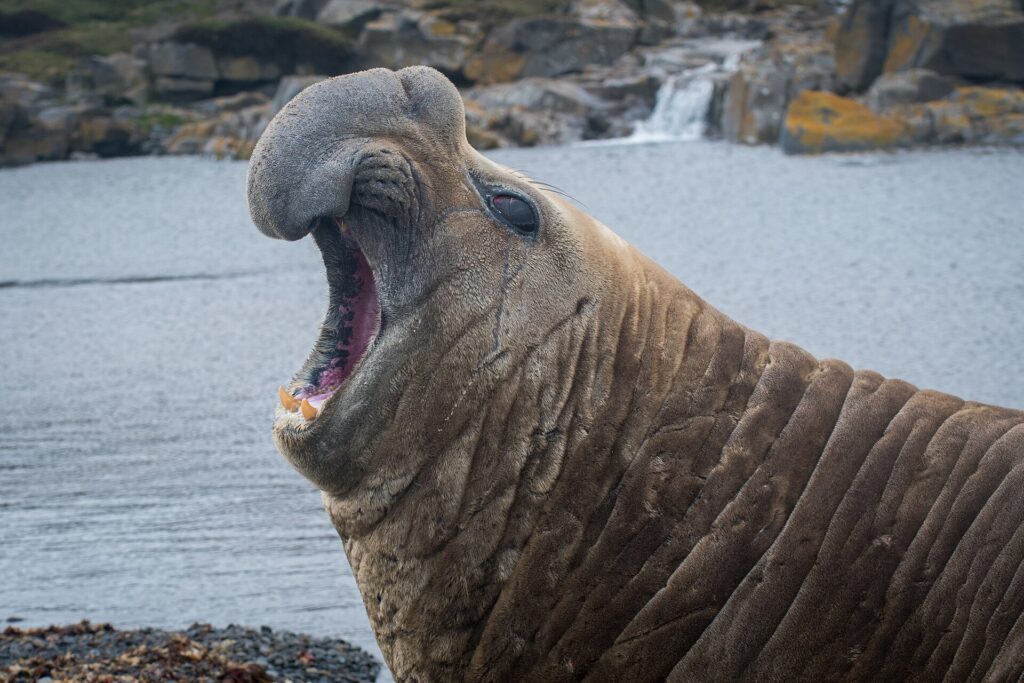
Southern elephant seals can dive deeper than 2,000 metres and stay underwater for up to about two hours.
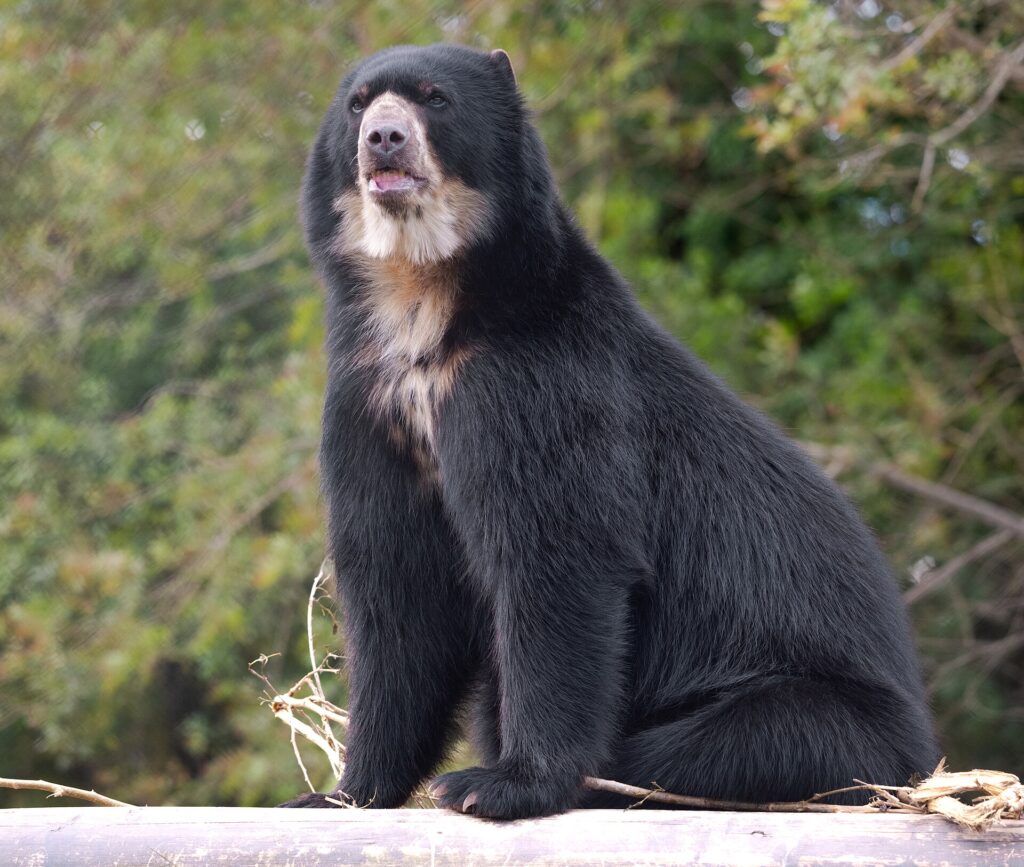
The spectacled bear is South America’s only bear and the last survivor of the short-faced bears, a group that once included giant Ice Age bears.
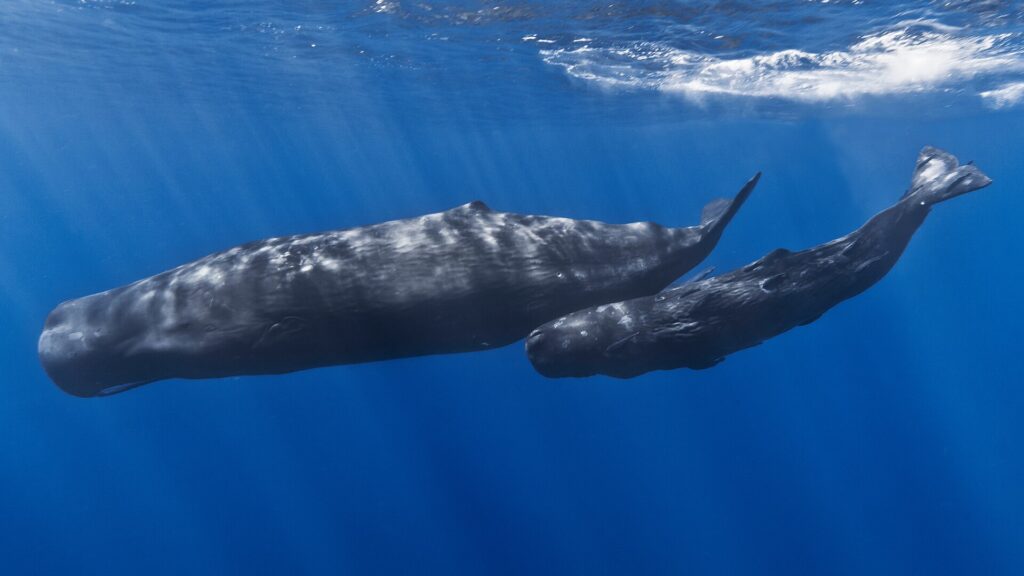
The sperm whale has the largest brain of any animal ever known, weighing about 8 kg, and makes the loudest sounds produced by any animal.
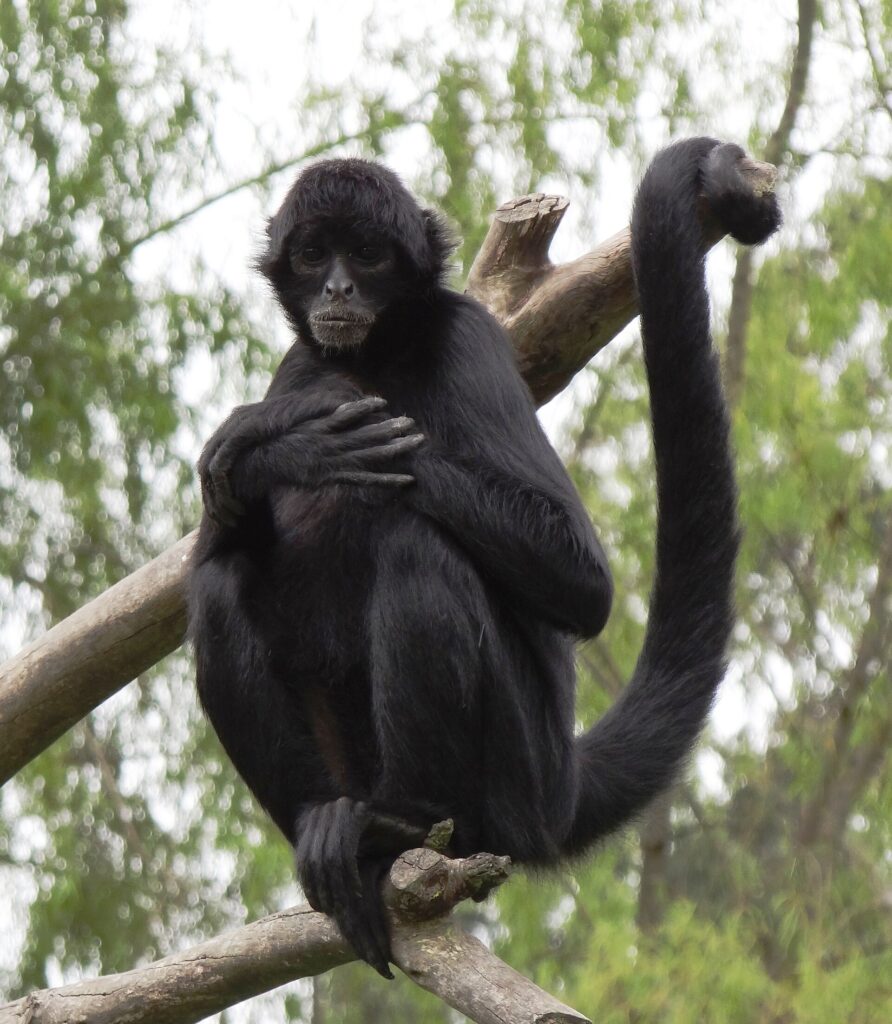
A spider monkey’s tail is like a fifth hand, with a bare, fingerprint-like patch on its underside that grips branches.
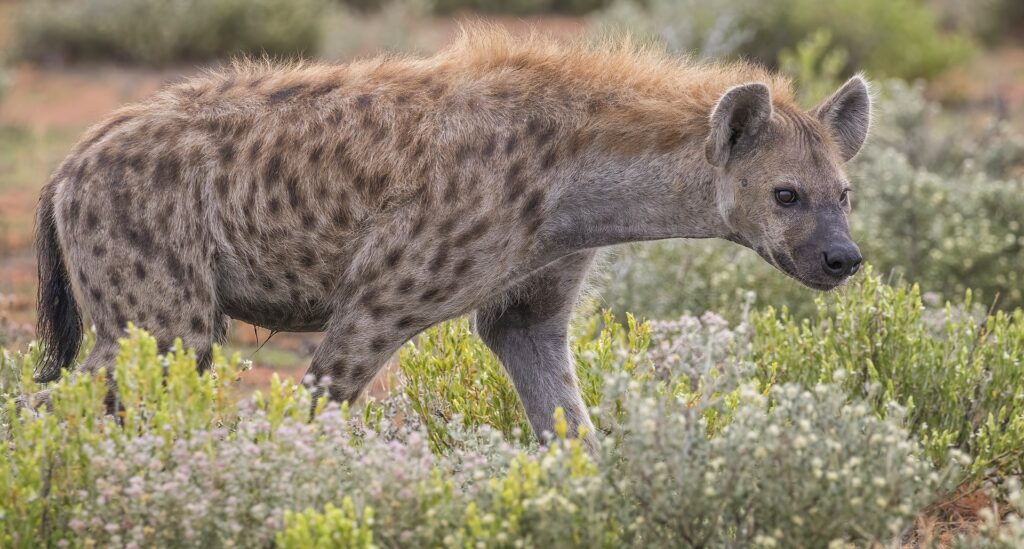
Spotted hyenas can crush and digest bone, and in many areas they kill most of their own food rather than scavenging.
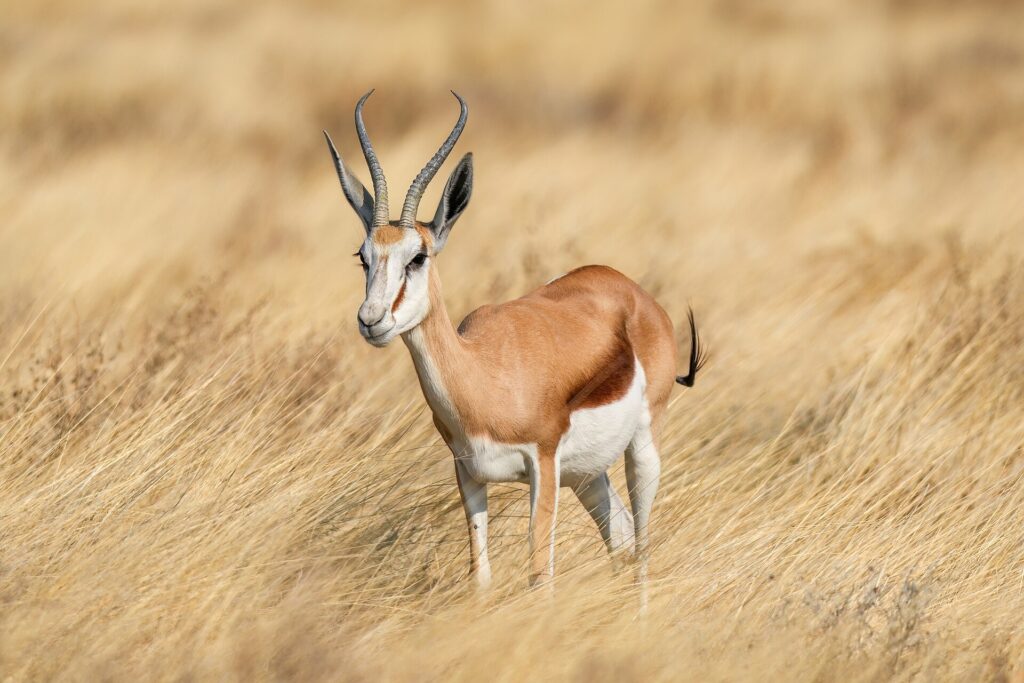
Springbok ‘pronk’, leaping high into the air with stiff legs and an arched back while flashing a crest of white hair along their spine.
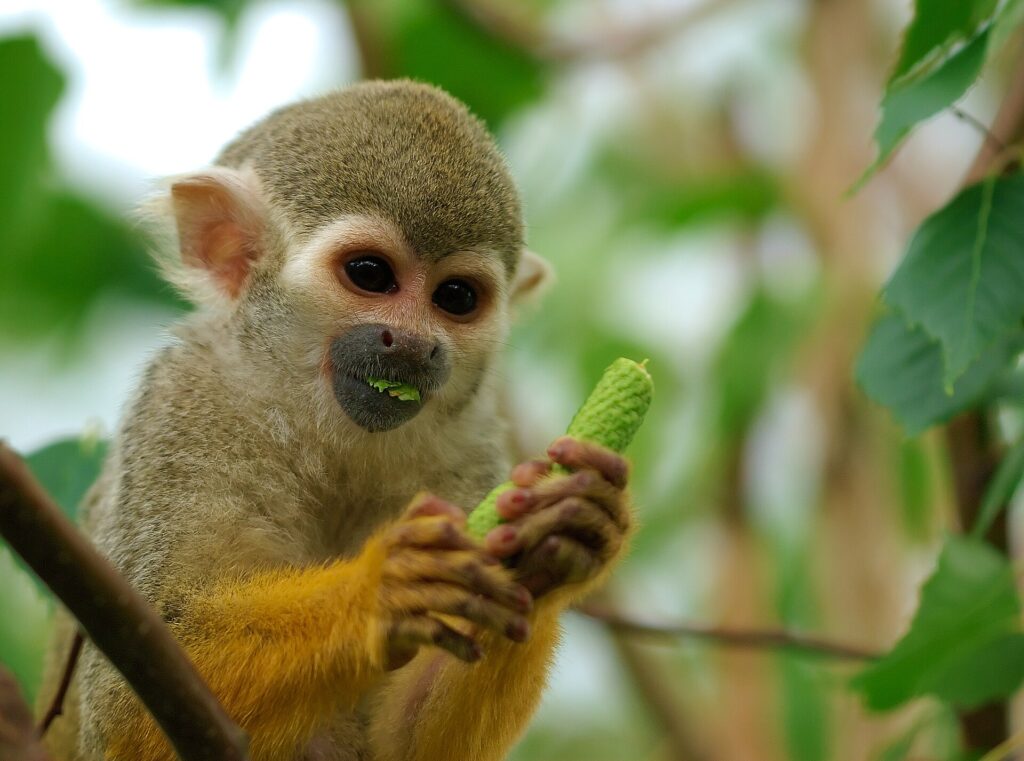
Squirrel monkeys have one of the largest brains relative to body size of any primate.
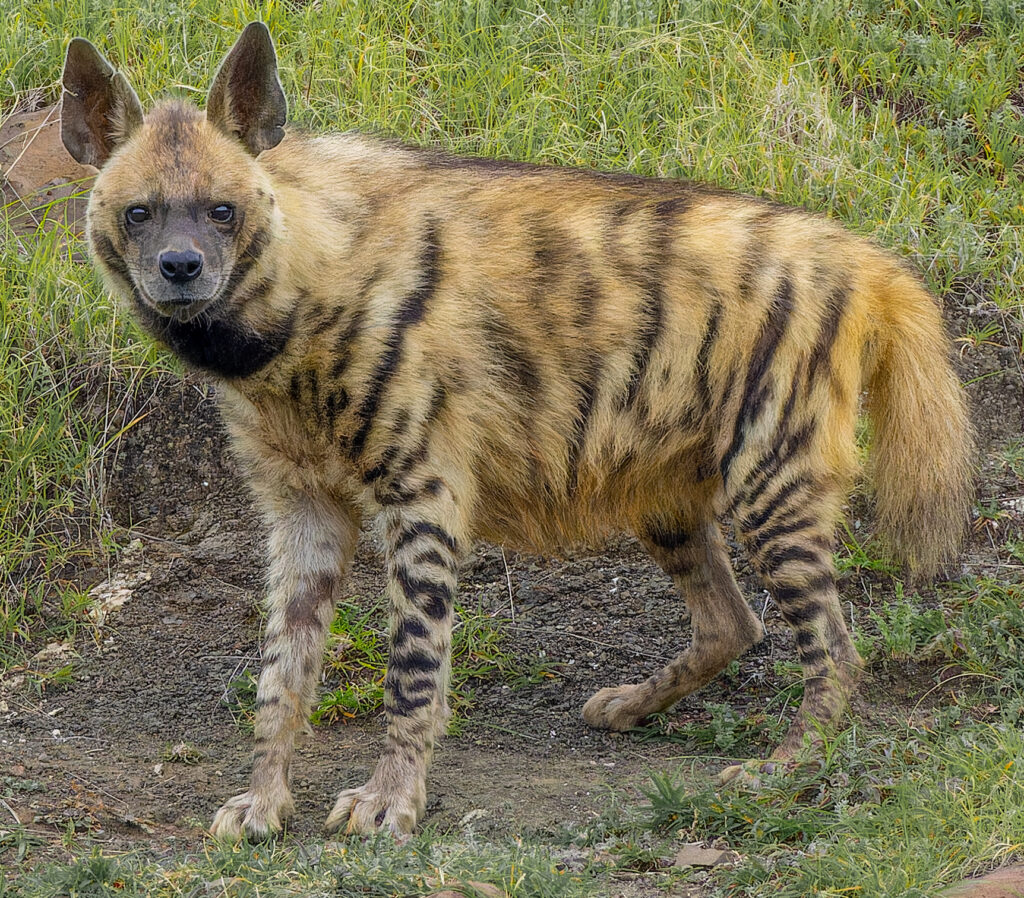
When threatened, the striped hyena raises a long mane along its back, making itself look much bigger.
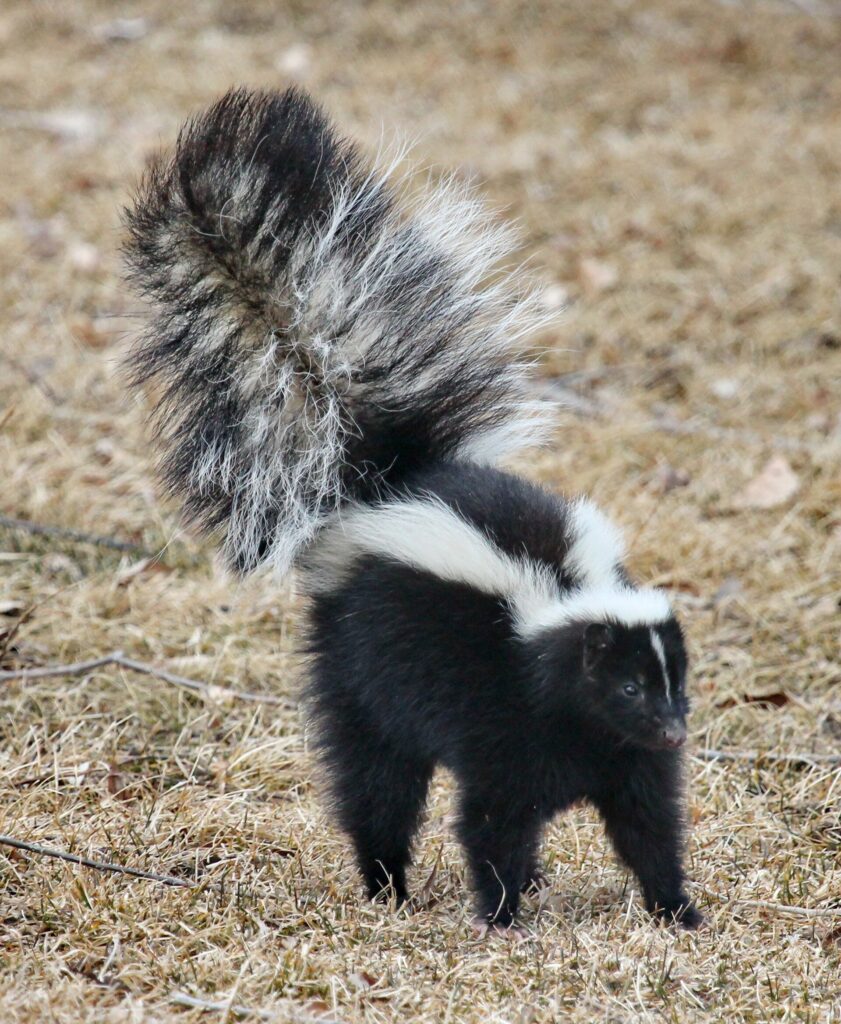
A striped skunk can spray a foul-smelling liquid accurately at attackers several metres away, and the smell can be detected more than a kilometre downwind.
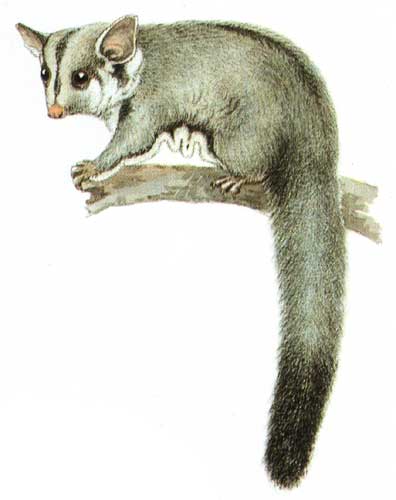
A sugar glider can glide up to about 50 metres between trees, using a thin membrane of skin stretched between its front and back legs.
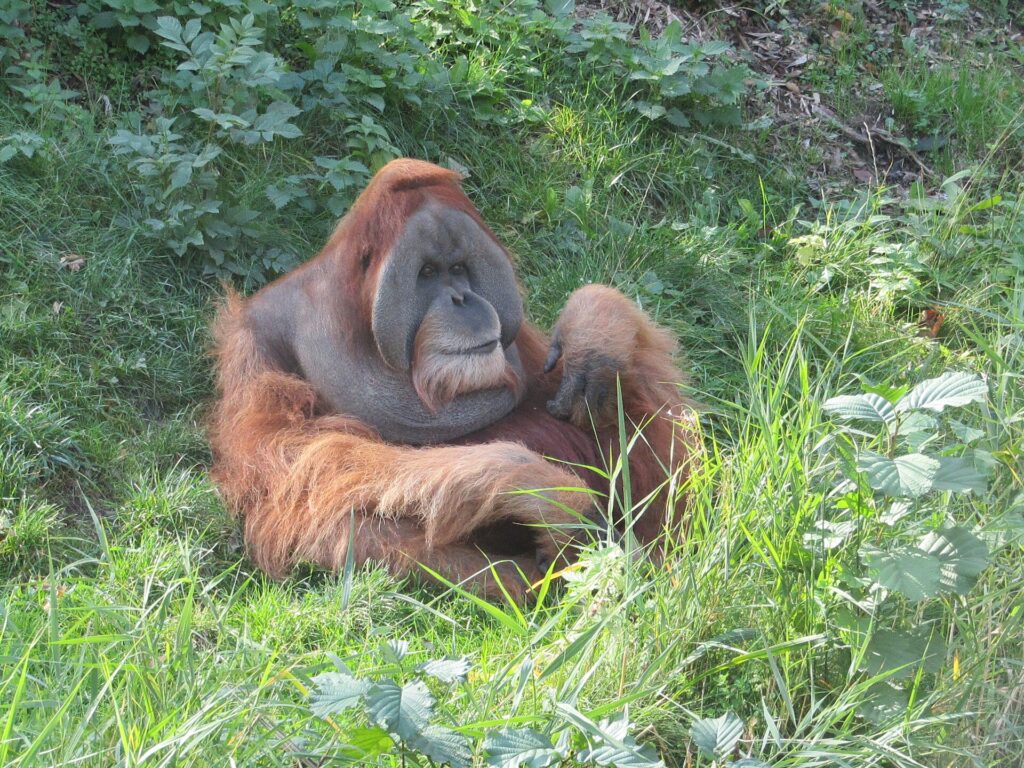
Sumatran orangutan mothers give birth only about once every eight or nine years, the longest gap between births of any mammal.
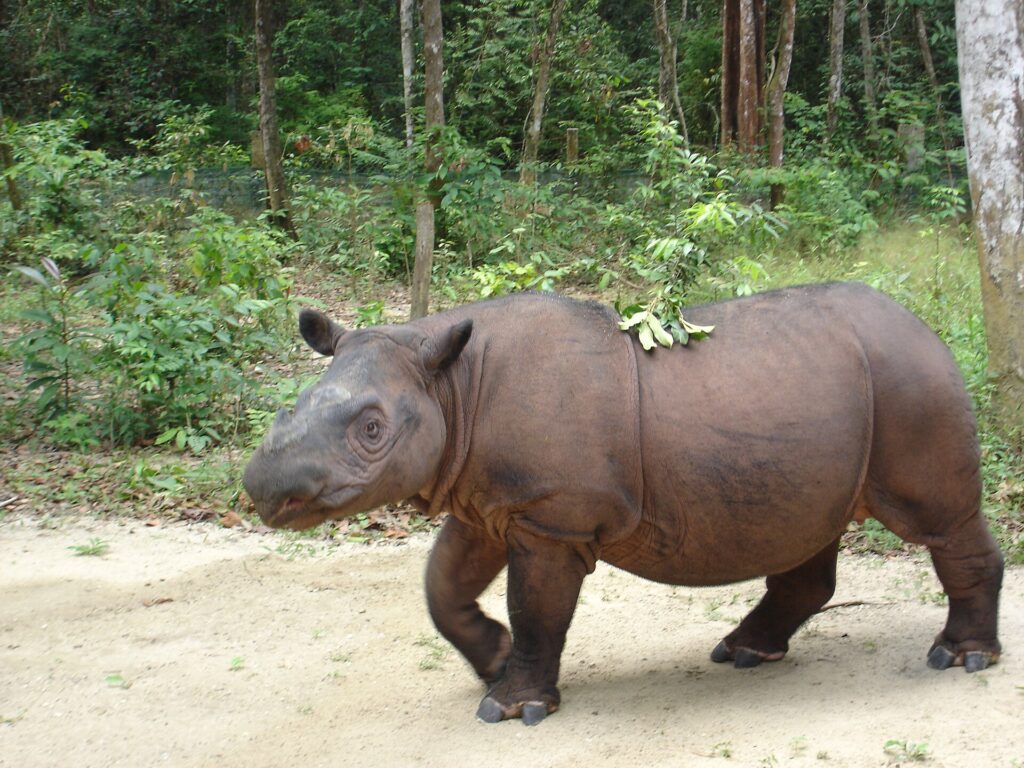
The Sumatran rhino is the hairiest rhino and the closest living relative of the extinct woolly rhinoceros.
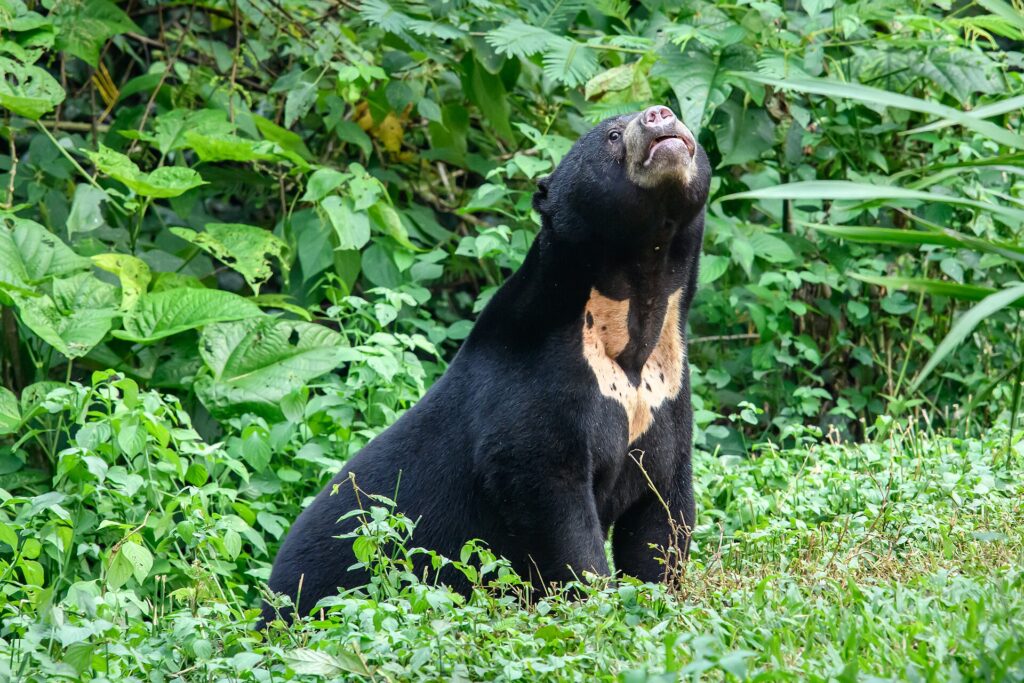
The sun bear is the smallest bear in the world, and it has the longest tongue of any bear, about 20–25 cm, for reaching into bees’ nests and termite tunnels.
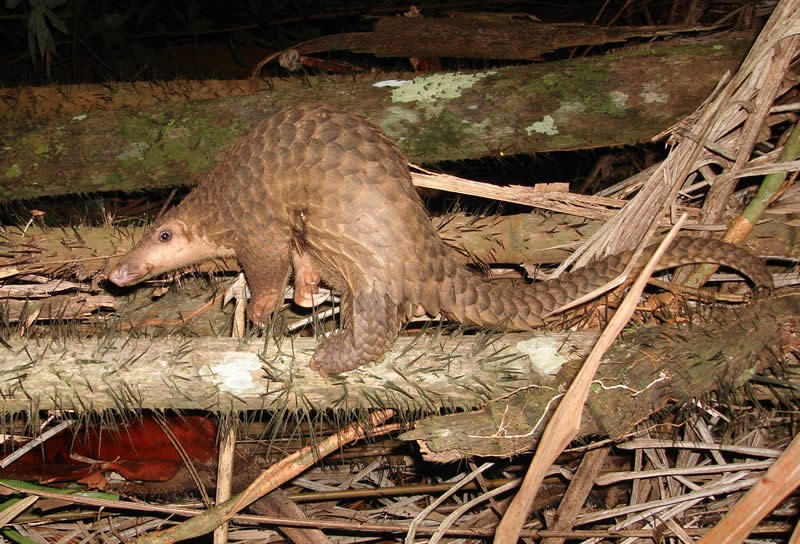
Pangolins are the only mammals covered in scales, which are made of keratin, the same material as human fingernails.