Takin
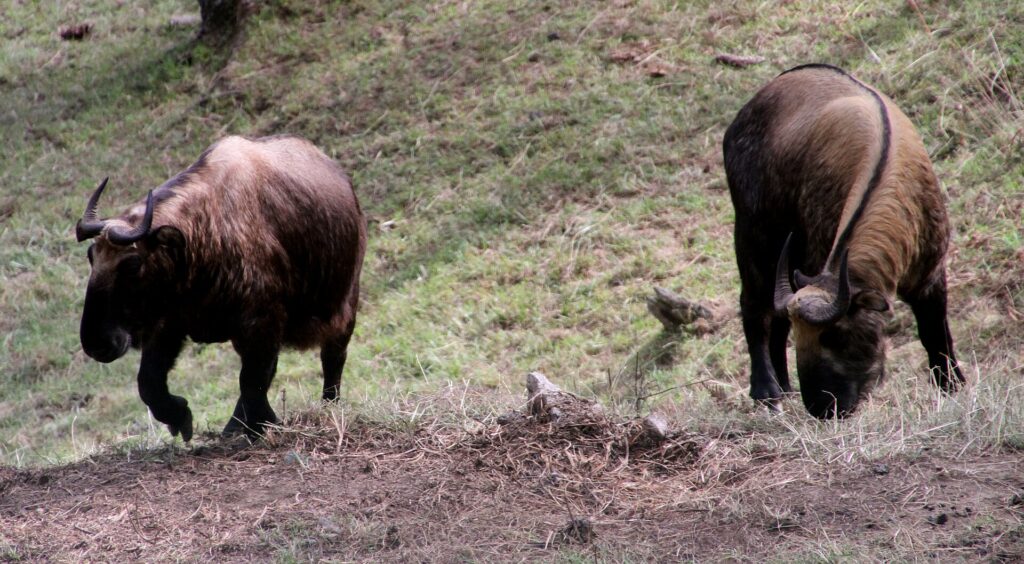
The takin is Bhutan’s national animal, and legend says a saint created it by putting a goat’s head on a cow’s skeleton.
The takin is Bhutan’s national animal, and legend says a saint created it by putting a goat’s head on a cow’s skeleton.
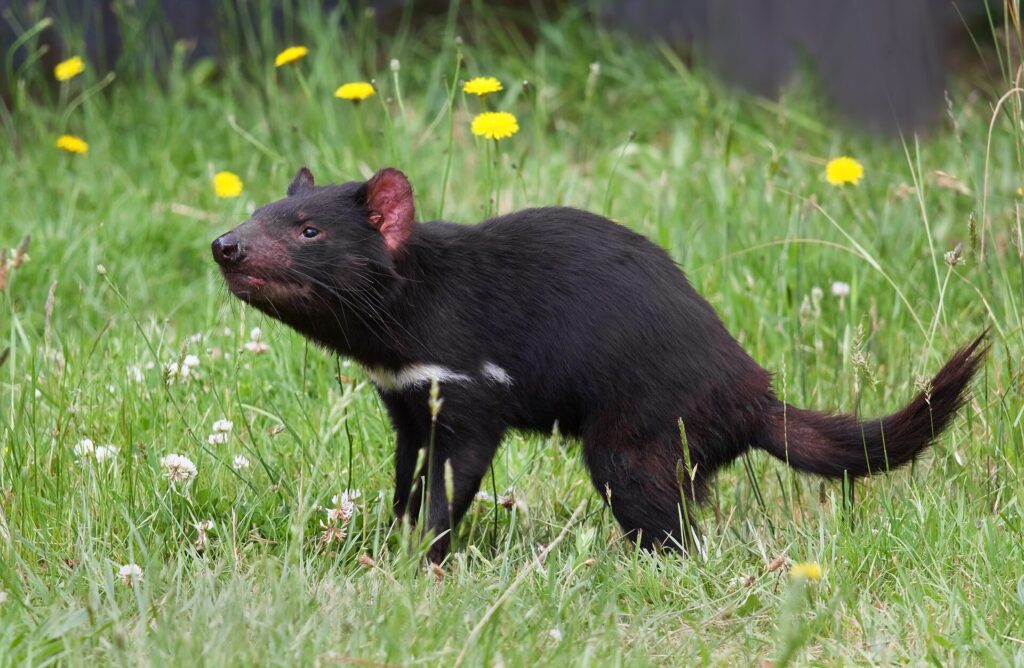
For its size, the Tasmanian devil has one of the most powerful bites of any living mammal, able to crunch through bone.
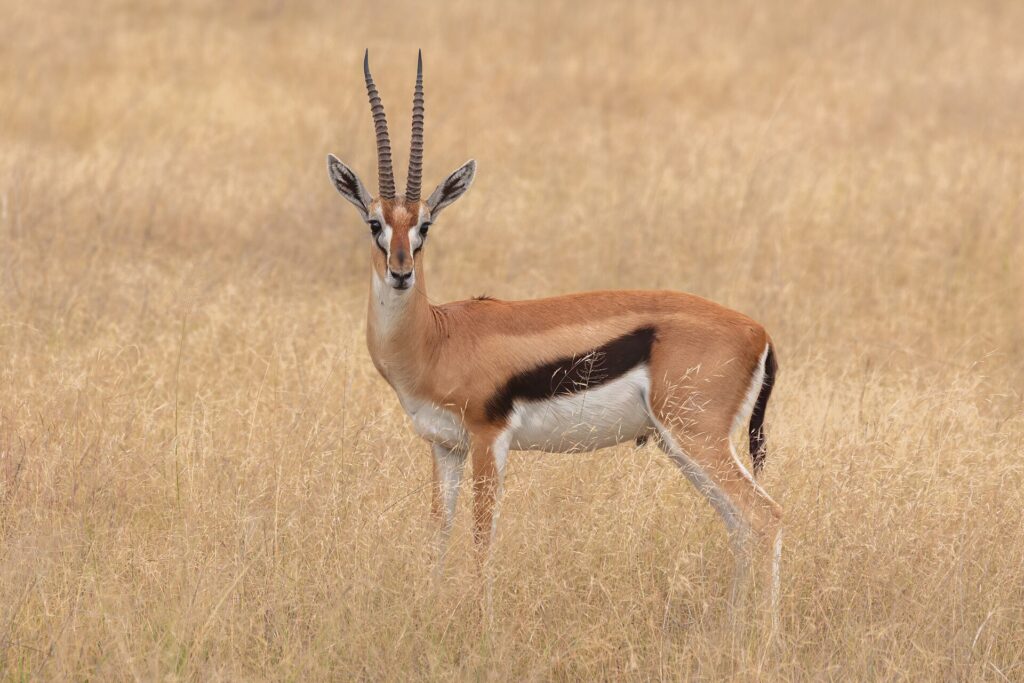
Thomson’s gazelles are the cheetah’s favourite prey, and they can change direction so sharply that cheetahs often lose the chase.
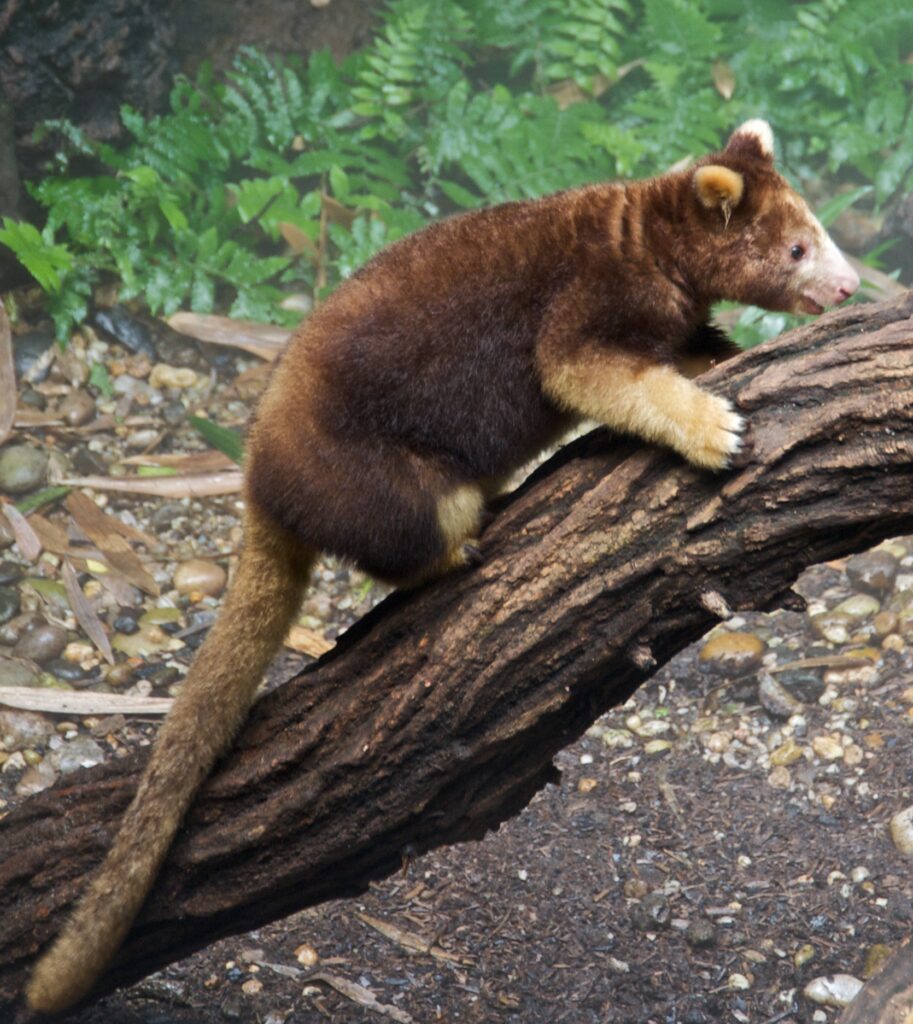
Tree kangaroos can leap down to the ground from a height of over 15 metres without being hurt.
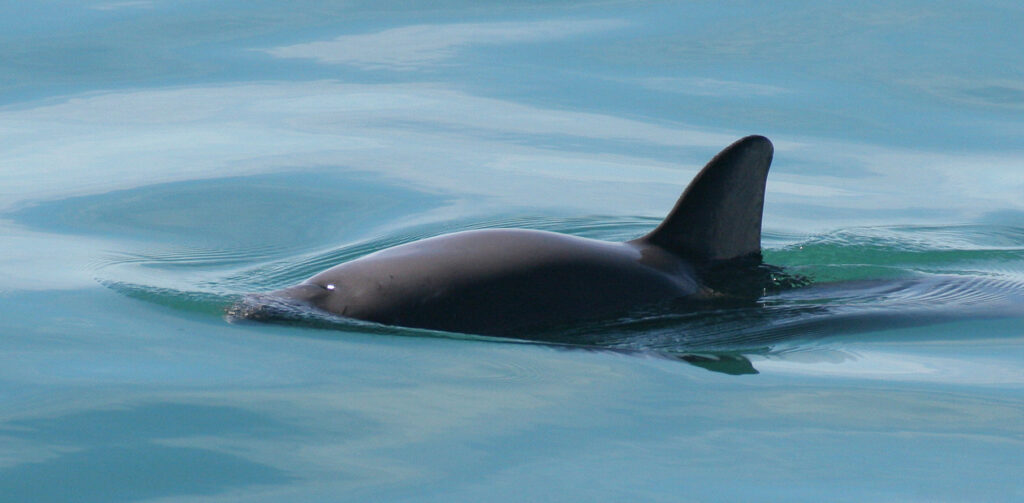
The vaquita is the world’s rarest marine mammal: recent surveys have estimated only around ten individuals left.
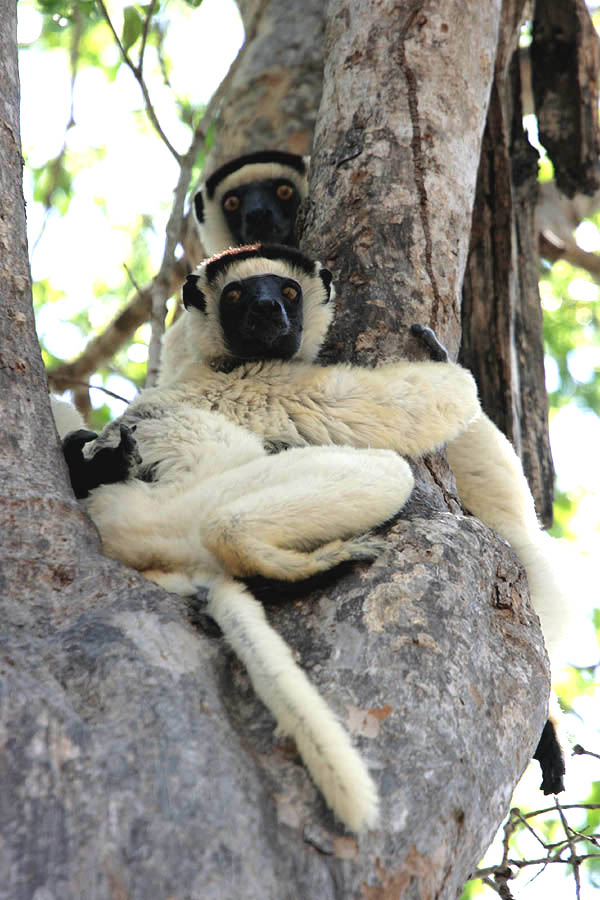
On the ground, Verreaux’s sifakas ‘dance’, bounding sideways on their hind legs with their arms raised for balance.
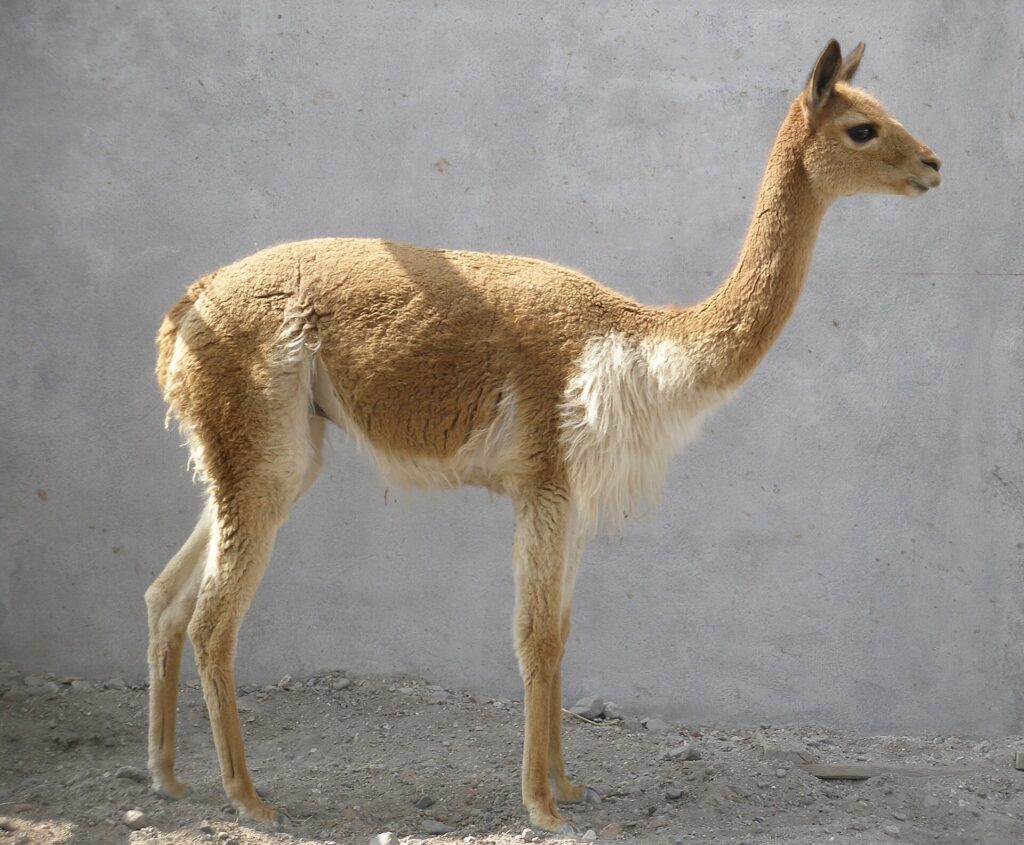
The vicuña has the finest wool of any animal, and cloth made from it is among the most expensive in the world.
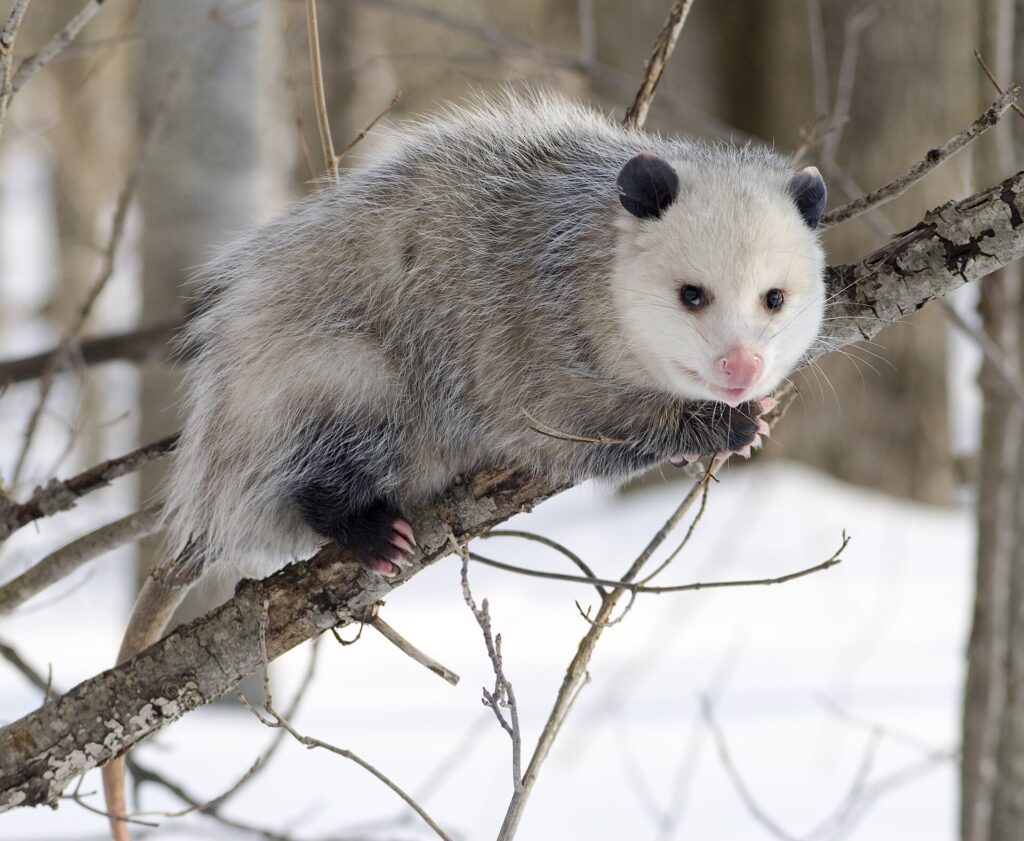
When badly frightened, an opossum may ‘play dead’, falling limp with its mouth open and giving off a foul smell for minutes or even hours.
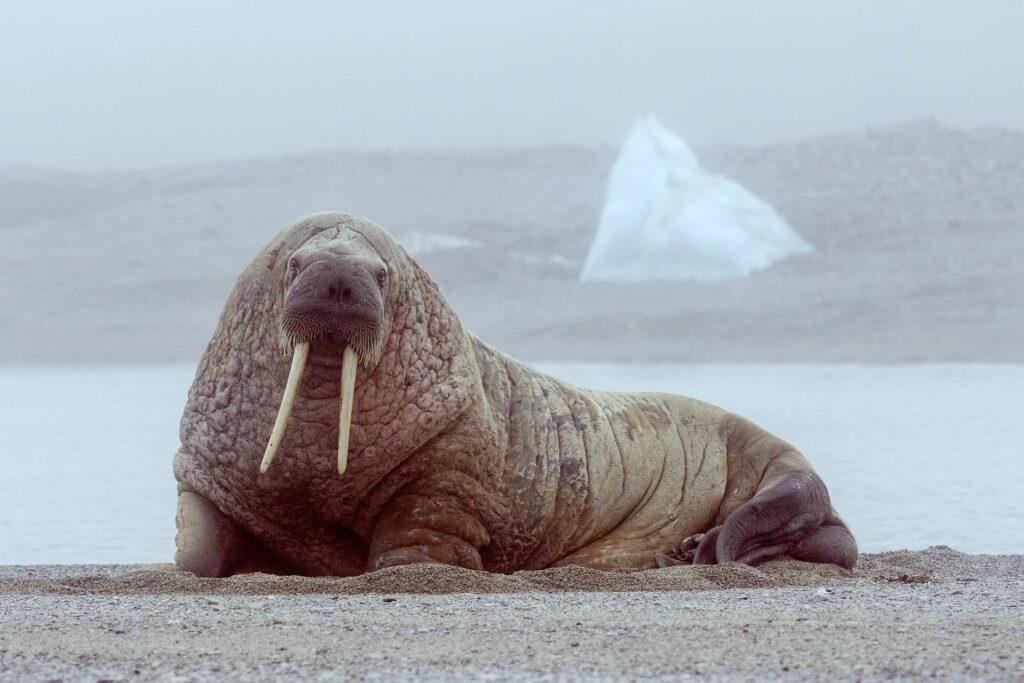
A walrus finds clams on the dark seafloor with hundreds of sensitive whiskers, then sucks the soft body out of the shell with powerful suction.
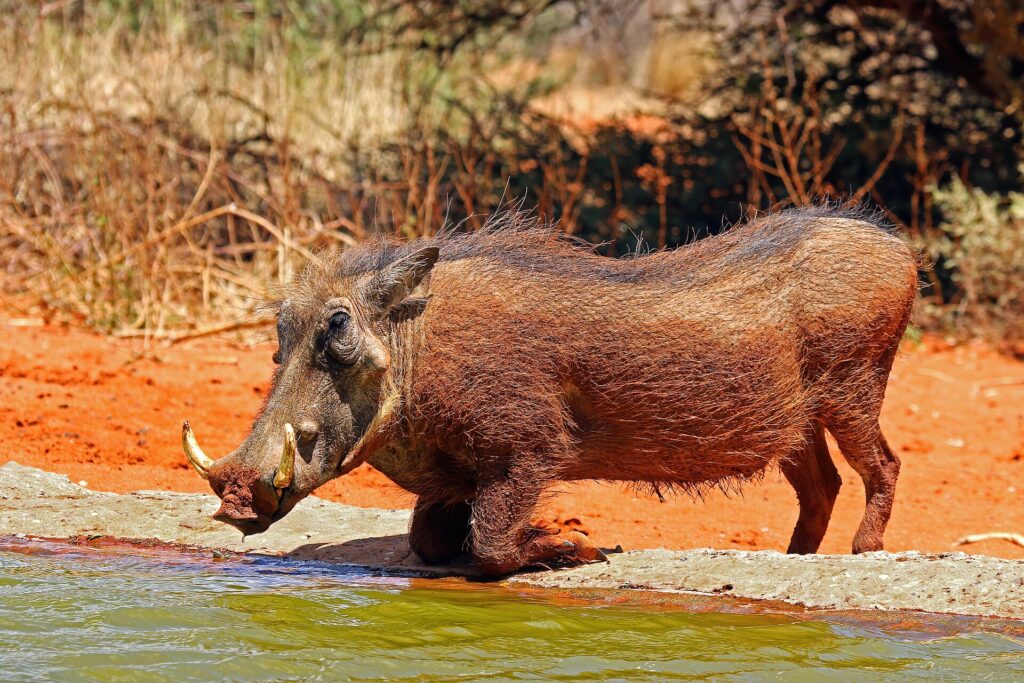
Warthogs back into their burrows so that they face outwards, ready to charge out with their tusks at any intruder.
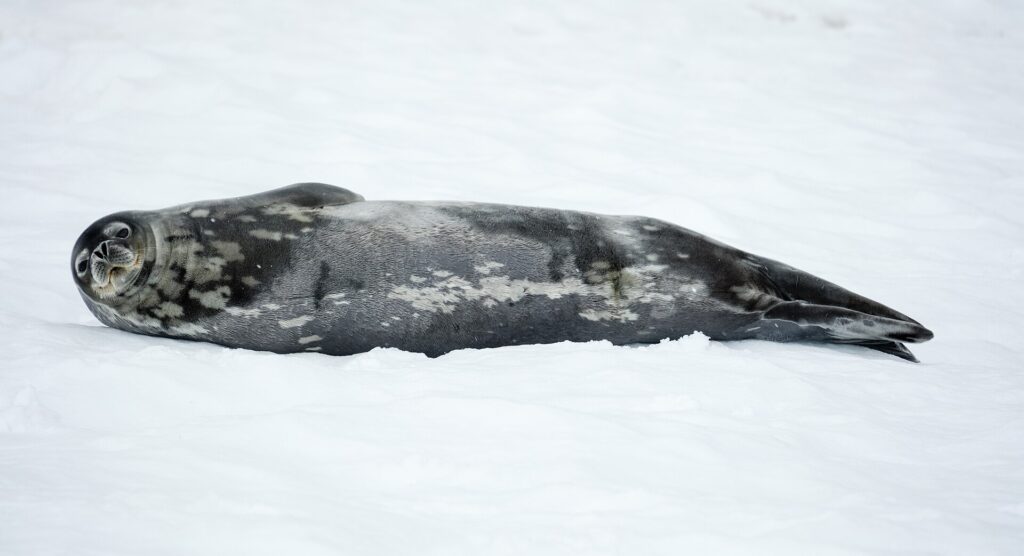
Weddell seals keep breathing holes open in the ice by scraping them with their teeth, and can dive to over 600 m and stay under for more than an hour.
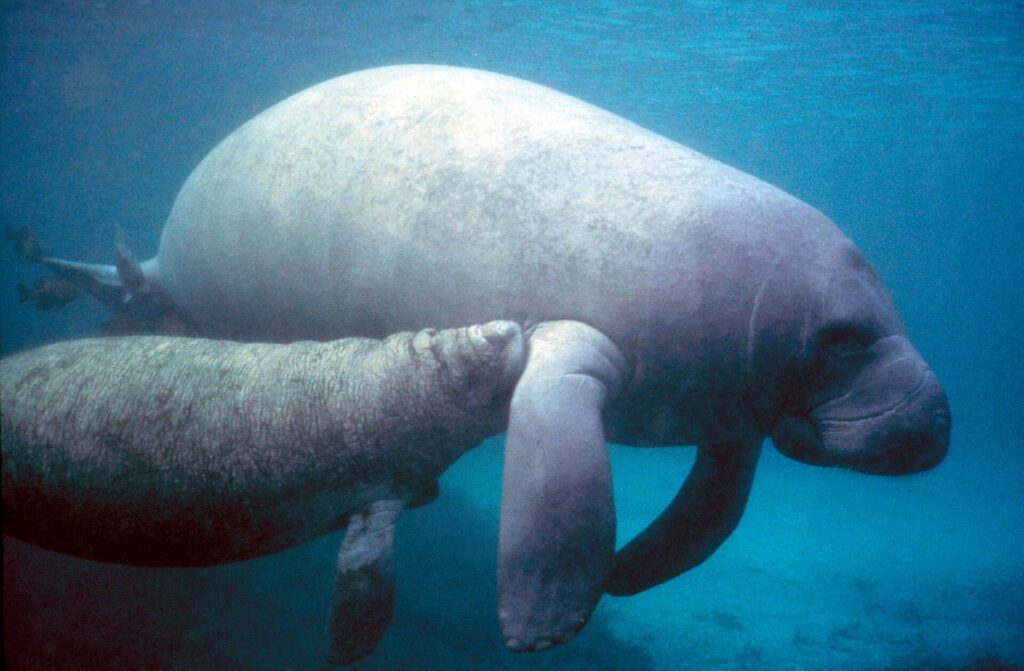
A manatee eats about a tenth of its body weight in plants every day, and its teeth are constantly replaced from the back of the jaw as they wear down.
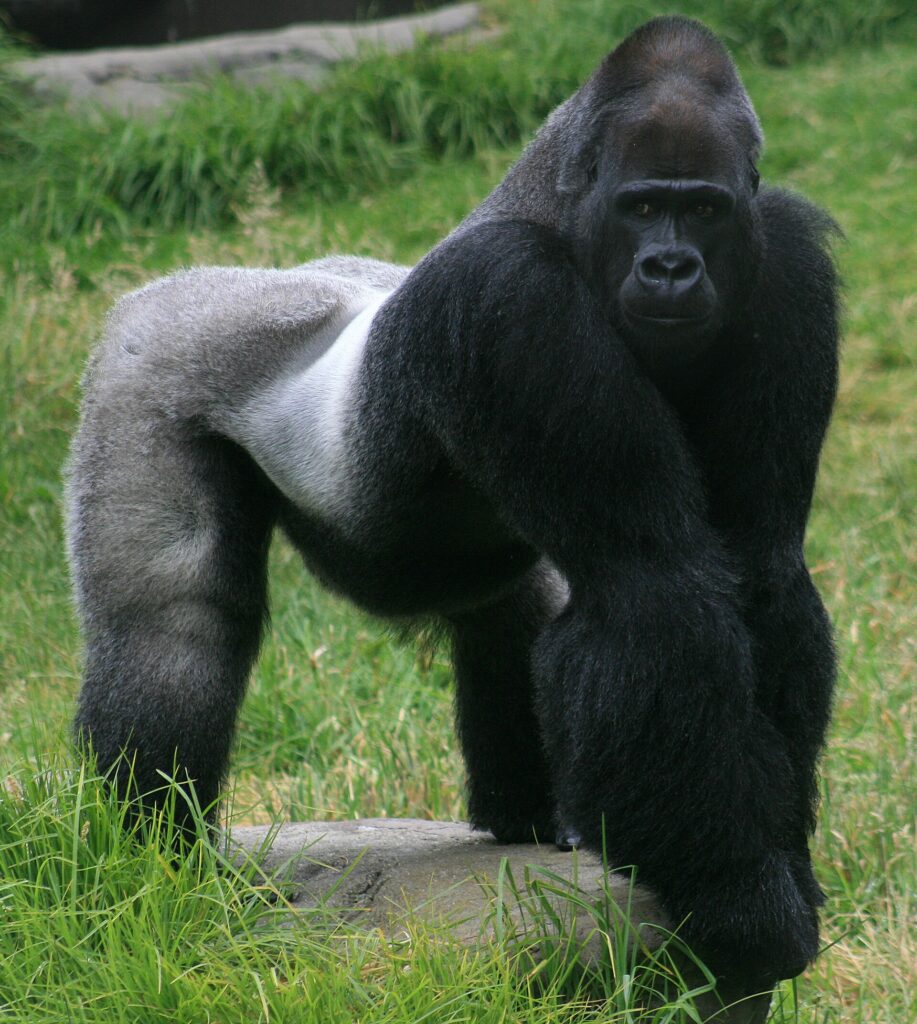
Western lowland gorillas are by far the most numerous gorillas, yet they are still Critically Endangered because their numbers are falling by several percent every year.
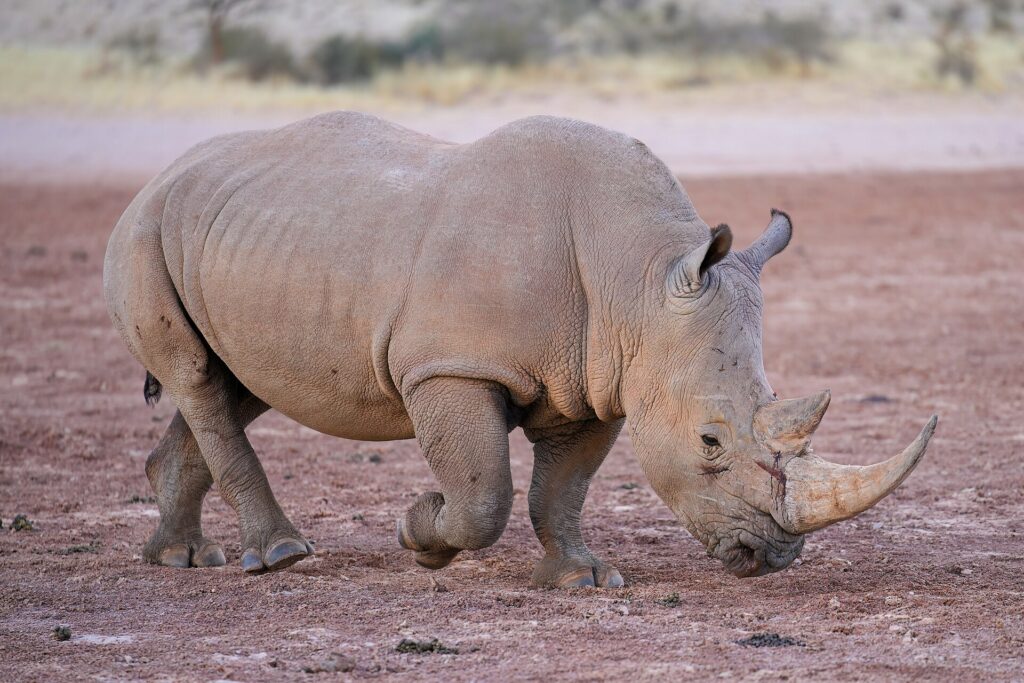
The southern white rhino was brought back from fewer than 100 animals around 1900 to more than 16,000, one of conservation’s greatest recoveries.
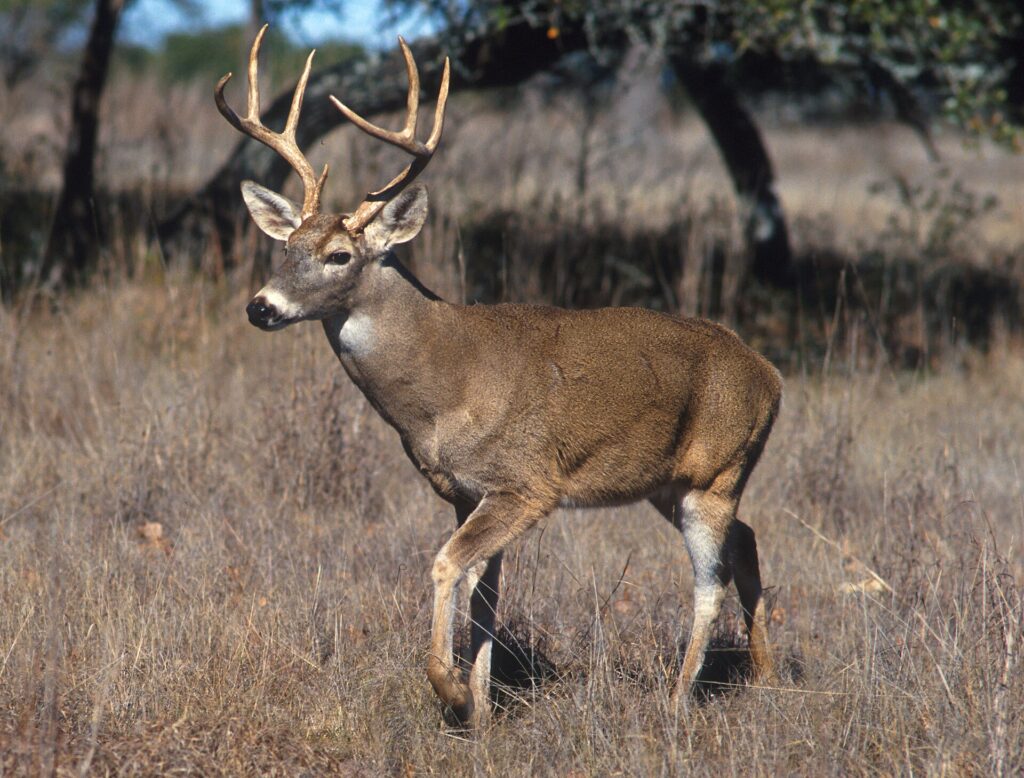
White-tailed deer were reduced to fewer than half a million in the United States around 1900; today there are around 30 million.
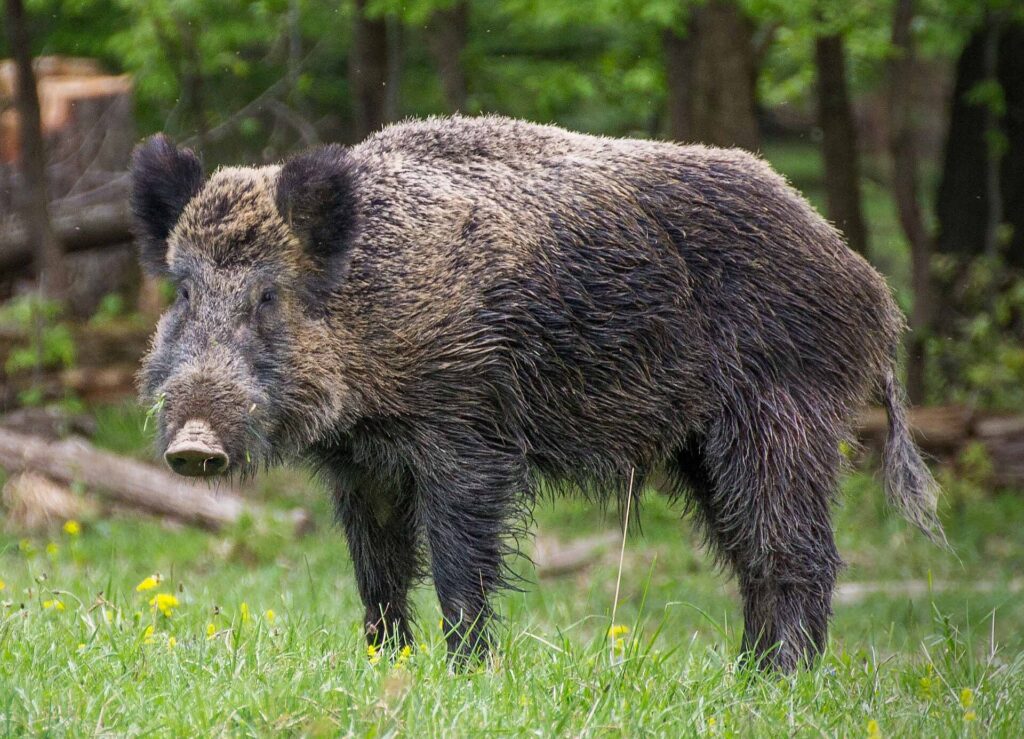
The wild boar is one of the most widespread mammals on Earth and the wild ancestor of all domestic pigs.
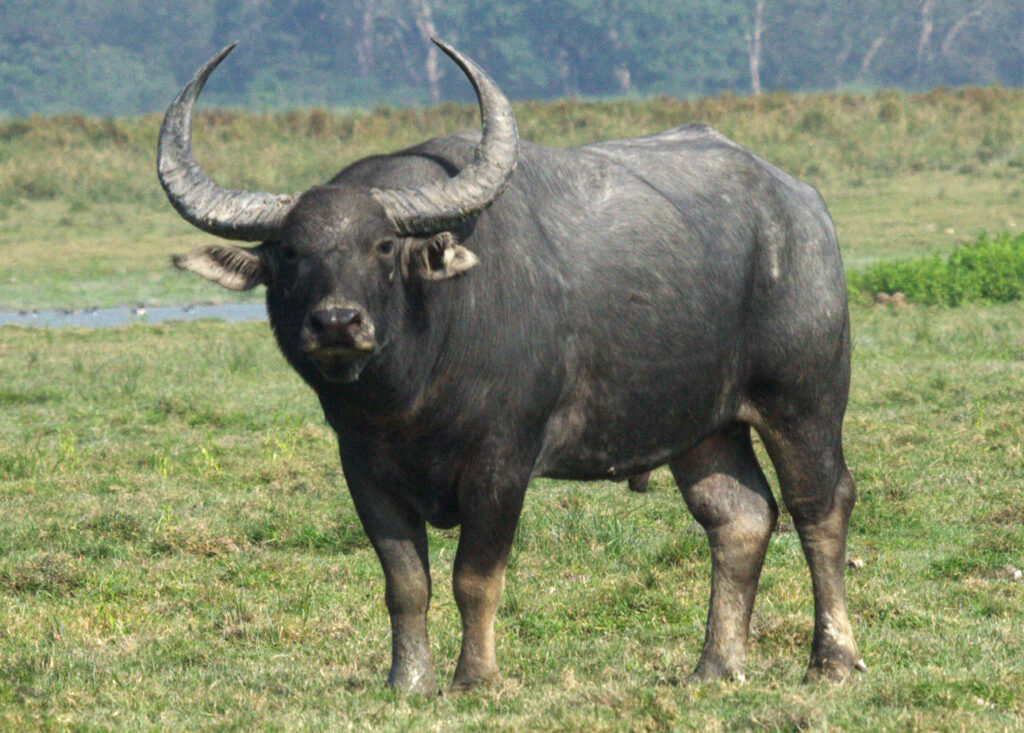
The wild water buffalo has the largest horns of any living bovid, spanning up to about 2 metres.
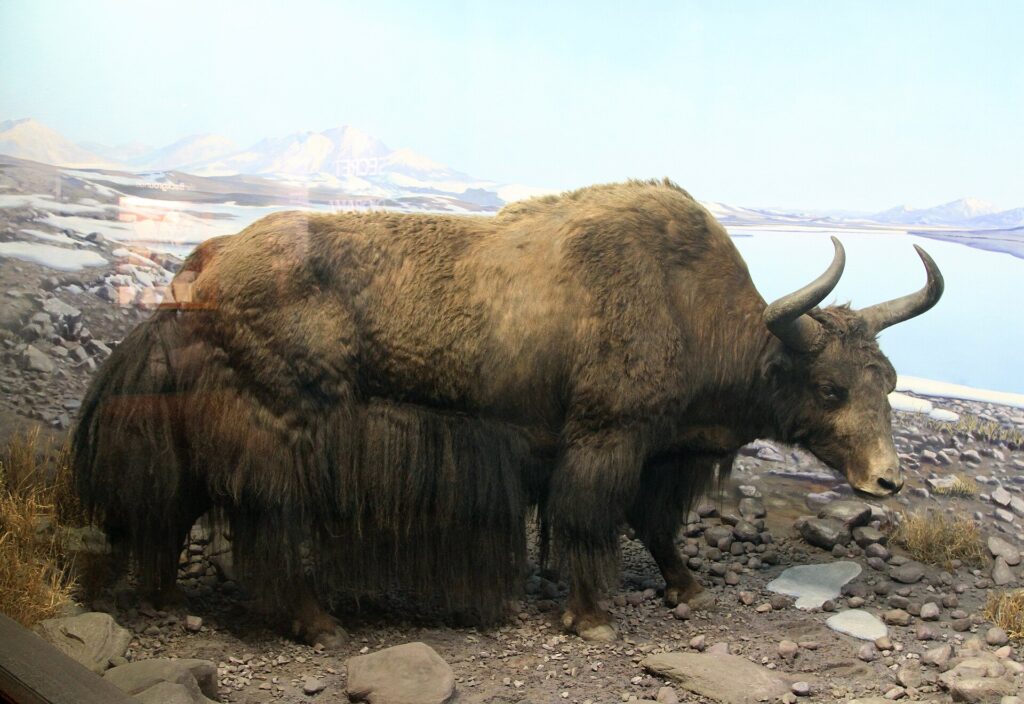
Wild yaks live higher than almost any other large mammal, grazing at altitudes above 5,000 metres where temperatures drop below −40 °C.
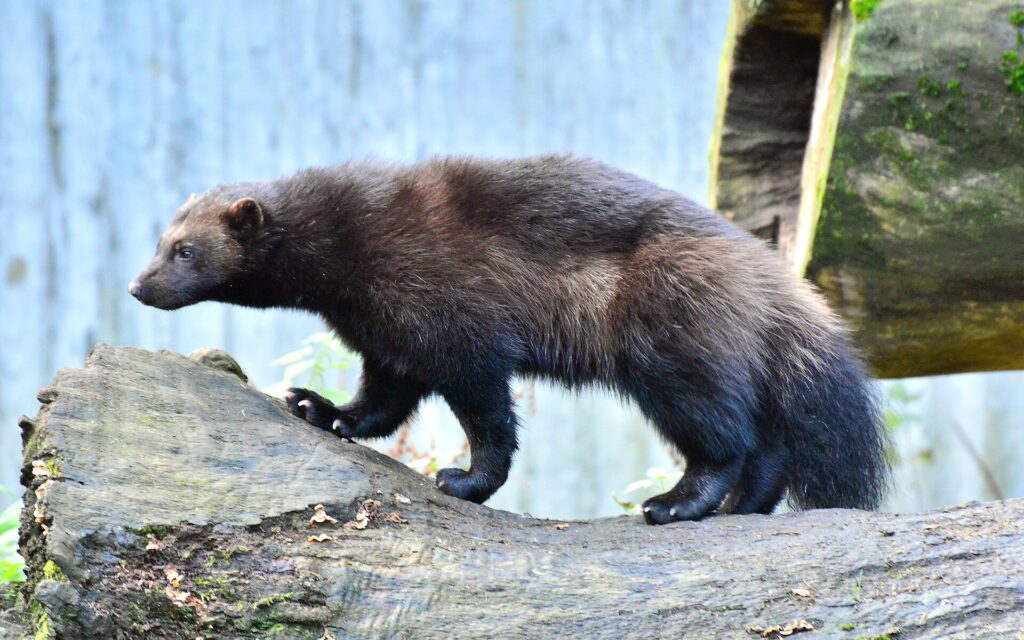
Wolverines can travel huge distances: one young male walked more than 800 km from Wyoming to Colorado.