Pallas’s Cat
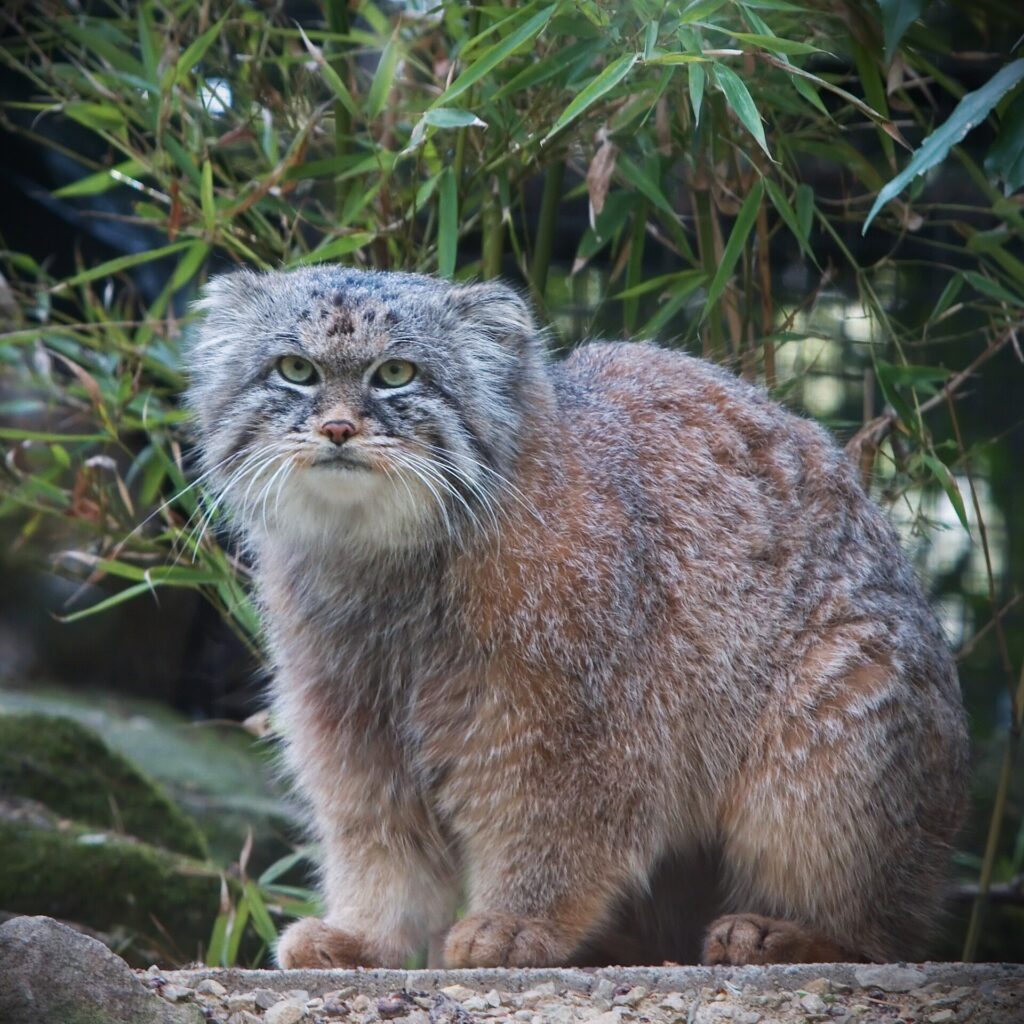
Pallas’s cat has the densest, longest fur of any cat, which helps it survive winters of −50 °C on the Asian steppe.
Pallas’s cat has the densest, longest fur of any cat, which helps it survive winters of −50 °C on the Asian steppe.
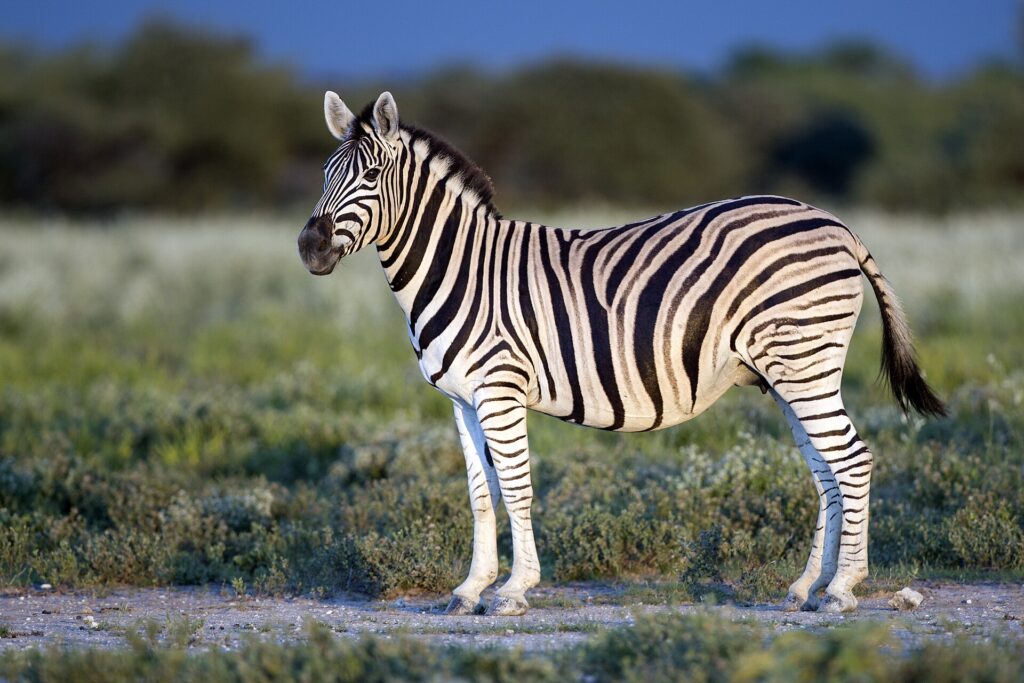
Zebra stripes appear to deter biting flies: experiments show horse flies are far less likely to land on striped coats.
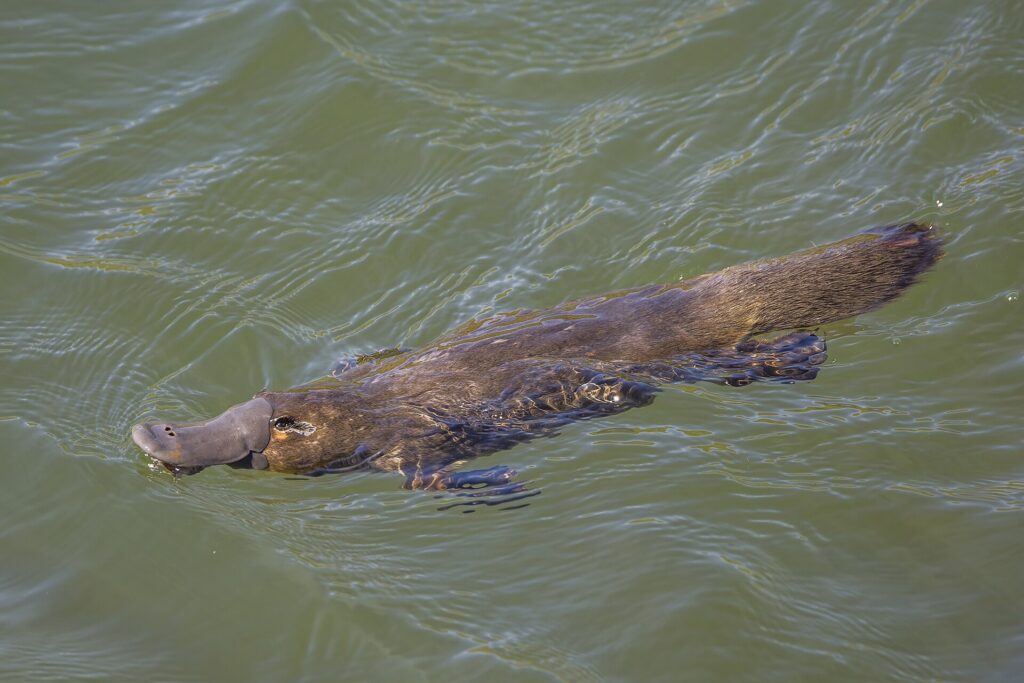
The platypus hunts with its eyes, ears and nostrils shut, finding prey by sensing the tiny electric fields made by their muscles.
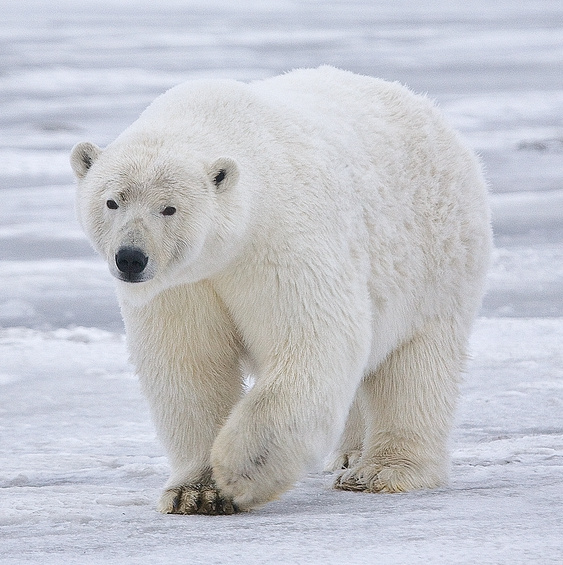
A polar bear’s fur is not white; each hair is transparent and hollow, and its skin underneath is black.
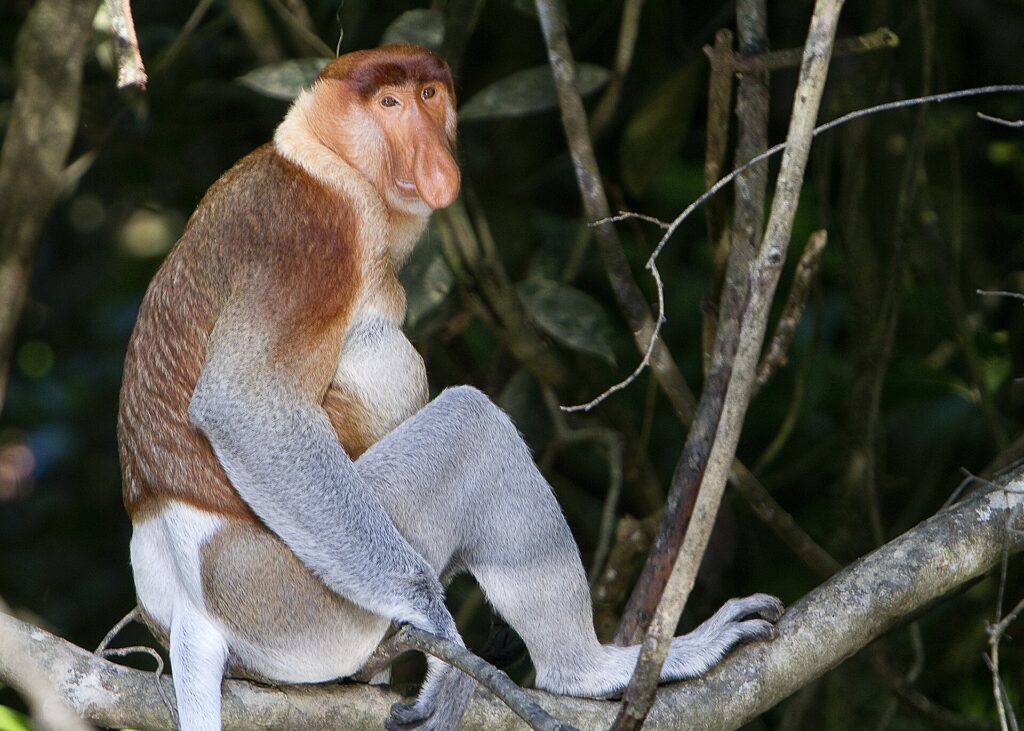
The adult male proboscis monkey’s nose can be more than 10 cm long, and bigger noses seem to help males attract females and make louder calls.
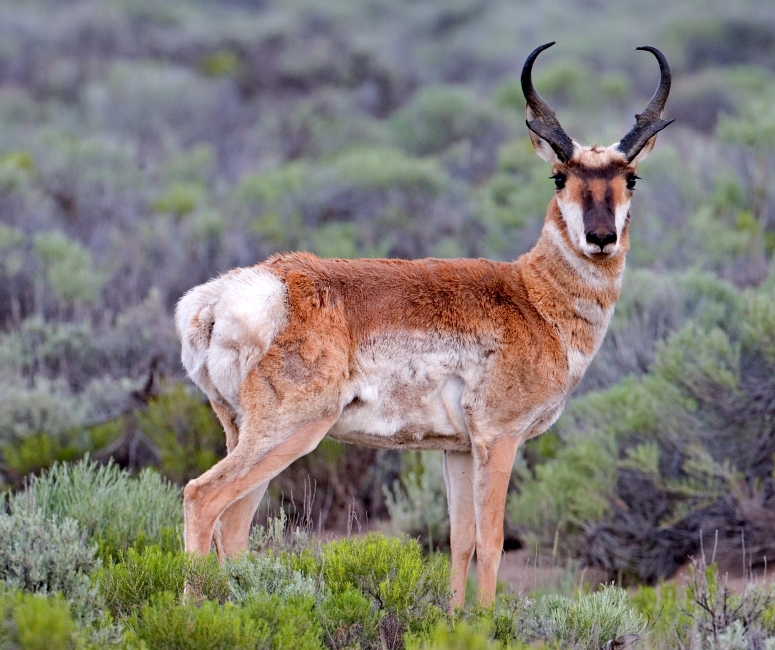
The pronghorn is the fastest land animal in the Americas and can run at high speed for longer than a cheetah.
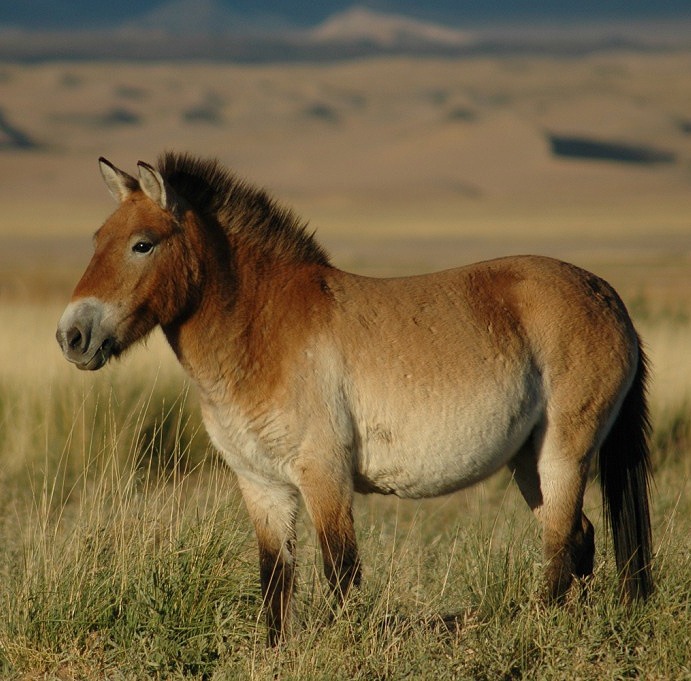
Przewalski’s horse was declared extinct in the wild after 1969; every living one descends from just 12–15 horses caught around 1900.
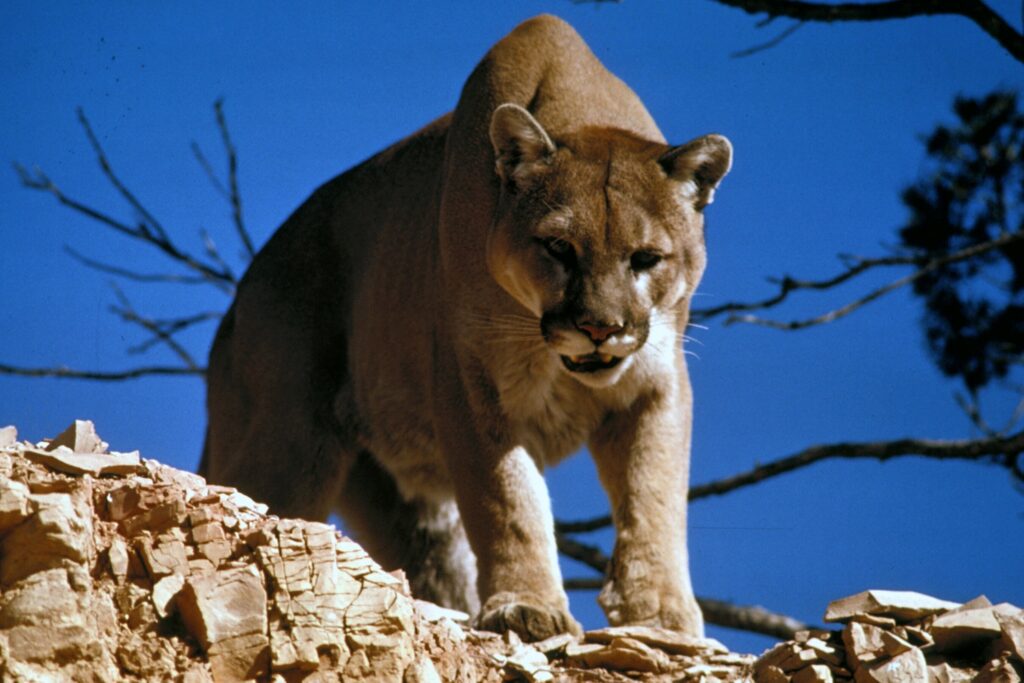
The puma holds the record for the animal with the most names: more than 40 in English alone, including cougar, mountain lion, panther and catamount.
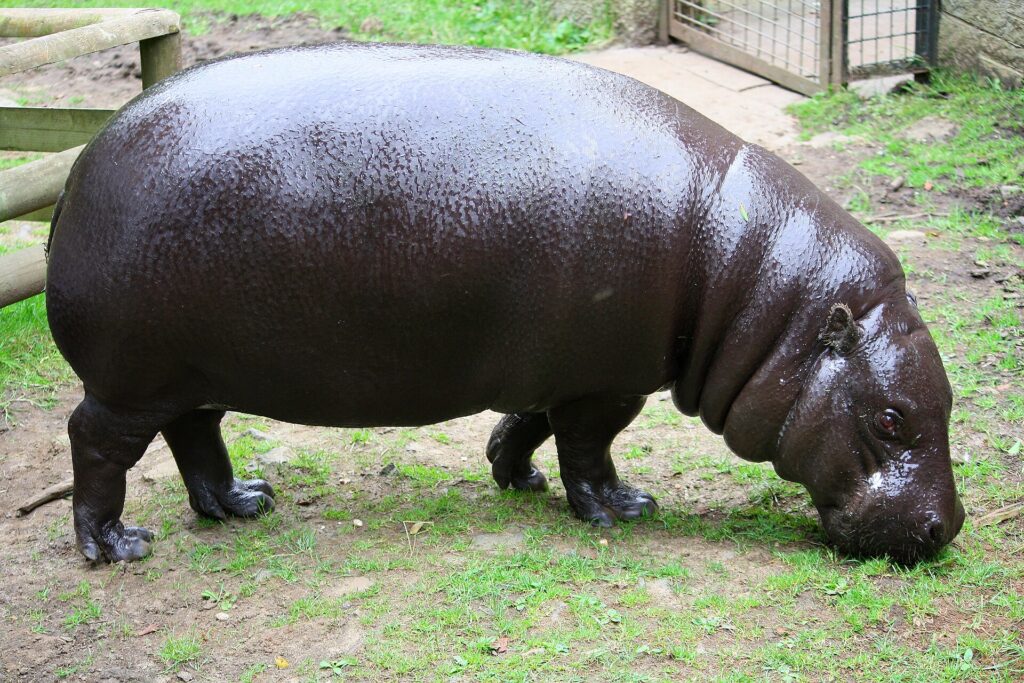
The pygmy hippo weighs about a tenth as much as a common hippo and lives alone in dense rainforest rather than in groups in rivers.
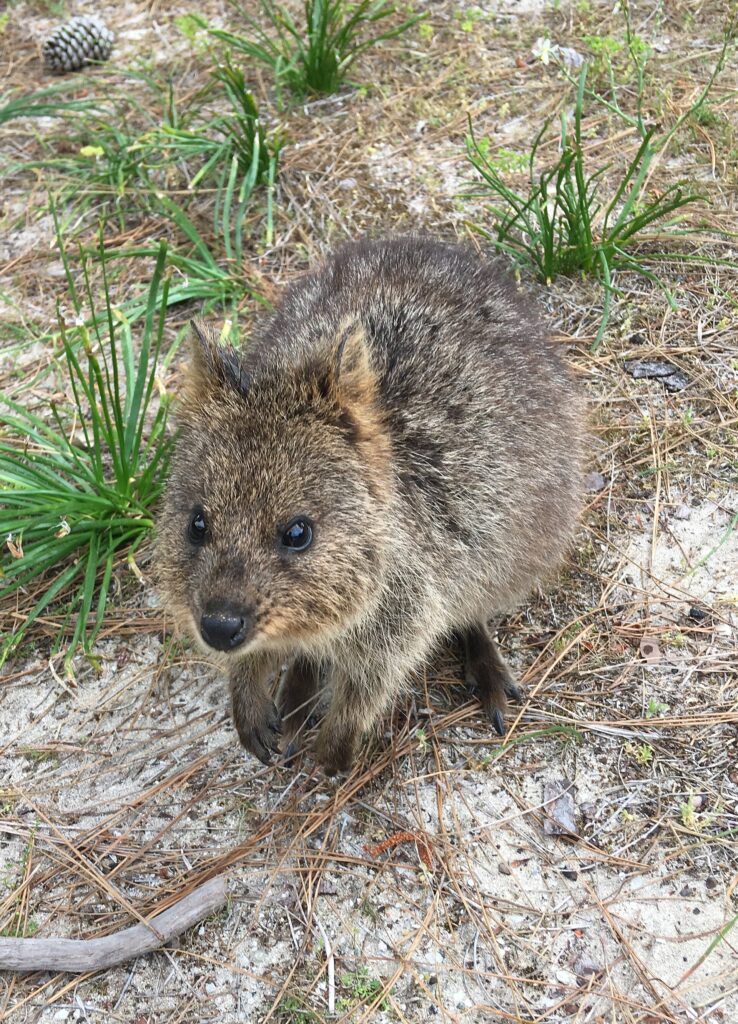
Rottnest Island got its name from a Dutch explorer in 1696, who mistook quokkas for giant rats and called the island ‘rat’s nest’.
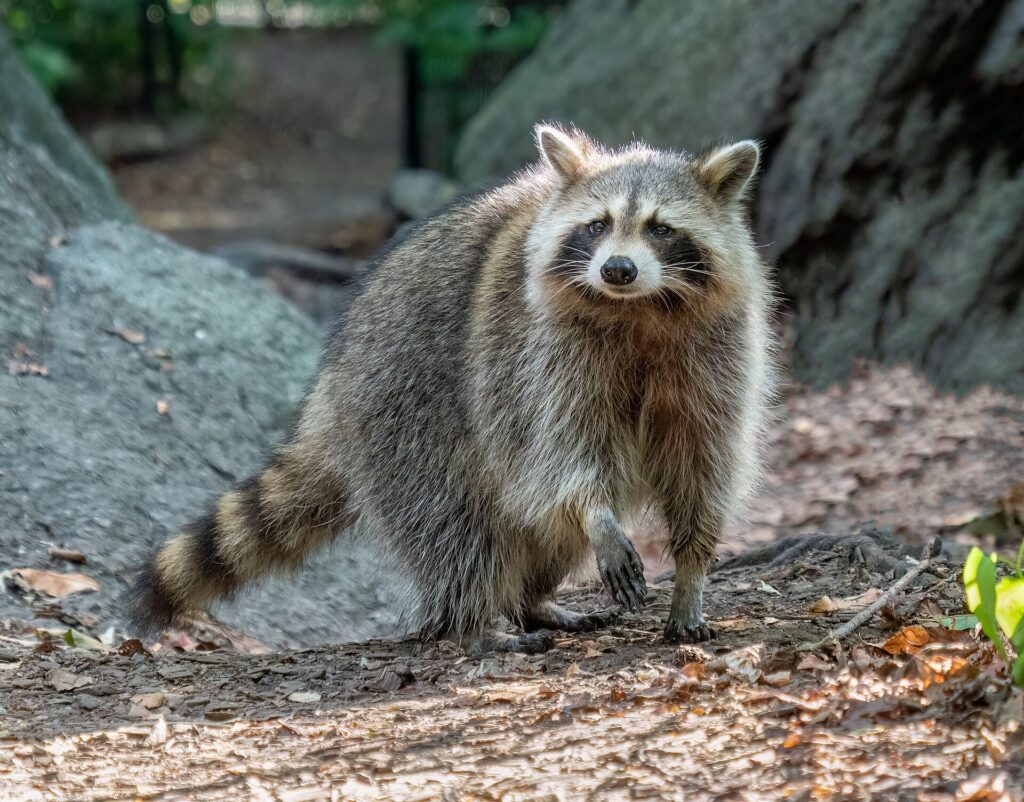
Raccoons have extremely sensitive front paws, and wetting their paws makes them even more sensitive, which is why they often ‘wash’ their food.
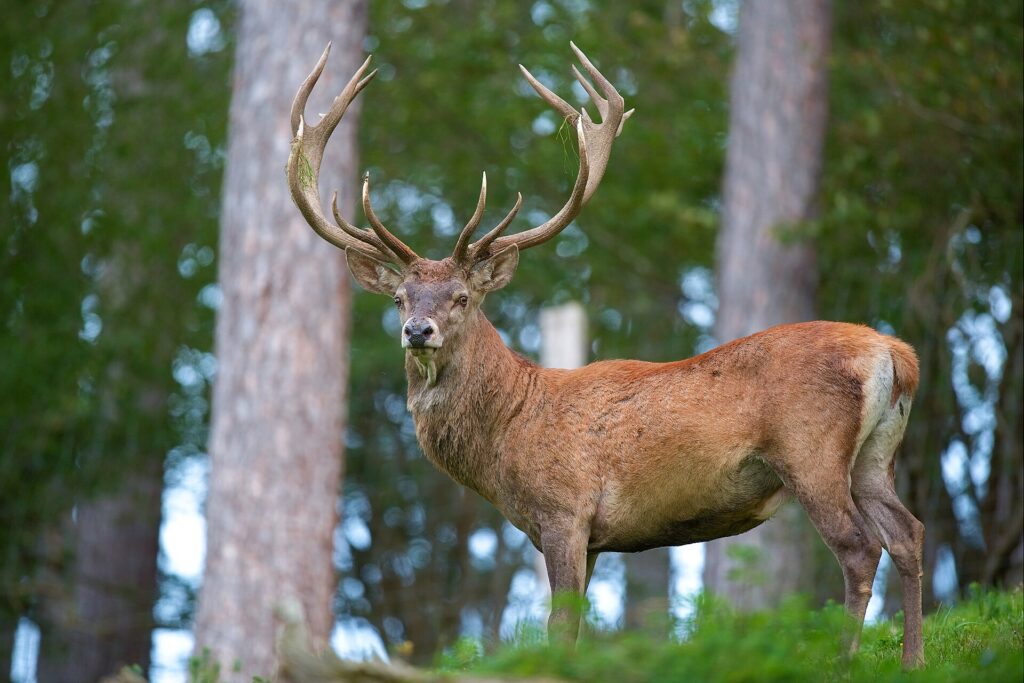
A stag’s antlers can grow up to about 2.5 cm a day, making them one of the fastest-growing tissues in the animal kingdom.
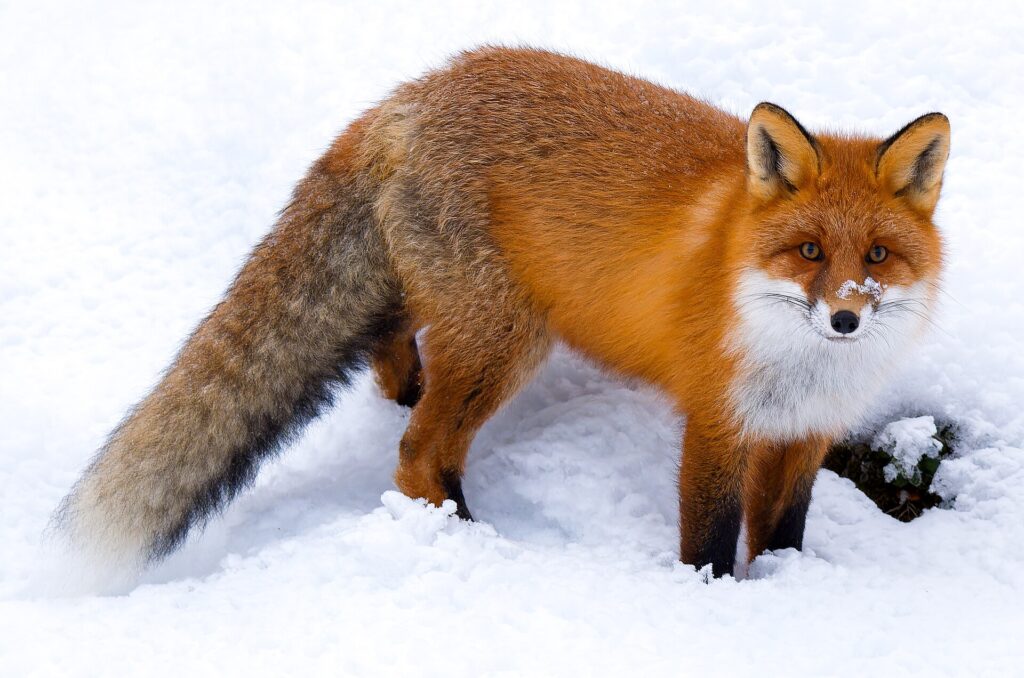
The red fox has the largest natural range of any wild carnivore on Earth, spanning North America, Europe, Asia and North Africa.
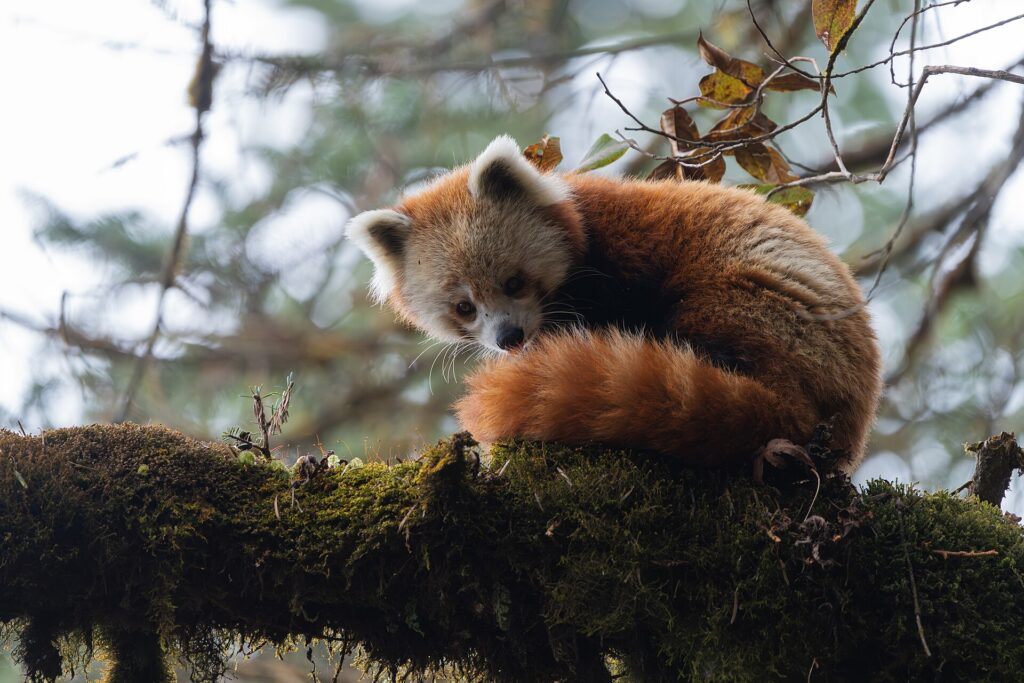
The red panda was named a panda about 50 years before the giant panda, and it is not closely related to it; it is the only living member of its own family.
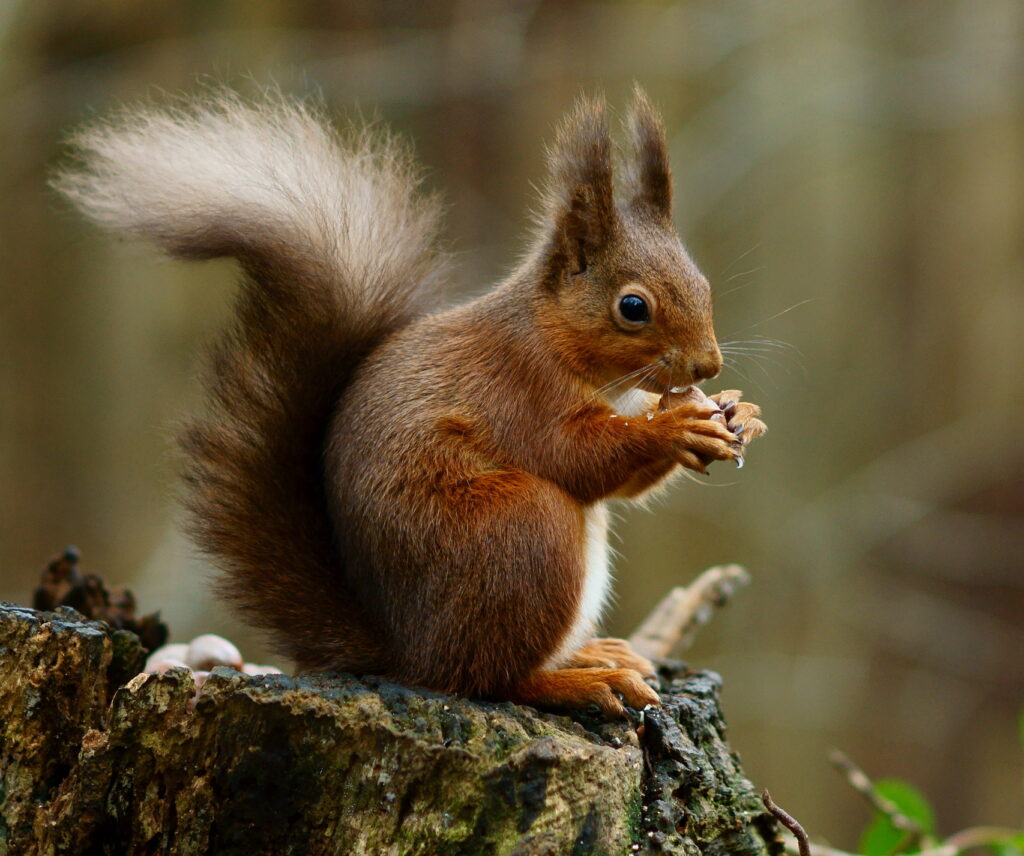
In Britain, red squirrels have been pushed out of most areas by introduced grey squirrels, but pine martens are helping them recover by preying on the greys.
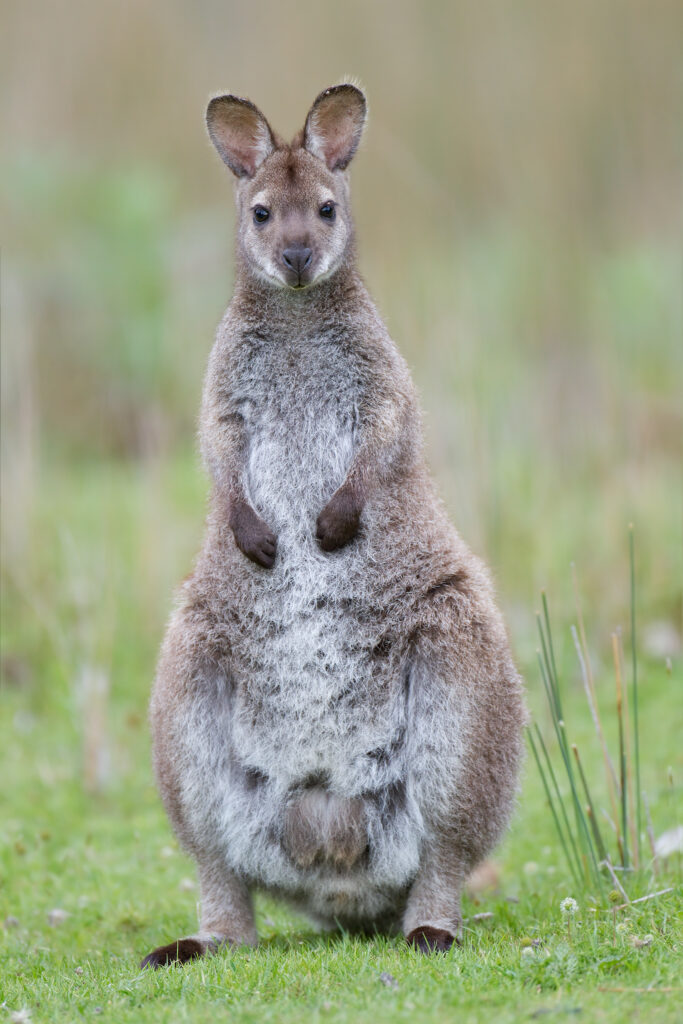
On Bruny Island in Tasmania, a population of red-necked wallabies includes rare, pale white individuals.
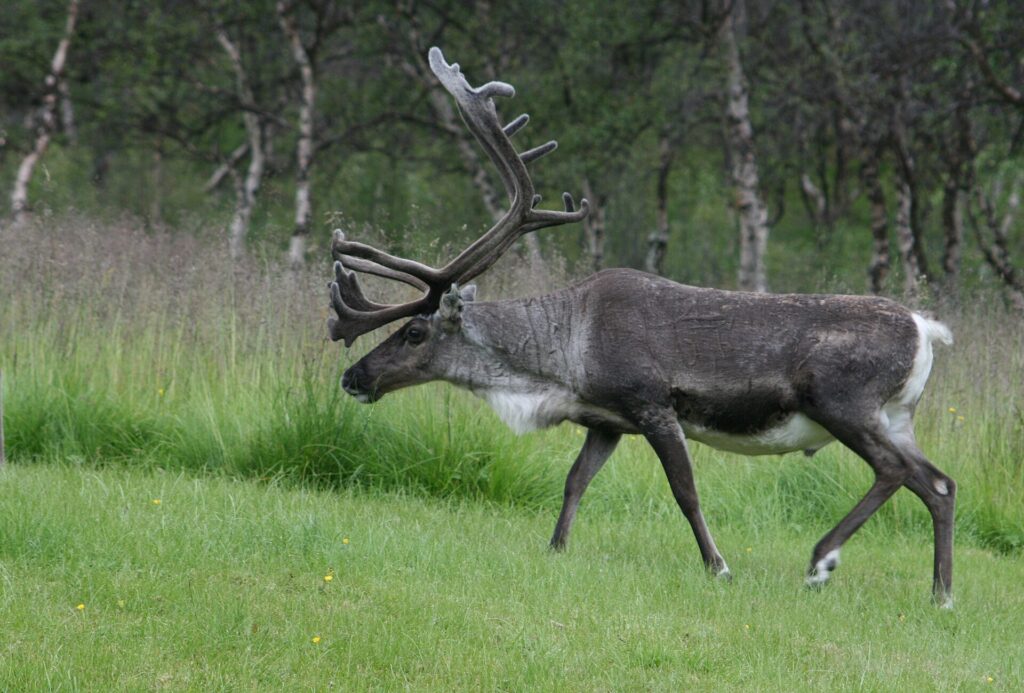
Reindeer eyes change colour with the seasons, from golden in the Arctic summer to deep blue in winter, which helps them see in the long polar night.
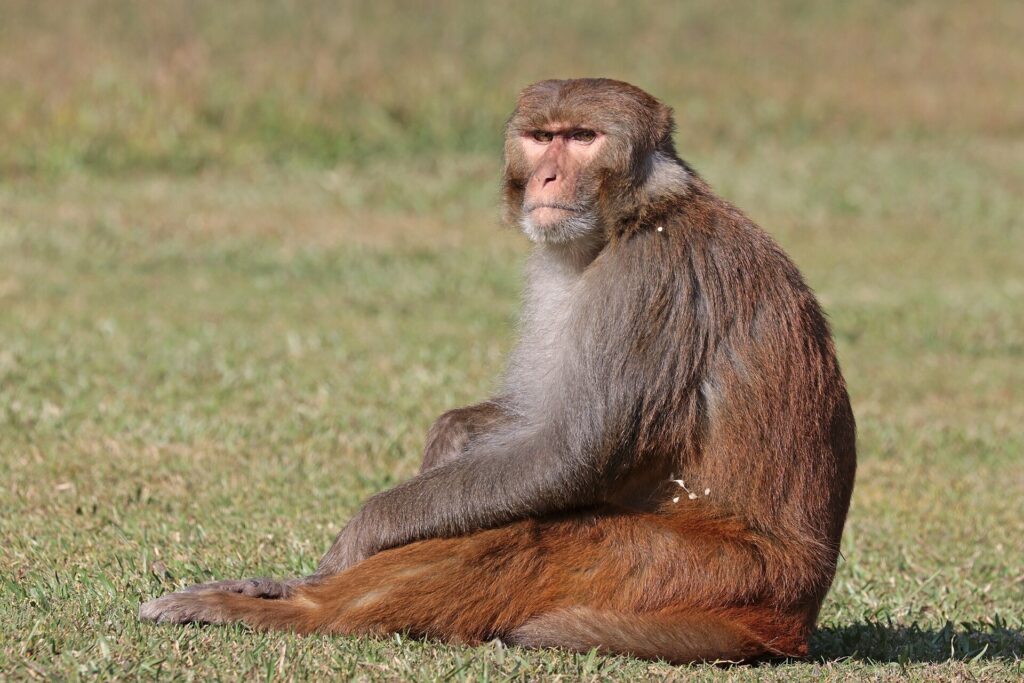
The ‘Rh’ in Rh-positive and Rh-negative blood types comes from the rhesus macaque, in which the blood factor was first studied.
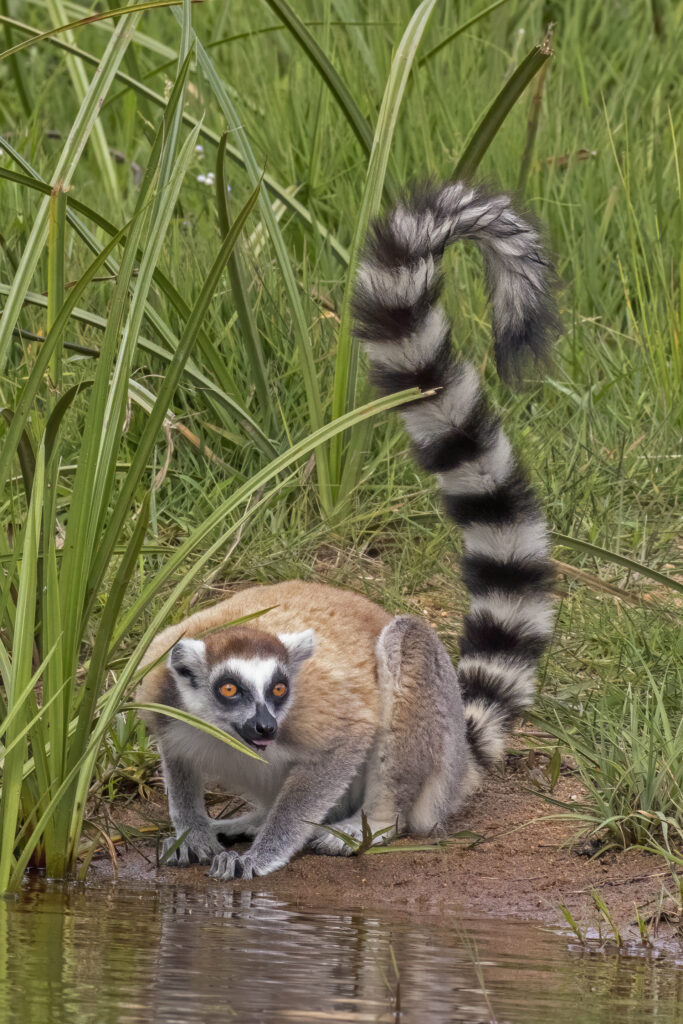
During the breeding season, male ring-tailed lemurs hold ‘stink fights’, rubbing scent onto their tails and waving them at rivals.
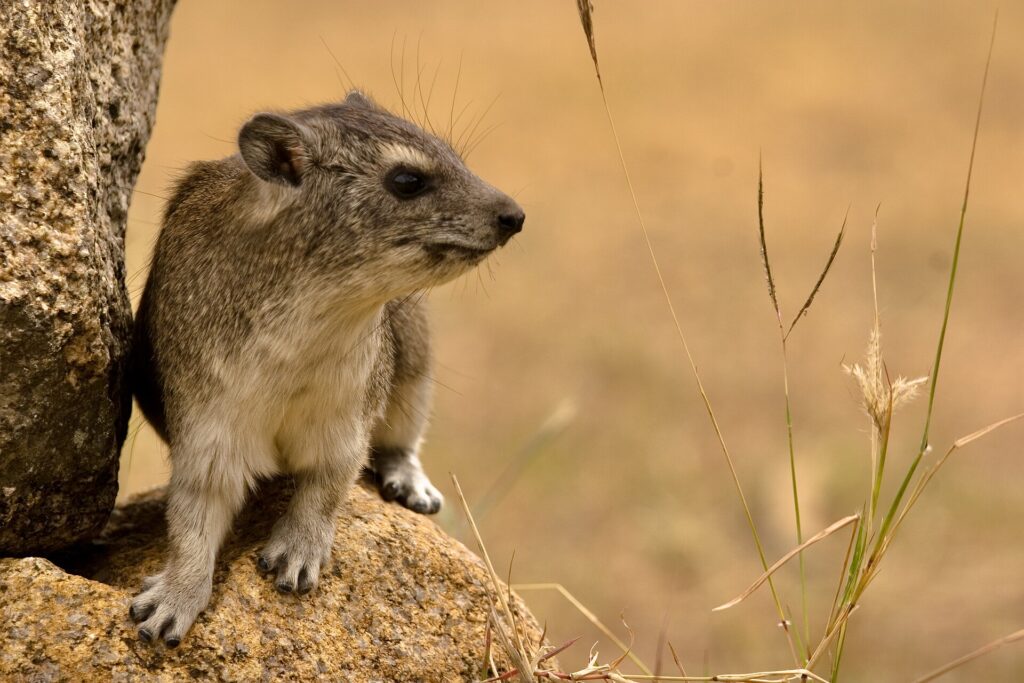
Although it looks like a large guinea pig, the rock hyrax’s closest living relatives are elephants and manatees.
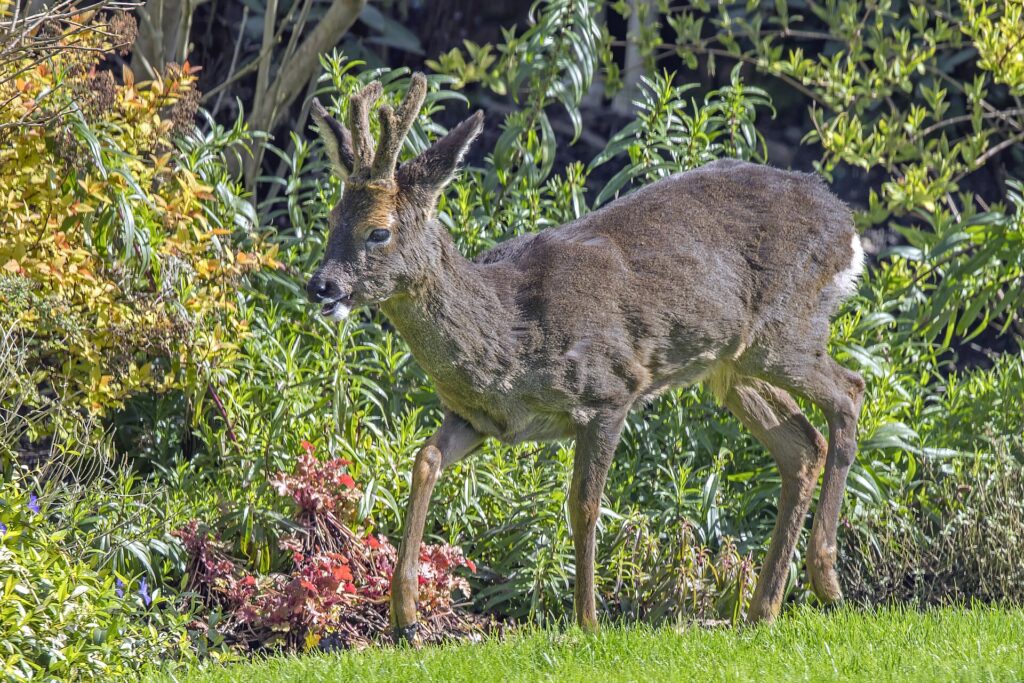
Roe deer are the only hoofed mammals known to delay the development of their embryo: they mate in summer, but the embryo only starts growing in winter.
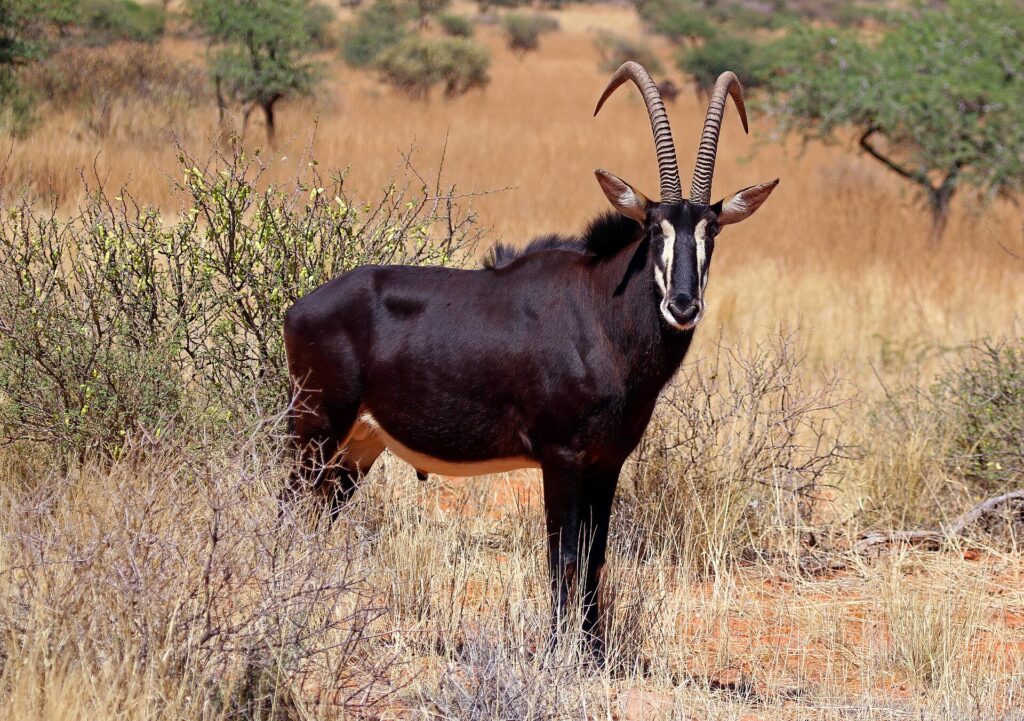
The giant sable of Angola was feared extinct after decades of civil war, until camera traps rediscovered a small herd in 2004.