The giant otter, nicknamed the ‘river wolf’, is one of South America’s top freshwater predators. It was hunted to near extinction for its velvety fur until trade bans in the 1970s, and populations have partly recovered in protected areas.
Interesting facts
- The giant otter is the longest member of the weasel family.
- Family groups can number up to about 20 and hunt and defend territory together.
- Family groups have been seen mobbing and driving off caimans, and even jaguars.
- Giant otters are very vocal, using a wide range of calls including screams and hums.
- An adult can eat around 3–4 kg of fish a day.
- Tens of thousands of pelts were exported from Brazil in the mid-twentieth century.
Behaviour
Giant otters live in family groups led by a dominant breeding pair. They build dens in riverbanks and maintain latrines and scent sites along their territory. They are active by day.
Breeding and young
The breeding pair produces 1 to 5 cubs a year, which are raised by the whole family.
Threats and conservation
Habitat loss, mercury pollution from gold mining, overfishing, dams and conflict with fishers.
Where to see it
- Pantanal, Brazil
- Manu National Park and Tambopata, Peru
- Rupununi, Guyana
- Yasuní, Ecuador
Status source: IUCN Red List. Profile last reviewed September 2026.
Where to see the giant otter
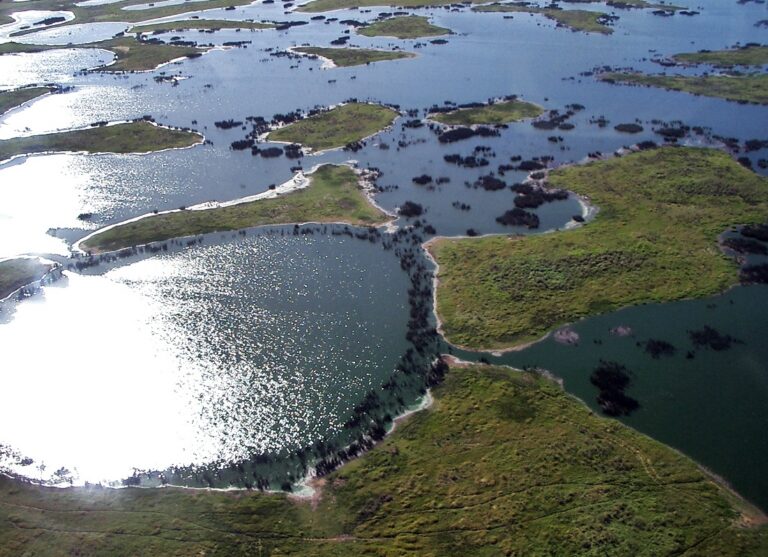 Pantanal Jaguar Safari: The Best Place on Earth to See Wild JaguarsBrazil's Pantanal offers the best chance on Earth to watch wild jaguars. How boat-based safaris work, when to…
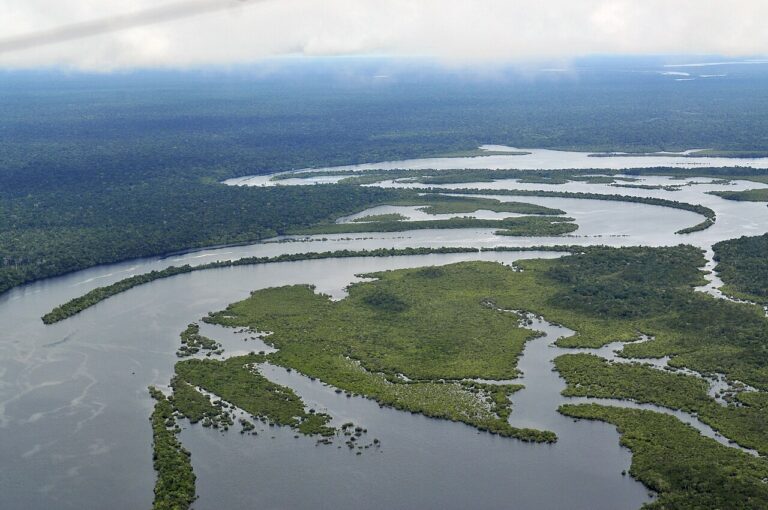 Amazon Rainforest Lodges: How to ChooseThe Amazon spans nine countries and thousands of lodges. How to choose one that delivers real rainforest wildlife.
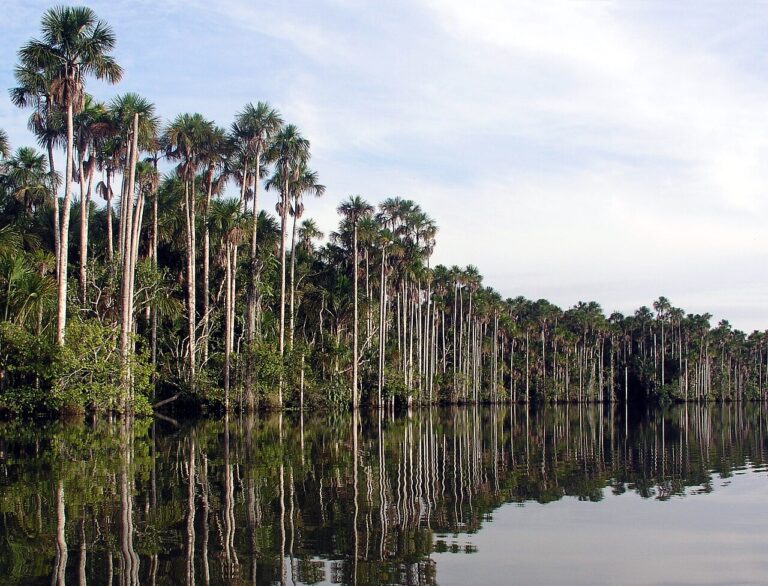 Tambopata and Manu: Macaw Clay Licks and Giant OttersSouth-eastern Peru has some of the Amazon's richest wildlife, from macaws at clay licks to giant otters in…