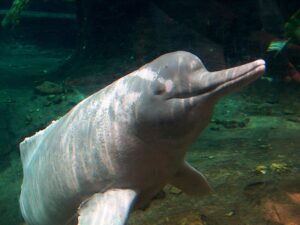
The bottlenose dolphin is the most familiar dolphin, found in coastal waters across the world. It is highly intelligent and social, and it has been studied intensively in the wild for decades, in places such as Sarasota Bay in Florida and Shark Bay in Australia.
Interesting facts
- Dolphins find prey using echolocation, producing clicks and listening for echoes.
- Some dolphins in Shark Bay, Australia, carry sea sponges on their snouts to protect them while foraging, a tool-use tradition passed from mother to daughter.
- Dolphins sleep with one half of their brain at a time.
- They can recognise themselves in a mirror.
- Groups in some places cooperate with human fishers.
- Bottlenose dolphins can dive to about 300 m.
Behaviour
Dolphins live in fluid groups whose membership changes often. Males may form long-term alliances. They hunt cooperatively, for example by herding fish into tight balls or driving them onto mudbanks.
Breeding and young
Females give birth to a single calf, tail first, every three to six years after about 12 months’ gestation. Calves nurse for up to two years or more.
Threats and conservation
Bycatch in fishing nets, pollution, habitat degradation, disturbance by boats and capture for marine parks in some countries.
Where to see it
- Moray Firth, Scotland
- Shark Bay (Monkey Mia), Australia
- Sarasota Bay, Florida
- Kaikōura, New Zealand
Status source: IUCN Red List. Profile last reviewed September 2026.
Where to see the bottlenose dolphin
 Whale Watching in Hermanus: When and WhereFrom June to November, southern right whales gather so close to Hermanus that you can watch them from…
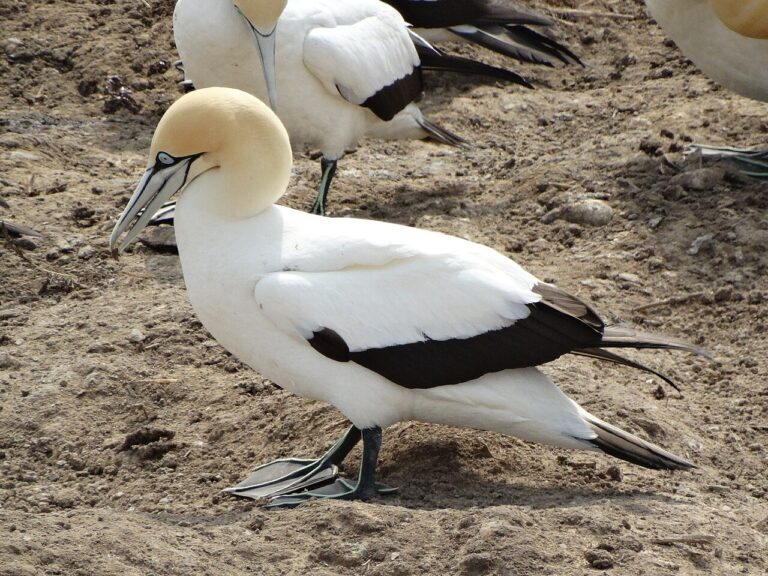 The Sardine Run: Diving Africa’s Greatest Marine SpectacleEvery winter, vast shoals of sardines move up South Africa's east coast, followed by dolphins, sharks, gannets and…
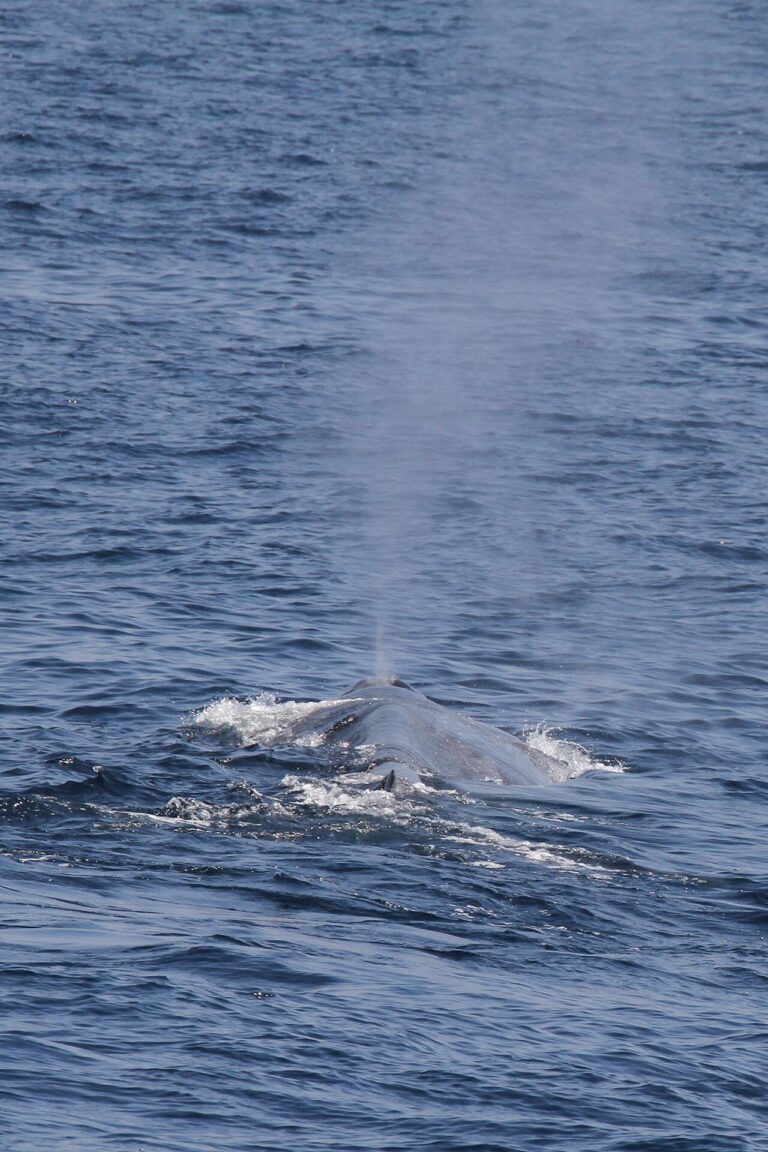 Blue Whale Watching in MirissaThe largest animal ever to have lived feeds just off Sri Lanka's south coast. When to go, and…