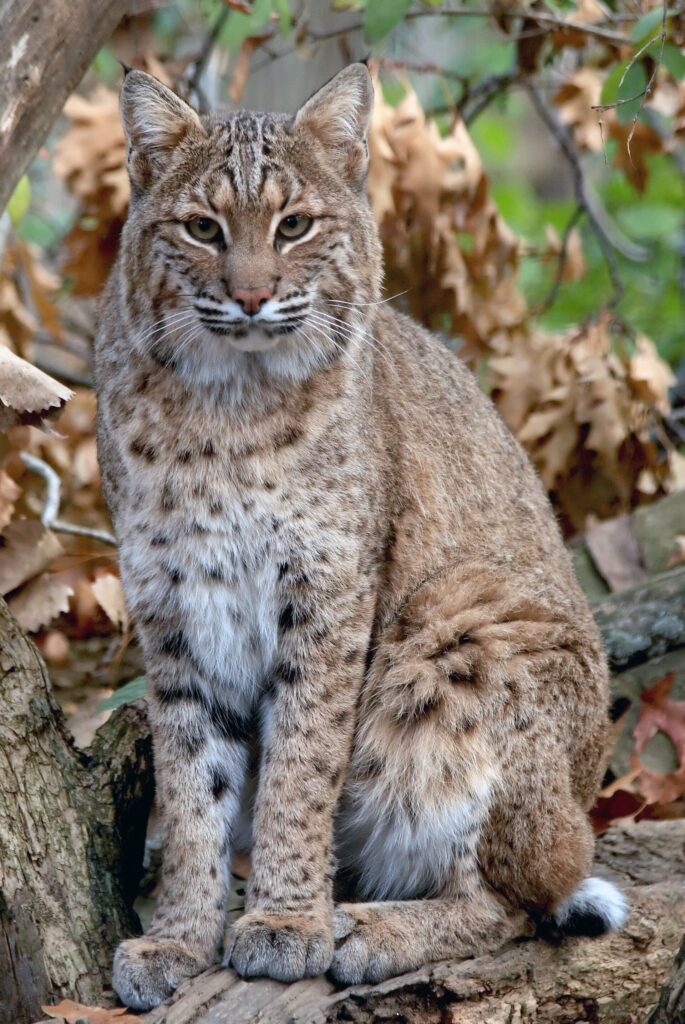
Bobcat
The bobcat is the most common wild cat in North America, with an estimated population of well over two million.
The bobcat is the most common wild cat in North America, with an estimated population of well over two million.
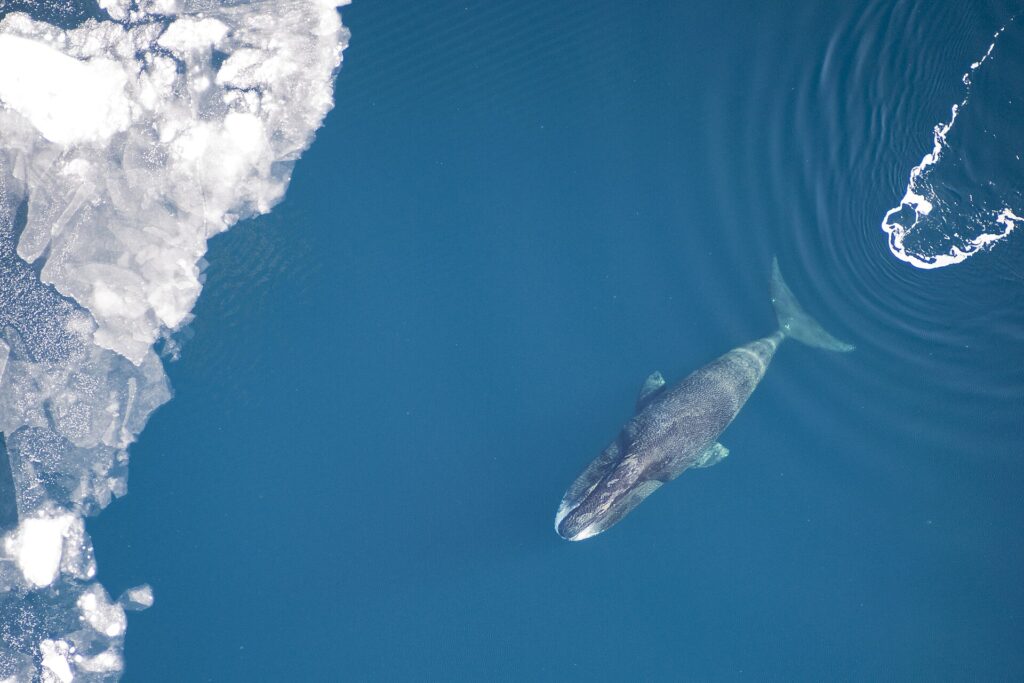
Bowhead whales can live for more than 200 years, making them the longest-lived mammals known.
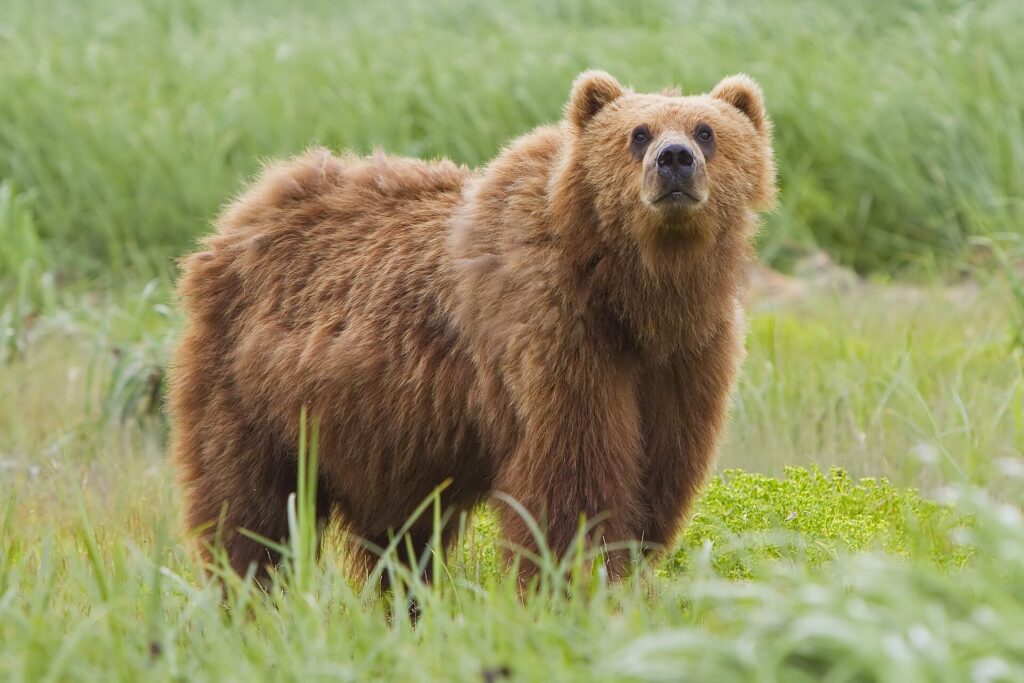
Before hibernating, a brown bear can gain more than a kilogram of fat a day, then survive for months without eating, drinking or passing waste.
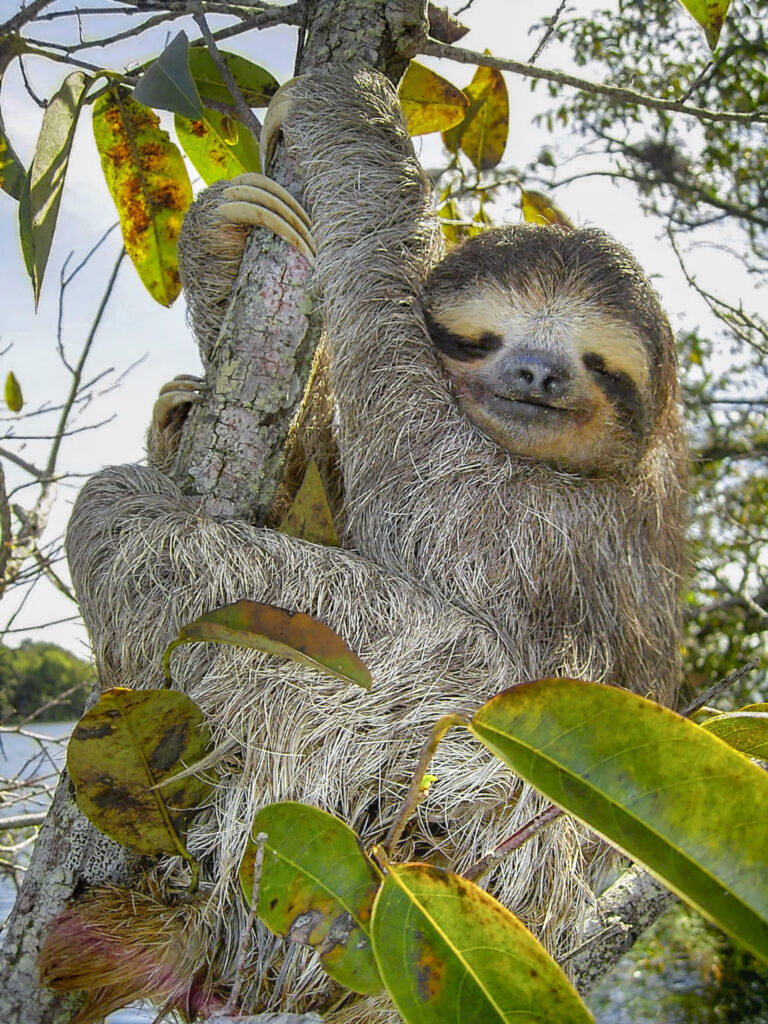
A sloth’s slow metabolism means a single leaf meal can take a month or more to digest completely.
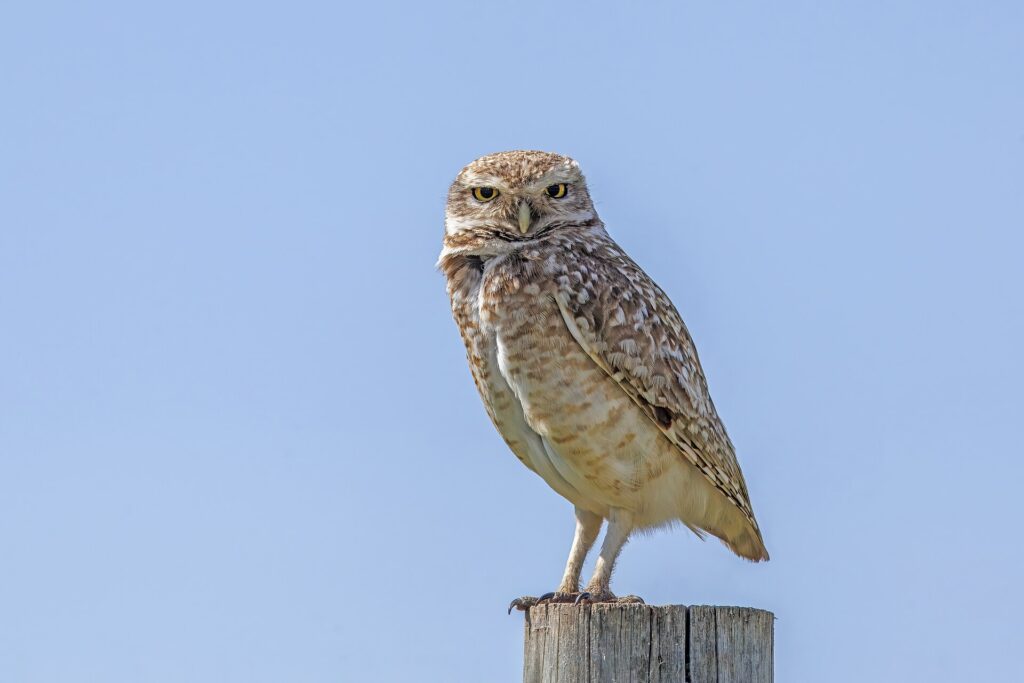
When threatened in their burrow, young burrowing owls make a hissing call that sounds remarkably like a rattlesnake.
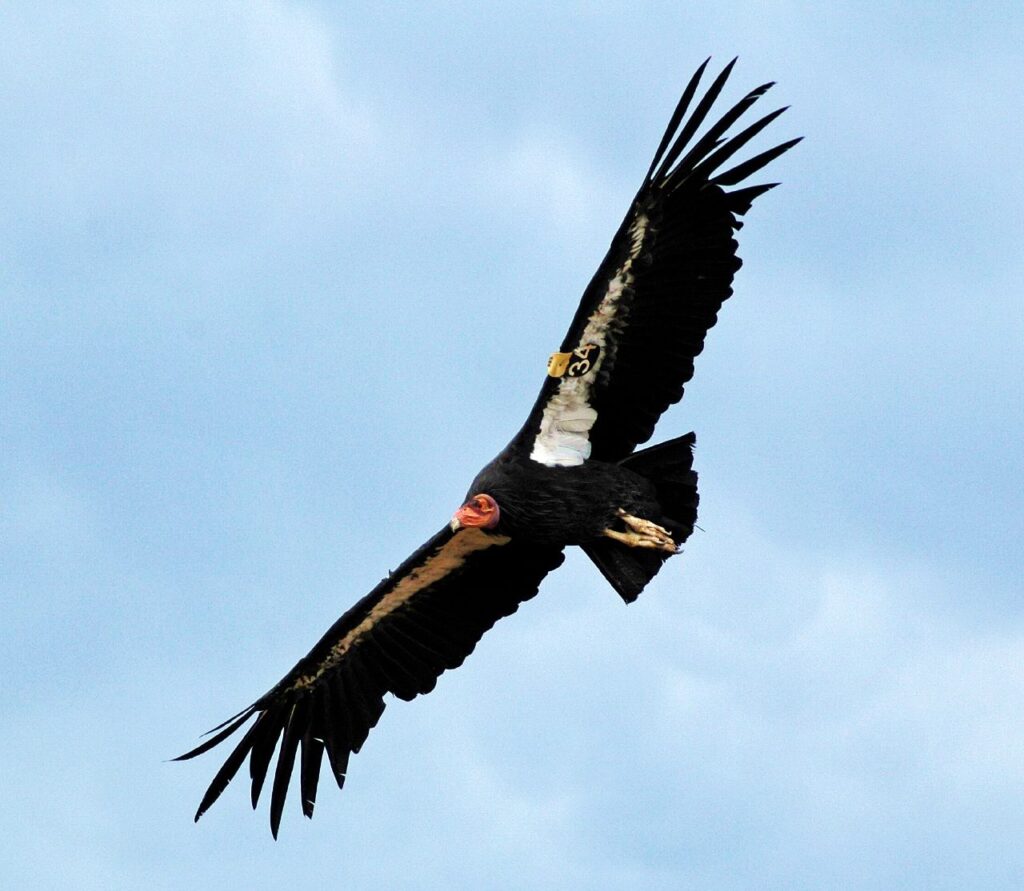
In 1987, the last 27 California condors were captured for captive breeding. Today there are more than 500, over half flying free.
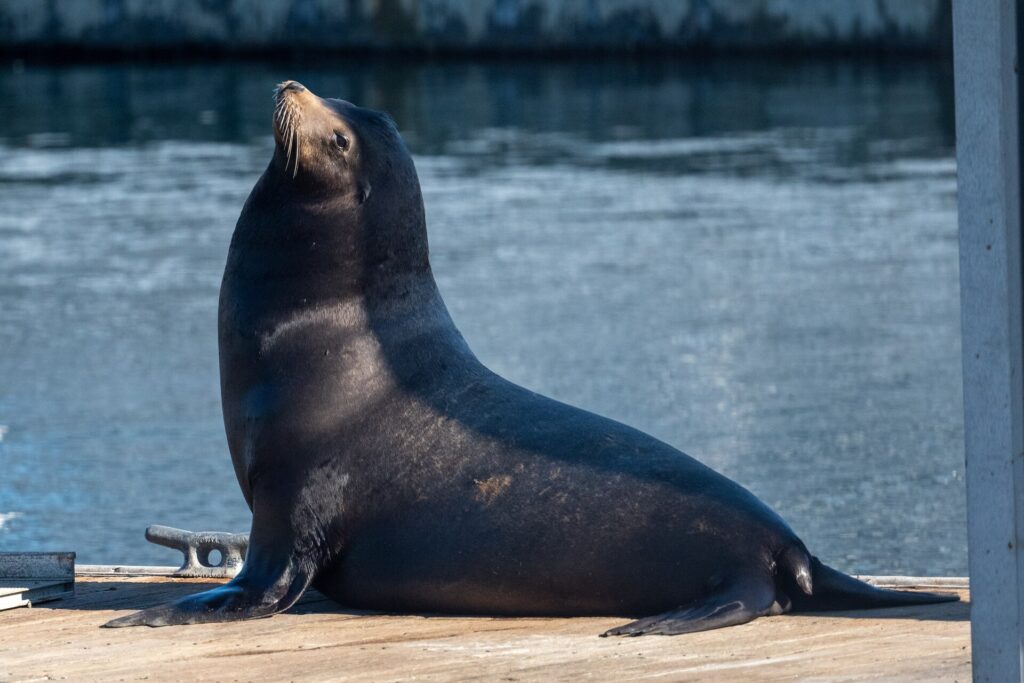
California sea lions are so intelligent and trainable that the US Navy has trained them to find and mark objects underwater.
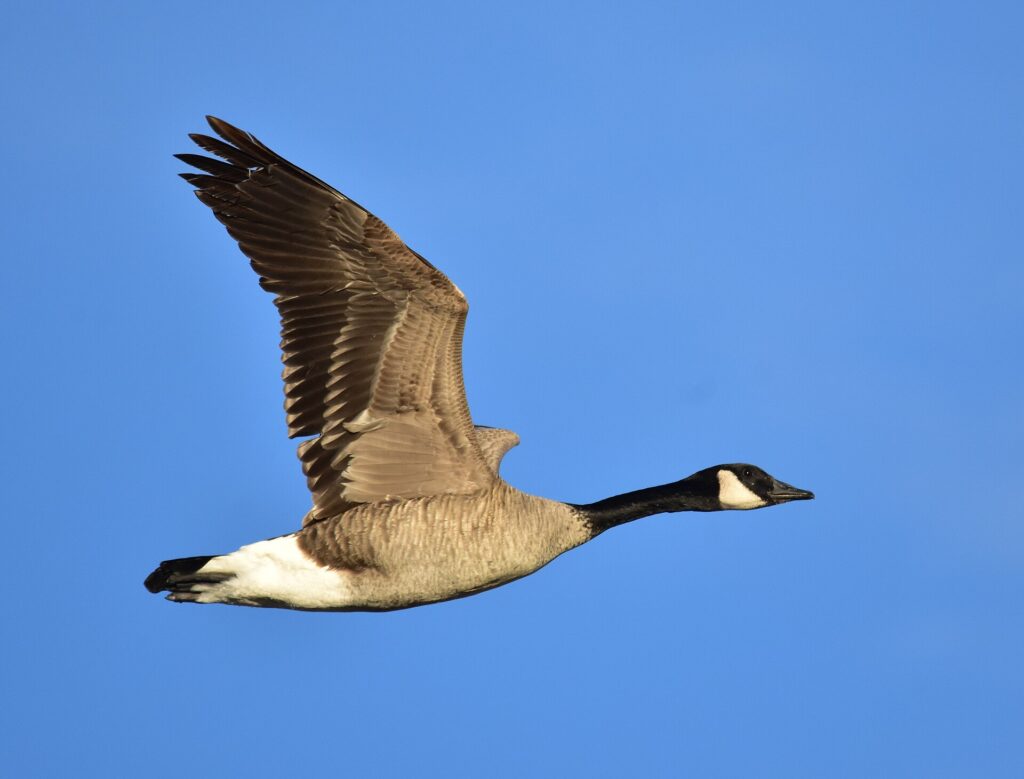
Flying in a V-formation saves energy, as each goose rides the rising air from the wingtips of the bird ahead.
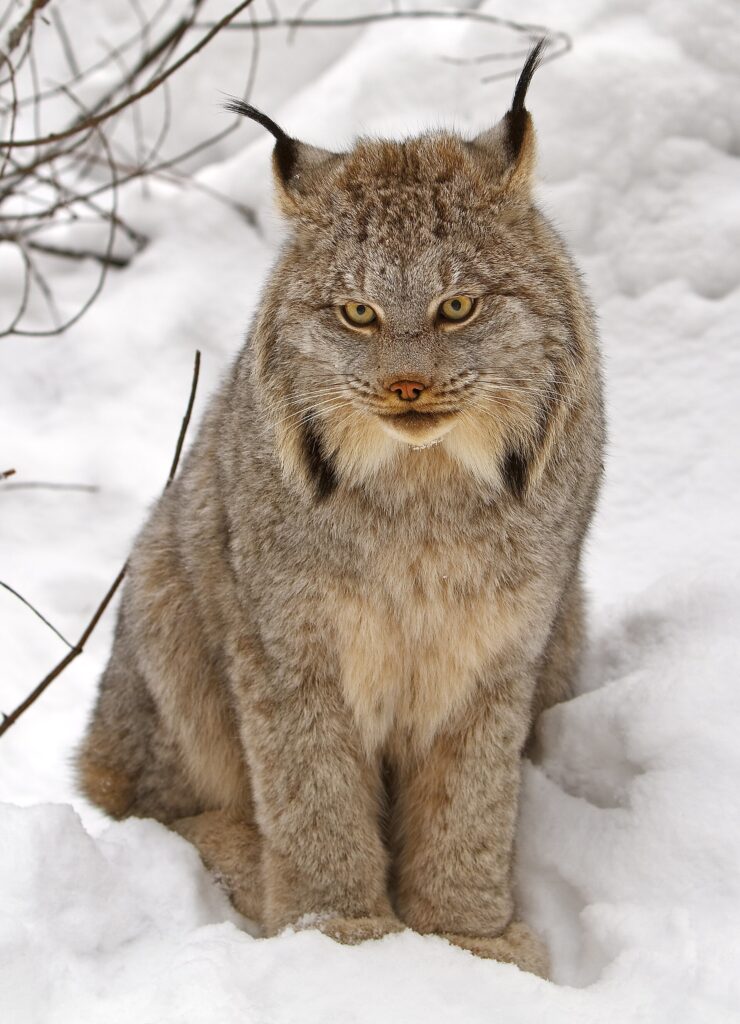
Canada lynx numbers rise and fall in a regular 10-year cycle that follows the boom and bust of snowshoe hare populations.
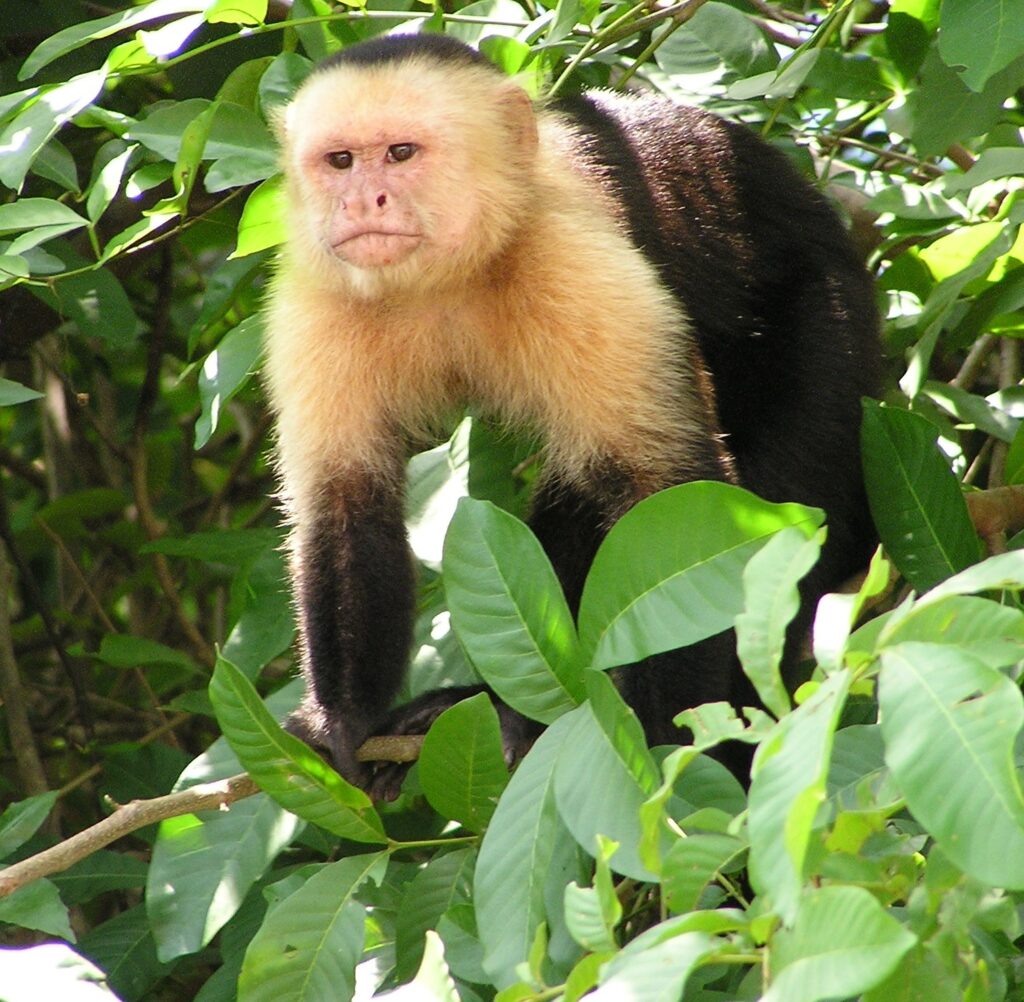
Bearded capuchins in Brazil crack nuts with stone hammers and anvils, and archaeologists have found evidence of this tool use going back about 3,000 years.
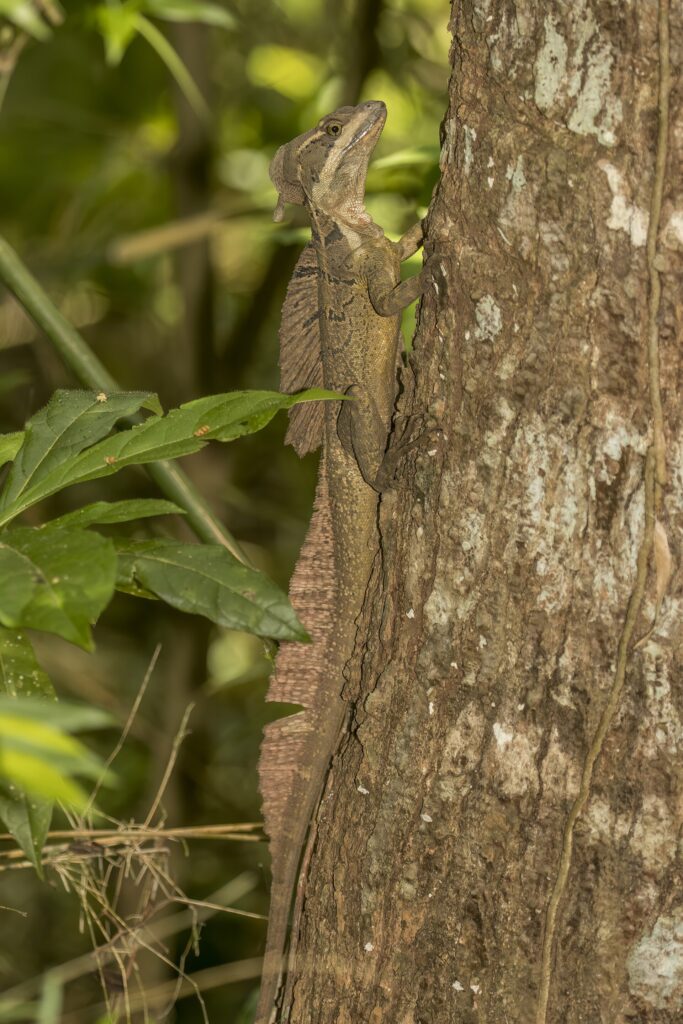
The basilisk can run across the surface of water on its hind legs, earning it the nickname ‘Jesus Christ lizard’.
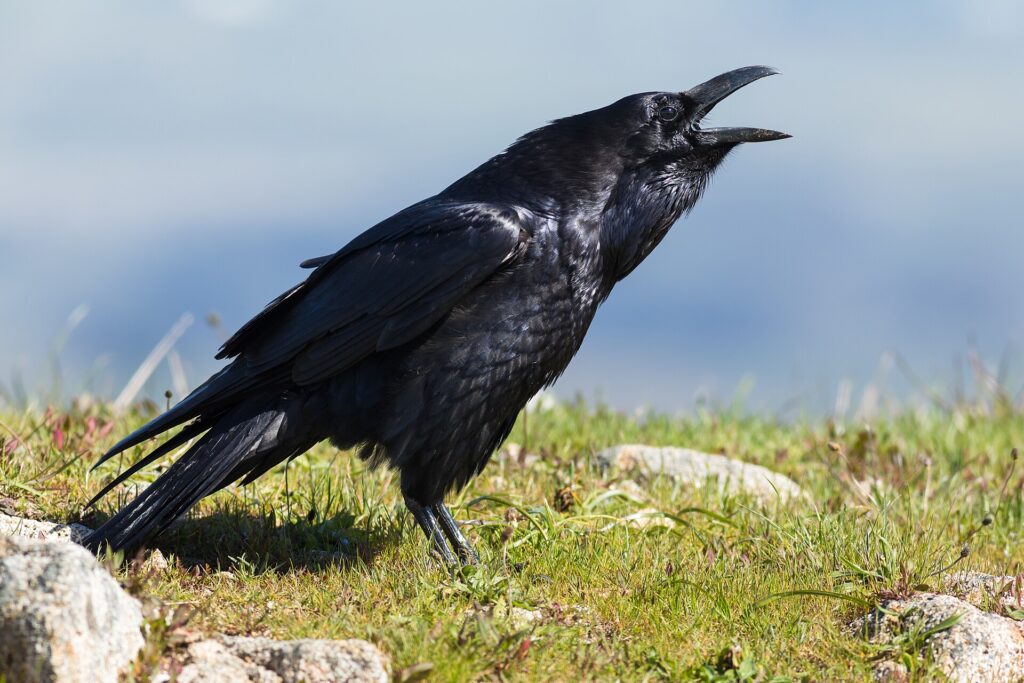
In experiments, ravens planned for the future as well as great apes, saving tools and tokens they would need later.
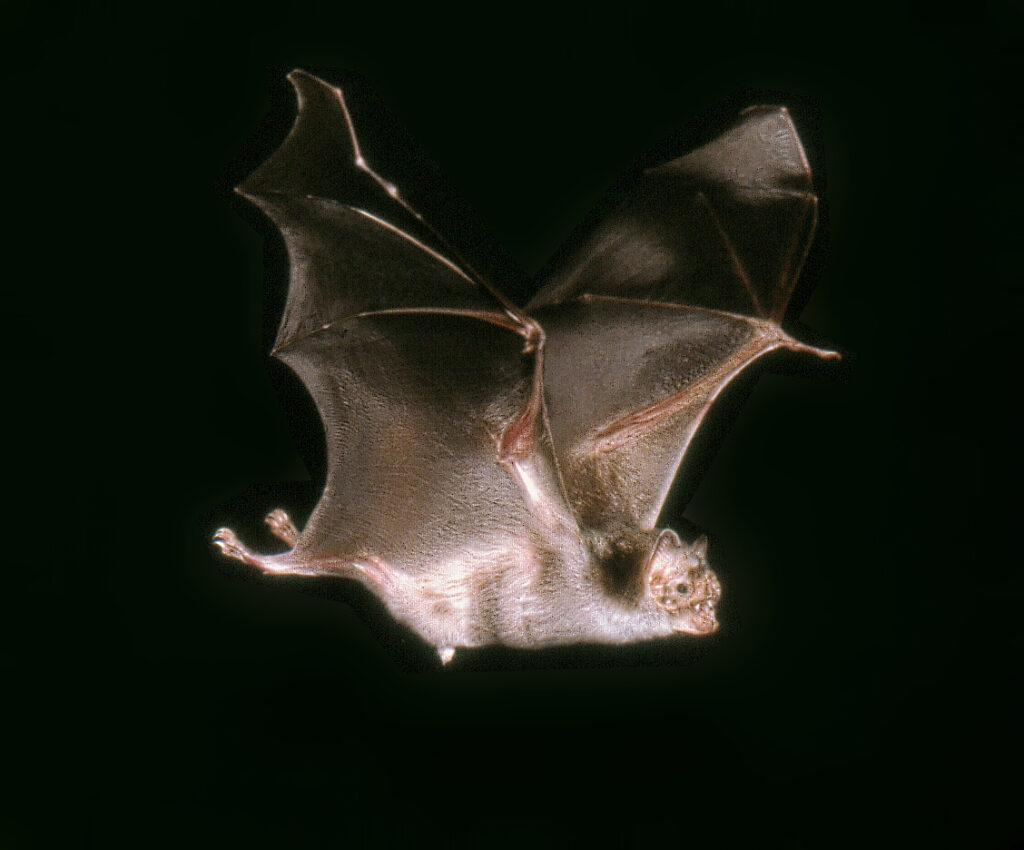
Vampire bats share blood with roost-mates that failed to feed, regurgitating meals for them, and they are more likely to help bats that helped them before.
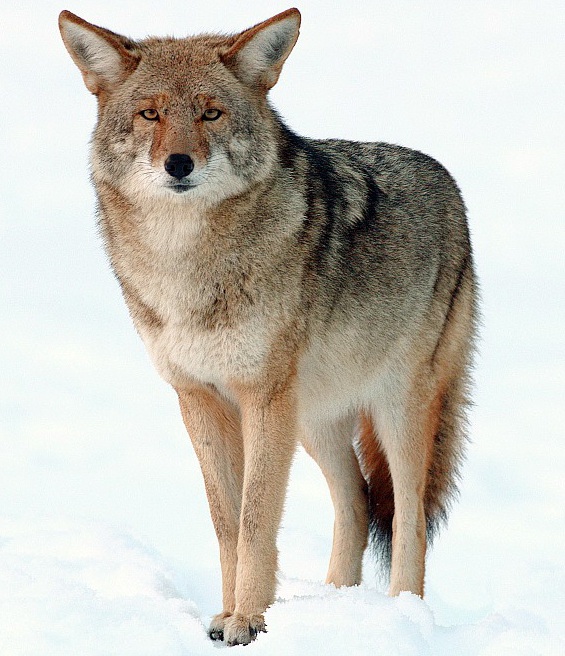
Coyotes have expanded their range enormously since 1900, spreading from the central plains to the Atlantic coast, Alaska and Panama.
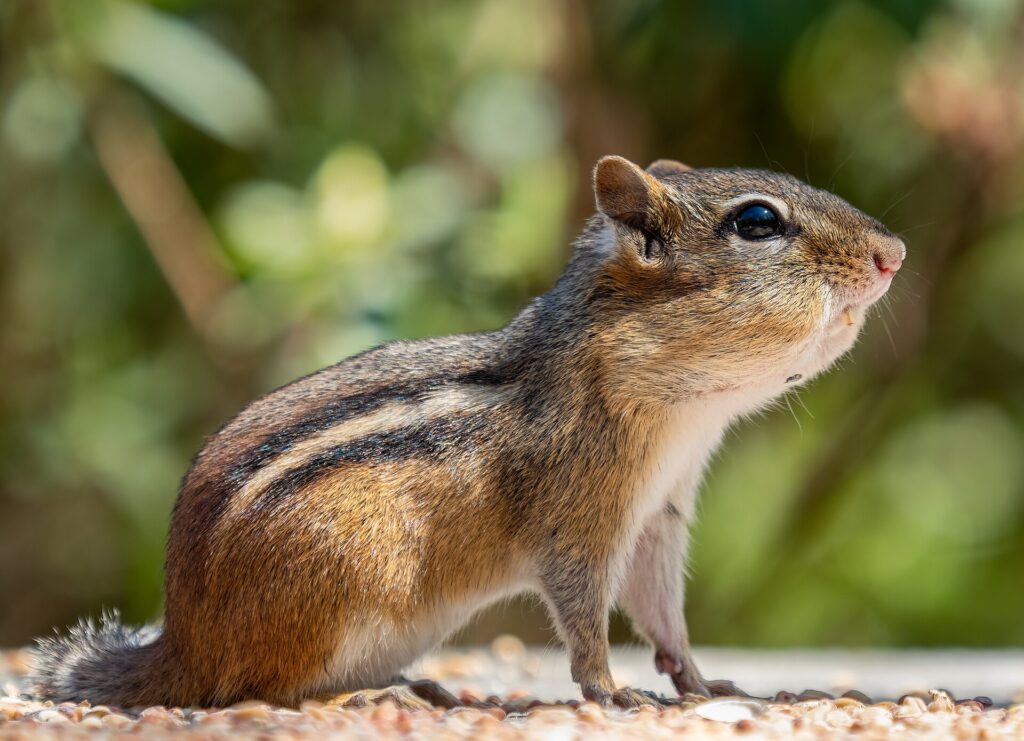
A chipmunk’s cheek pouches stretch to hold many seeds at once, letting it carry dozens of sunflower seeds or several acorns back to its burrow in one trip.
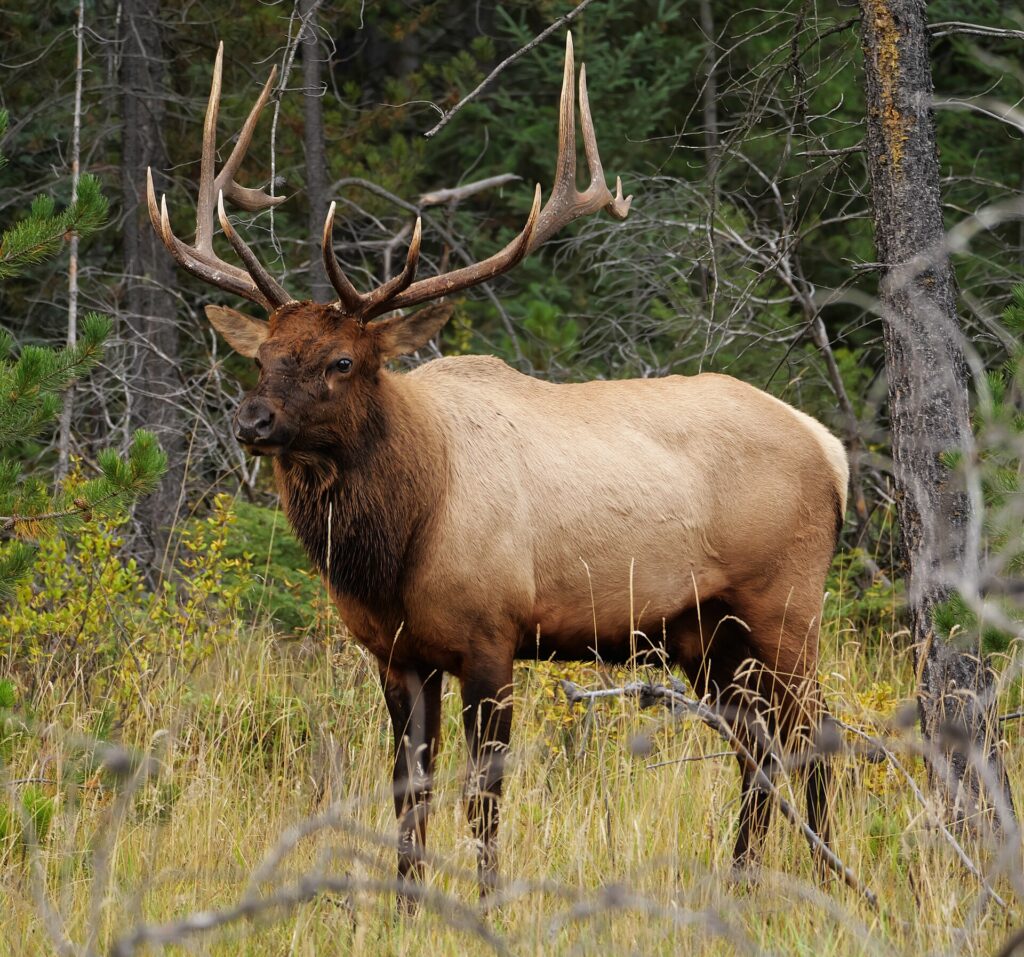
A bull elk’s antlers can grow up to about 2.5 cm a day in summer, making them among the fastest-growing animal tissues.
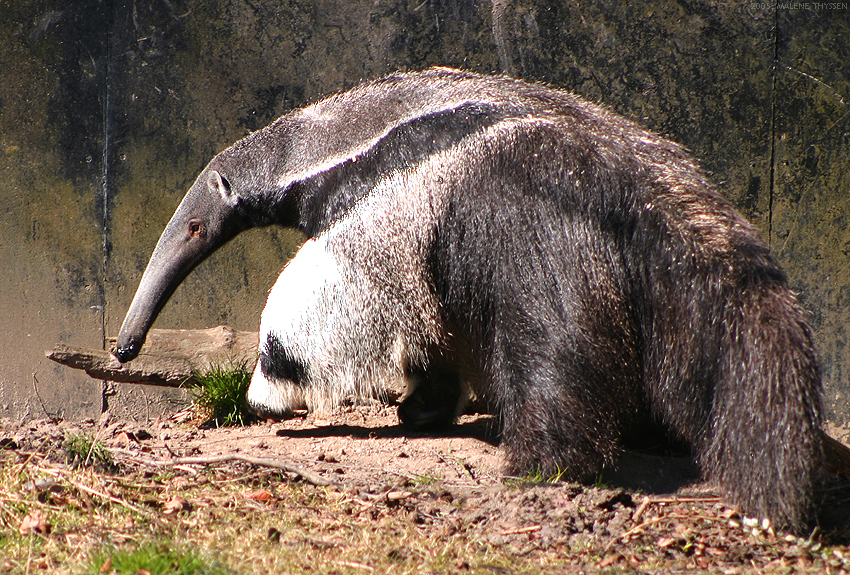
A giant anteater’s sticky tongue can be about 60 cm long and flick in and out up to about 150 times a minute.
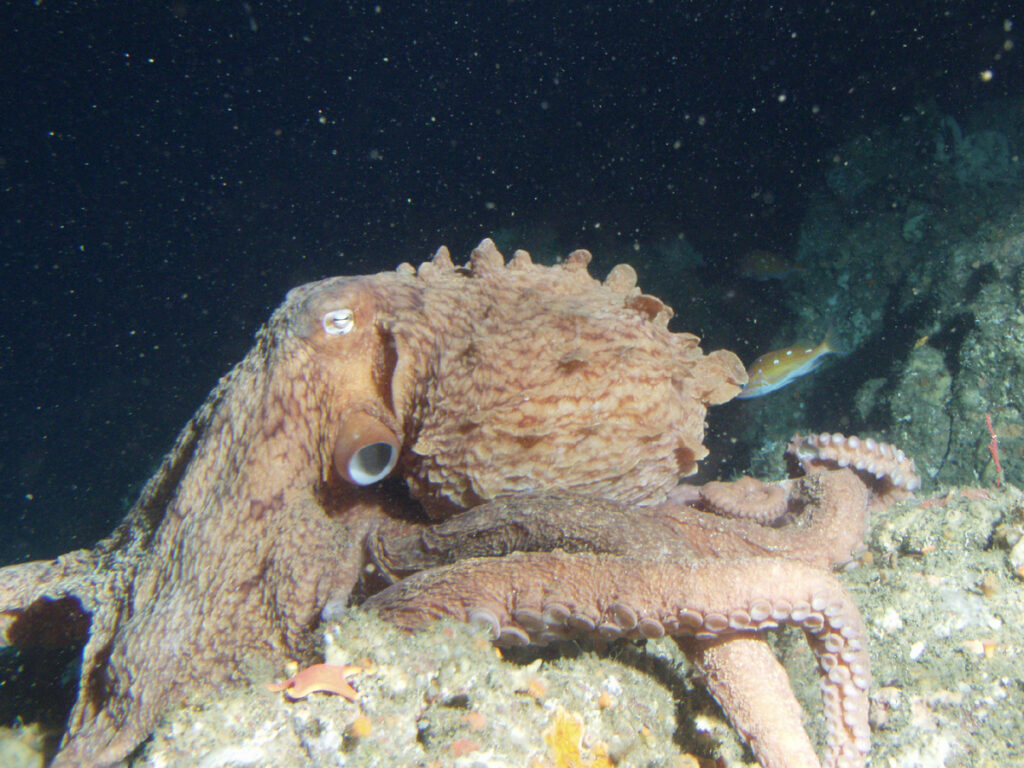
Giant Pacific octopuses can recognise individual people: in one aquarium study, they treated keepers differently depending on who had fed or teased them.
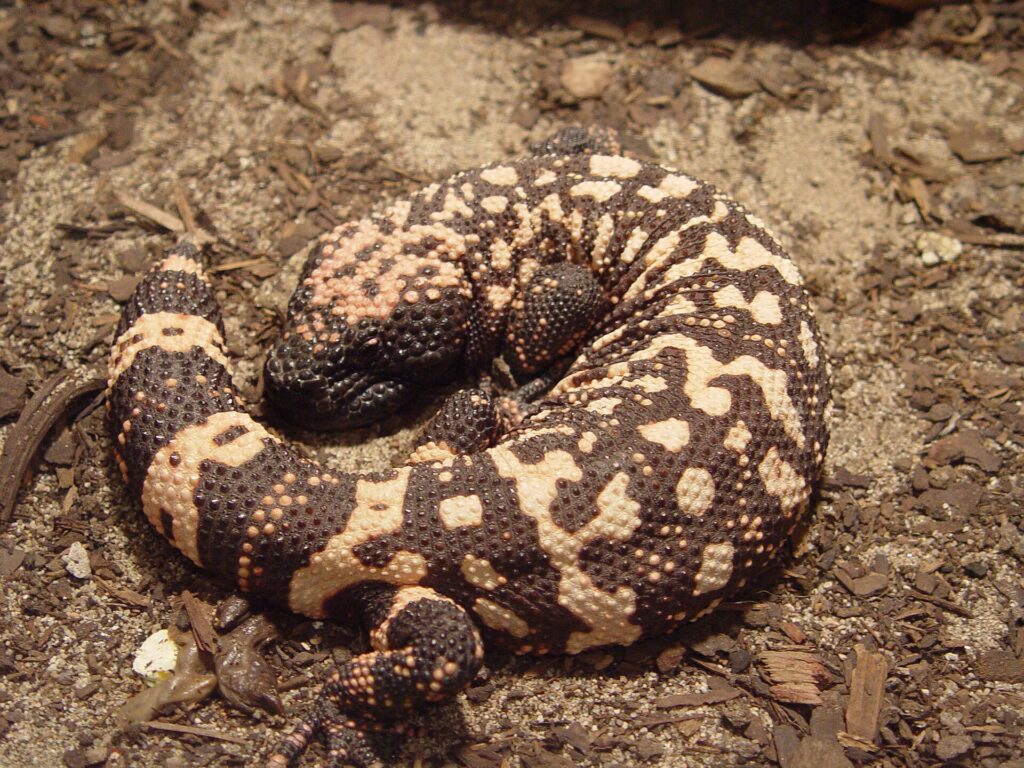
A hormone found in Gila monster saliva led to exenatide, the first of a group of modern diabetes drugs known as GLP-1 medicines.
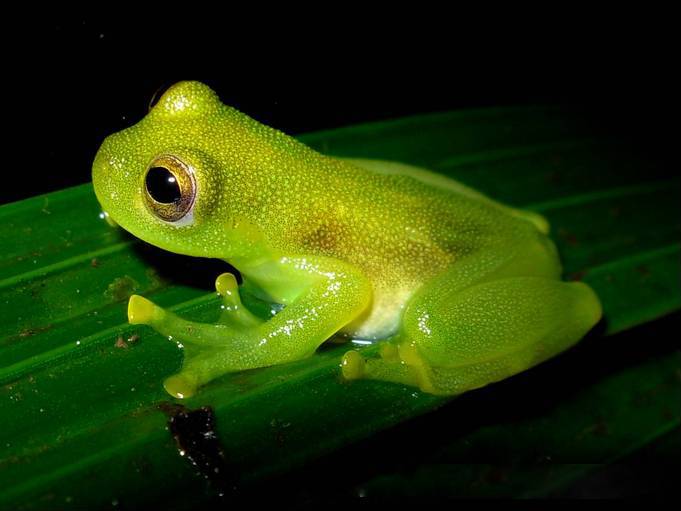
While sleeping, glass frogs hide most of their red blood cells in their liver, which makes their bodies up to about twice as transparent.
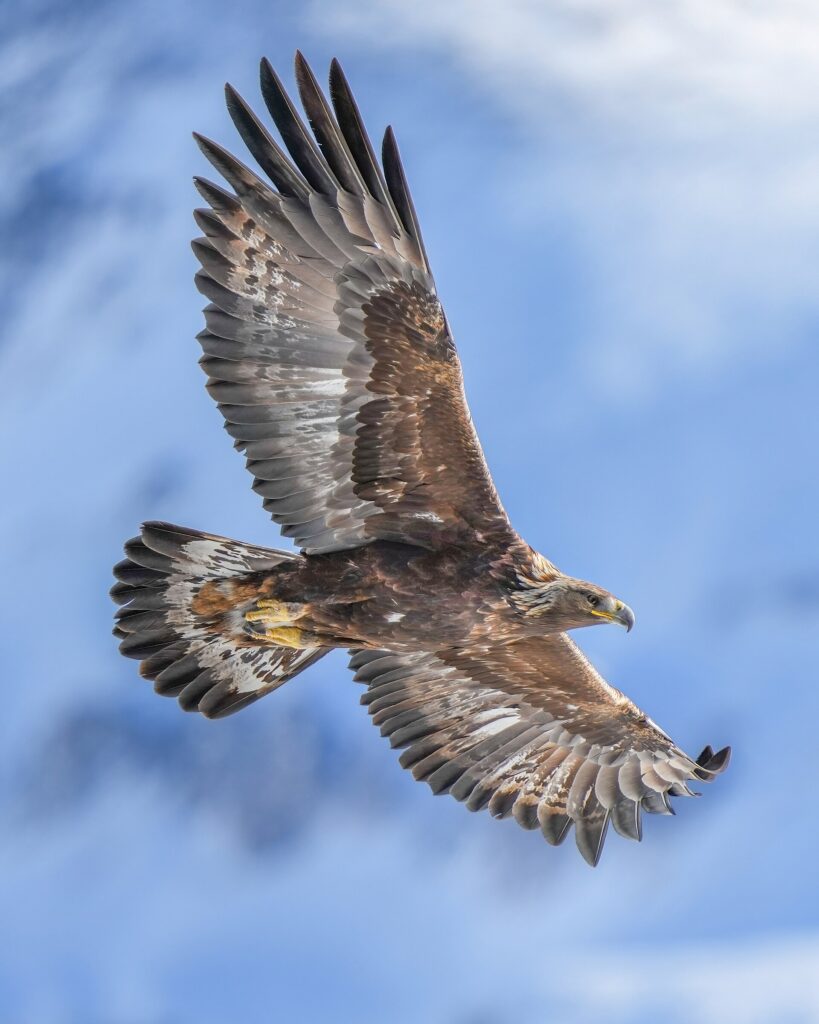
In the mountains of Mongolia and Kazakhstan, eagle hunters have trained golden eagles for centuries to hunt foxes and even wolves.
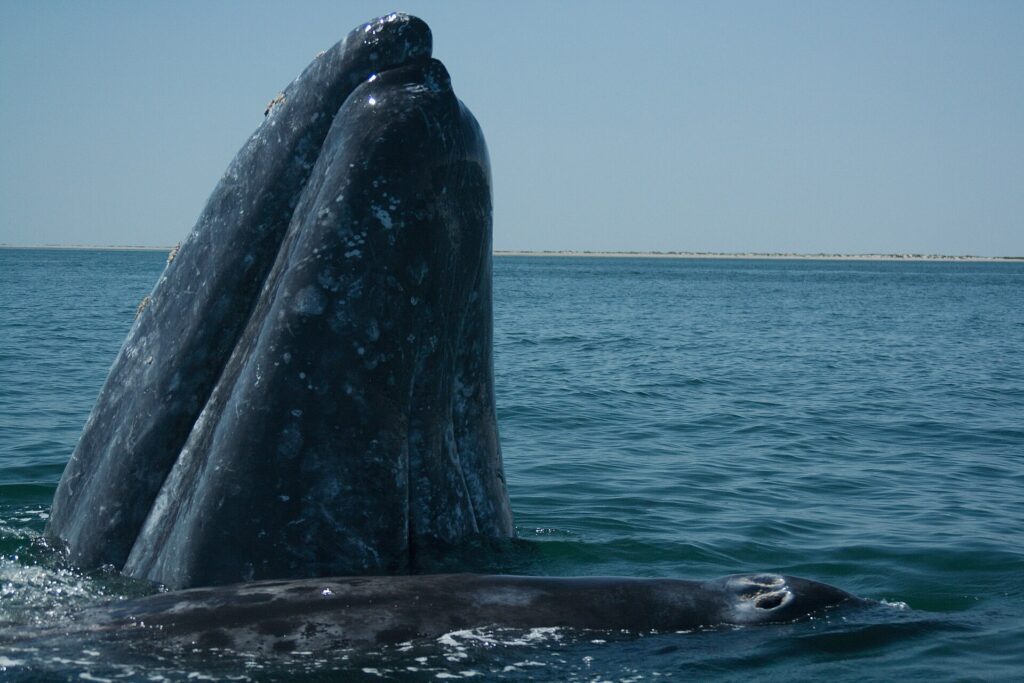
A female gray whale tracked by satellite swam about 22,500 km in a single round trip, one of the longest migrations recorded for any mammal.
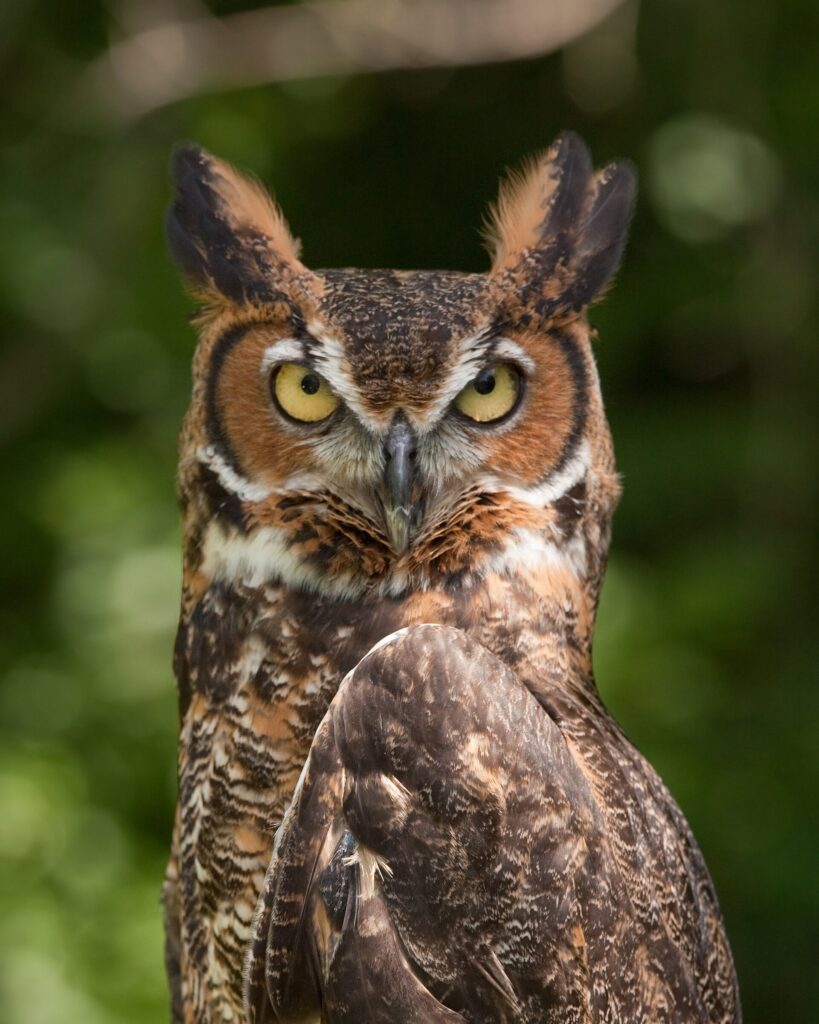
Great horned owls are one of the few predators that regularly eat skunks, probably because, like most birds, they have a poor sense of smell.
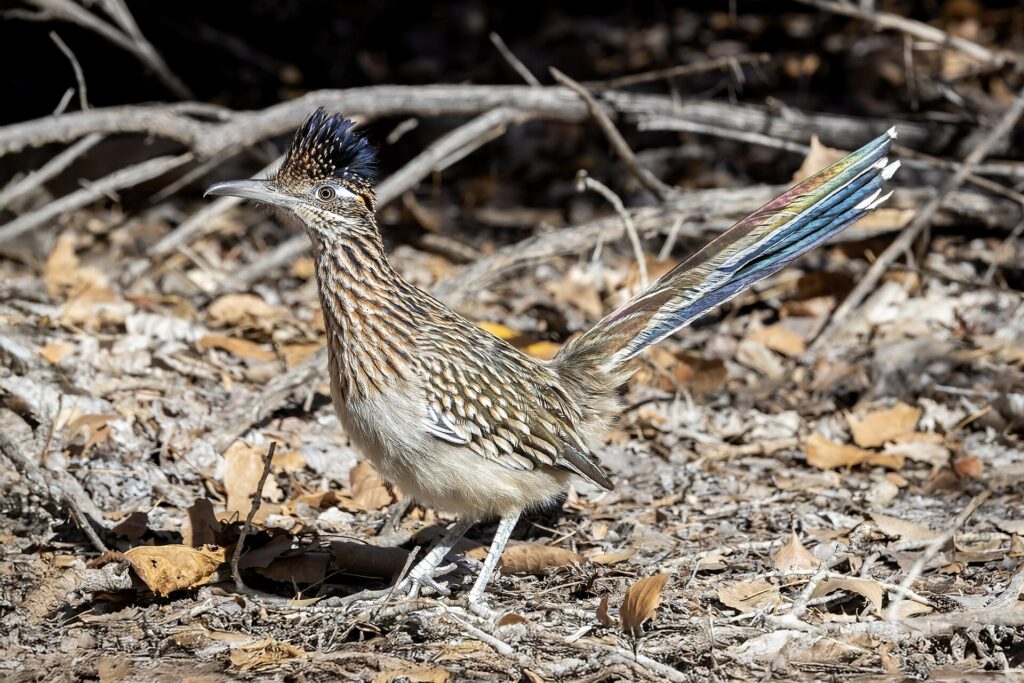
Roadrunners hunt rattlesnakes, grabbing them behind the head and bashing them against rocks, sometimes teaming up with a partner.