The Atlantic puffin is a small seabird of the auk family that spends most of its life at sea, coming ashore only to breed. It was listed as Vulnerable because of declines in several major colonies, linked mainly to changes in the availability of small fish.
Interesting facts
- The colourful bill plates are shed after the breeding season, leaving a smaller, duller bill in winter.
- Puffins nest in burrows, which they dig with their bills and feet or take over from rabbits.
- They ‘fly’ underwater using their wings and can dive to around 60 m.
- Pairs often return to the same burrow year after year.
- Iceland holds the largest population of Atlantic puffins.
- Nicknames include ‘sea parrot’ and ‘clown of the sea’.
Behaviour
Puffins breed in large colonies on grassy cliff tops and islands. On land they are comical and social, but at sea they spend the winter alone far offshore.
Breeding and young
Each pair raises a single chick, called a puffling, fed by both parents for about six weeks. Pufflings leave the burrow at night and head straight out to sea.
Threats and conservation
Declining sand eel and other prey due to warming seas and overfishing, invasive predators such as rats on some islands, oil pollution and hunting in some places.
Where to see it
- Westman Islands and Látrabjarg, Iceland
- Farne Islands and Skomer, UK
- Shetland and Orkney, Scotland
- Machias Seal Island, Maine and Canada
Status source: IUCN Red List. Profile last reviewed September 2026.
Where to see the atlantic puffin
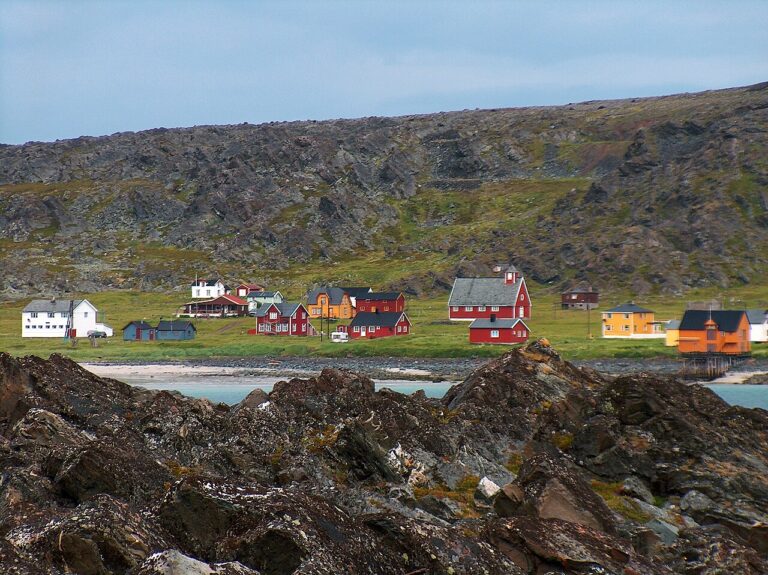 Varanger: Arctic Birding in NorwayNorway's far north-east corner offers Arctic birds that are hard to find anywhere else in Europe. When to…
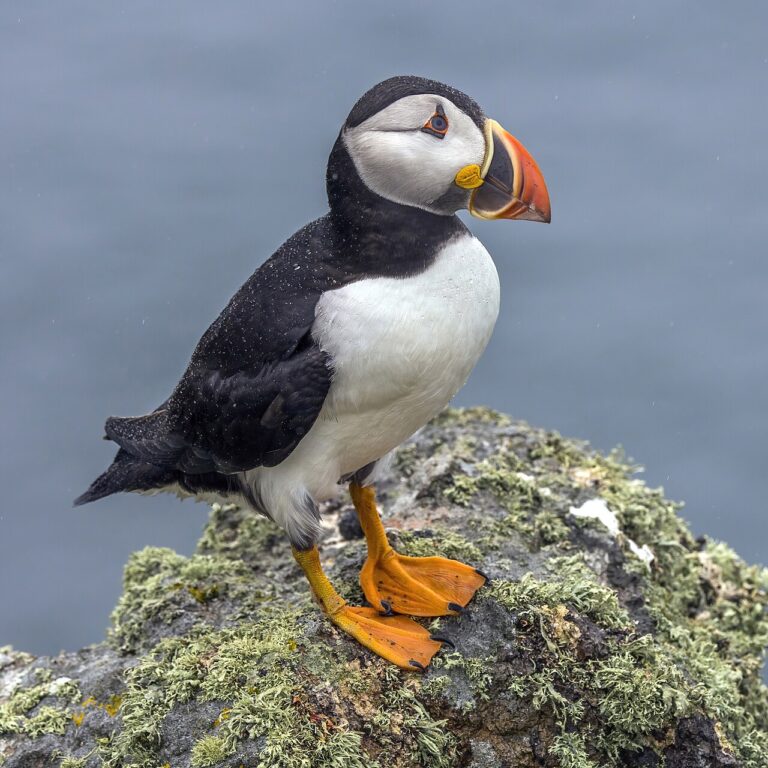 Where to See Puffins in IcelandIceland is home to more Atlantic puffins than anywhere else on Earth. The best places to see them,…
 Scotland Wildlife Guide: Red Deer, Otters, Eagles and PuffinsFrom sea eagles on Mull to dolphins in the Moray Firth, Scotland offers some of Europe's best wildlife…