The vaquita is a tiny, shy porpoise found only in the northern Gulf of California. It has declined from several hundred animals in the 1990s to just a handful, making it the most endangered marine mammal on Earth.
Interesting facts
- It is the smallest porpoise and one of the smallest cetaceans in the world.
- Vaquita means ‘little cow’ in Spanish.
- Dark rings around its eyes and dark lips give it a distinctive face.
- It has the smallest range of any marine mammal.
- Scientists only described the species in 1958.
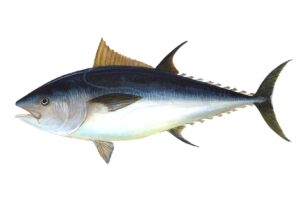
- Most vaquitas die by drowning in gillnets set illegally for a fish called the totoaba.
Behaviour
Vaquitas are elusive, usually seen alone or in pairs, and avoid boats. They surface quietly and briefly, which makes them very hard to study.
Breeding and young
Females give birth to a single calf, perhaps every year or two, after a gestation of about 10–11 months. Scientists have seen healthy calves in recent surveys, a sign that the species could recover if deaths in nets stop.
Threats and conservation
Drowning in gillnets, especially illegal nets for the totoaba, whose swim bladder is smuggled for sale in East Asia. Enforcement of a gillnet ban is the only way to save the species.
Where to see it
- Not possible to see as a visitor; only researchers survey vaquitas
- The Upper Gulf of California and Colorado River Delta Biosphere Reserve protects their habitat
- Support organisations working on net removal and alternative fishing gear
- Choose sustainably caught seafood from the Gulf of California
Status source: IUCN Red List. Profile last reviewed September 2026.