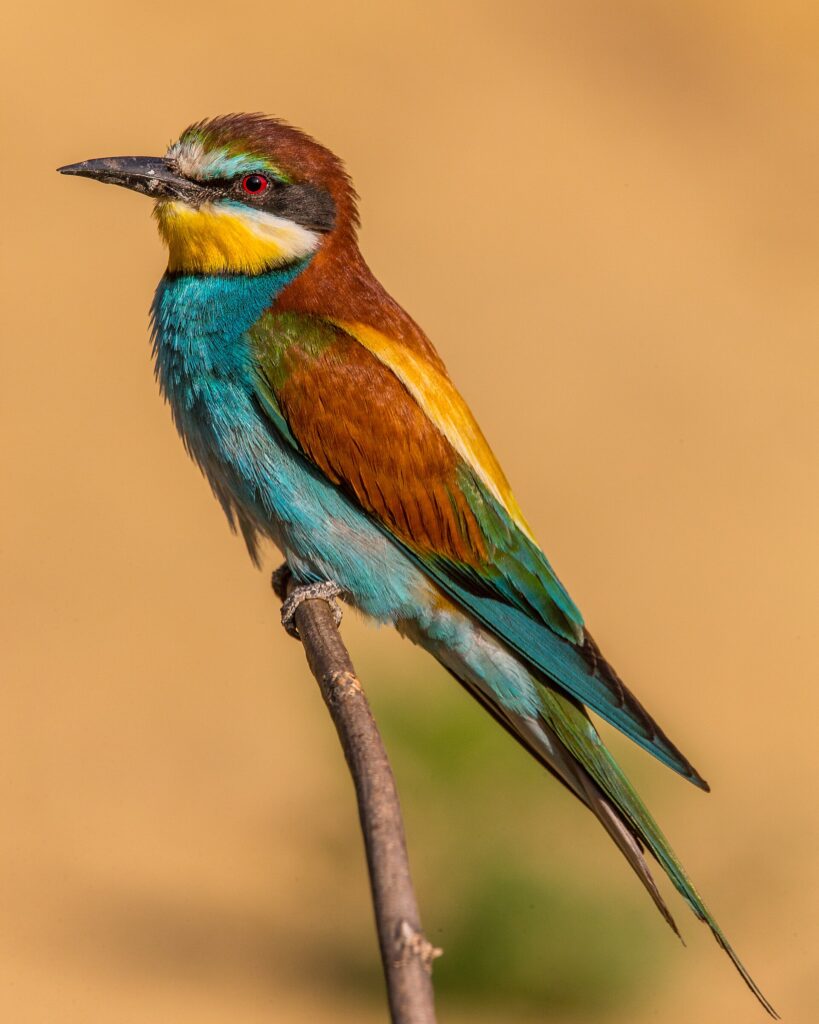
European Bee-eater
Bee-eaters catch bees and wasps in flight, then beat them against a branch and rub off the stinger before swallowing them.
Bee-eaters catch bees and wasps in flight, then beat them against a branch and rub off the stinger before swallowing them.
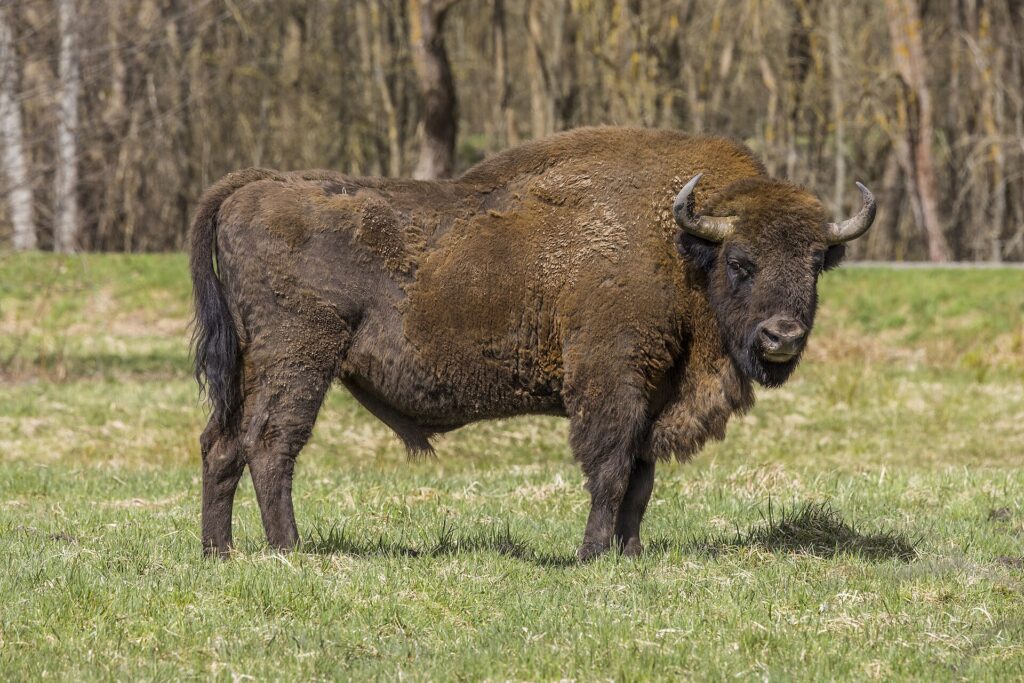
Every European bison alive today descends from just 12 animals kept in zoos after the species was hunted out of the wild by 1927.
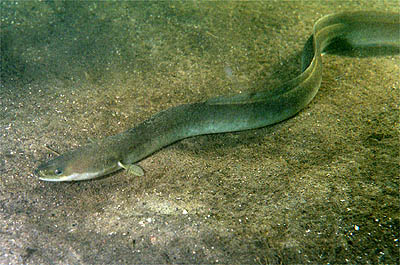
European eels swim about 5,000–6,000 km across the Atlantic to breed in the Sargasso Sea, yet no one has ever seen them spawning.
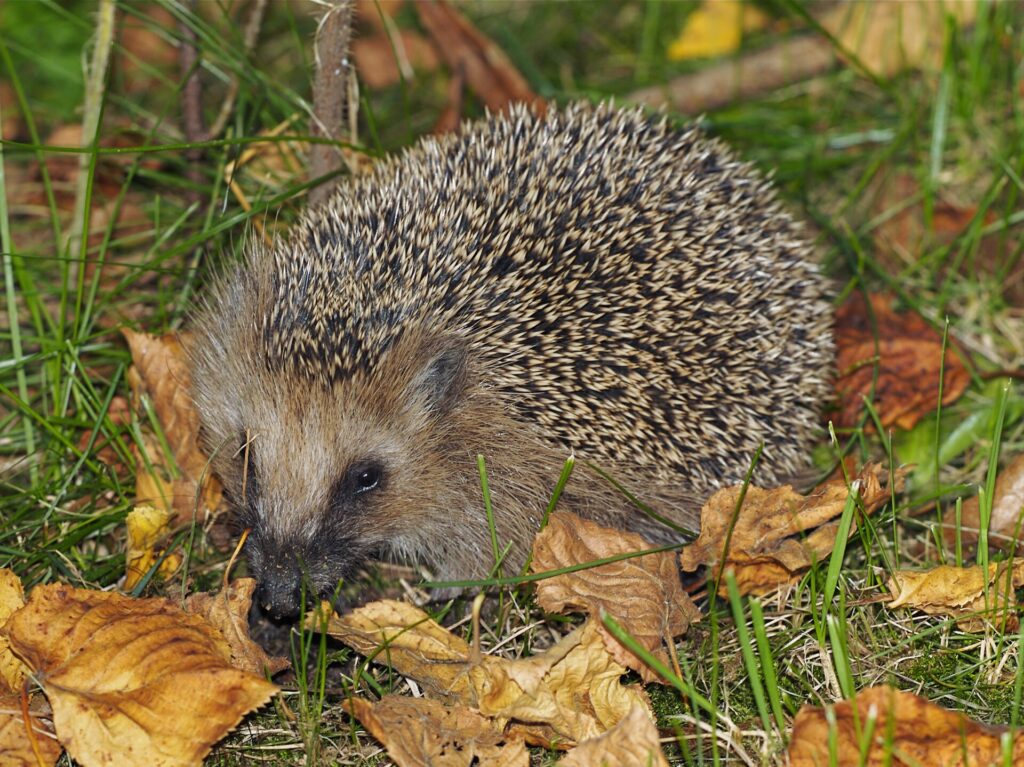
A hedgehog has about 5,000–7,000 spines, and it can roll into a tight ball so that only spines face an attacker.

The European rabbit is a pest across much of the world, yet it is Endangered in its native Spain and Portugal, where diseases have wiped out most of the population.
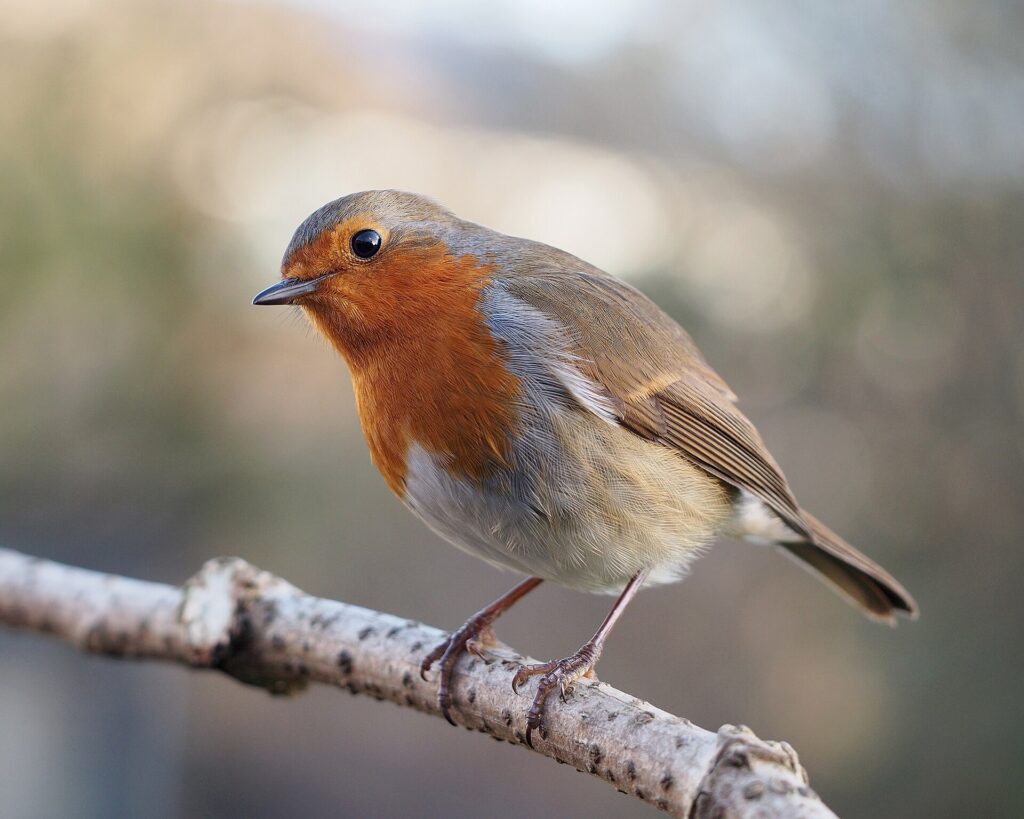
European robins were among the first animals shown to use Earth’s magnetic field to navigate, possibly through a quantum effect in their eyes.

Legend held that fire salamanders were born from flames, because they crawled out of logs thrown onto fires.
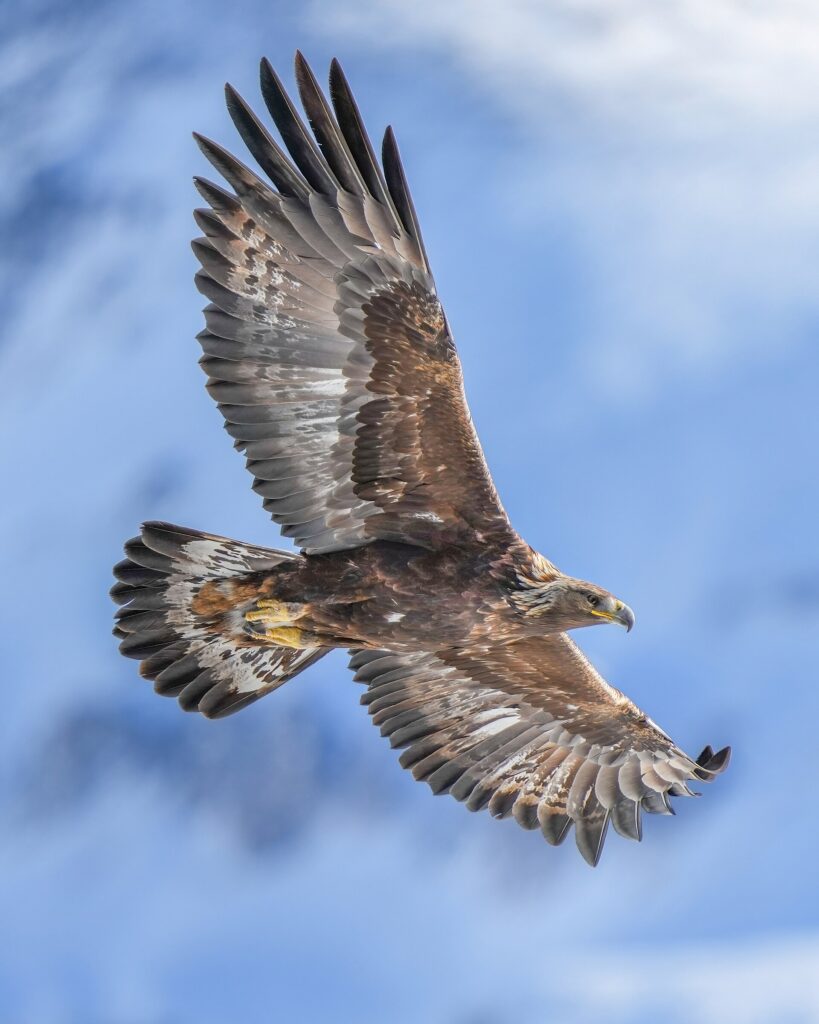
In the mountains of Mongolia and Kazakhstan, eagle hunters have trained golden eagles for centuries to hunt foxes and even wolves.
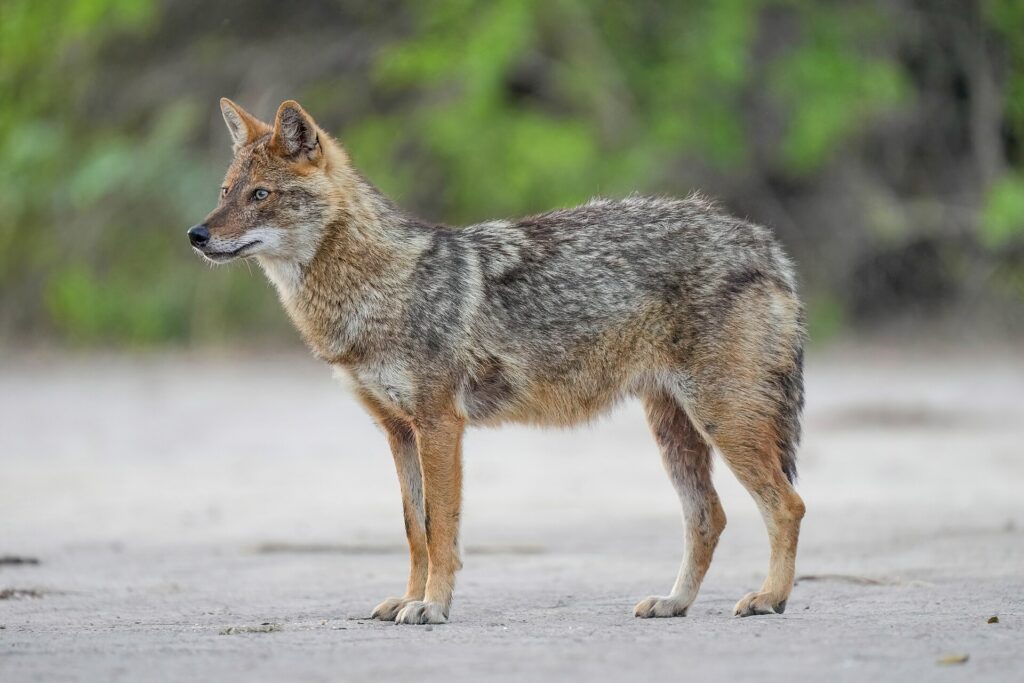
Golden jackals are spreading rapidly across Europe and have reached as far as the Netherlands, Denmark and the Baltic states.
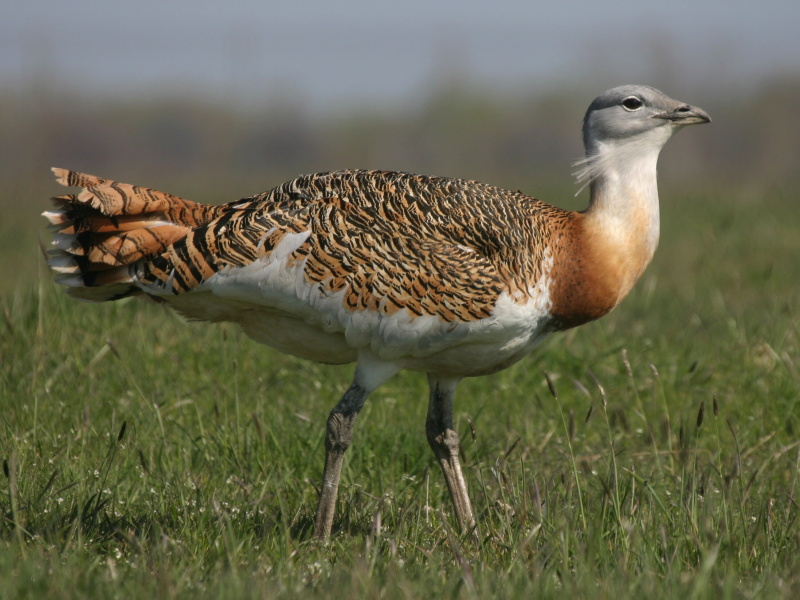
The male great bustard is one of the heaviest flying birds in the world, and in spring he puffs up into a white ‘foam bath’ display that makes him look like a giant feather ball.
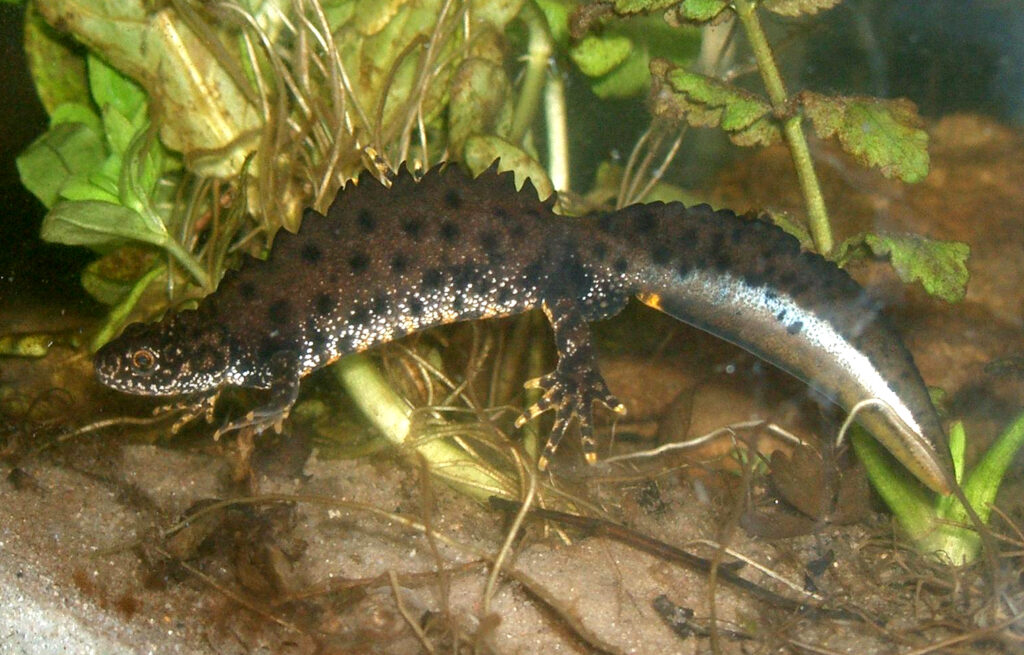
Each great crested newt has a unique pattern of black spots on its bright orange belly, like a fingerprint, which scientists use to identify individuals.
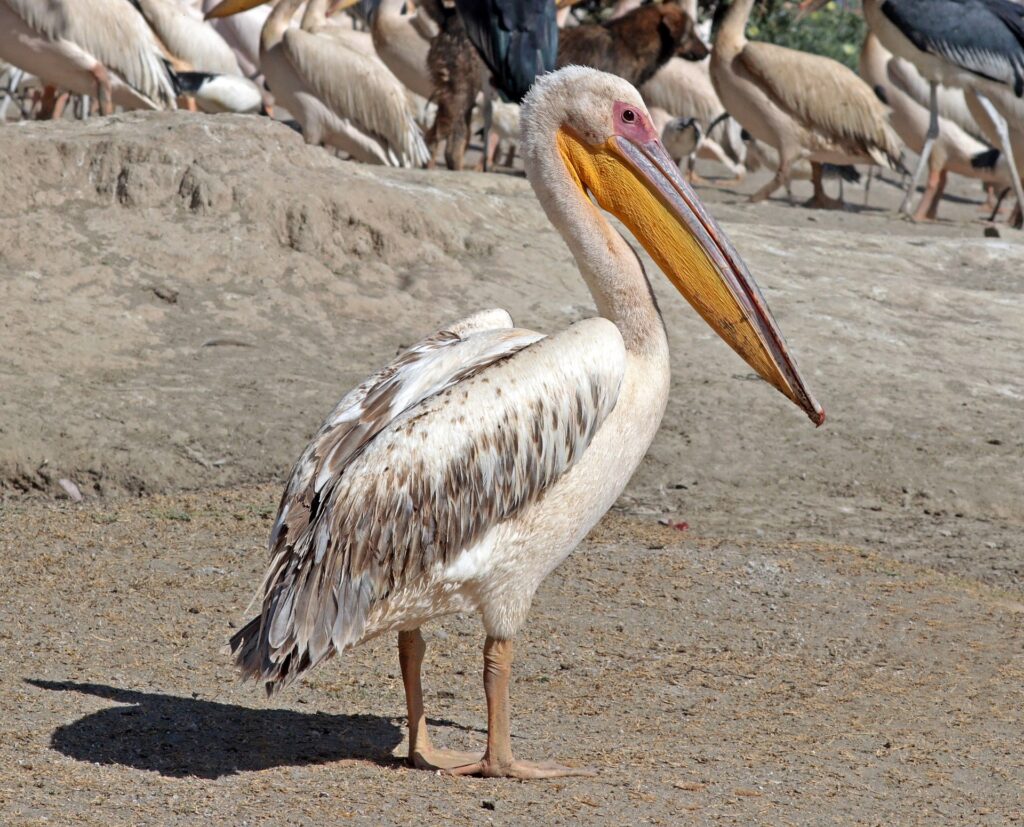
Great white pelicans fish as a team, swimming in a horseshoe formation to herd fish into shallow water before scooping them up together.
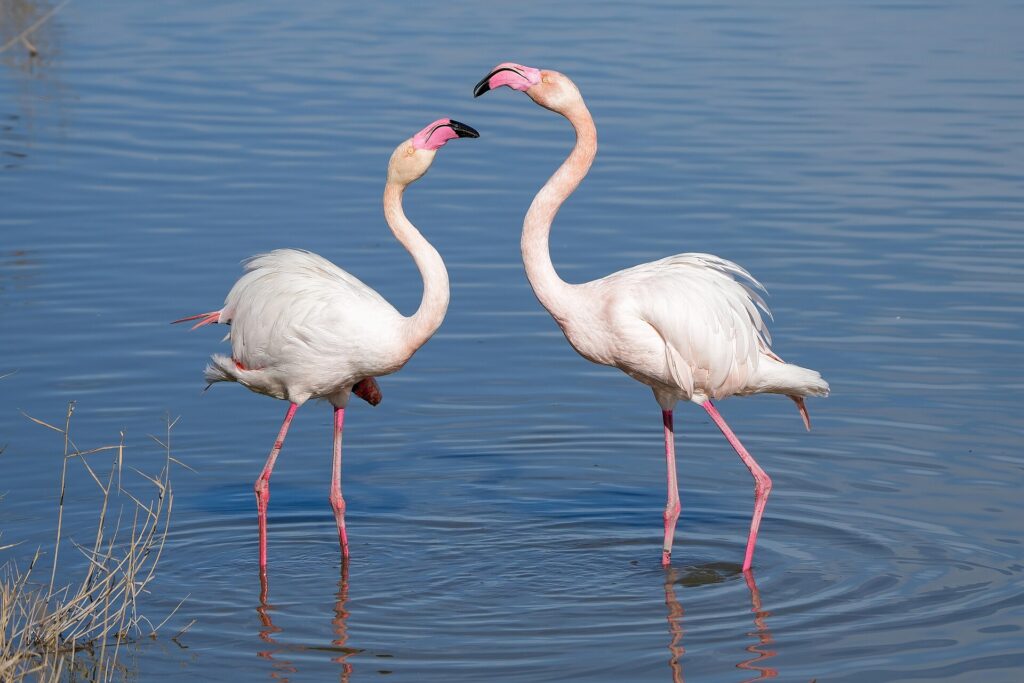
Flamingos are pink because of carotenoid pigments in the algae and shrimp they eat; chicks are born grey and white.
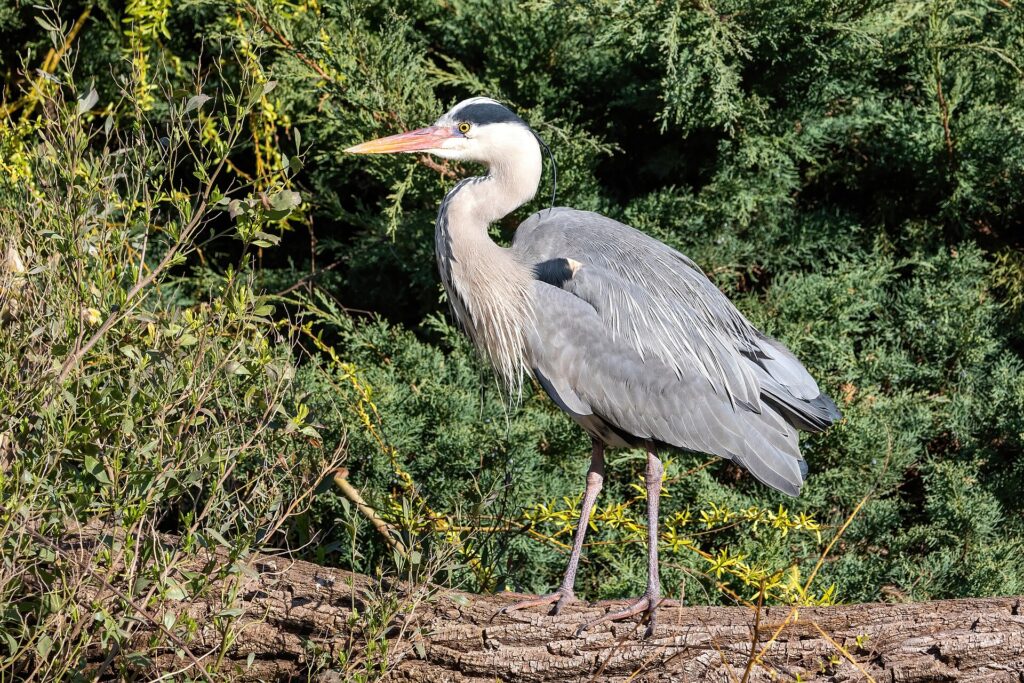
Britain’s Heronries Census has counted nesting grey herons since 1928, making it the longest-running census of breeding birds in the world.
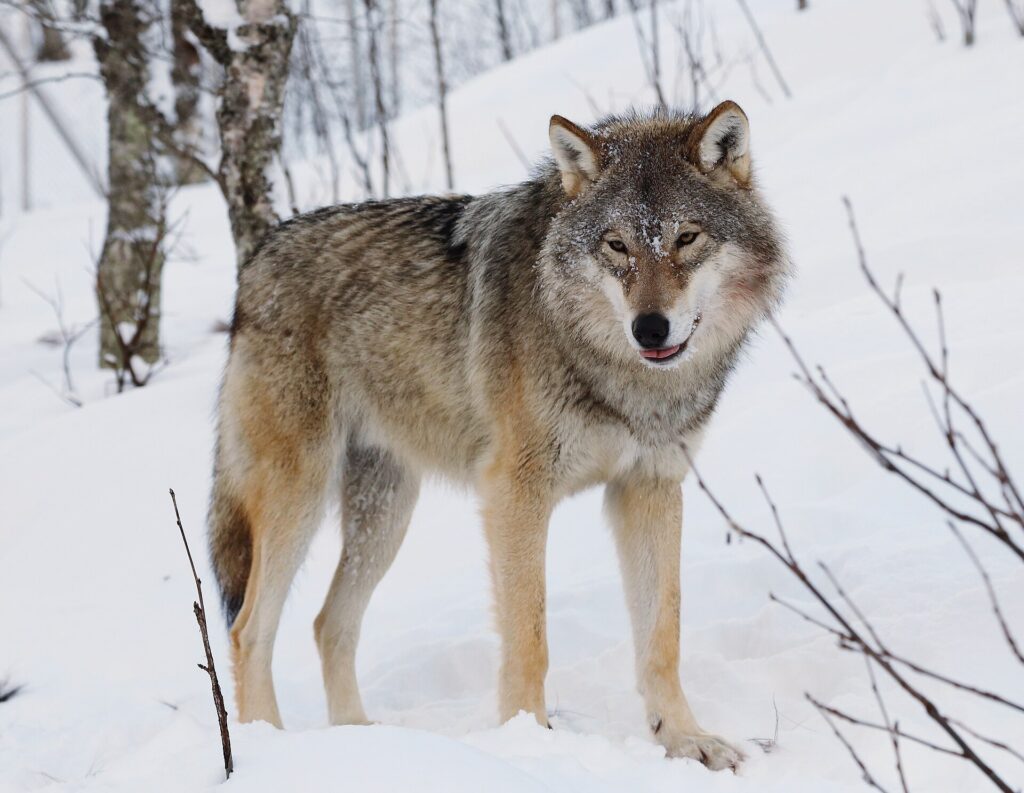
A wolf pack can travel over 50 km in a day, and dispersing young wolves have walked more than 1,000 km to find new territories.
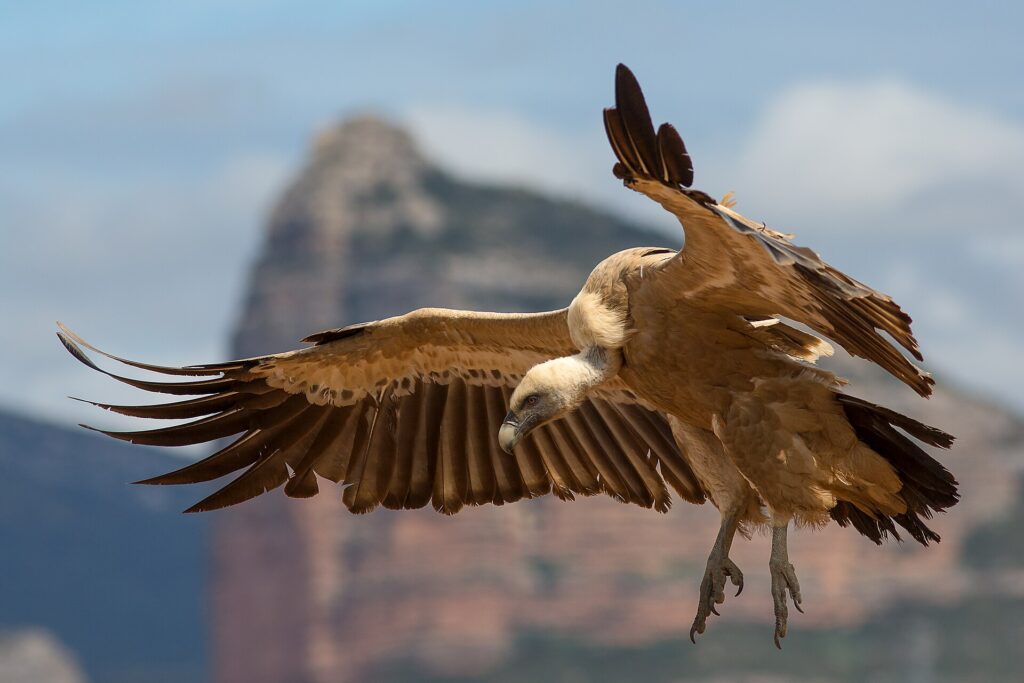
Griffon vultures can soar for hours on rising warm air without flapping, scanning huge areas for carcasses.
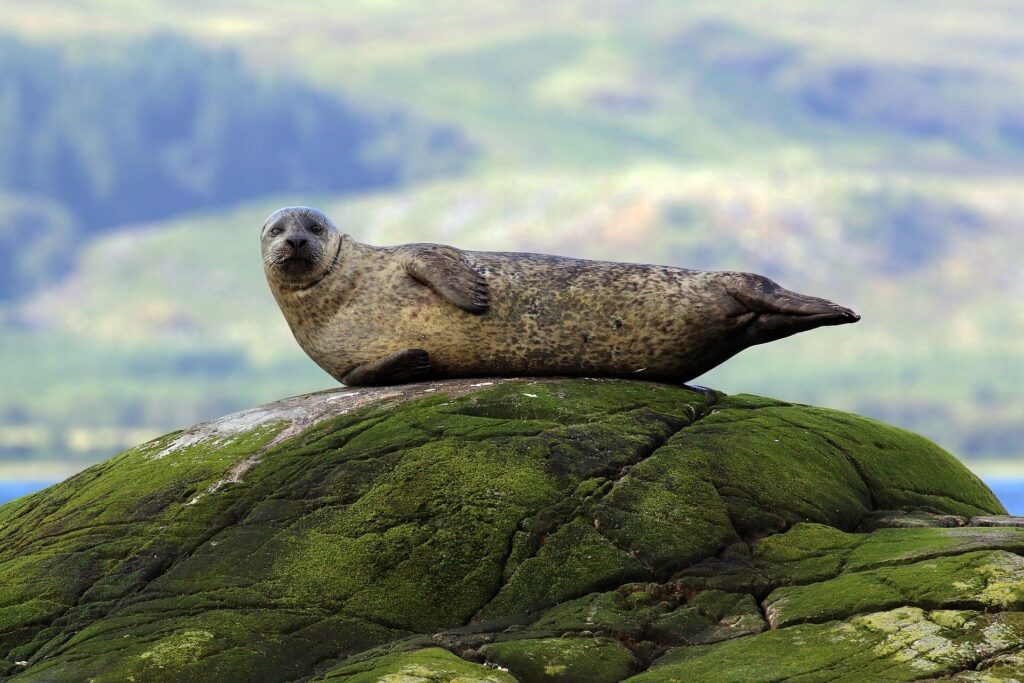
Harbor seals can follow the invisible water trail left by a fish using only their whiskers, even when the trail is over half a minute old.
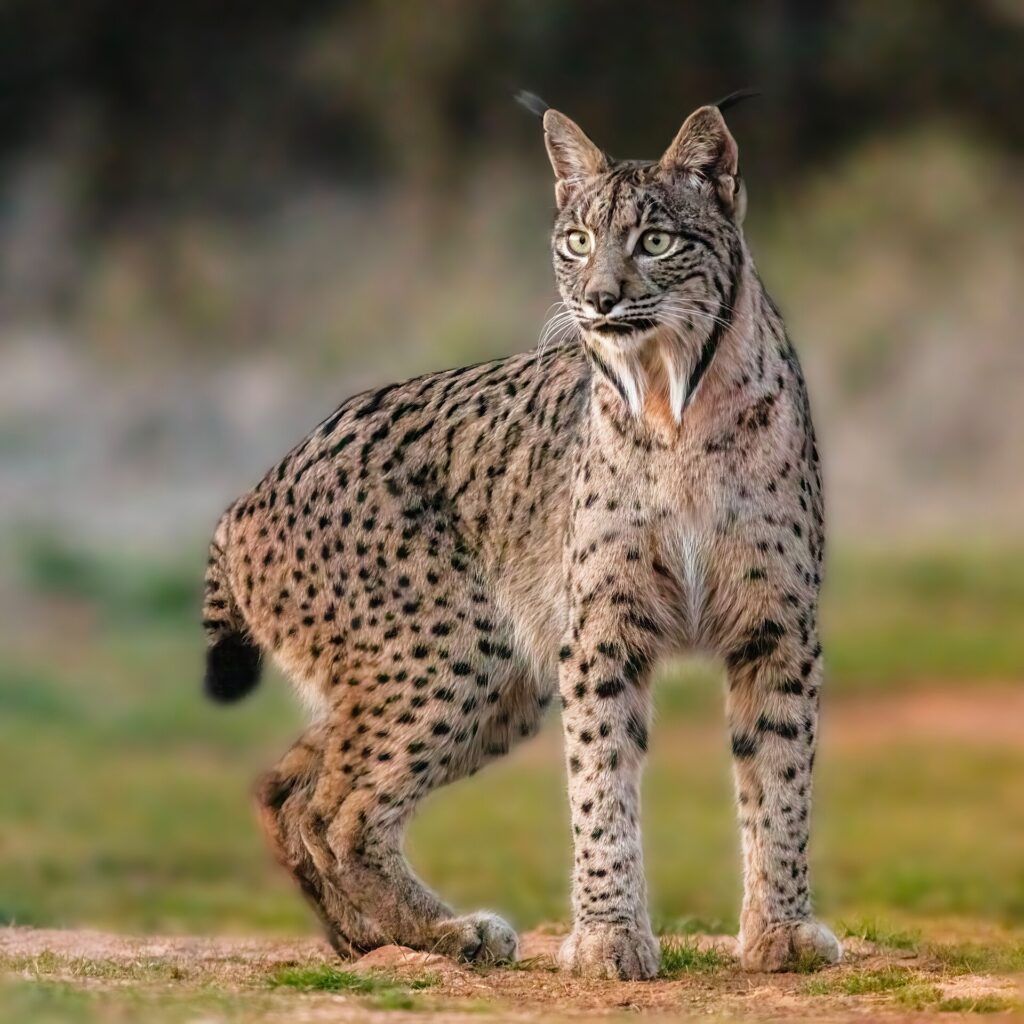
In 2002 fewer than 100 Iberian lynx survived; by 2023 there were more than 2,000, and the species was downlisted from Endangered to Vulnerable in 2024.
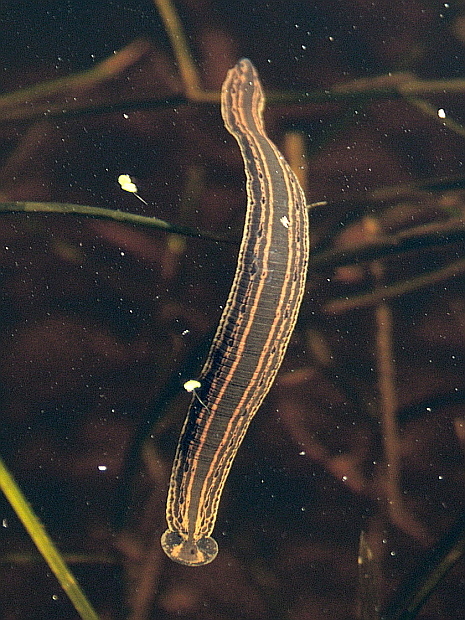
Medicinal leeches are still used in modern hospitals to help surgeons save reattached fingers, ears and skin grafts by draining excess blood.
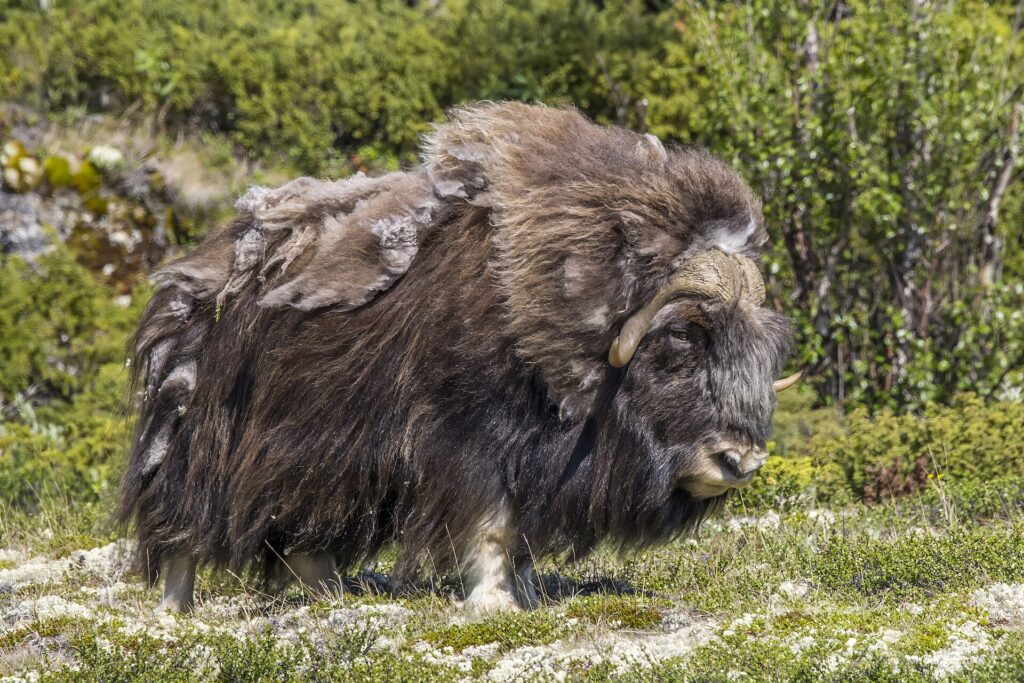
Musk oxen defend their young by forming a circle, with adults facing outwards and calves sheltered in the middle.
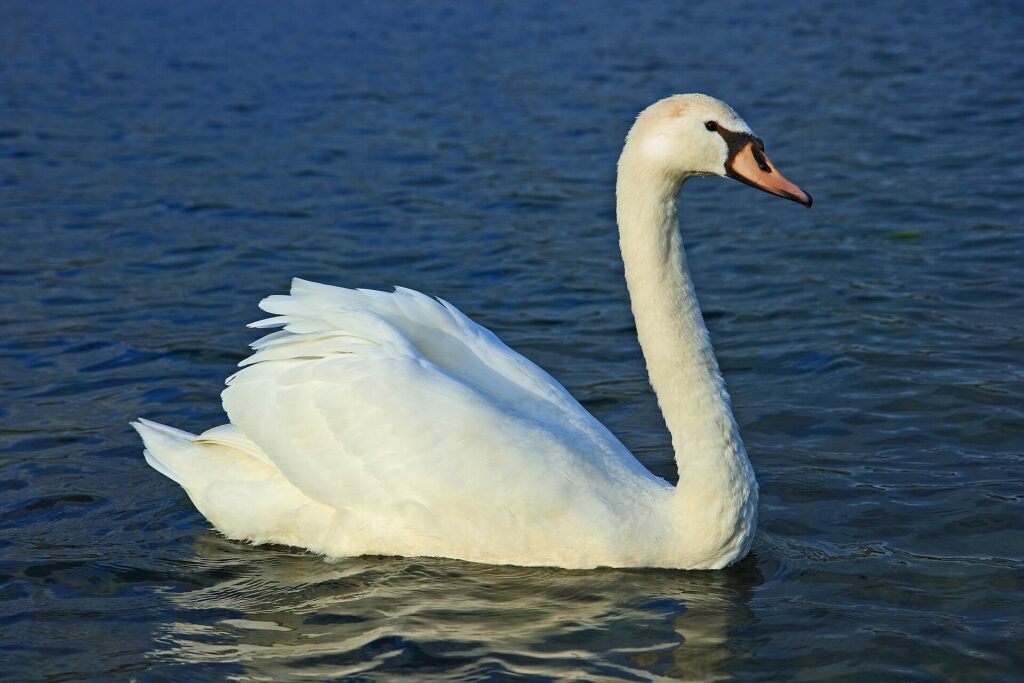
In Britain, the Crown traditionally claims ownership of unmarked mute swans on open water, and swans on the Thames are counted each July in the centuries-old ‘Swan Upping’.
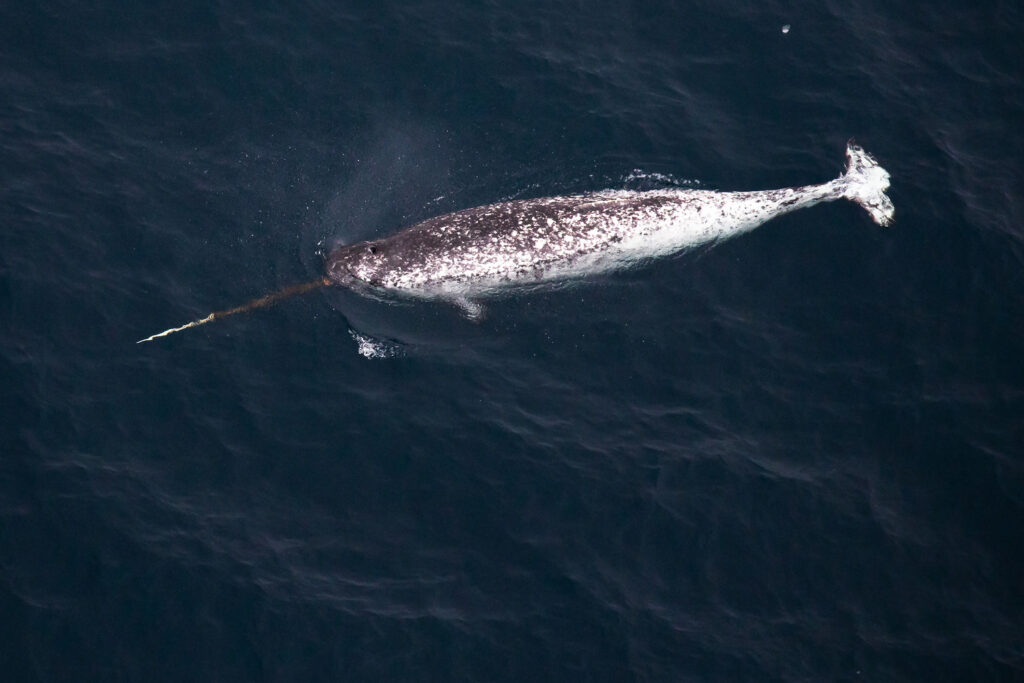
The narwhal’s spiralling tusk is actually an enormous tooth that grows through its upper lip and may contain millions of nerve endings.
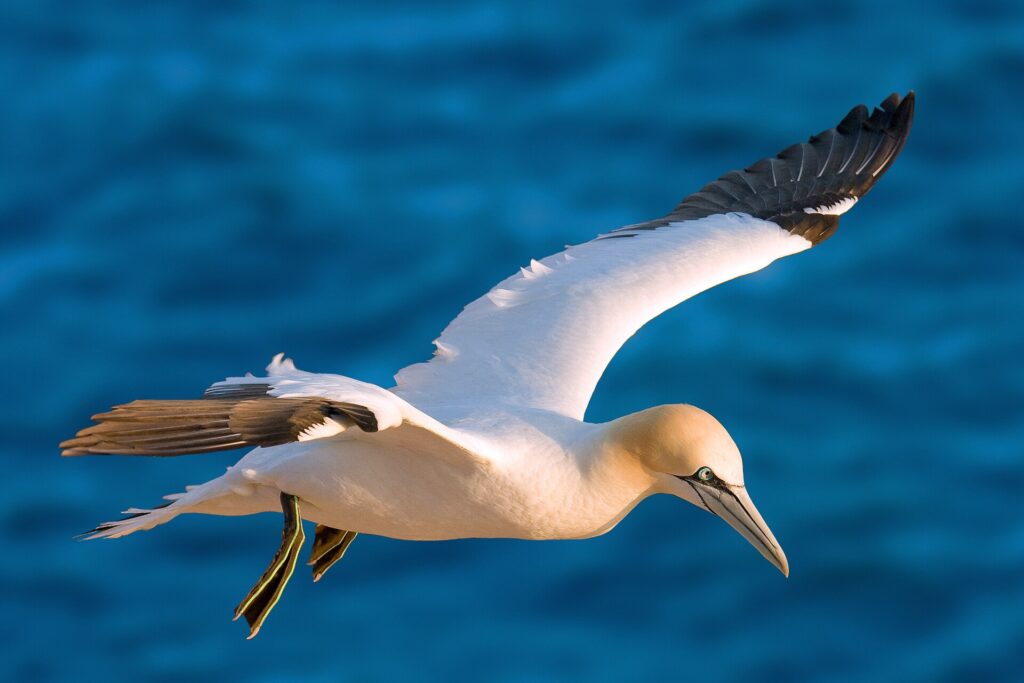
Gannets plunge into the sea from heights of 30–40 metres, hitting the water at about 85 km/h, protected by air sacs that cushion the impact.