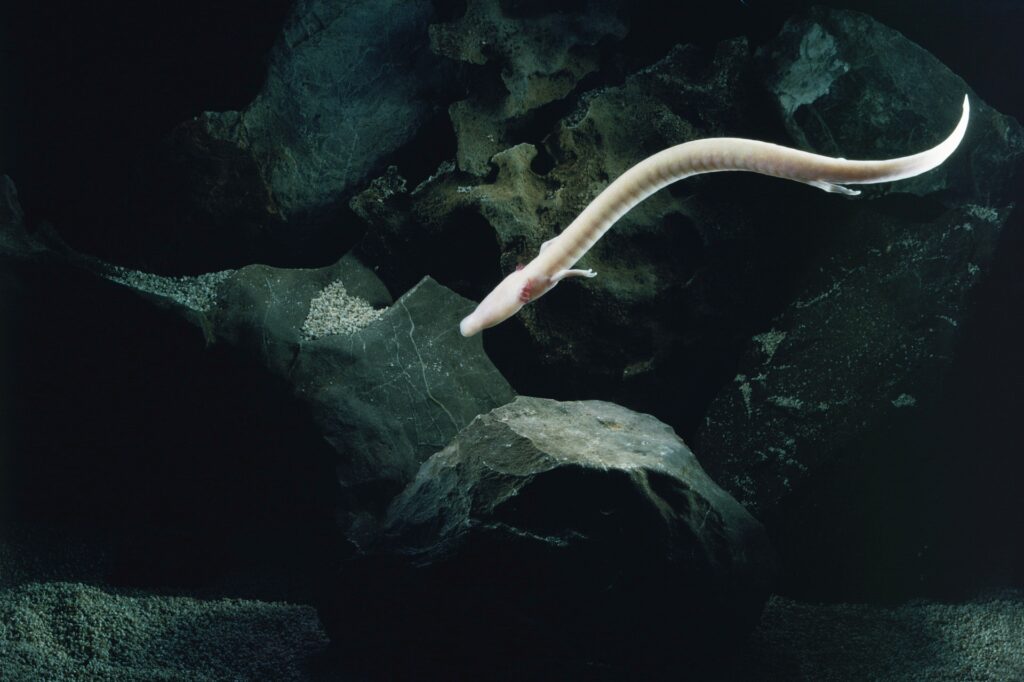
Olm
The olm can live for about a century, and scientists recorded one that did not move from the same spot for over seven years.
The olm can live for about a century, and scientists recorded one that did not move from the same spot for over seven years.
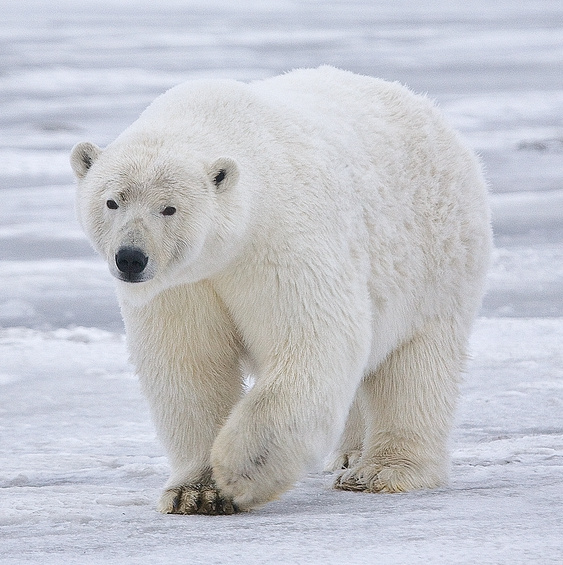
A polar bear’s fur is not white; each hair is transparent and hollow, and its skin underneath is black.
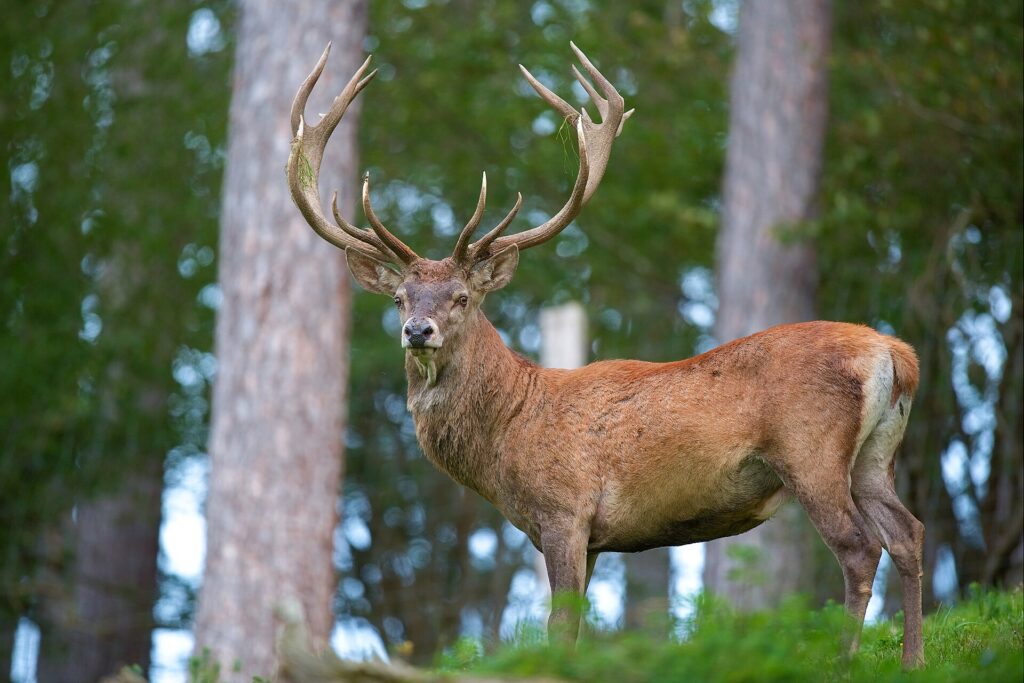
A stag’s antlers can grow up to about 2.5 cm a day, making them one of the fastest-growing tissues in the animal kingdom.
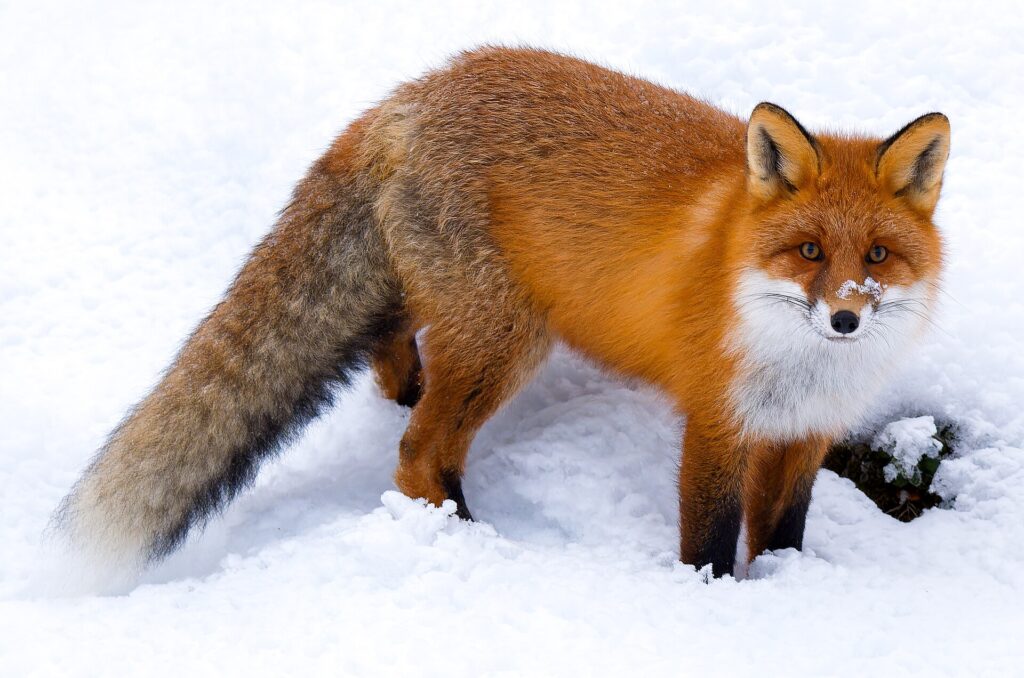
The red fox has the largest natural range of any wild carnivore on Earth, spanning North America, Europe, Asia and North Africa.
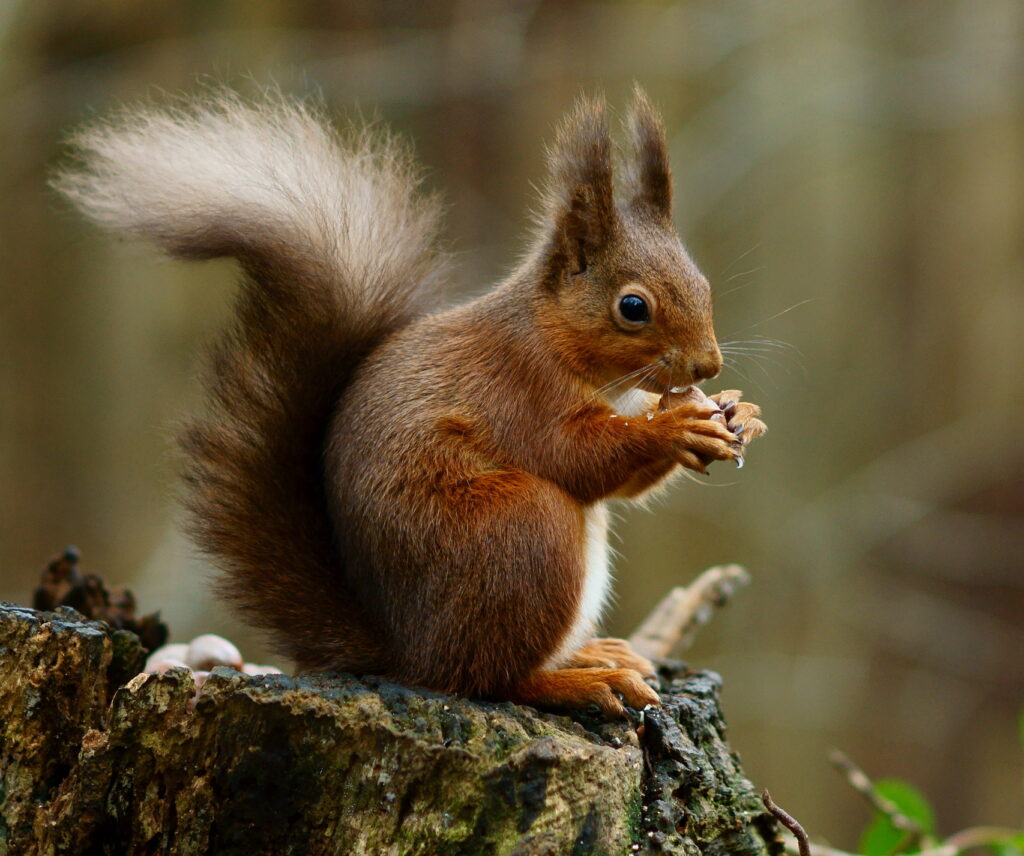
In Britain, red squirrels have been pushed out of most areas by introduced grey squirrels, but pine martens are helping them recover by preying on the greys.
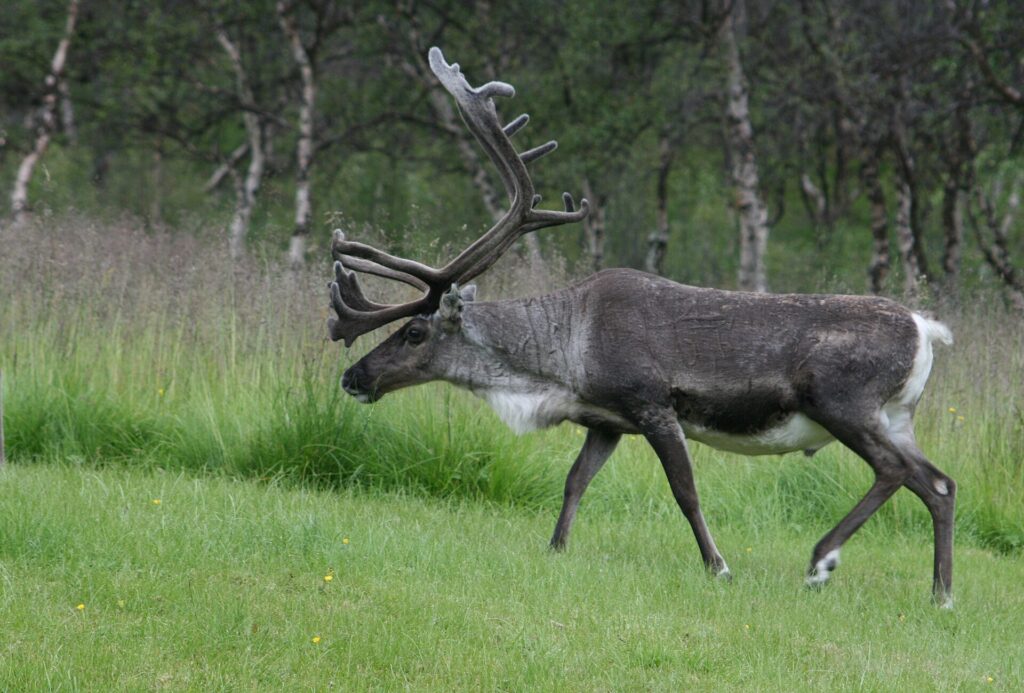
Reindeer eyes change colour with the seasons, from golden in the Arctic summer to deep blue in winter, which helps them see in the long polar night.
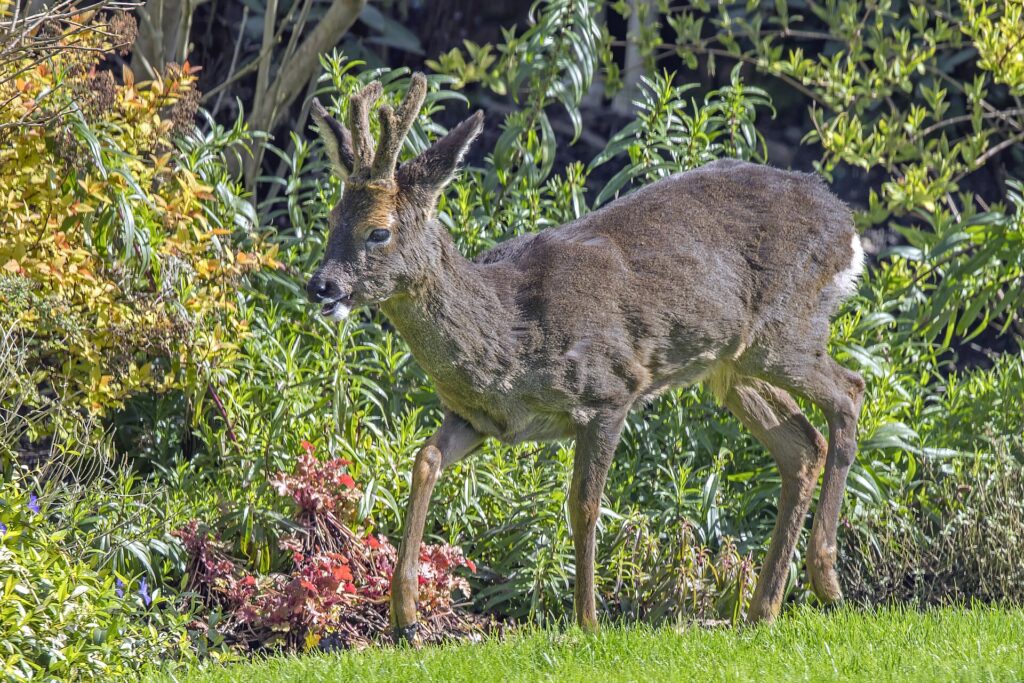
Roe deer are the only hoofed mammals known to delay the development of their embryo: they mate in summer, but the embryo only starts growing in winter.
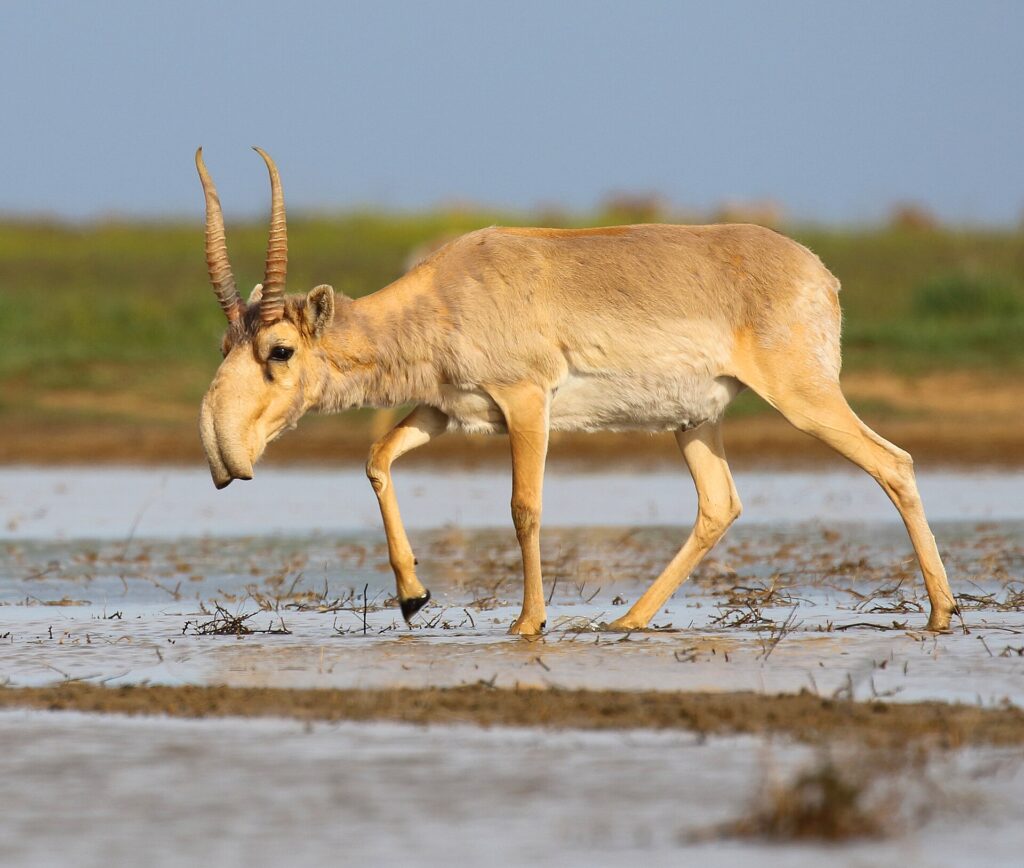
The saiga’s large, bulbous nose filters dust from the air in summer and warms freezing air before it reaches the lungs in winter.
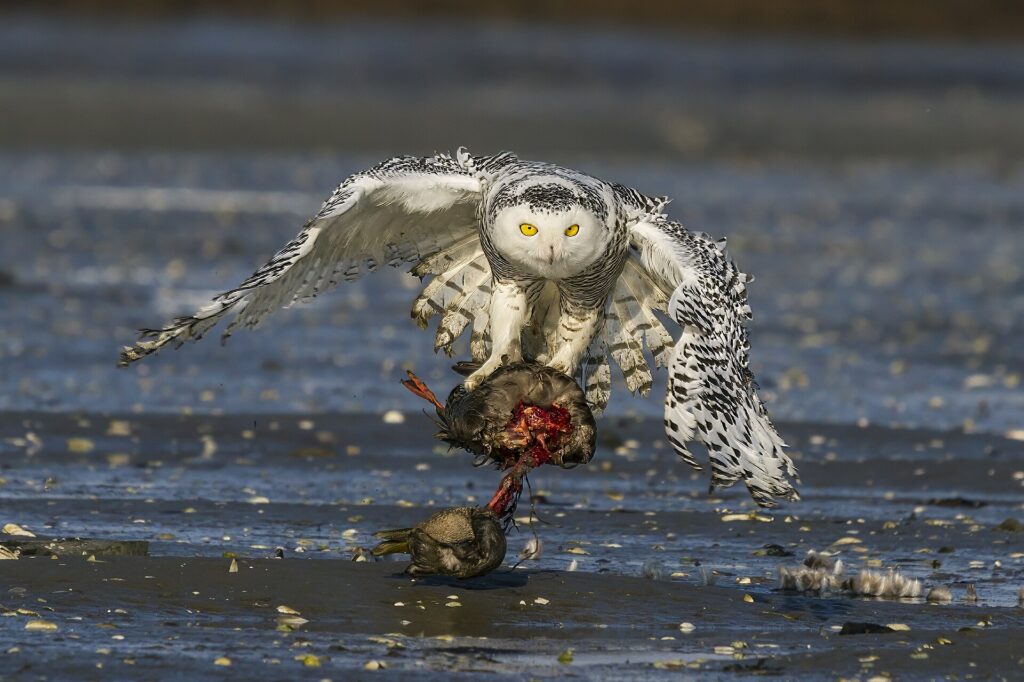
A single snowy owl can eat more than 1,600 lemmings in a year, and the number of eggs it lays depends on how many lemmings there are.
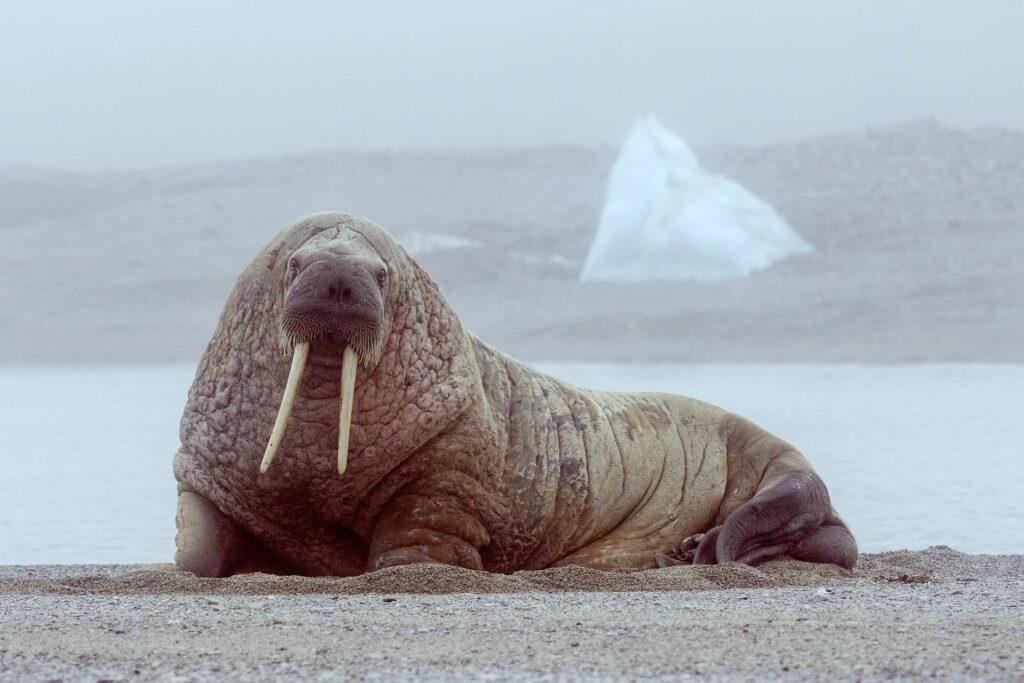
A walrus finds clams on the dark seafloor with hundreds of sensitive whiskers, then sucks the soft body out of the shell with powerful suction.
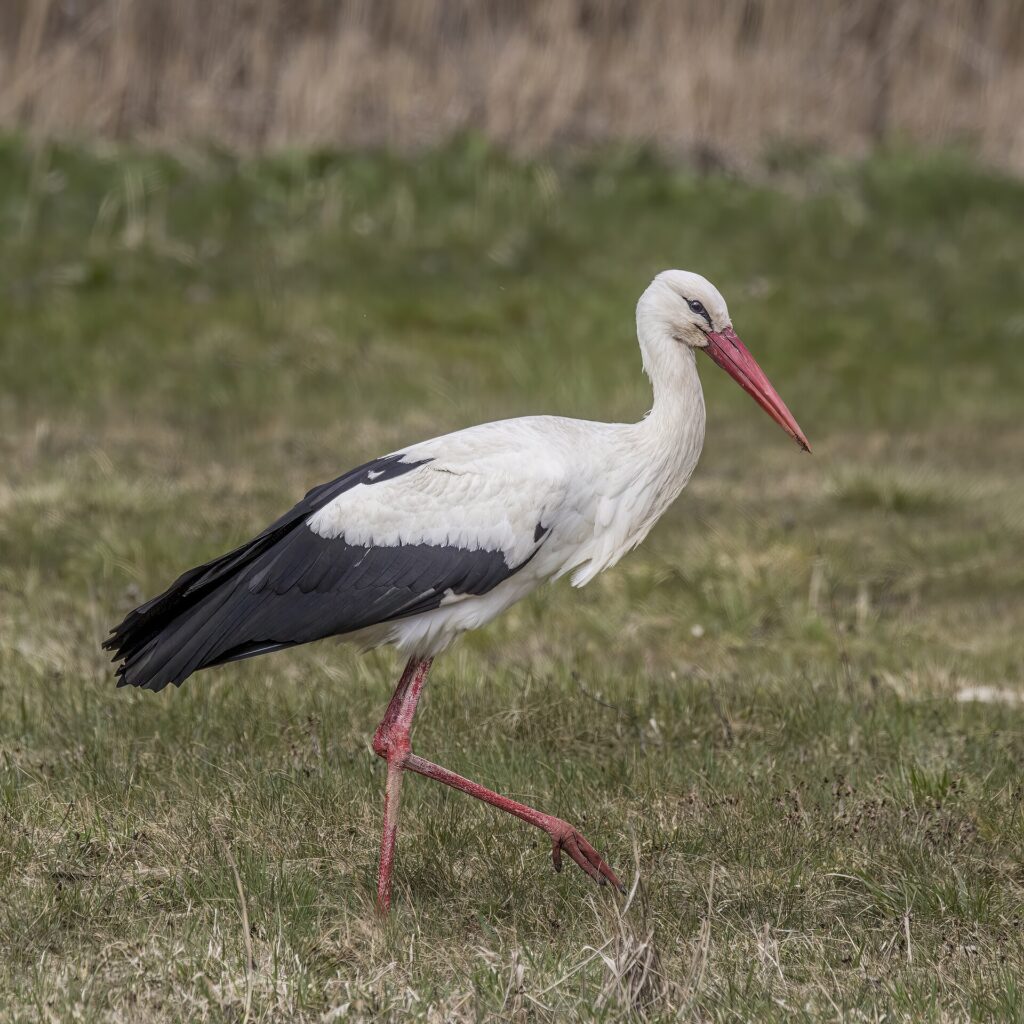
White storks avoid long sea crossings on migration, funnelling over the Strait of Gibraltar and the Bosphorus in huge flocks that ride warm air currents.
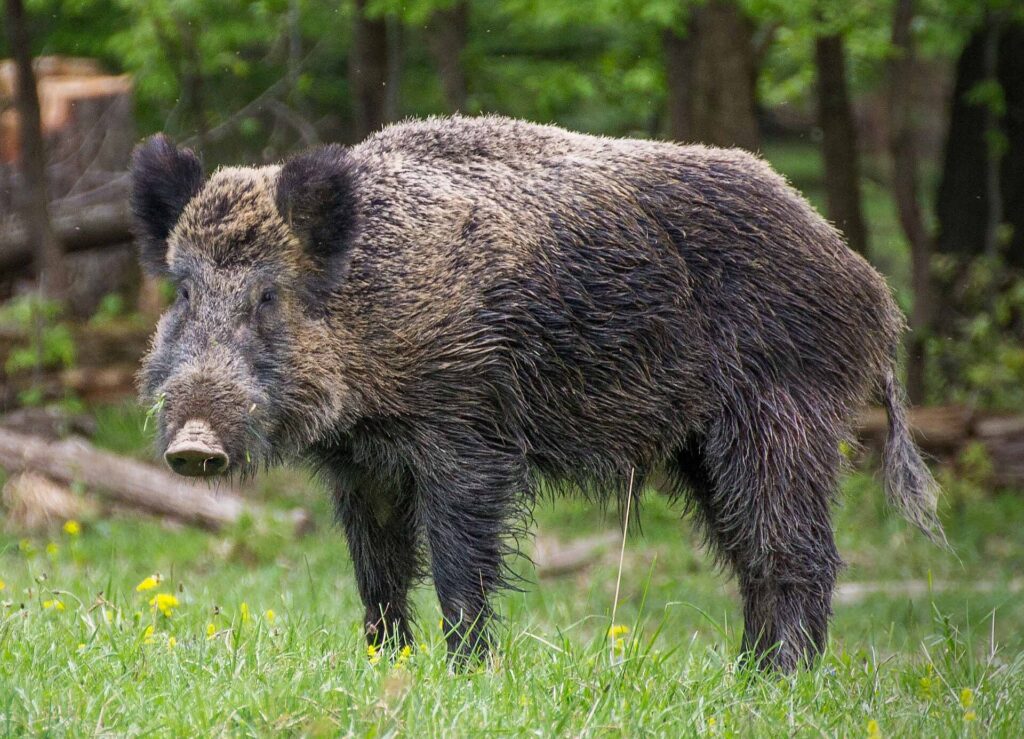
The wild boar is one of the most widespread mammals on Earth and the wild ancestor of all domestic pigs.
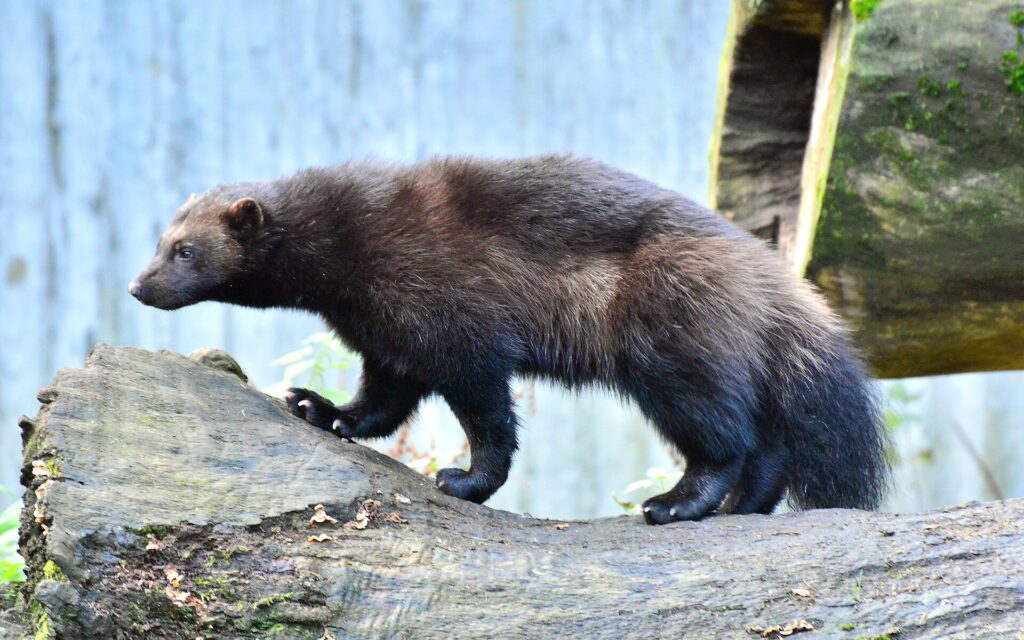
Wolverines can travel huge distances: one young male walked more than 800 km from Wyoming to Colorado.