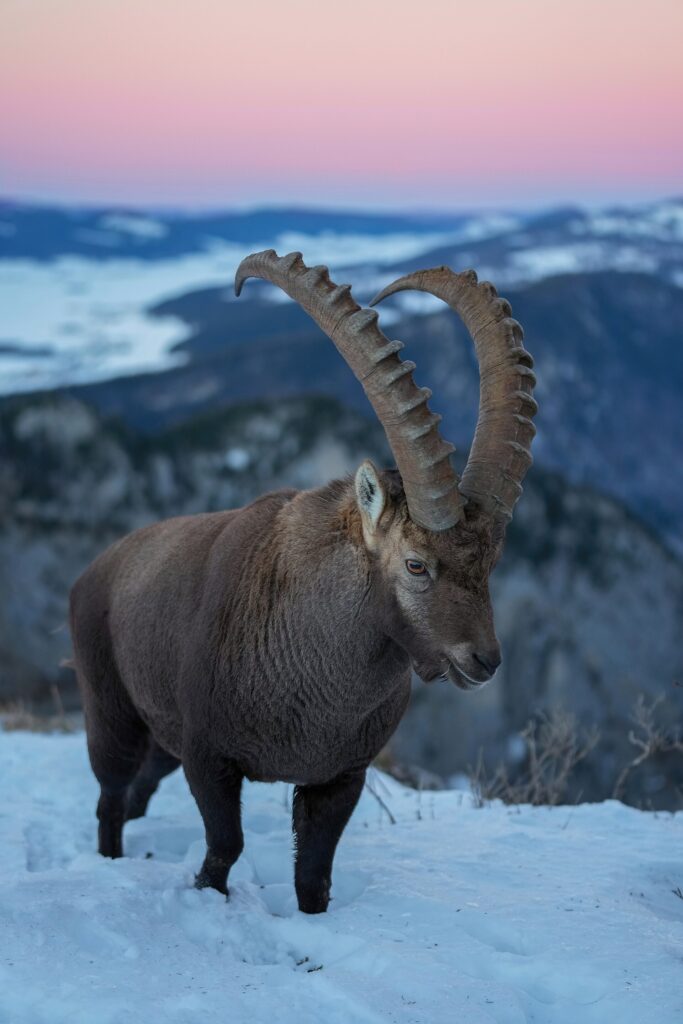
Alpine Ibex
Alpine ibex have been photographed climbing an almost vertical dam wall in Italy to lick minerals from the stone.
Alpine ibex have been photographed climbing an almost vertical dam wall in Italy to lick minerals from the stone.
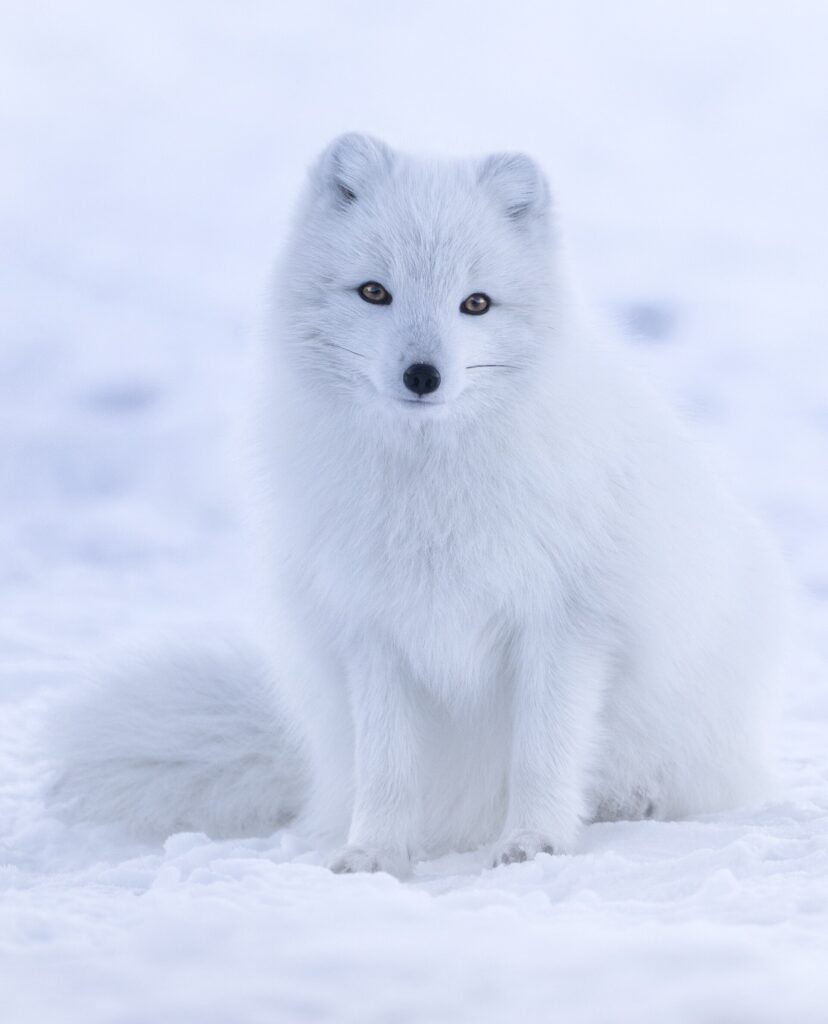
A young female Arctic fox walked 3,506 km across sea ice from Svalbard to Greenland in just 76 days, one of the longest journeys ever recorded for the species.
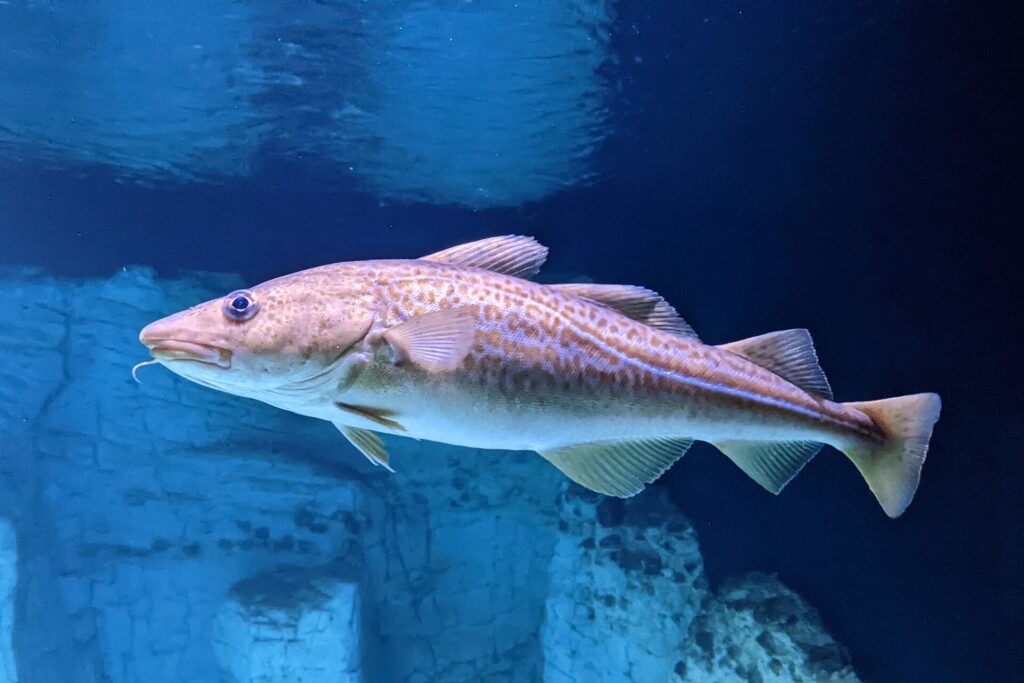
The collapse of the cod stocks off Newfoundland in 1992 put about 40,000 people out of work and became a global warning about overfishing.
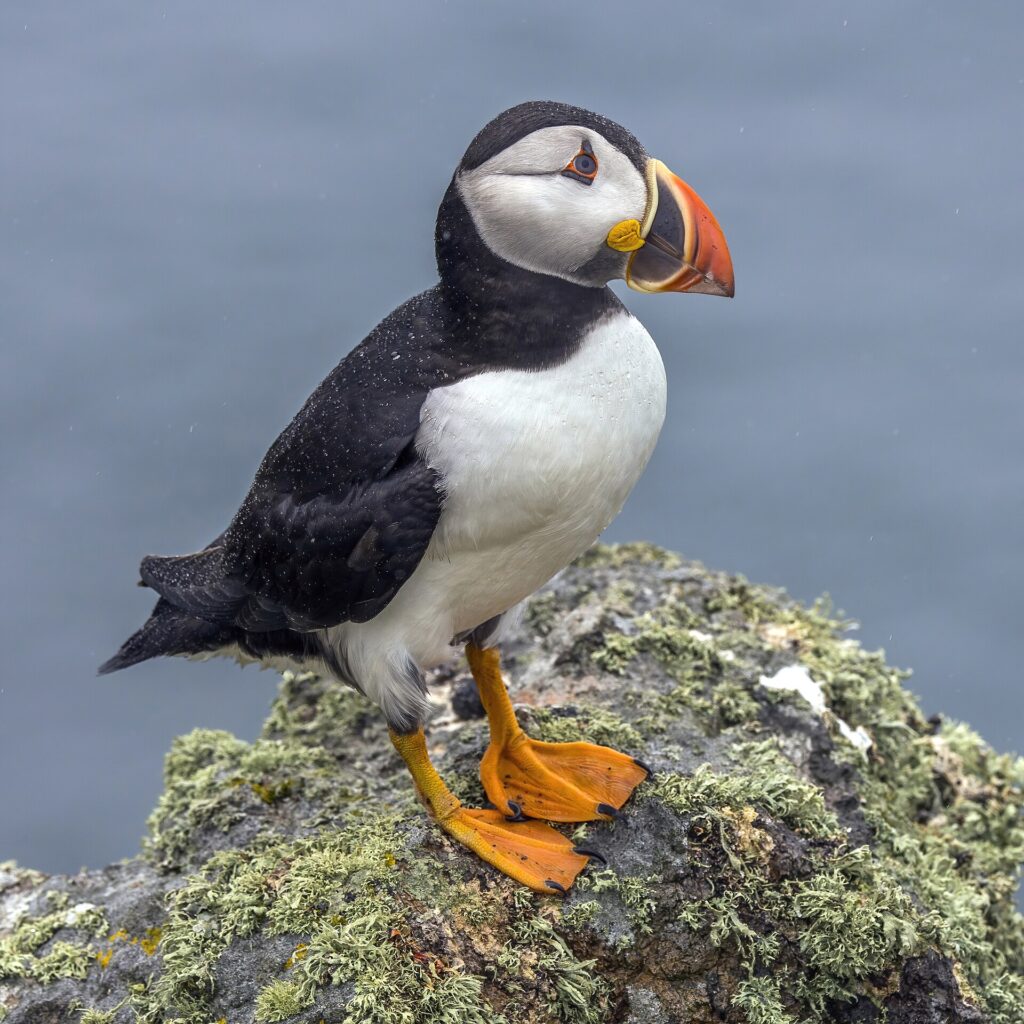
A puffin can carry a dozen or more small fish crosswise in its bill at once, holding them in place with a spiny tongue.
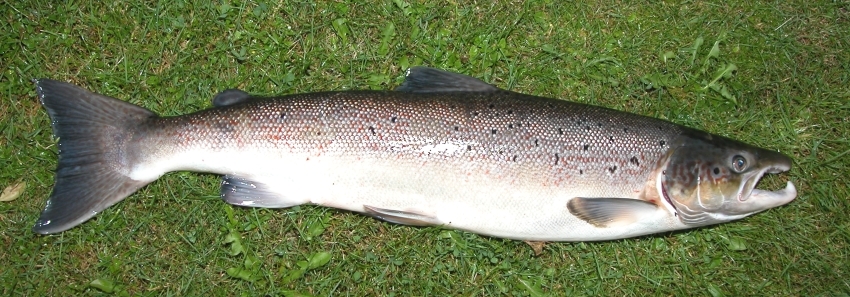
Atlantic salmon find their way back to the exact river where they hatched, years later, largely by recognising its smell.
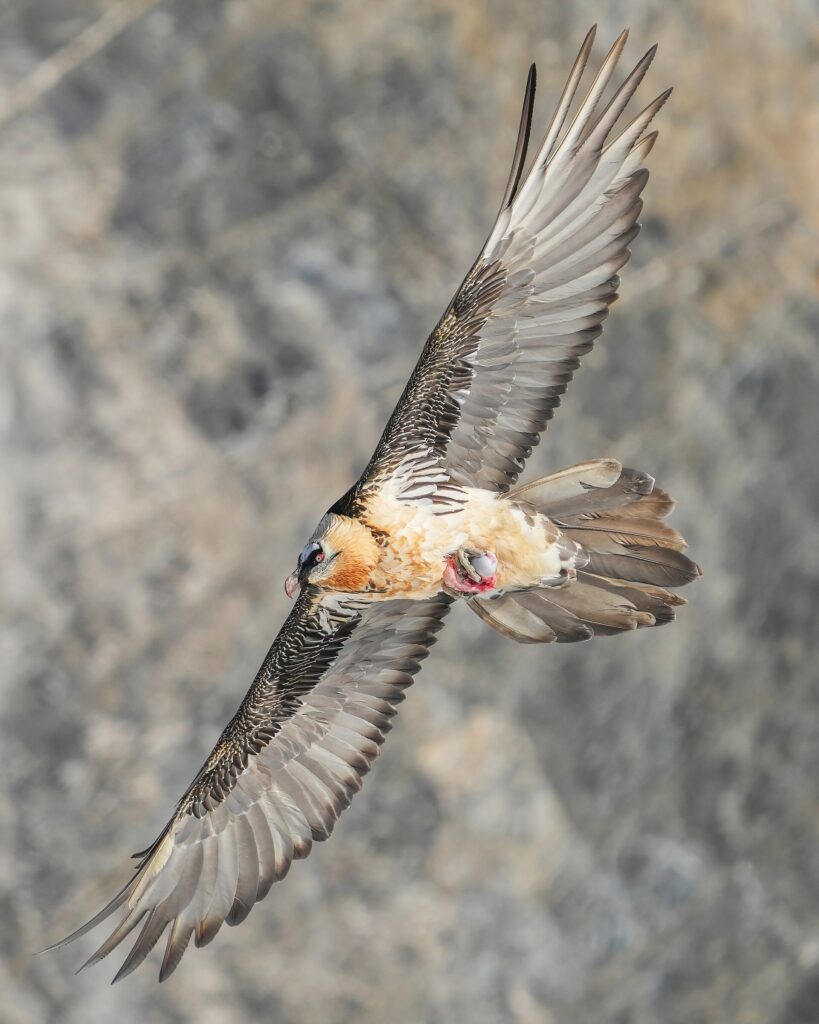
The bearded vulture lives mainly on bones: it drops large bones onto rocks from a height to smash them, then swallows the pieces.
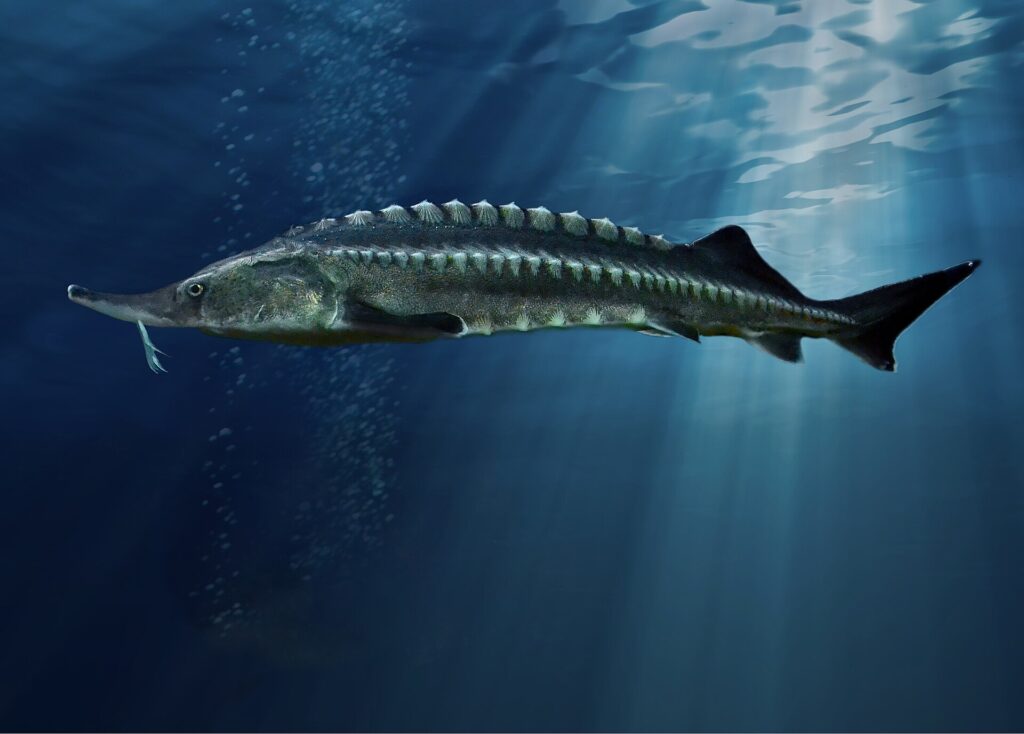
The beluga sturgeon is one of the largest bony fish ever recorded; a female caught in the Volga in 1827 was reported at over 7 metres and about 1.5 tonnes.
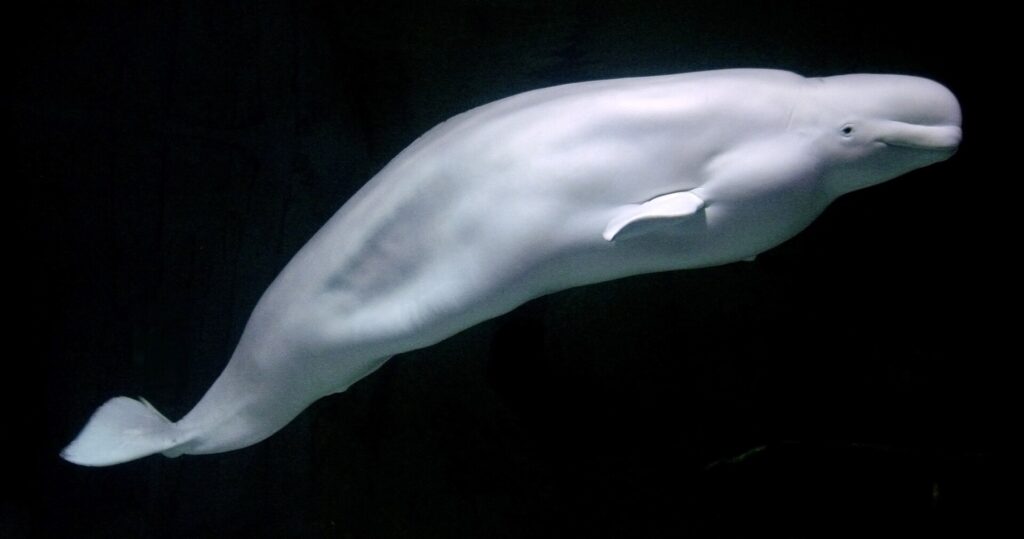
Belugas are nicknamed ‘canaries of the sea’ because they produce a huge variety of whistles, chirps, clicks and squeals.
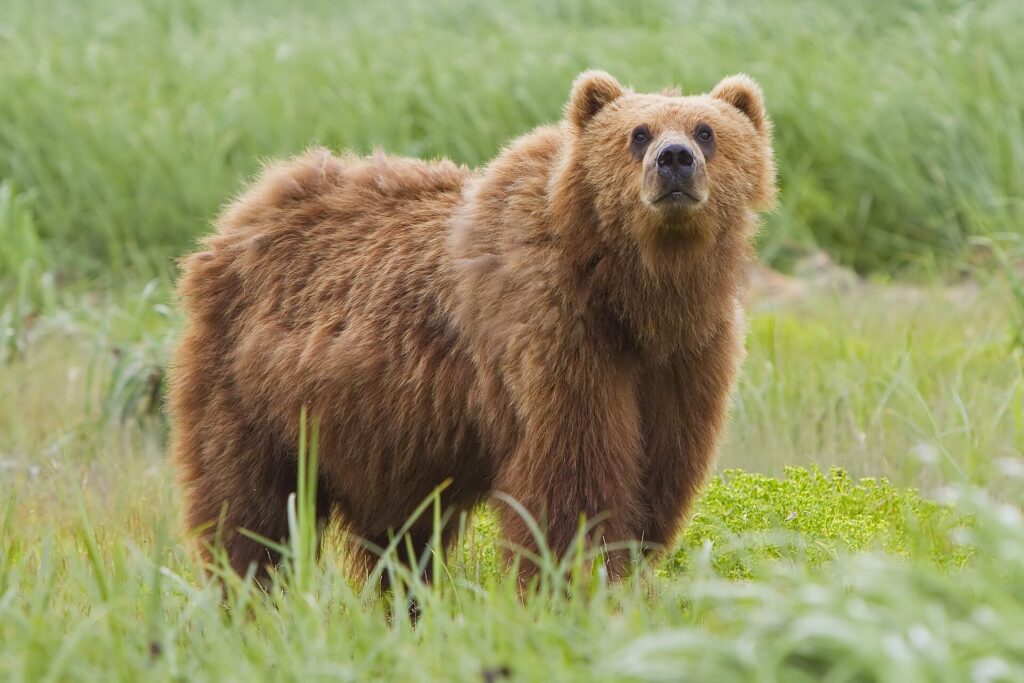
Before hibernating, a brown bear can gain more than a kilogram of fat a day, then survive for months without eating, drinking or passing waste.
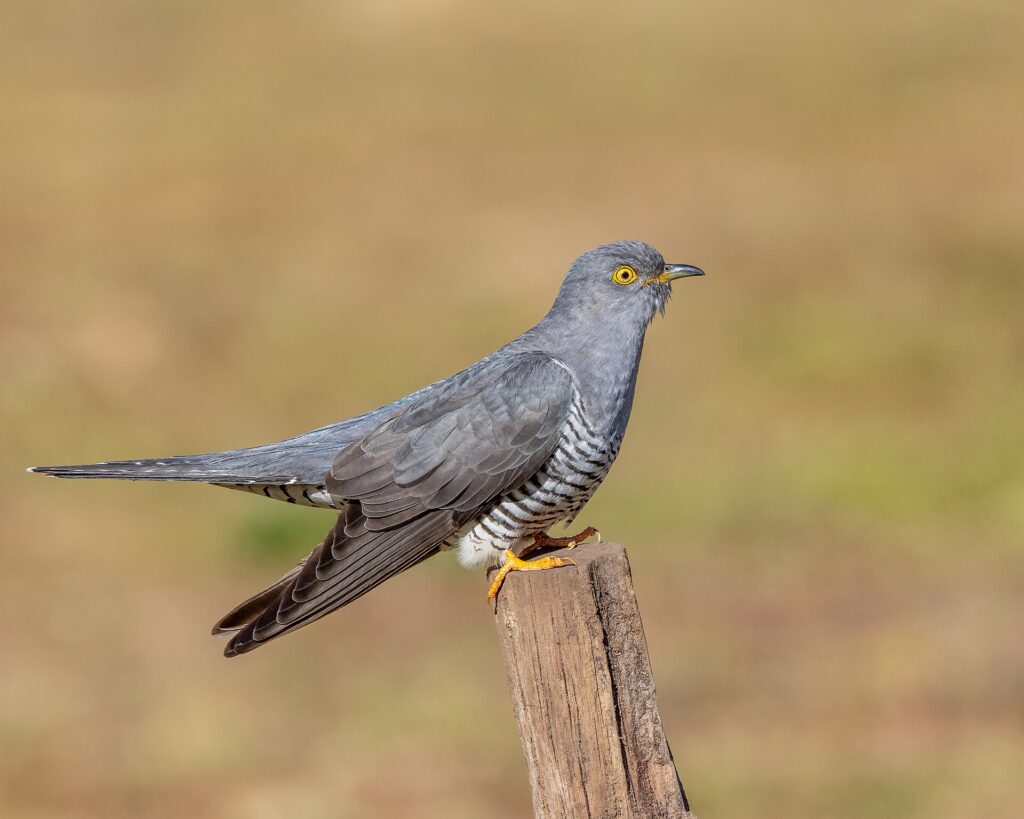
The cuckoo lays its eggs in other birds’ nests, and within hours of hatching, the cuckoo chick pushes the host’s eggs out of the nest.
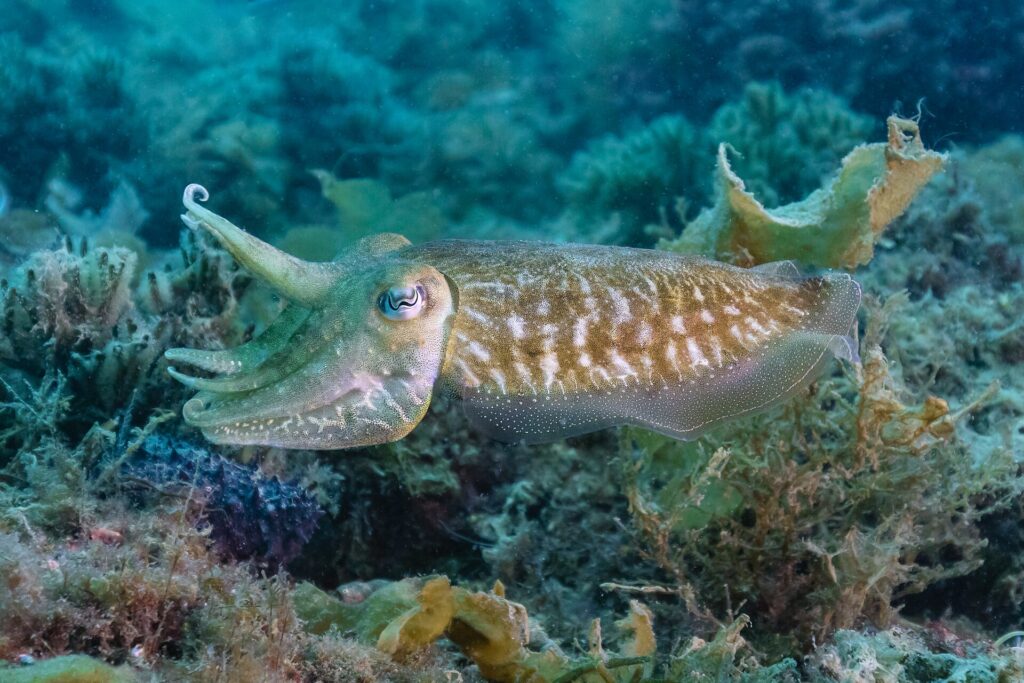
Cuttlefish can change colour and skin texture in under a second, yet they are thought to be colourblind.
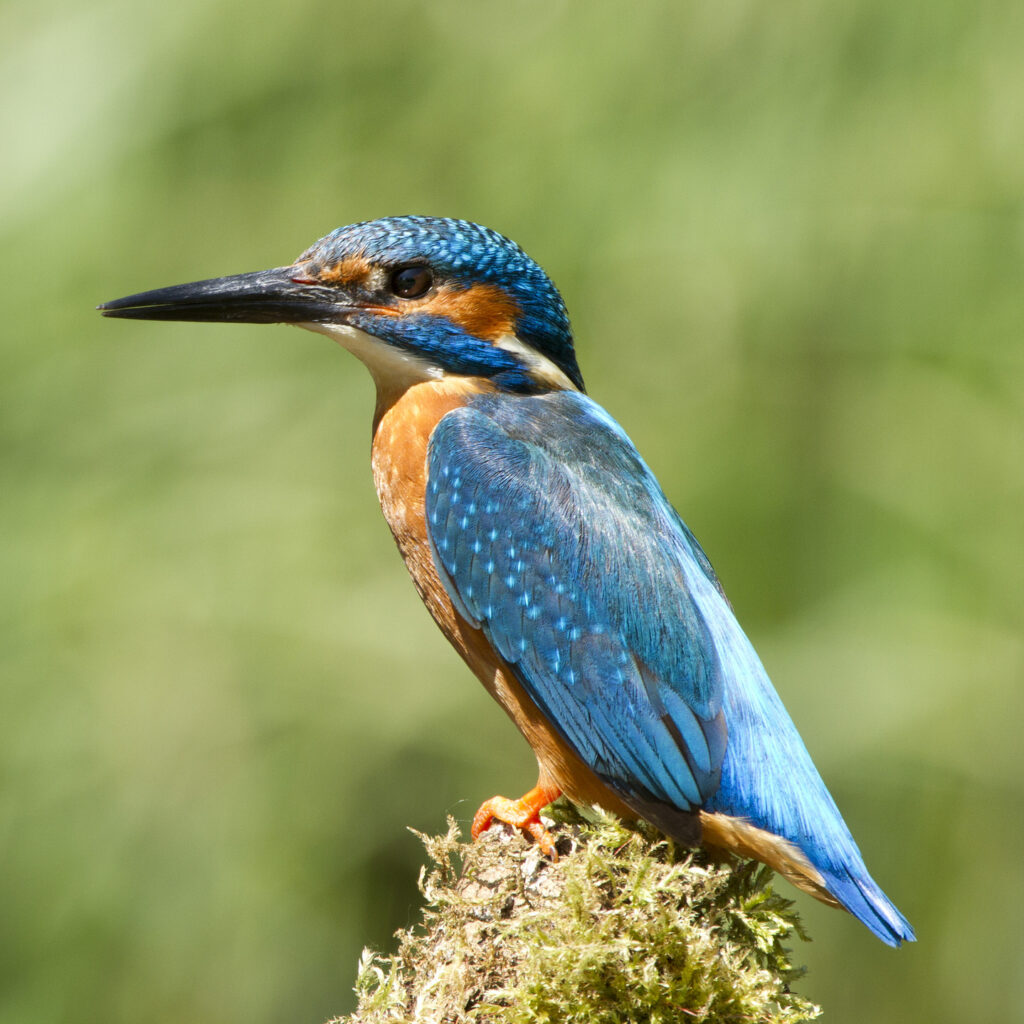
The kingfisher’s streamlined beak inspired engineers who redesigned the nose of Japan’s bullet train to reduce the noise it made leaving tunnels.
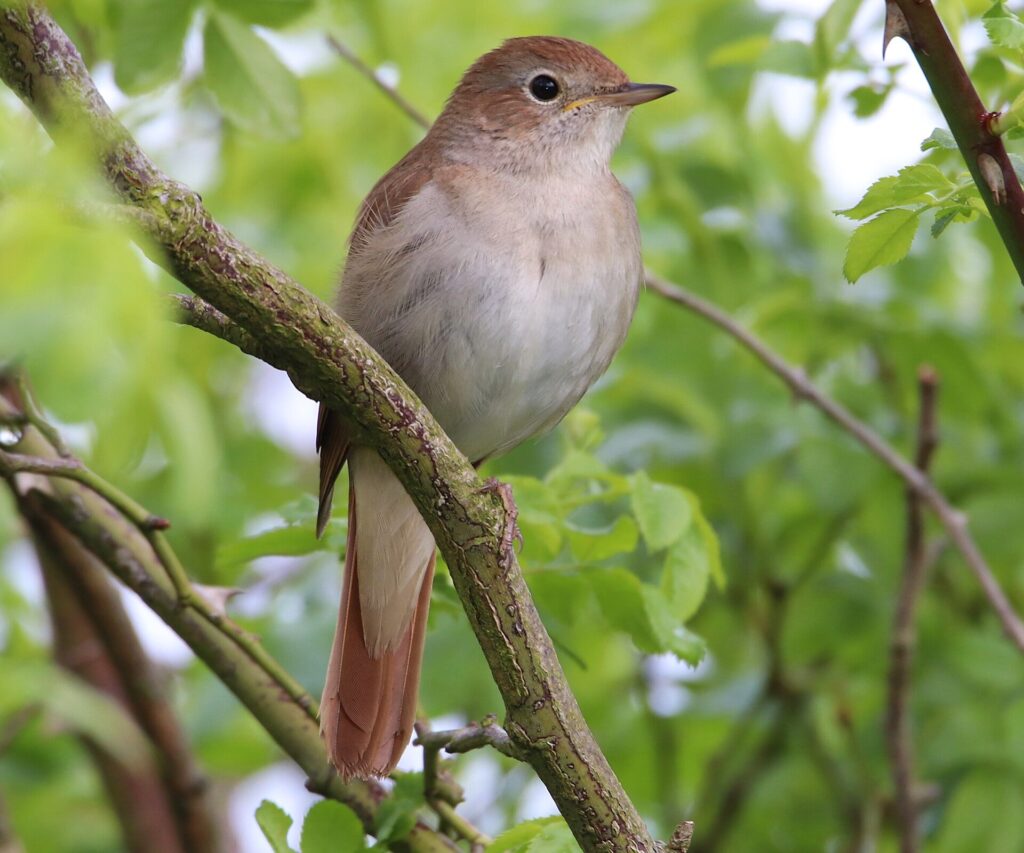
A male nightingale can sing around 200 different song phrases, and unpaired males sing through the night to attract females arriving from Africa.
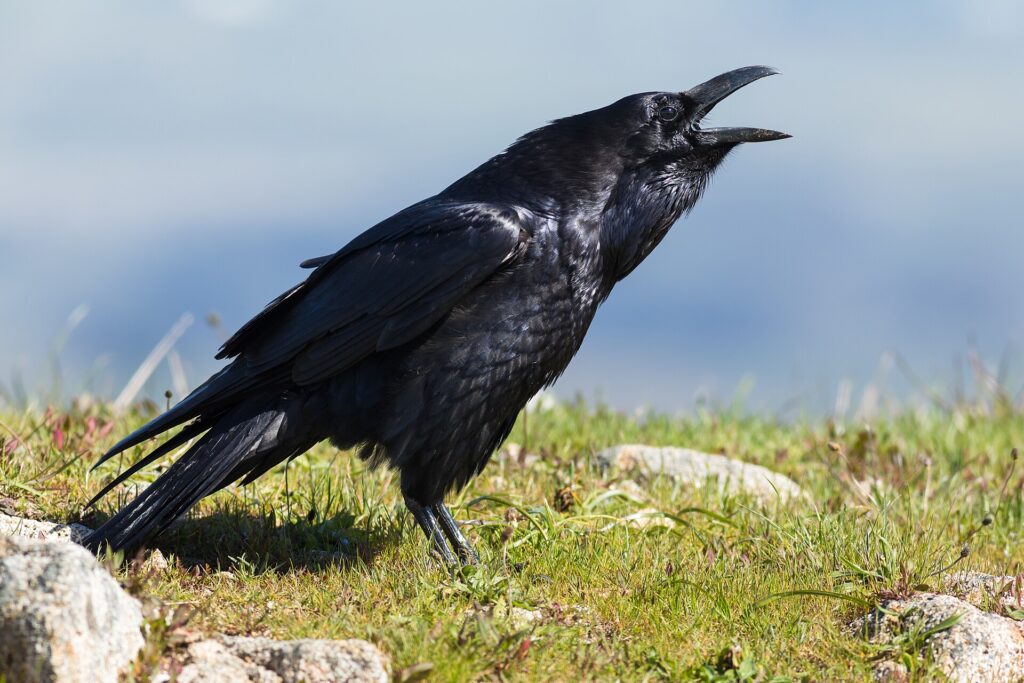
In experiments, ravens planned for the future as well as great apes, saving tools and tokens they would need later.
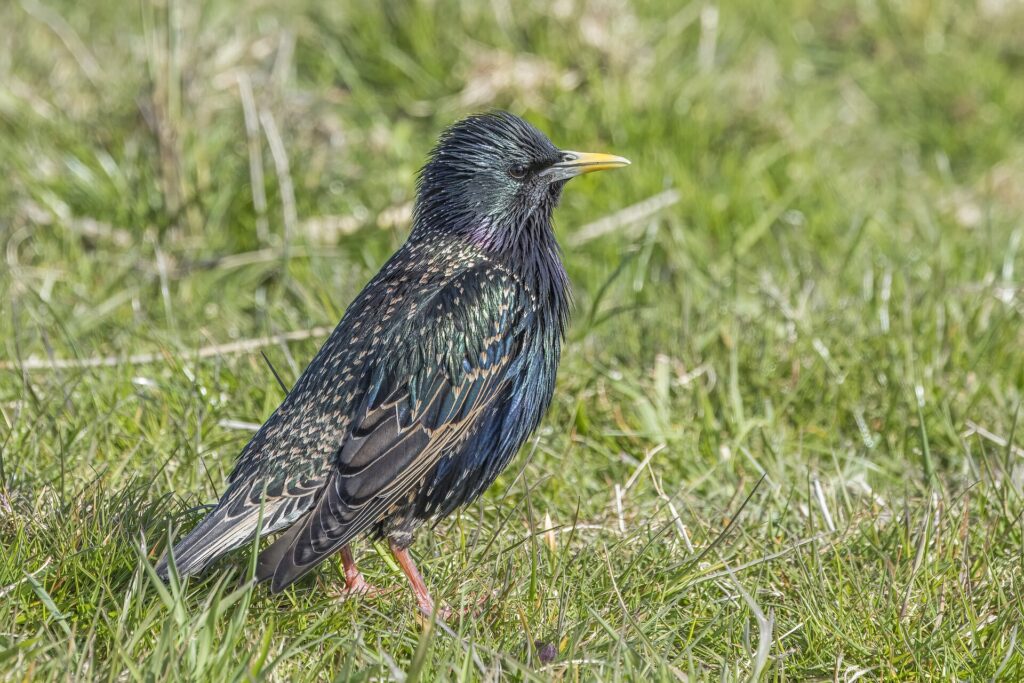
On winter evenings, starlings gather in murmurations of tens of thousands, or even over a million birds, swirling in perfectly coordinated shapes before settling to roost.
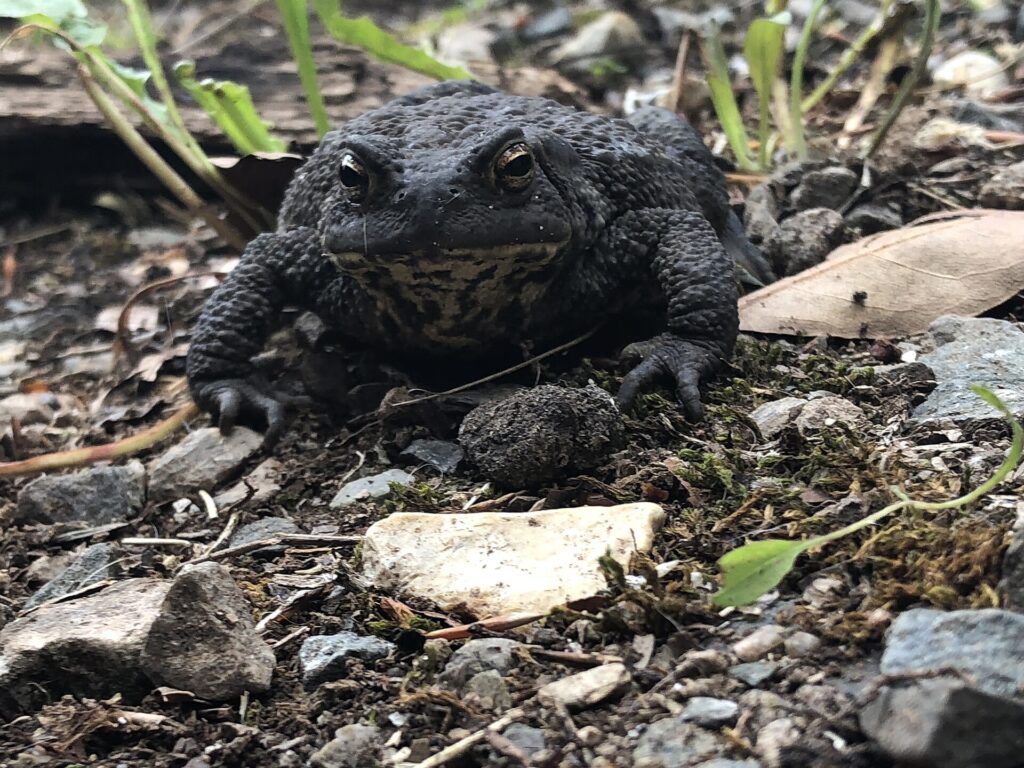
Common toads return year after year to the pond where they were born, crossing roads in their thousands on spring nights, where volunteers help them across.
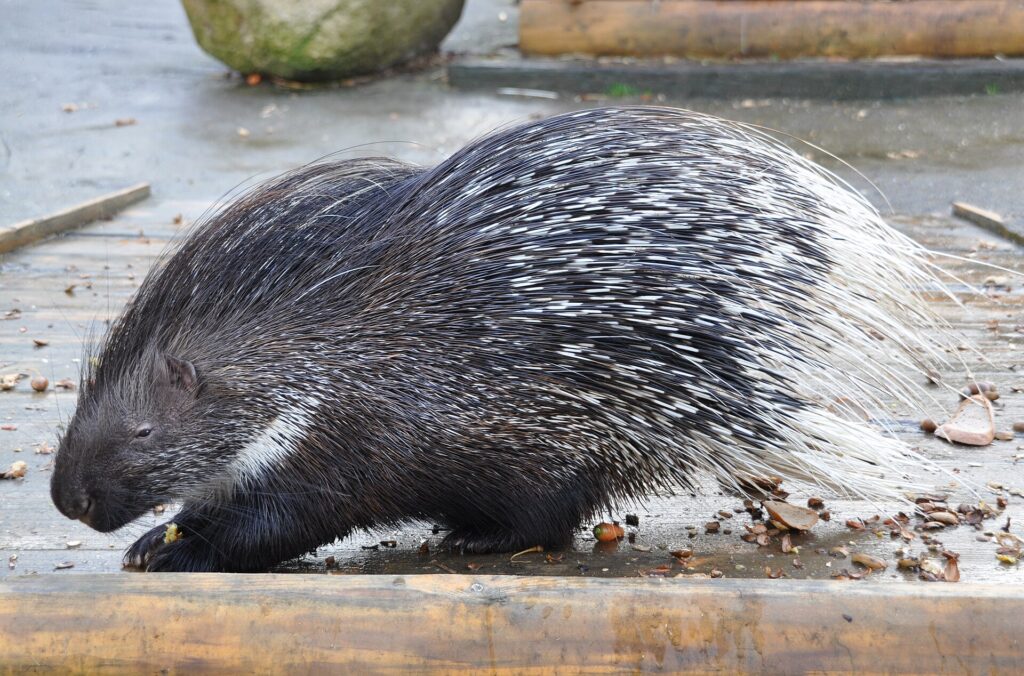
Porcupines cannot shoot their quills, but they charge backwards into attackers, and quills lodged in lions and leopards can cause serious injuries.
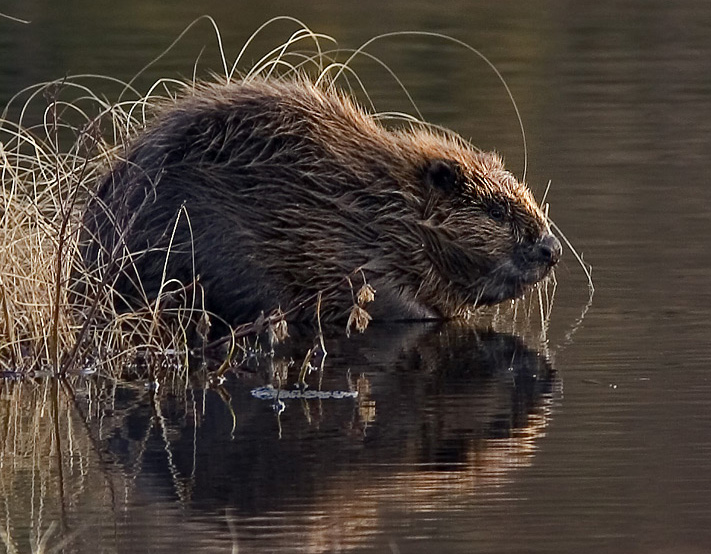
Eurasian beavers were hunted down to about 1,200 animals in the early 1900s; today there are well over a million across Europe and Asia.
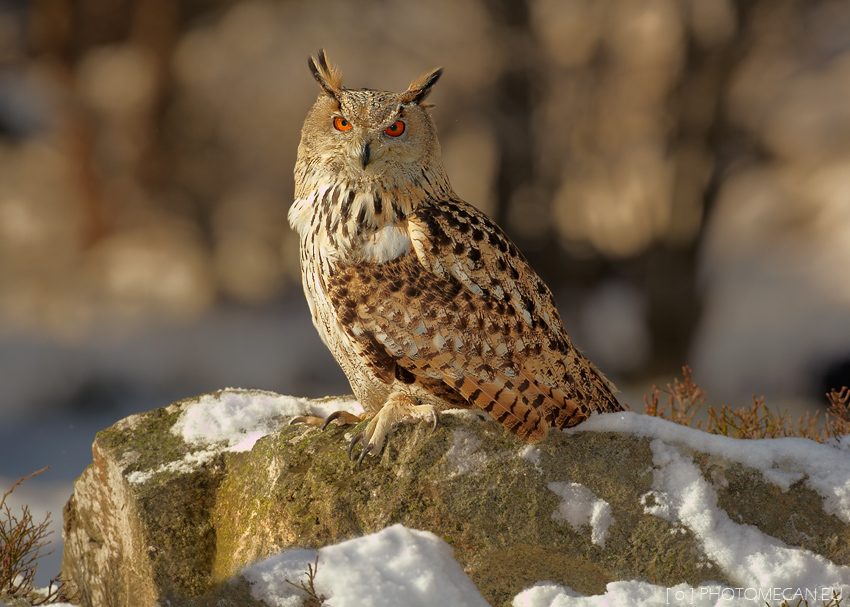
The Eurasian eagle-owl is one of the largest owls in the world, strong enough to catch prey as big as a fox.
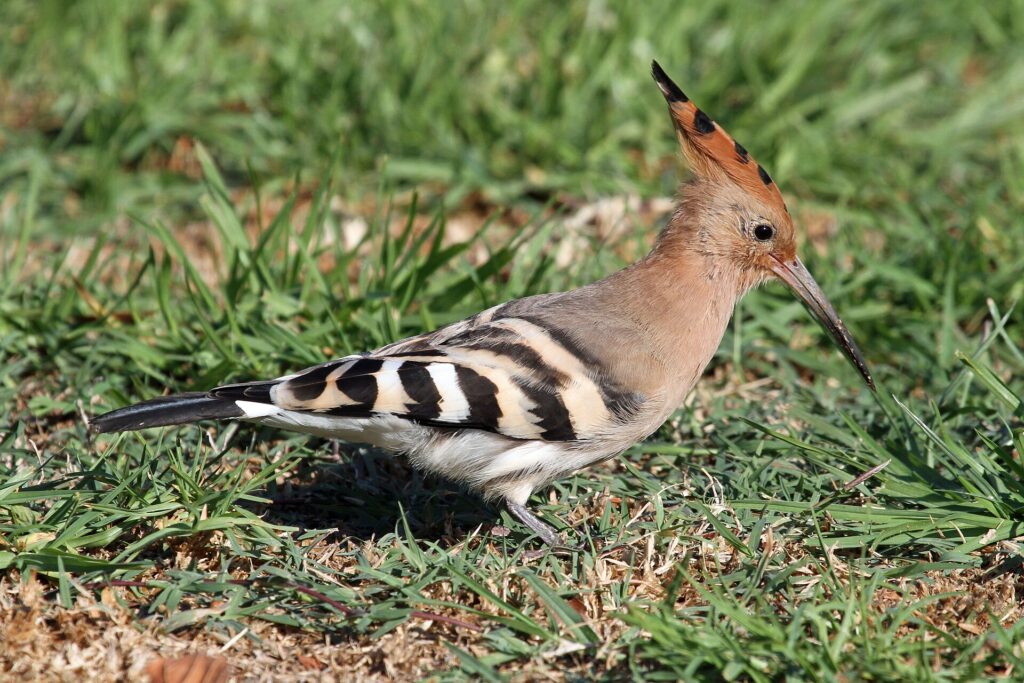
To defend themselves, hoopoe chicks squirt foul-smelling droppings at intruders, and nesting females produce a smelly secretion containing bacteria that help protect the eggs.
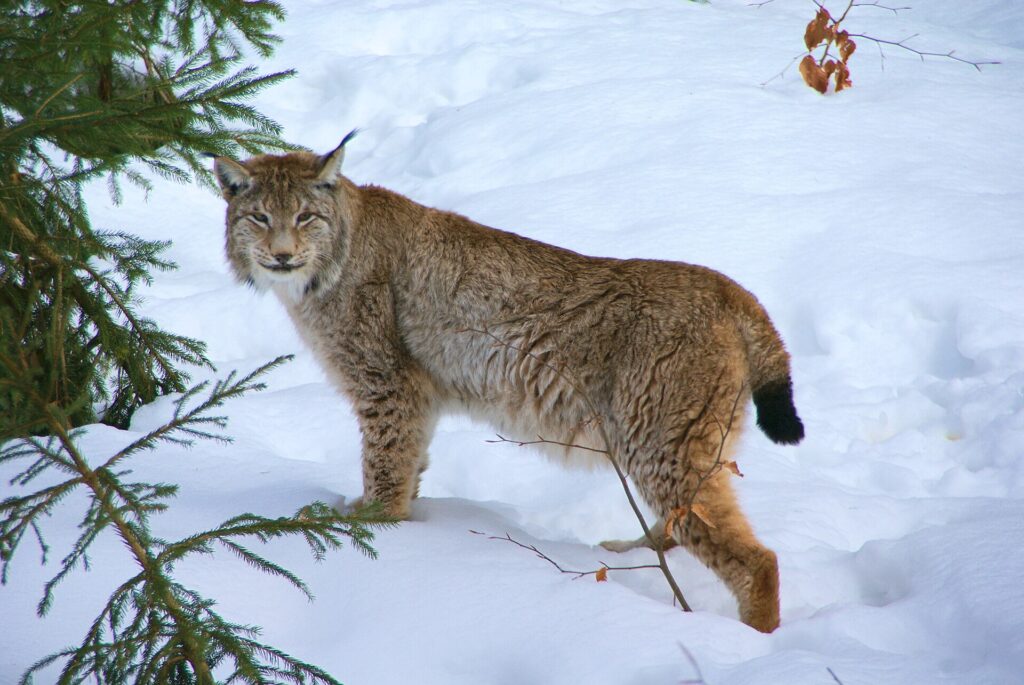
A Eurasian lynx can kill prey three to four times its own weight, such as an adult red deer or reindeer.
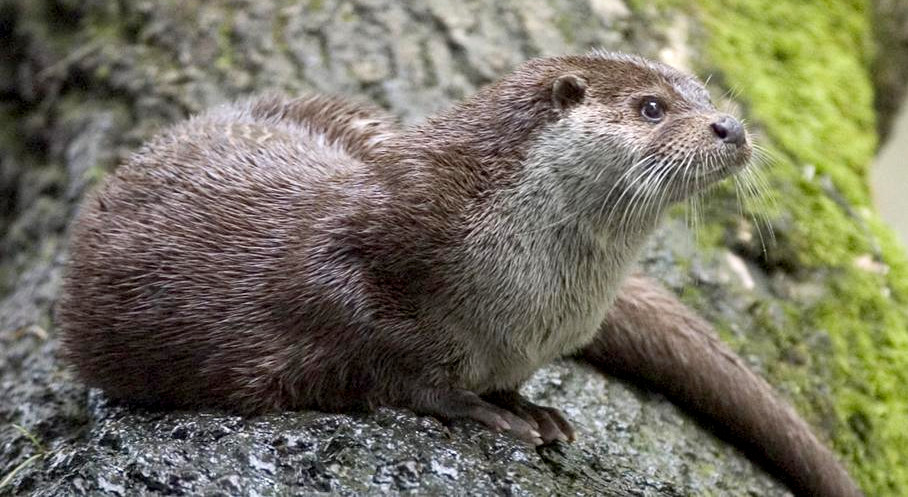
Otters mark their territories with droppings called spraints, which smell sweet, often compared to jasmine tea.
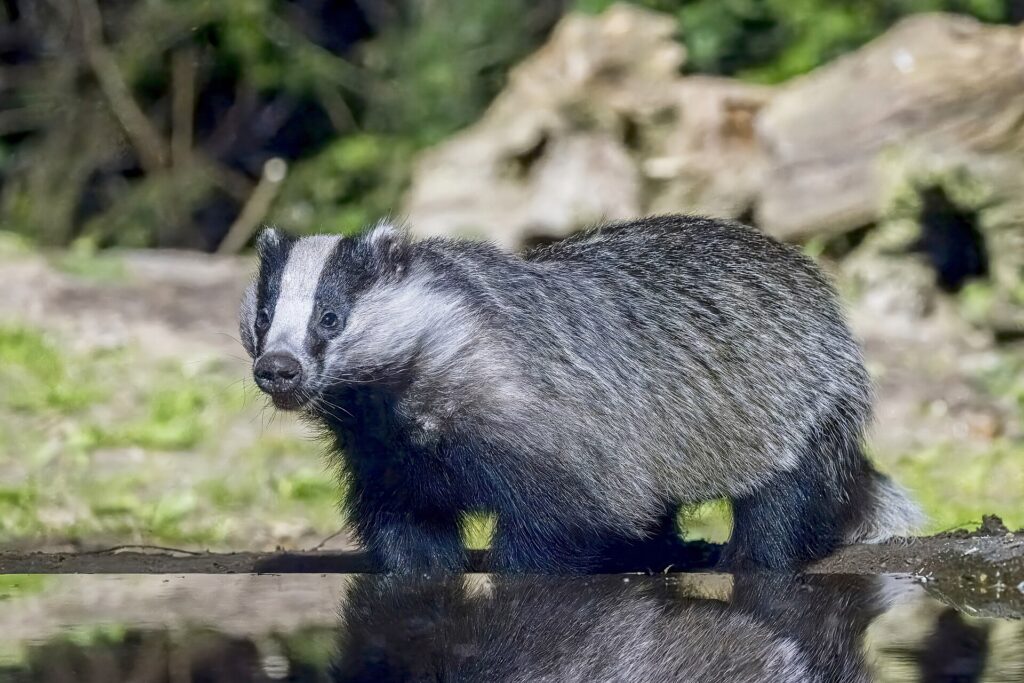
Badgers live in underground ‘setts’ that can be used by the same family for many generations, some with dozens of entrances and hundreds of metres of tunnels.