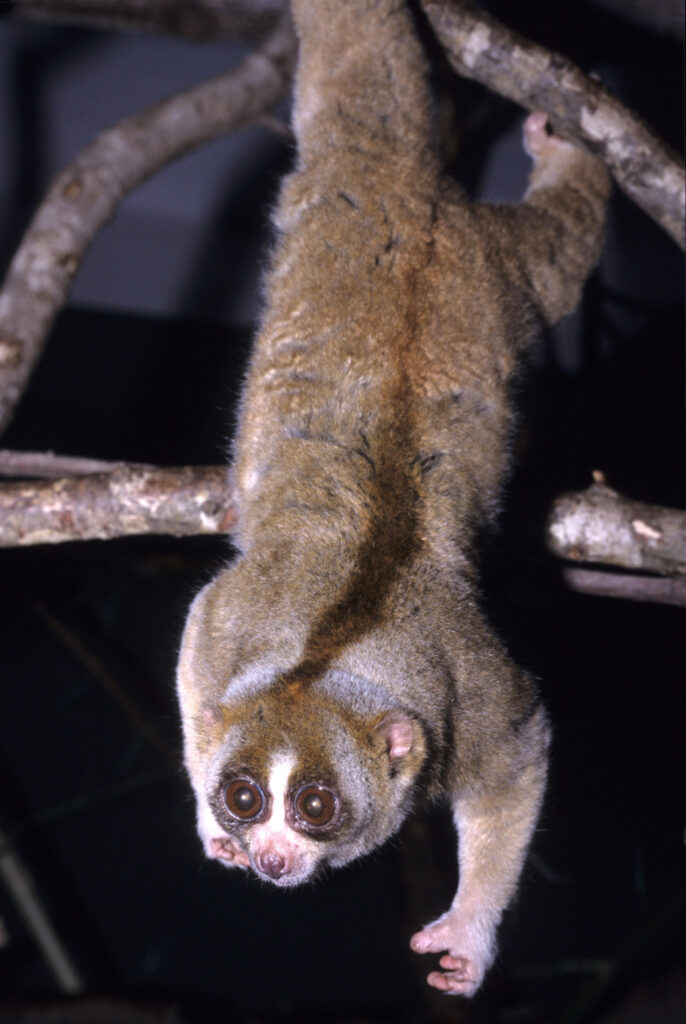
Slow Loris
Slow lorises are the only venomous primates: they lick a gland on their upper arm and mix its secretion with saliva, producing a painful and sometimes dangerous bite.
Slow lorises are the only venomous primates: they lick a gland on their upper arm and mix its secretion with saliva, producing a painful and sometimes dangerous bite.
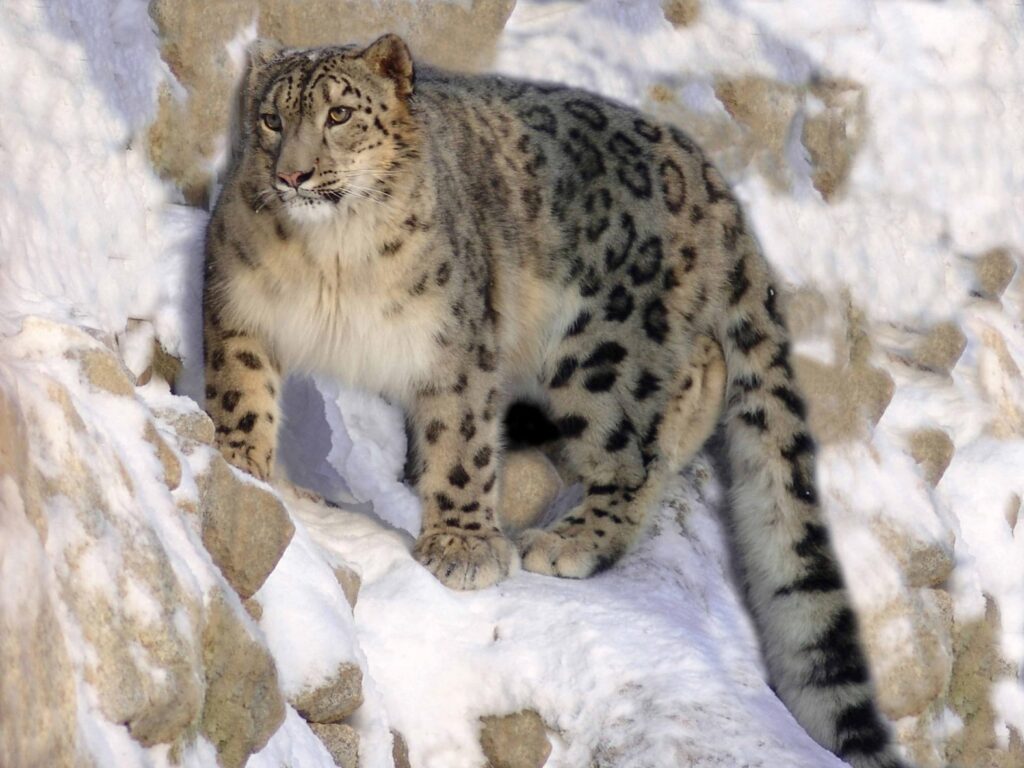
A snow leopard can leap up to about 15 m in a single bound, using its long tail for balance on steep cliffs.
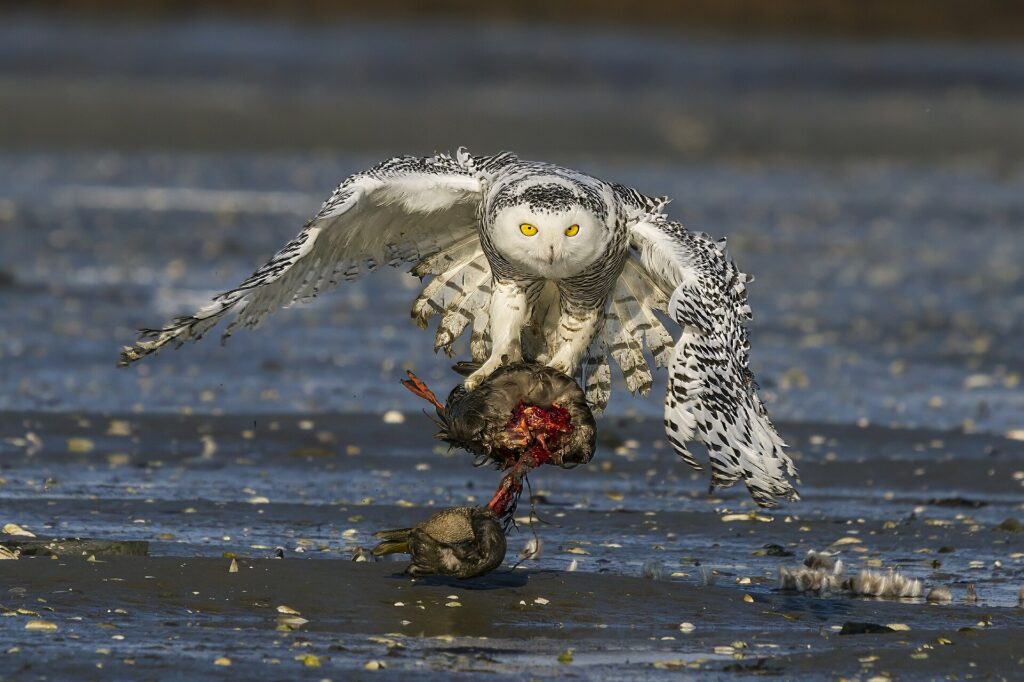
A single snowy owl can eat more than 1,600 lemmings in a year, and the number of eggs it lays depends on how many lemmings there are.
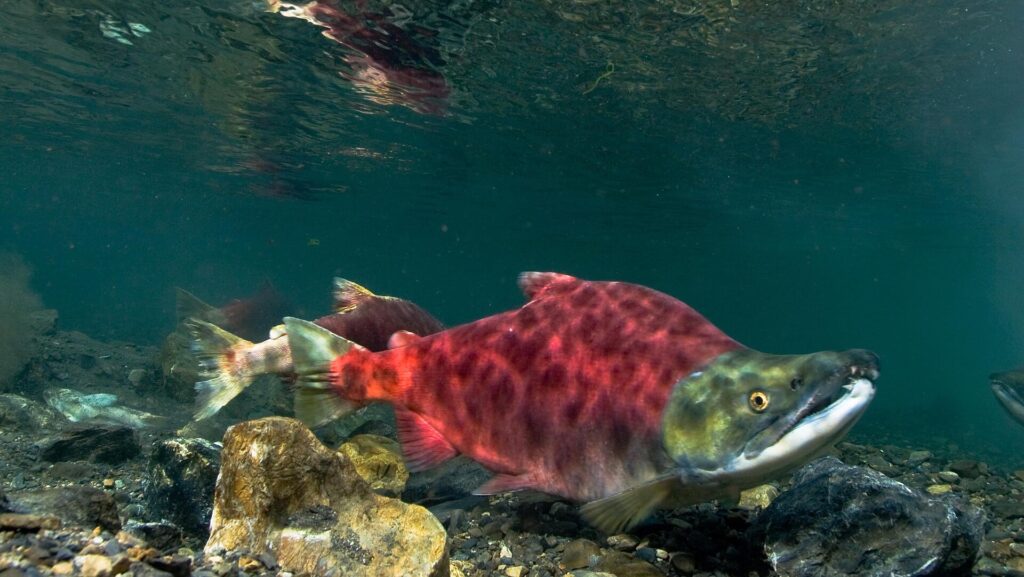
When sockeye salmon return to spawn, they turn brilliant red with green heads, and their bodies later fertilise the forests along the rivers.
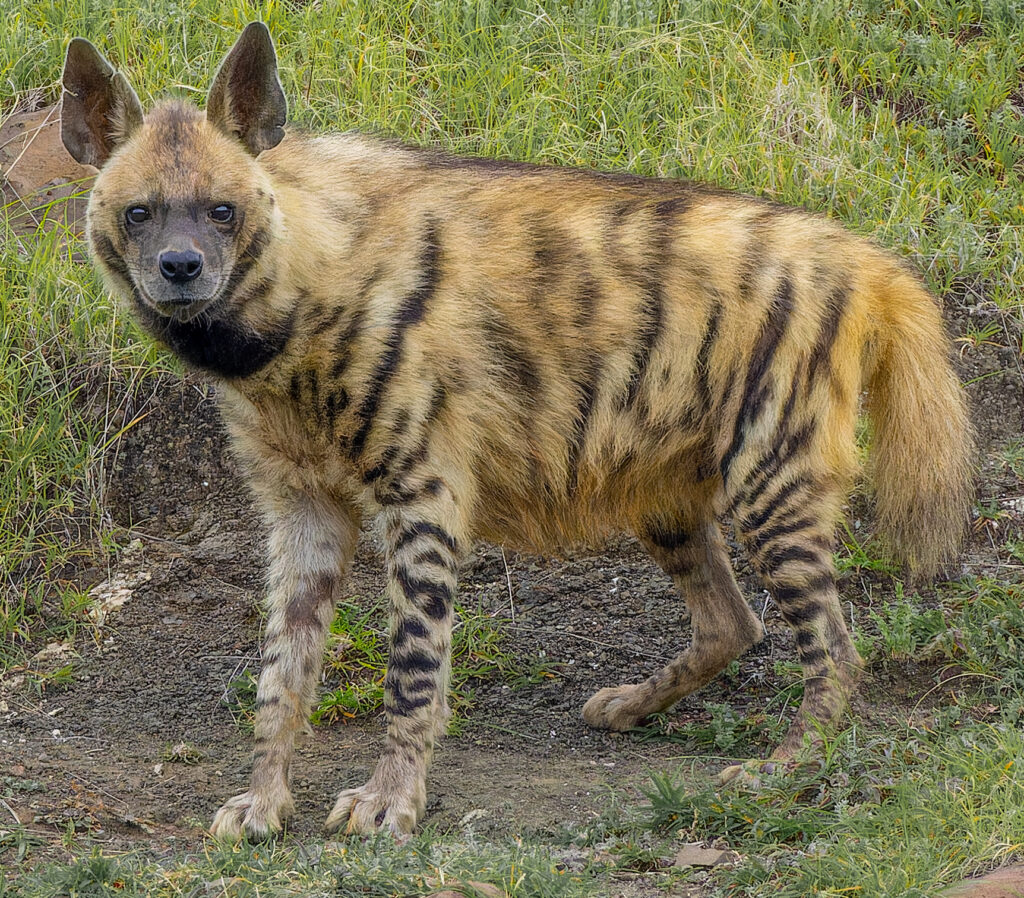
When threatened, the striped hyena raises a long mane along its back, making itself look much bigger.
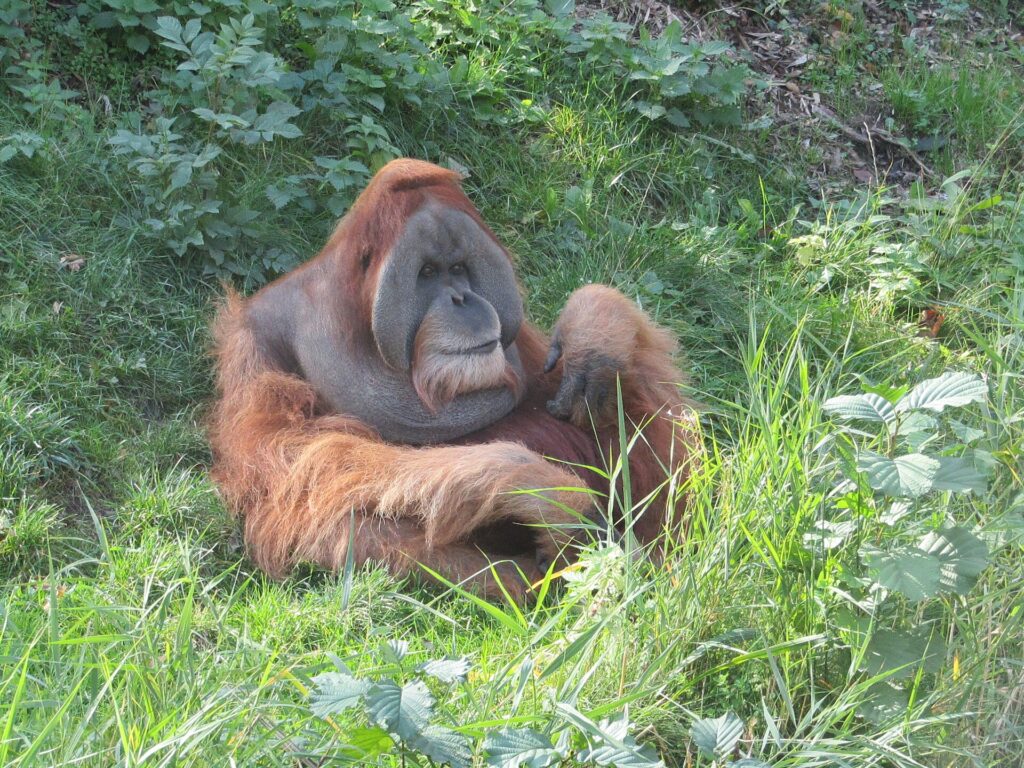
Sumatran orangutan mothers give birth only about once every eight or nine years, the longest gap between births of any mammal.
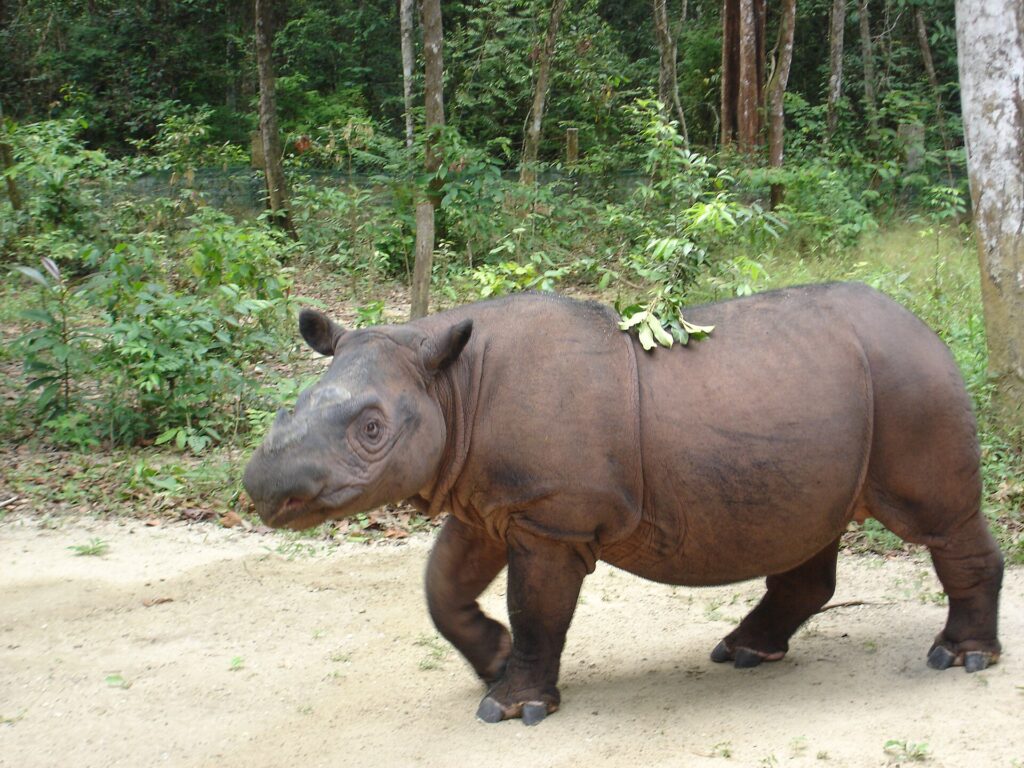
The Sumatran rhino is the hairiest rhino and the closest living relative of the extinct woolly rhinoceros.
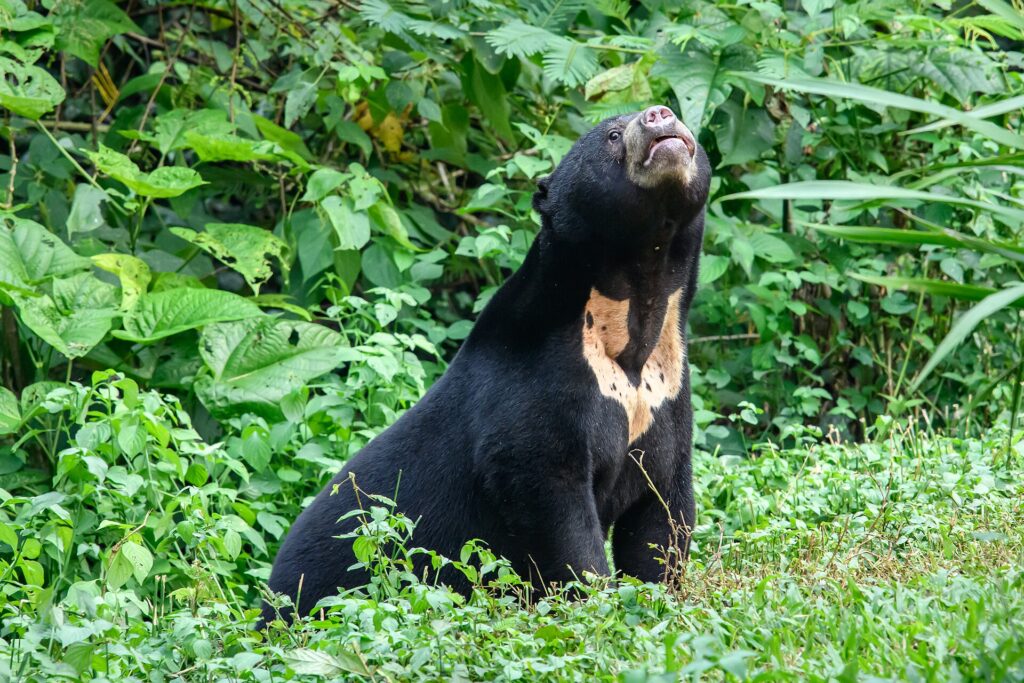
The sun bear is the smallest bear in the world, and it has the longest tongue of any bear, about 20–25 cm, for reaching into bees’ nests and termite tunnels.
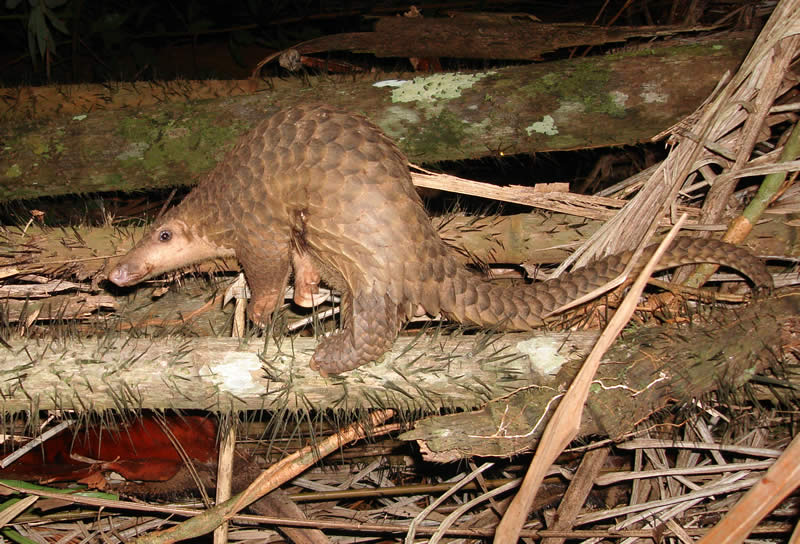
Pangolins are the only mammals covered in scales, which are made of keratin, the same material as human fingernails.
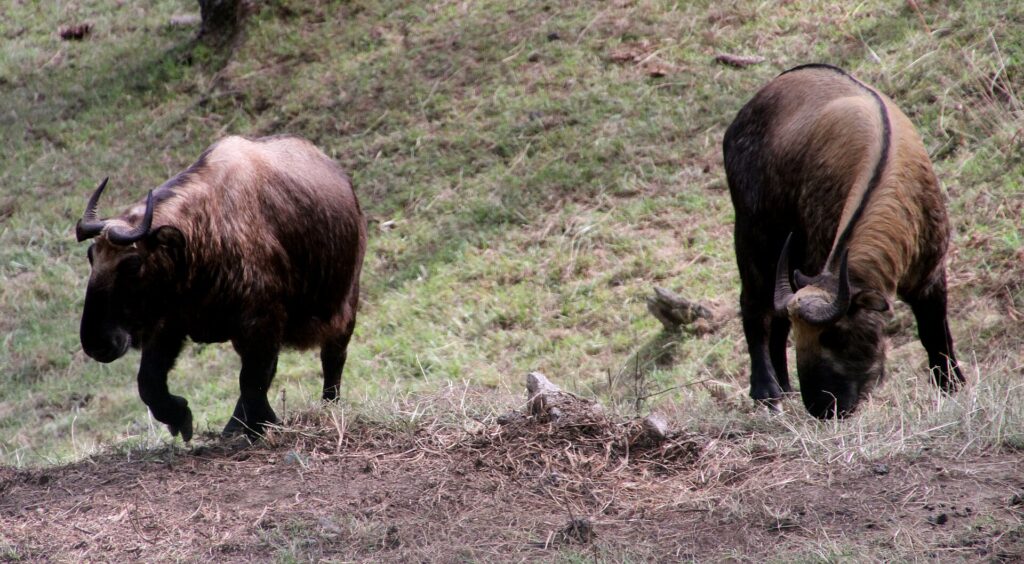
The takin is Bhutan’s national animal, and legend says a saint created it by putting a goat’s head on a cow’s skeleton.