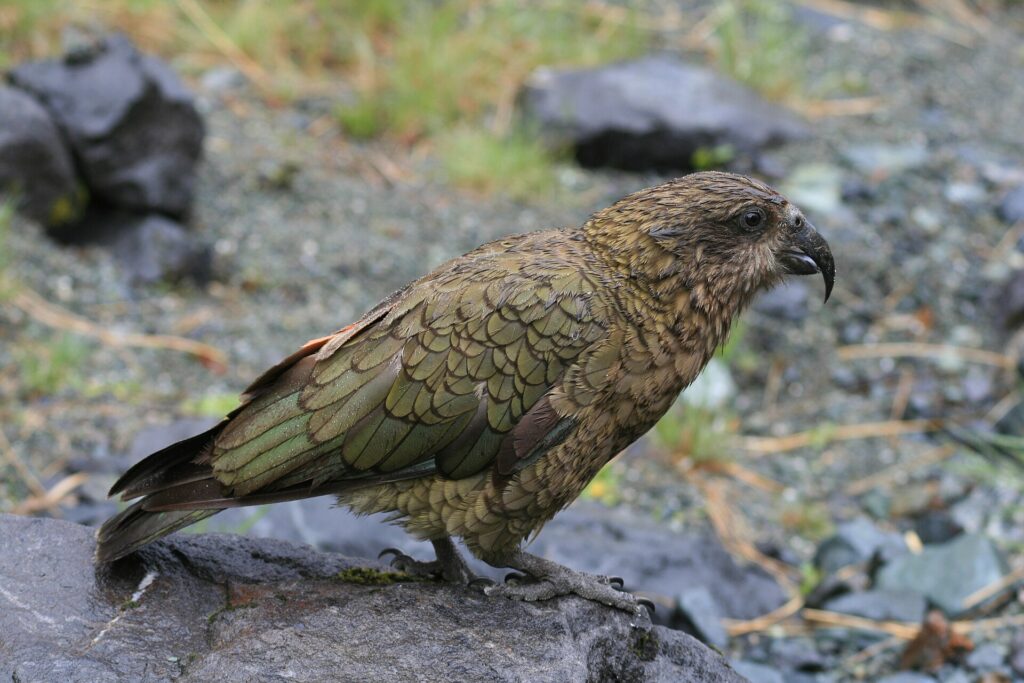
Kea
The kea is the world’s only alpine parrot, and its playful call can make other kea start playing, an example of contagious emotion in birds.
The kea is the world’s only alpine parrot, and its playful call can make other kea start playing, an example of contagious emotion in birds.
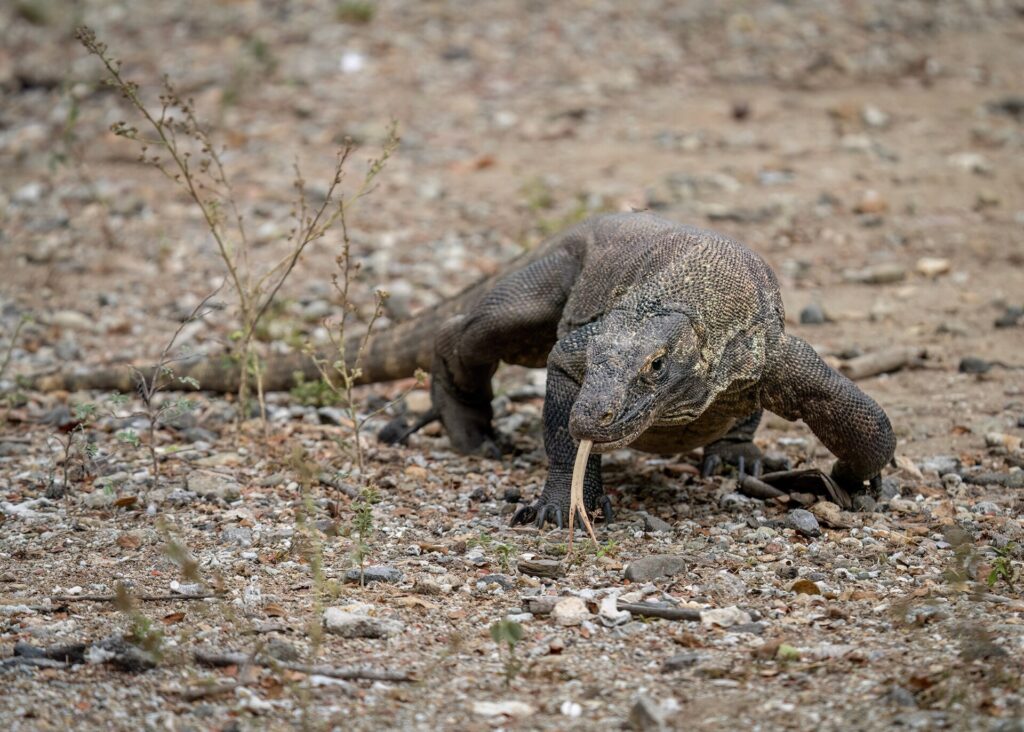
Komodo dragons have venom glands in their lower jaws; the venom causes bleeding and shock, helping to bring down large prey.
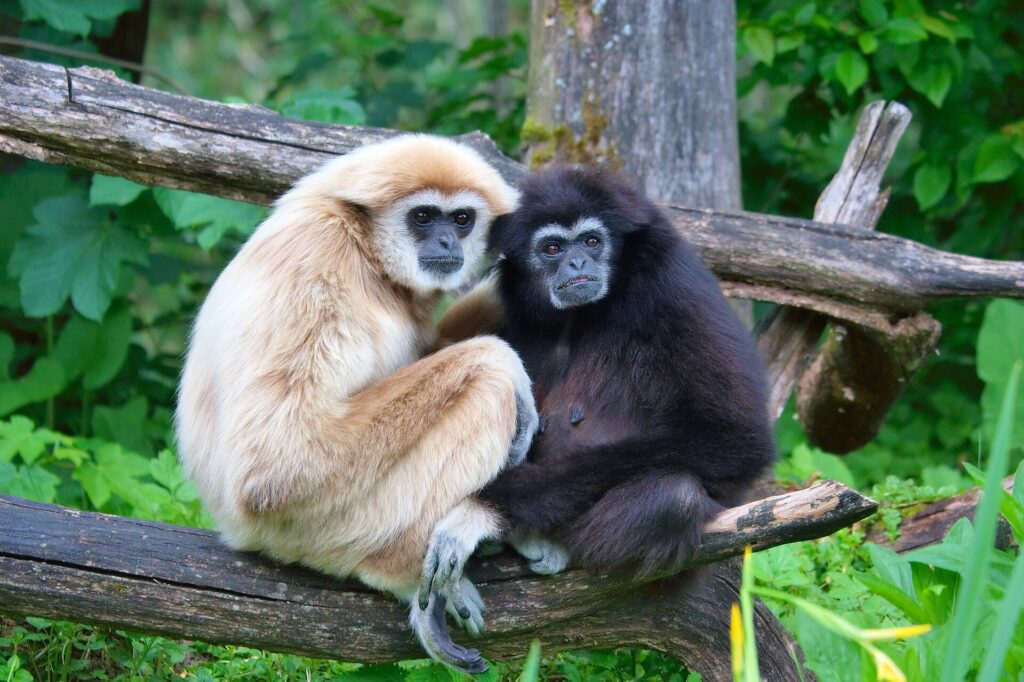
Lar gibbon pairs sing loud duets at dawn, and the songs of different pairs can be heard across the forest for kilometres.
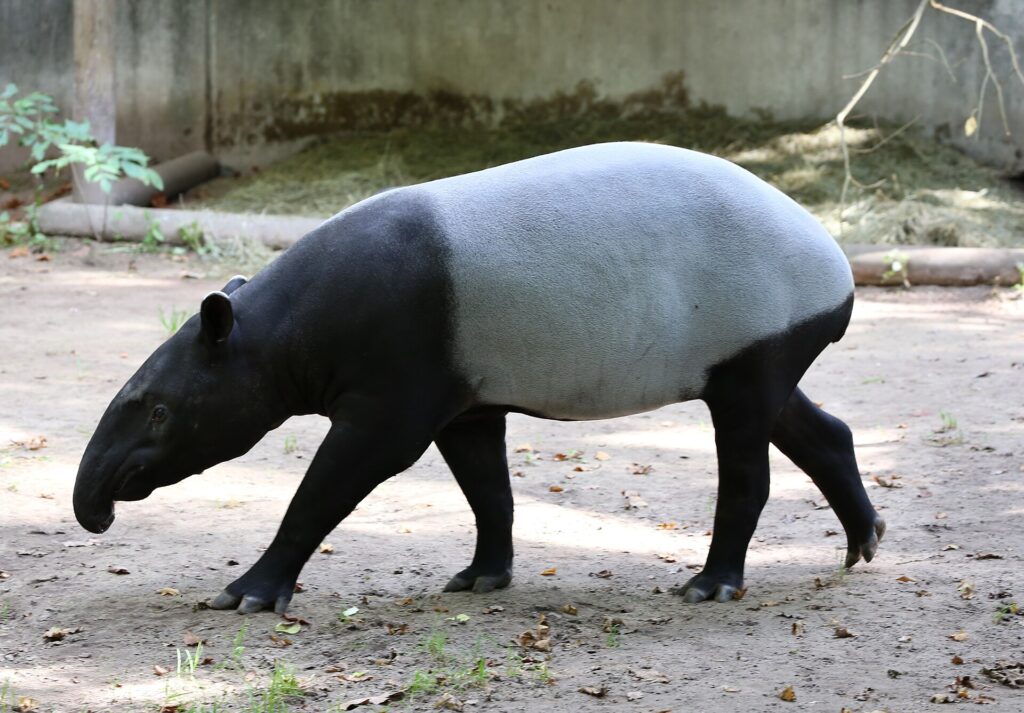
The Malayan tapir’s black-and-white pattern breaks up its outline in moonlight, making it hard for tigers to spot in the forest at night.
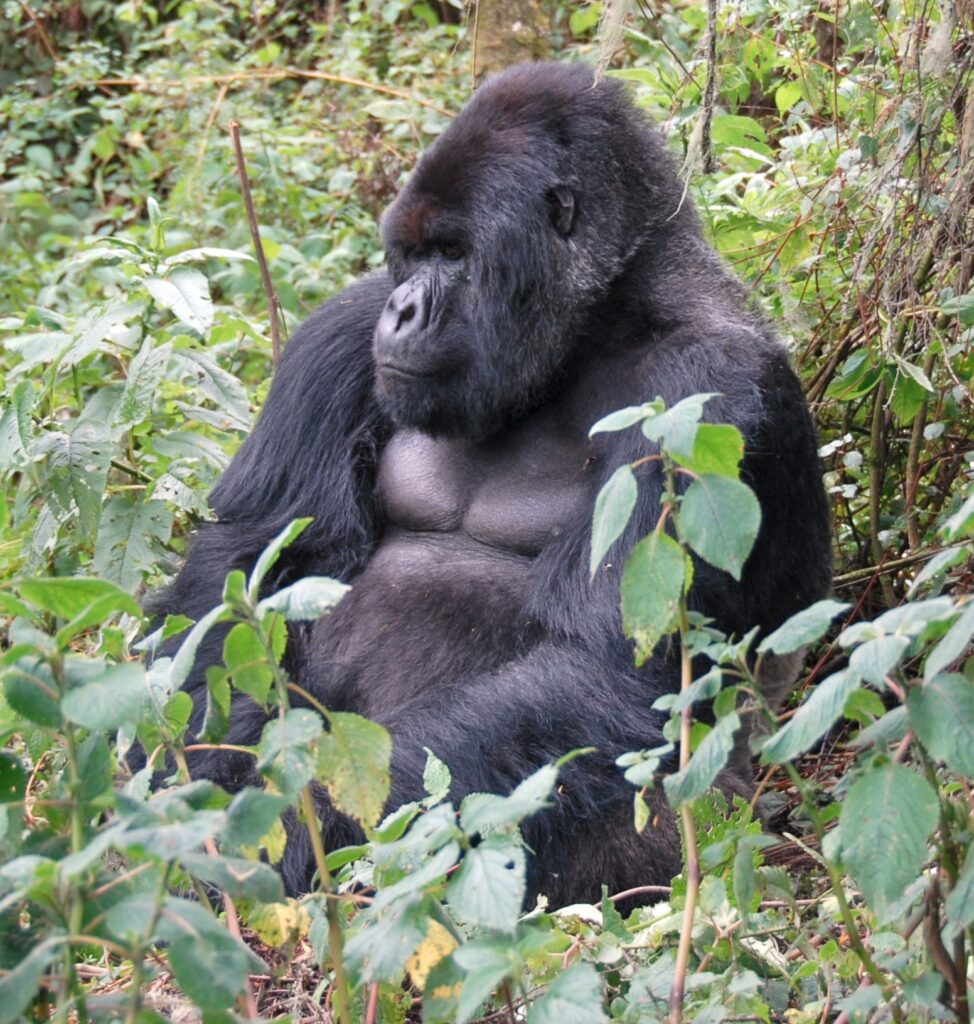
Mountain gorillas are the only great apes whose numbers are increasing, having risen from about 250 in the early 1980s to just over 1,000.
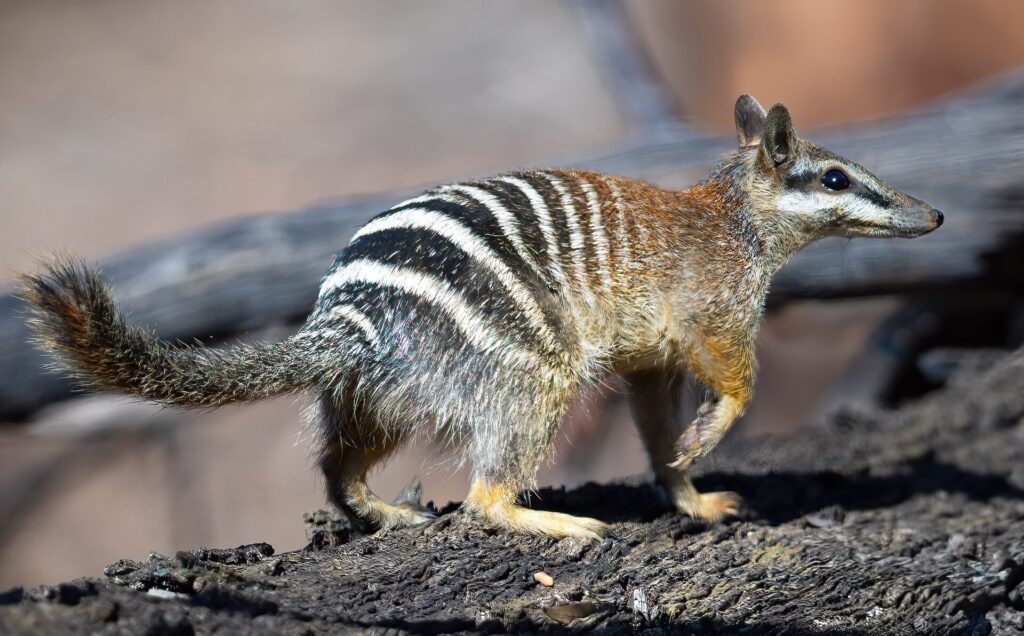
The numbat eats up to about 20,000 termites a day, licking them up with a sticky tongue about 10 cm long.
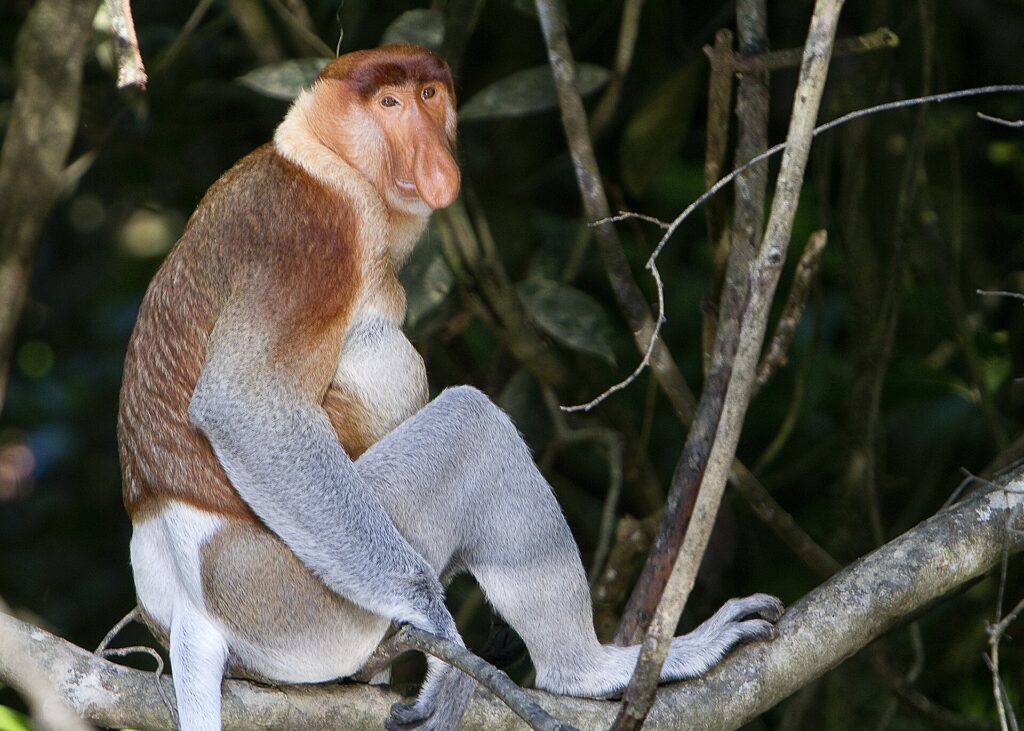
The adult male proboscis monkey’s nose can be more than 10 cm long, and bigger noses seem to help males attract females and make louder calls.
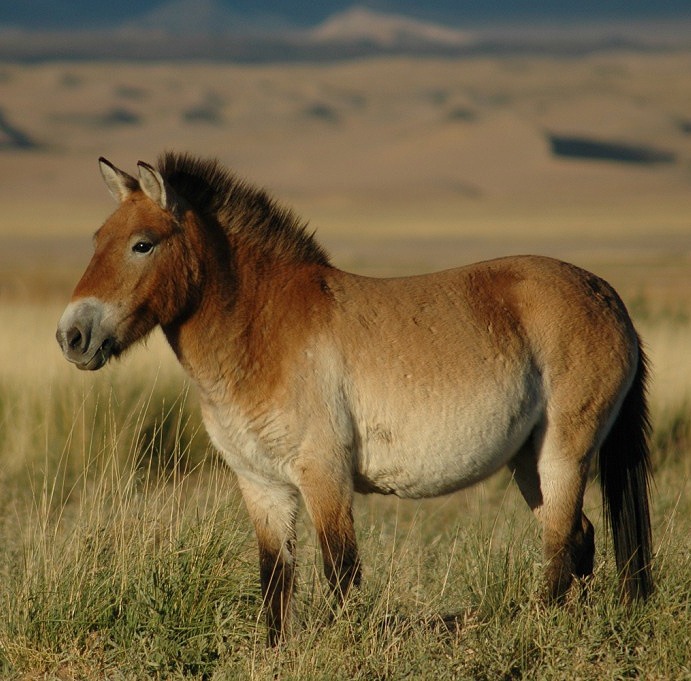
Przewalski’s horse was declared extinct in the wild after 1969; every living one descends from just 12–15 horses caught around 1900.
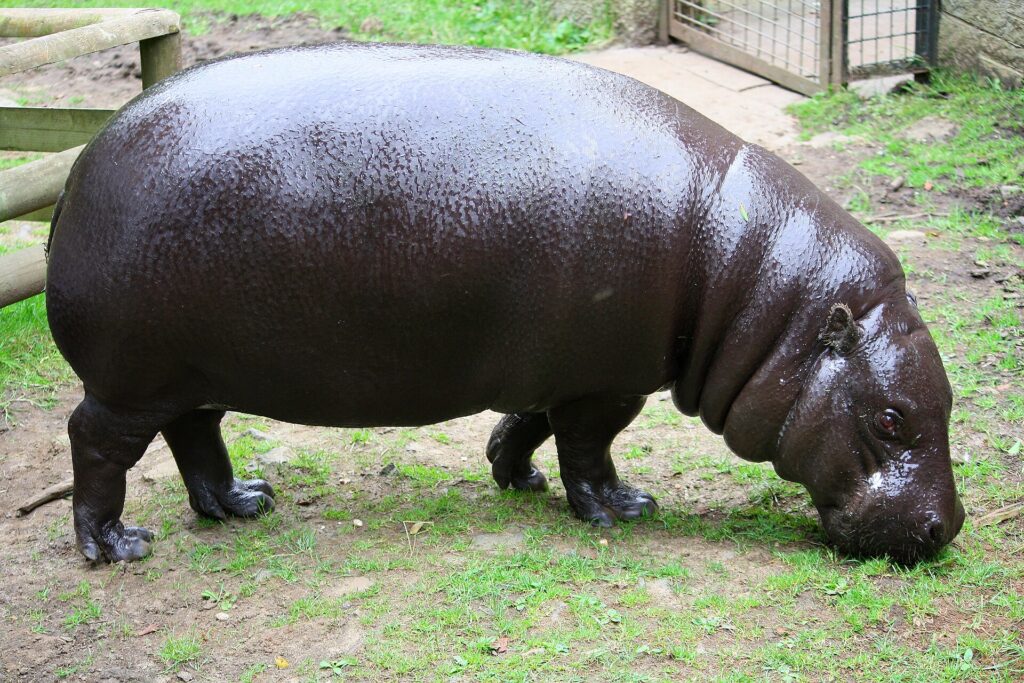
The pygmy hippo weighs about a tenth as much as a common hippo and lives alone in dense rainforest rather than in groups in rivers.

The red panda was named a panda about 50 years before the giant panda, and it is not closely related to it; it is the only living member of its own family.
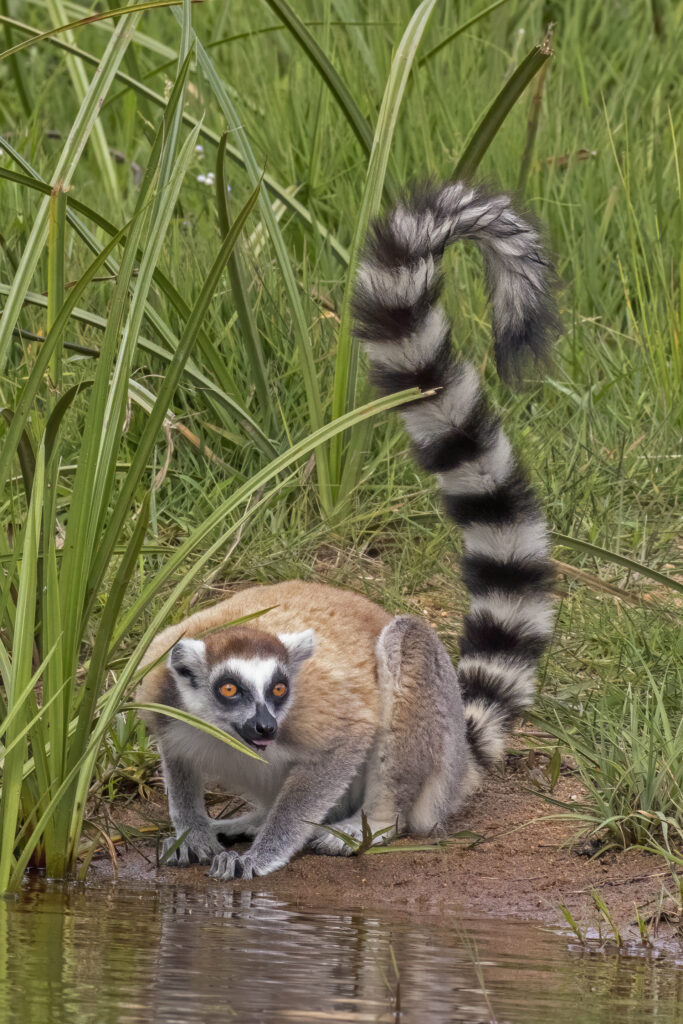
During the breeding season, male ring-tailed lemurs hold ‘stink fights’, rubbing scent onto their tails and waving them at rivals.
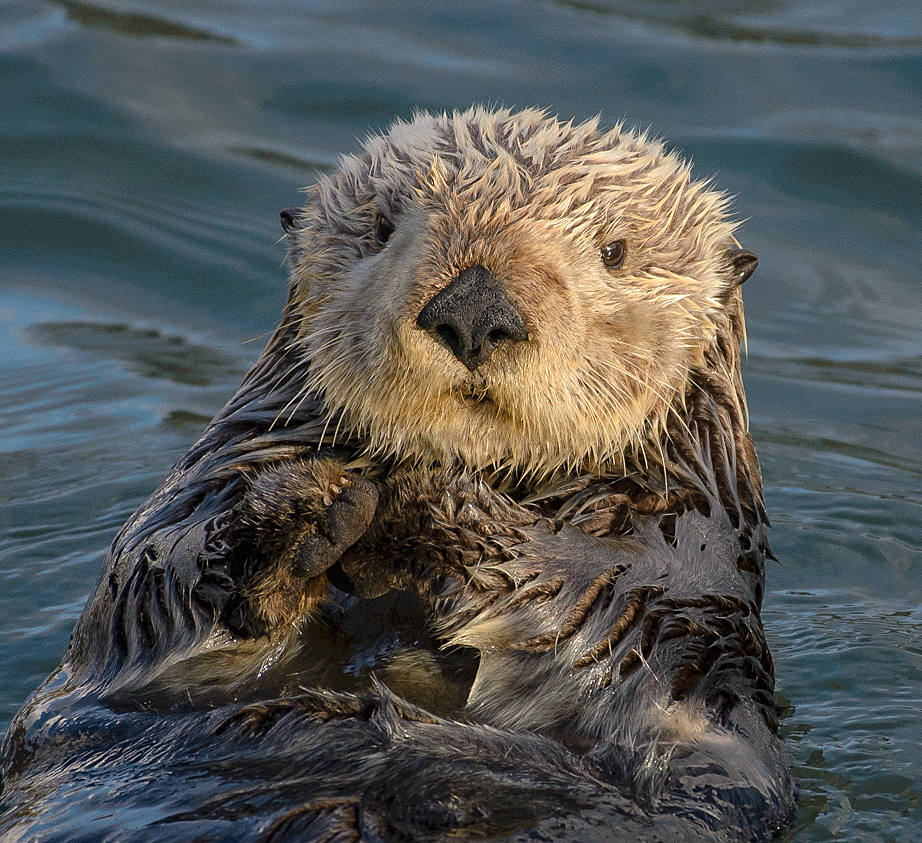
Sea otters have the densest fur of any animal, up to about a million hairs per square inch, which keeps them warm without blubber.
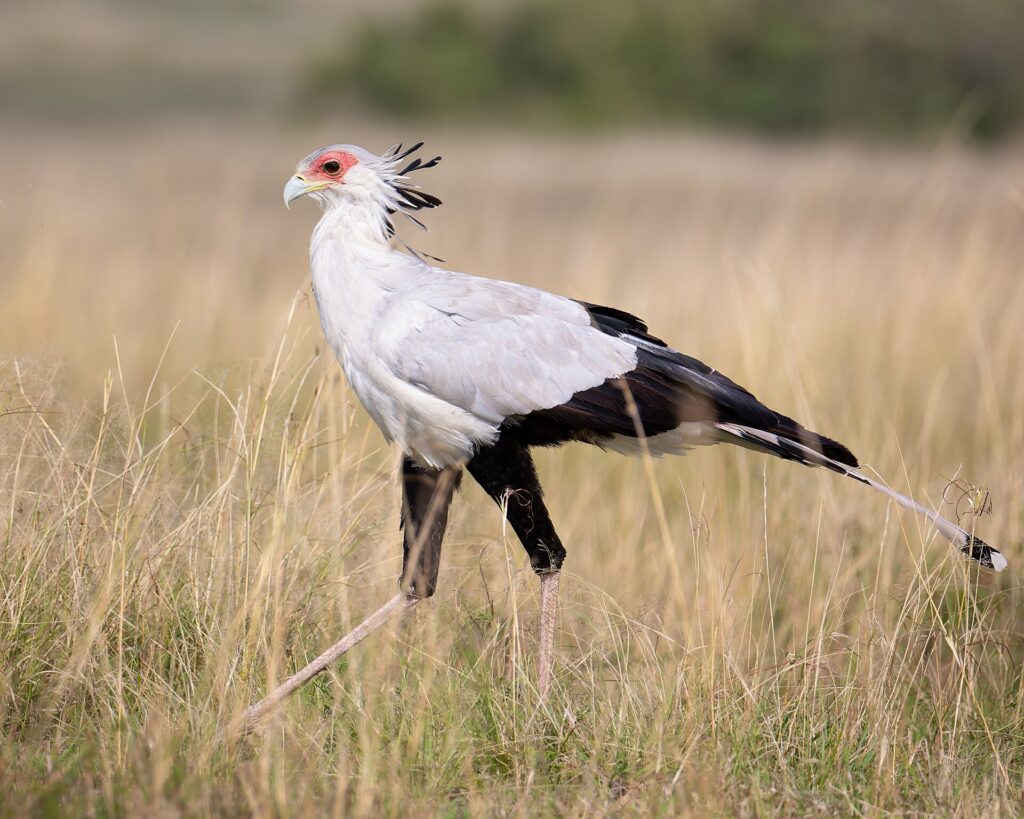
The secretary bird kills snakes by stamping on them with a kick that delivers about five times its own body weight in a fraction of a second.
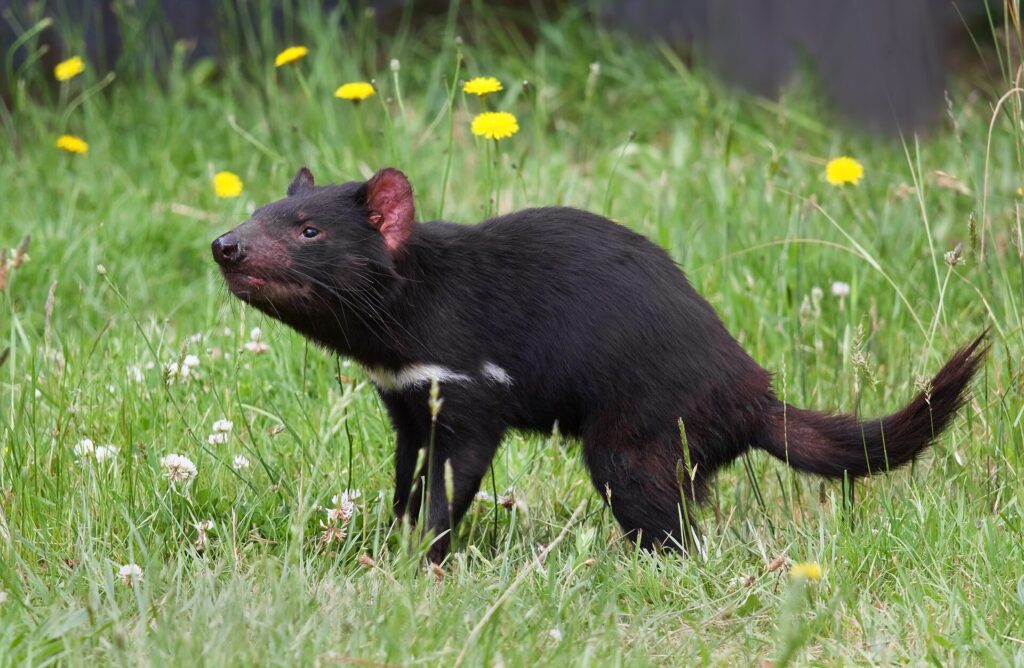
For its size, the Tasmanian devil has one of the most powerful bites of any living mammal, able to crunch through bone.
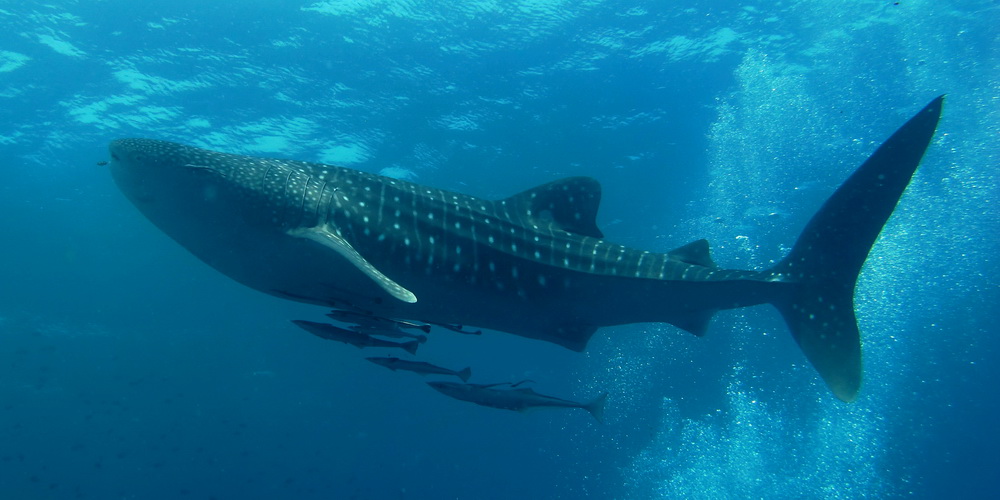
The whale shark is the largest fish in the world, and each one has a unique pattern of white spots that researchers use like a fingerprint.
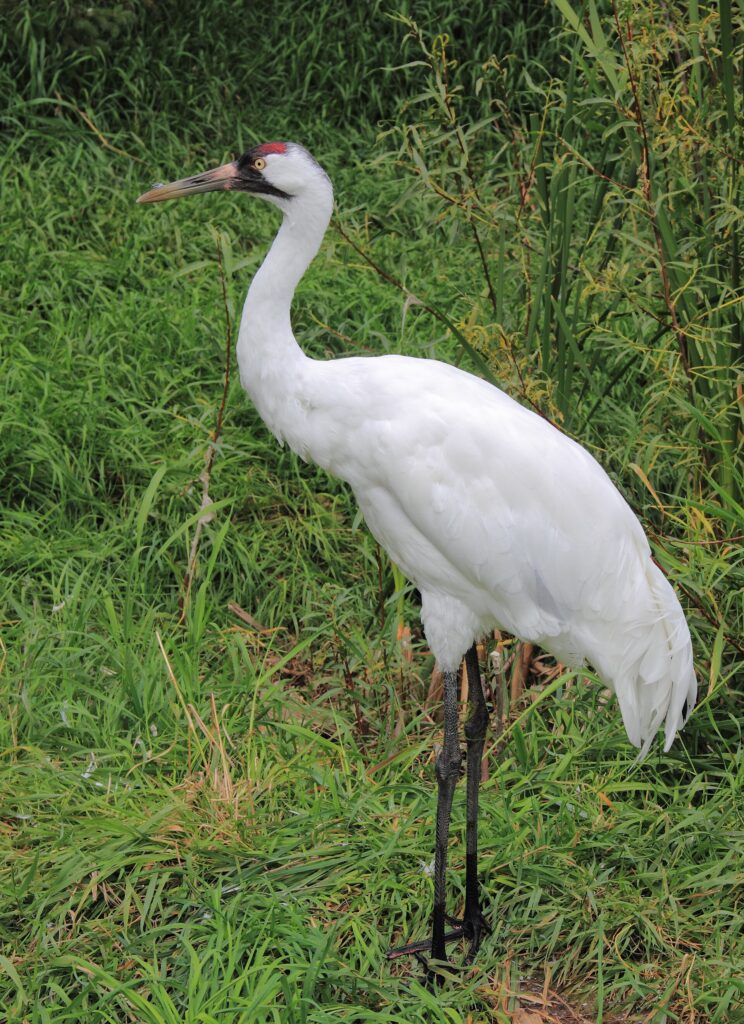
In 1941, only about 21 whooping cranes survived; today the only natural wild flock has grown to more than 500 birds.
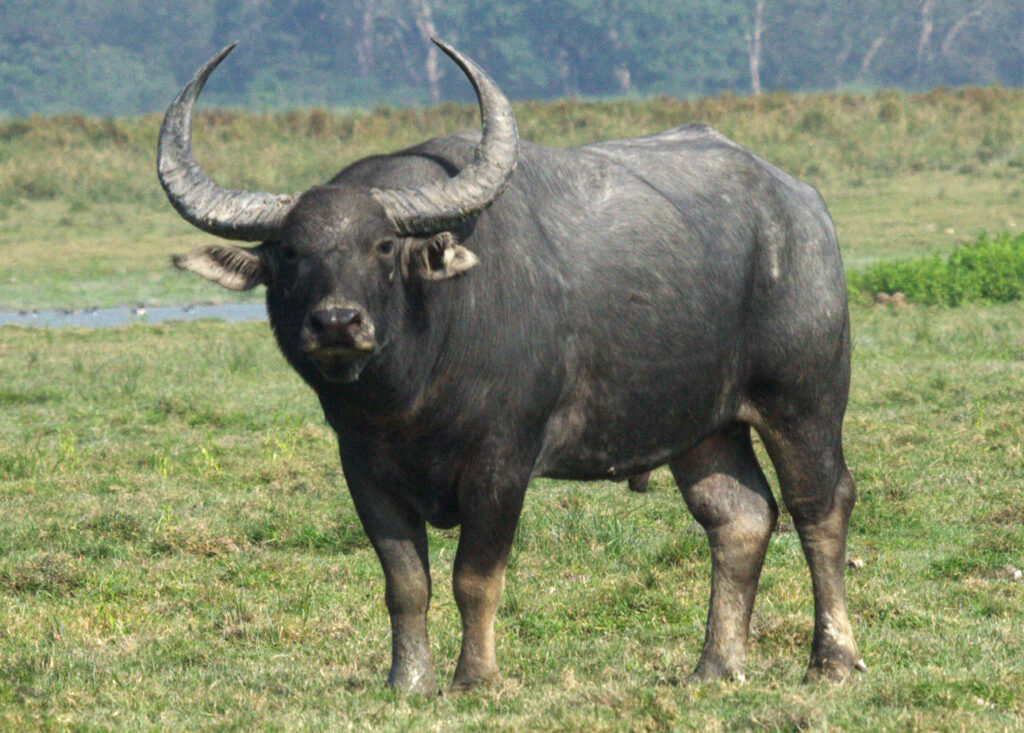
The wild water buffalo has the largest horns of any living bovid, spanning up to about 2 metres.