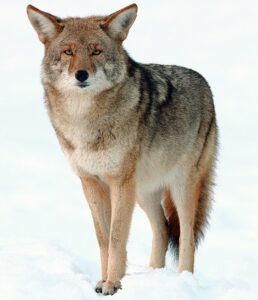
The grey wolf once had the largest range of any land mammal apart from humans. It was persecuted almost to extinction in western Europe and the lower 48 US states, but legal protection and reintroductions have brought it back to many areas.
Interesting facts
- The grey wolf is the largest wild member of the dog family.
- All domestic dogs descend from ancient wolves, domesticated at least 15,000 years ago.
- A pack is usually a family: a breeding pair and their offspring from several years.
- Wolves howl to locate pack members and to warn other packs away from their territory.
- Wolf reintroduction to Yellowstone in 1995–1996 became a landmark study of how predators shape ecosystems.
- Wolves have naturally returned to much of Europe, including Germany, France and the Netherlands.
Behaviour
Packs typically number 4 to 9 wolves but can be larger. Wolves cooperate to hunt large prey, often testing herds to find weak or young animals. Territories range from under 100 km² to more than 1,000 km² where prey is scarce.
Breeding and young
Usually only the breeding pair has pups: a litter of 4 to 6 born in a den after about 63 days. Older siblings help feed and guard the pups.
Threats and conservation
Conflict with livestock farmers, legal and illegal hunting, road traffic and habitat fragmentation. Globally the species is widespread and listed as Least Concern.
Where to see it
- Lamar Valley, Yellowstone, USA
- Denali, Alaska
- Sierra de la Culebra, Spain
- Kuhmo, Finland
- Algonquin Park, Canada
Status source: IUCN Red List. Profile last reviewed September 2026.
Where to see the grey wolf
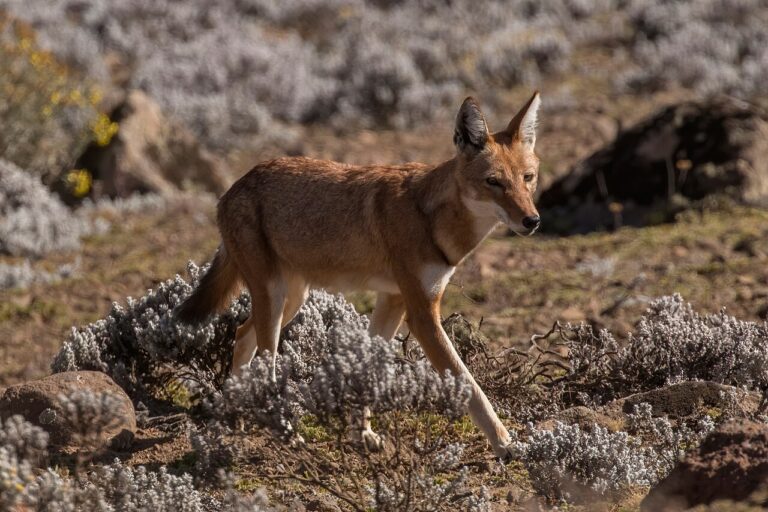 Simien and Bale Mountains: Geladas and Ethiopian WolvesEthiopia's high plateaus are home to the world's rarest canid and a grass-eating monkey found nowhere else. How…
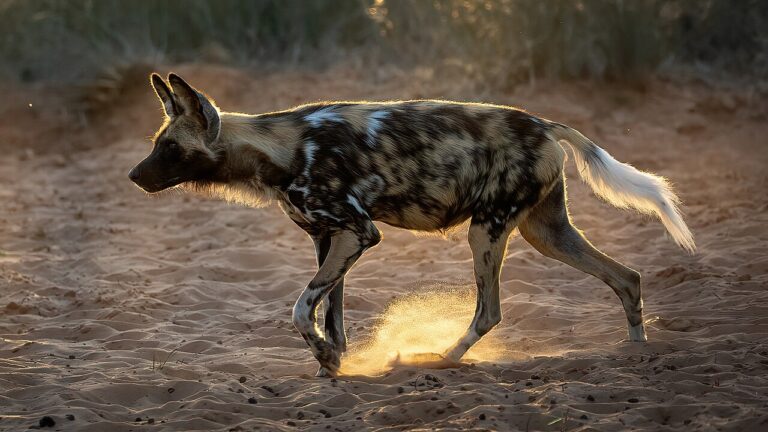 Where to See African Wild DogsFewer than 7,000 African wild dogs survive. Where to find these endangered pack hunters, and the best time…
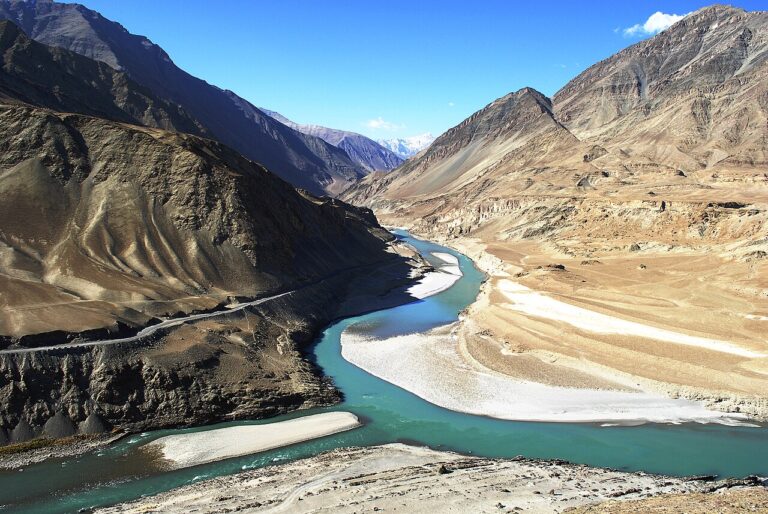 Snow Leopard Tours in Ladakh: How to See the Ghost of the MountainsWinter in Ladakh offers one of the best chances on Earth to see a wild snow leopard. Where…