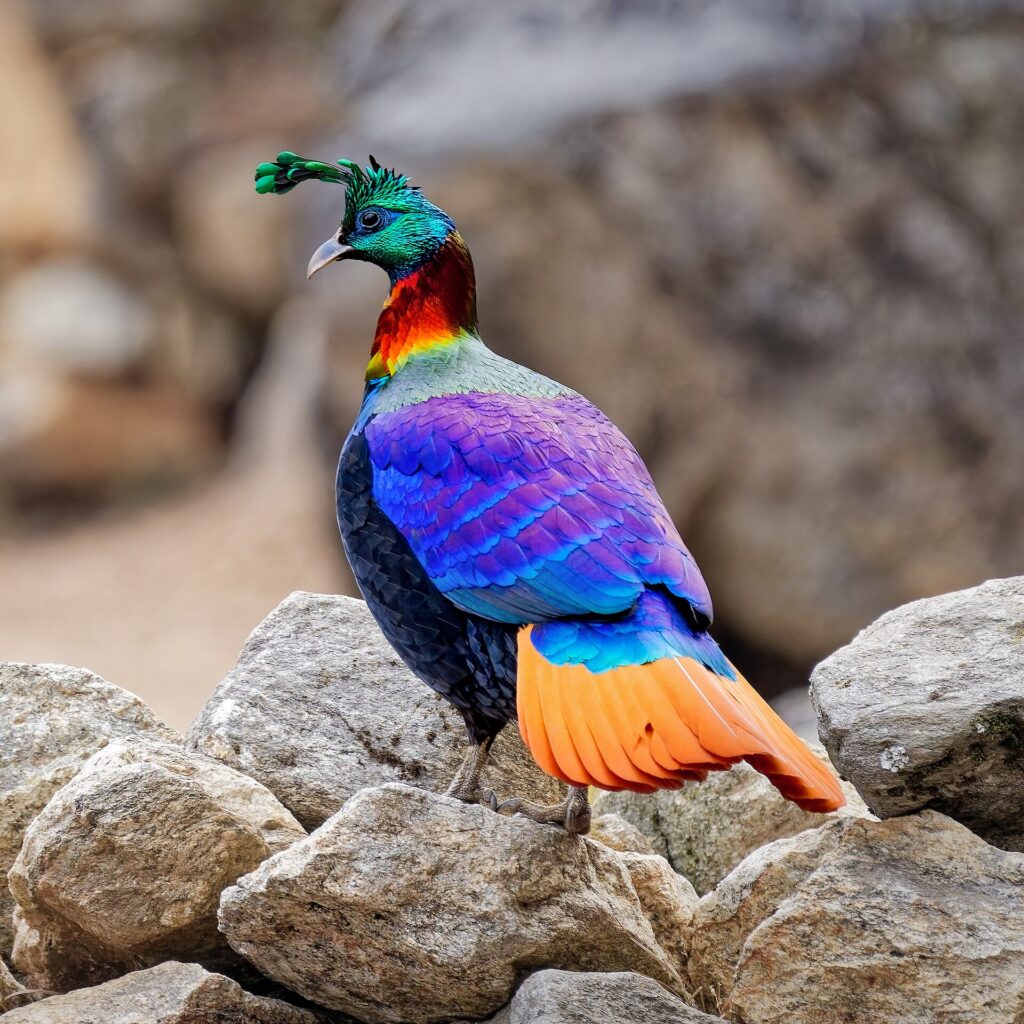
Himalayan Monal
The male Himalayan monal shimmers with iridescent green, purple, copper and blue, and is Nepal’s national bird, known locally as the Danphe.
The male Himalayan monal shimmers with iridescent green, purple, copper and blue, and is Nepal’s national bird, known locally as the Danphe.
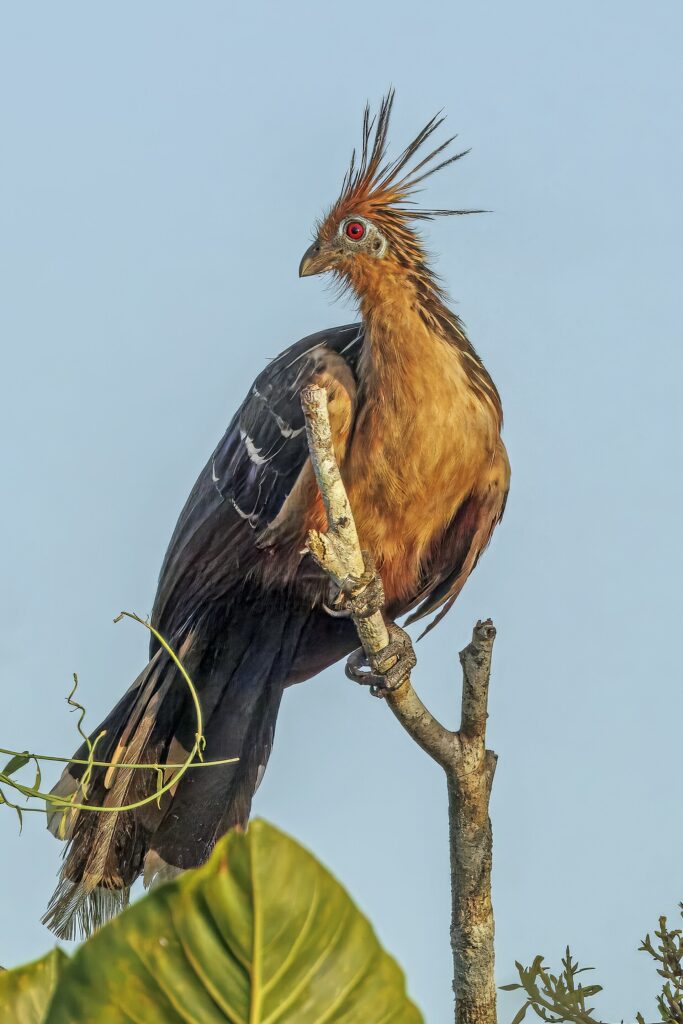
Hoatzin chicks have two claws on each wing, which they use to climb back up into trees after dropping into water to escape predators.
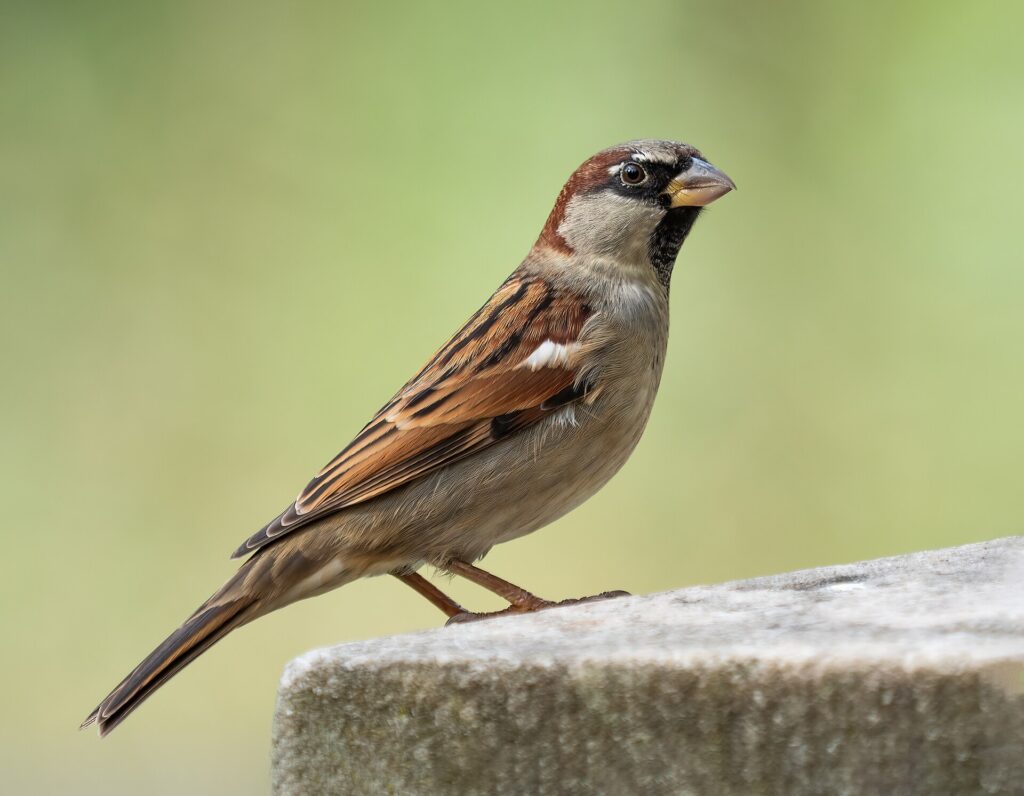
House sparrows have lived alongside people for about 10,000 years, since the beginning of farming, and are now among the most widespread birds on Earth.
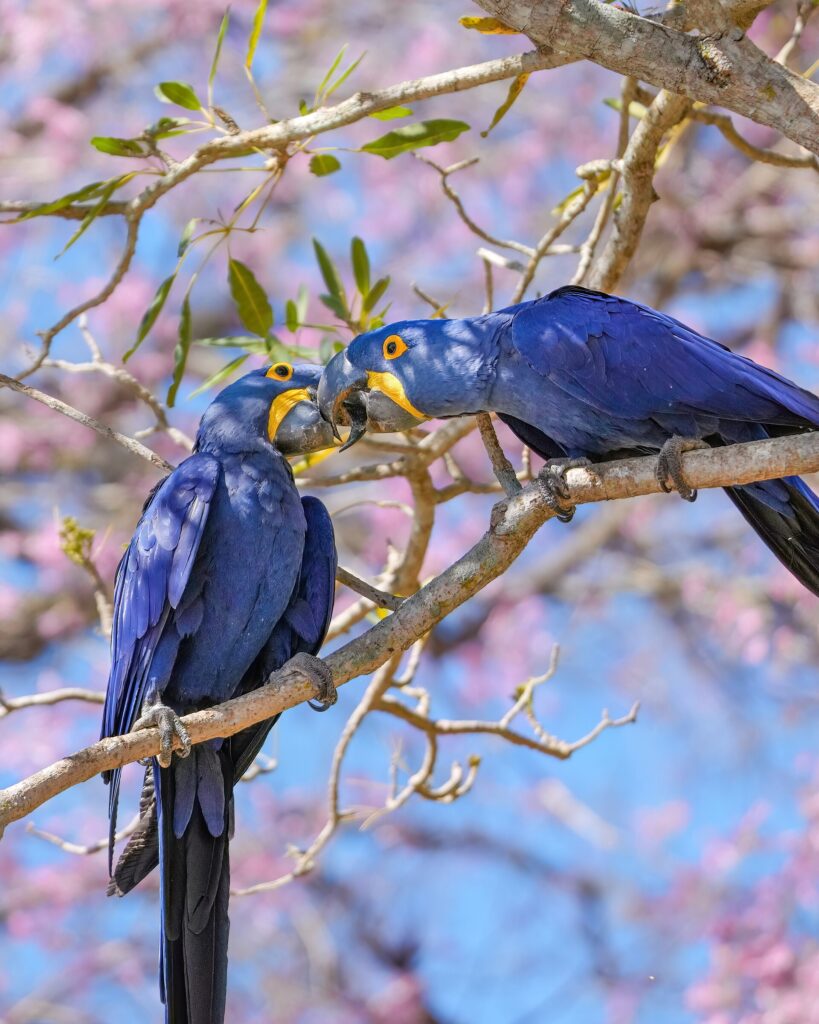
The hyacinth macaw is the longest parrot in the world, and its massive beak can crack palm nuts so hard that people need a hammer to open them.
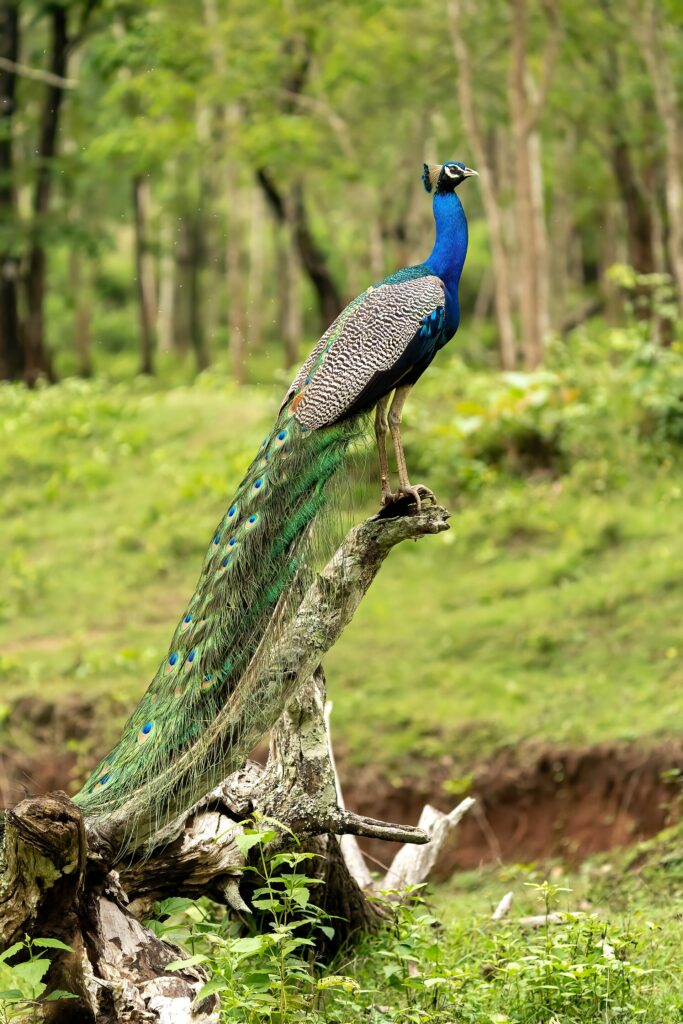
A peacock’s famous ‘tail’ is actually a train of about 200 elongated feathers growing from the lower back, and it is shed and regrown every year.
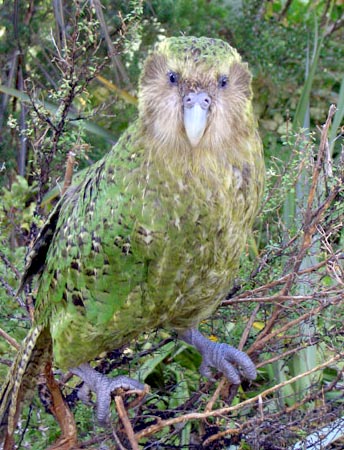
The kākāpō is the world’s only flightless parrot, and every surviving bird is individually named and monitored.
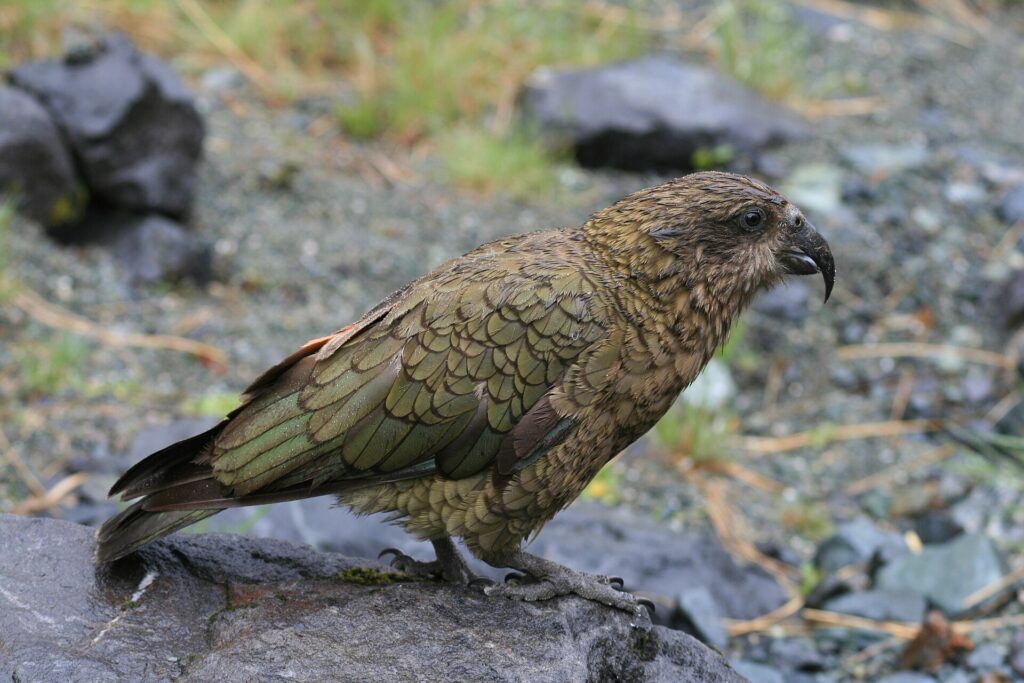
The kea is the world’s only alpine parrot, and its playful call can make other kea start playing, an example of contagious emotion in birds.
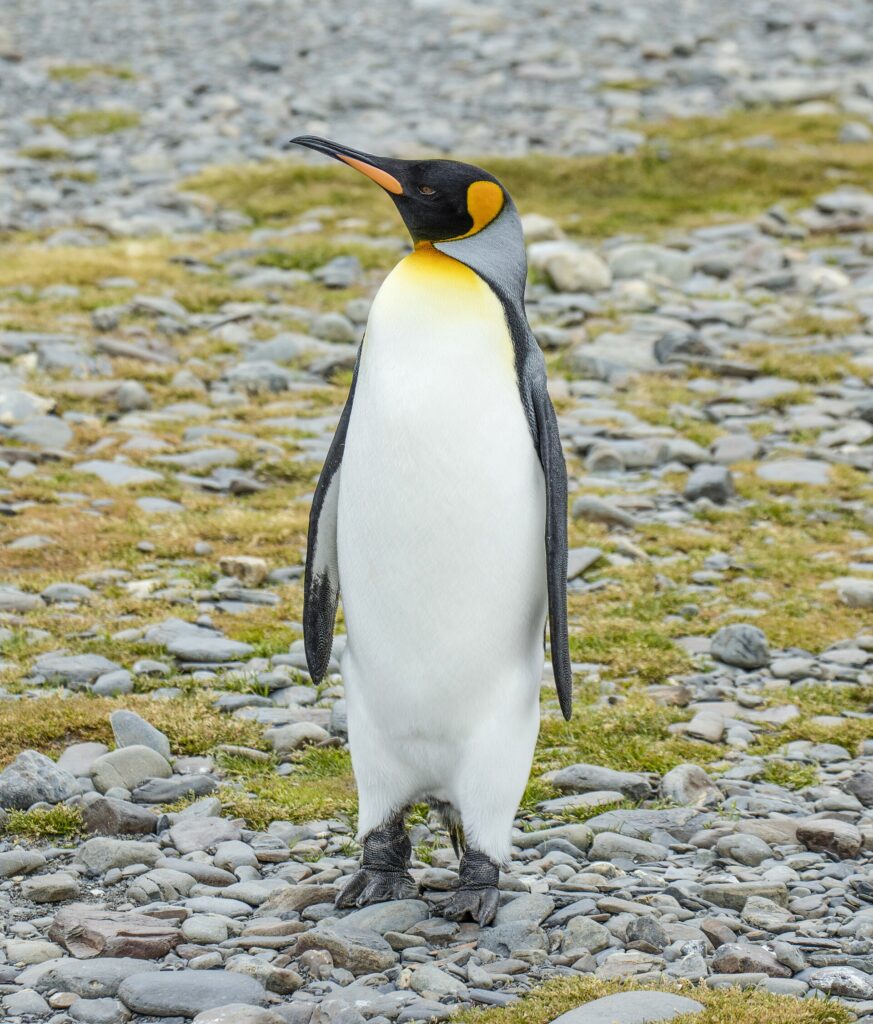
A king penguin’s breeding cycle takes over a year, so a pair can raise at most two chicks every three years.
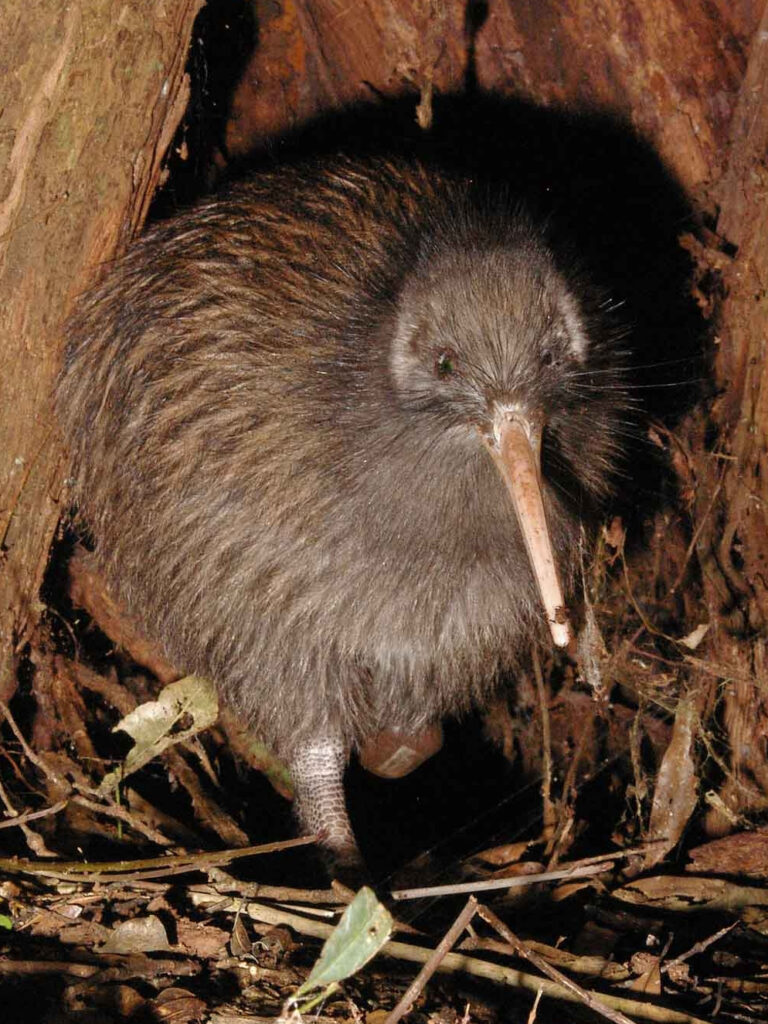
A kiwi egg can weigh around 15–20 percent of the female’s body weight, one of the largest eggs relative to body size of any bird.
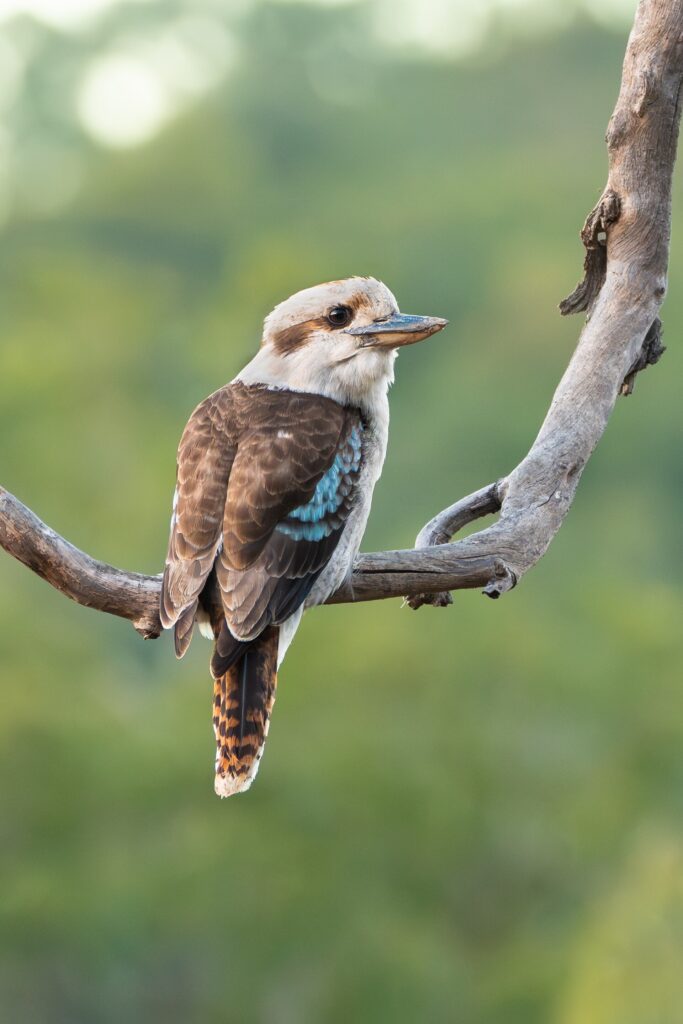
The kookaburra’s loud call sounds like human laughter, and families often ‘laugh’ together at dawn and dusk to mark their territory.