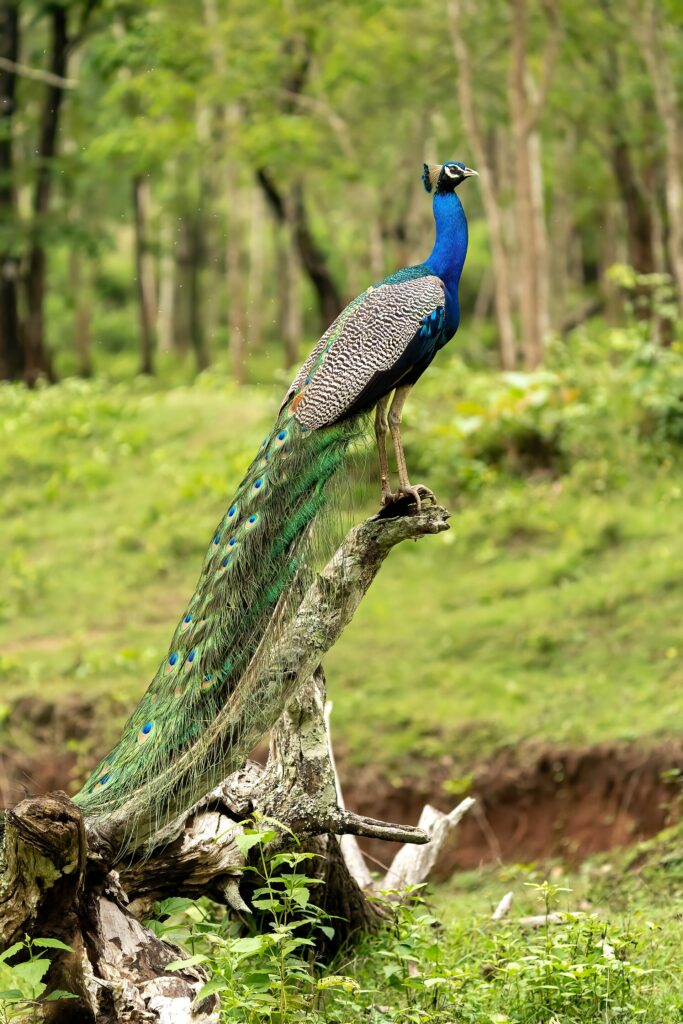
Indian Peafowl
A peacock’s famous ‘tail’ is actually a train of about 200 elongated feathers growing from the lower back, and it is shed and regrown every year.
A peacock’s famous ‘tail’ is actually a train of about 200 elongated feathers growing from the lower back, and it is shed and regrown every year.
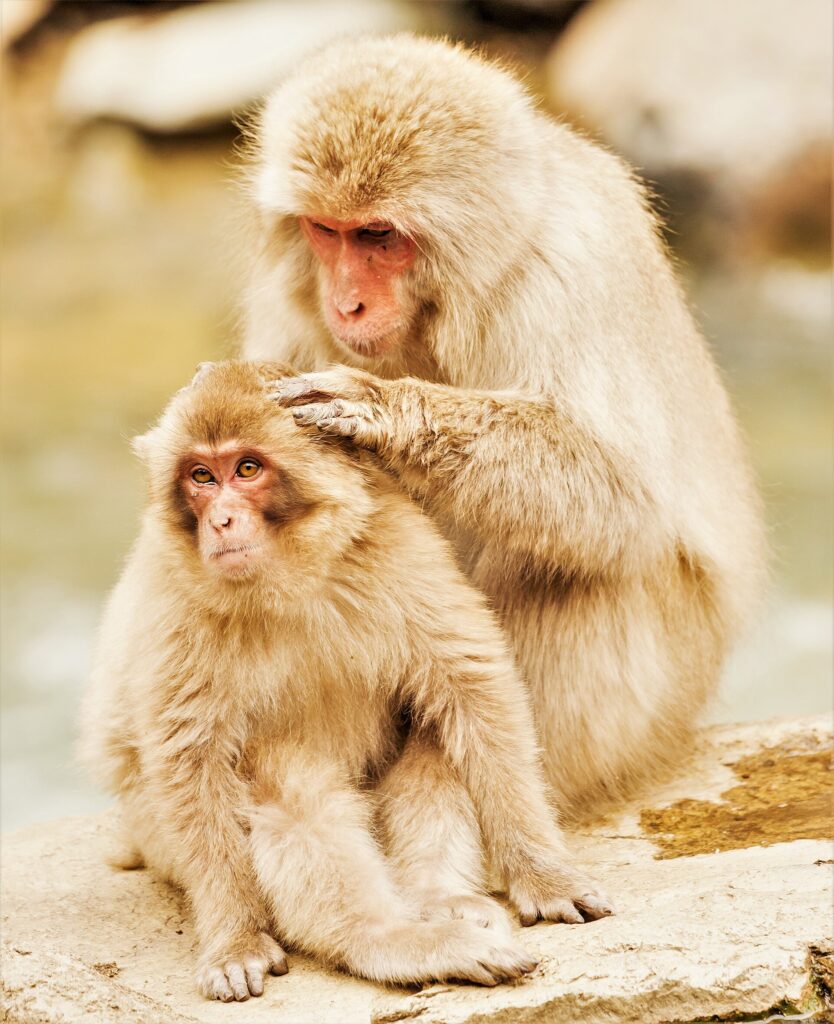
The famous ‘snow monkeys’ of Jigokudani bathe in hot springs in winter, and studies show bathing lowers their stress hormones.
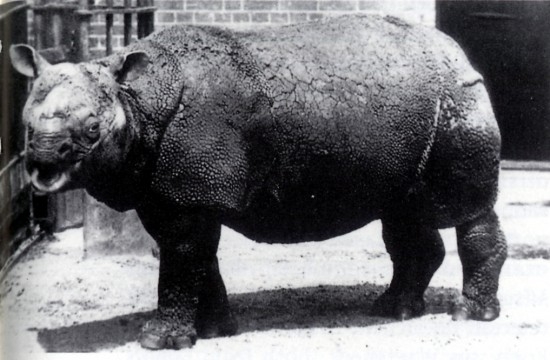
All the world’s Javan rhinos live in a single national park; the last one in Vietnam was killed by poachers in 2010.
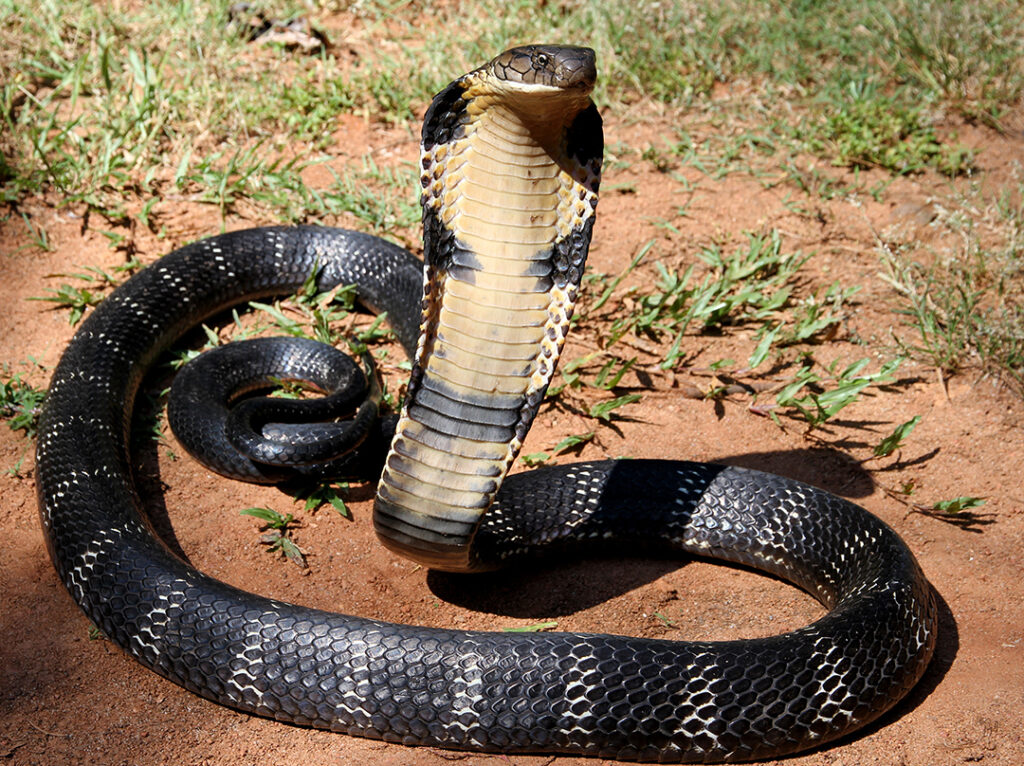
The king cobra is the only snake known to build a nest for its eggs, gathering leaves into a mound and guarding it.
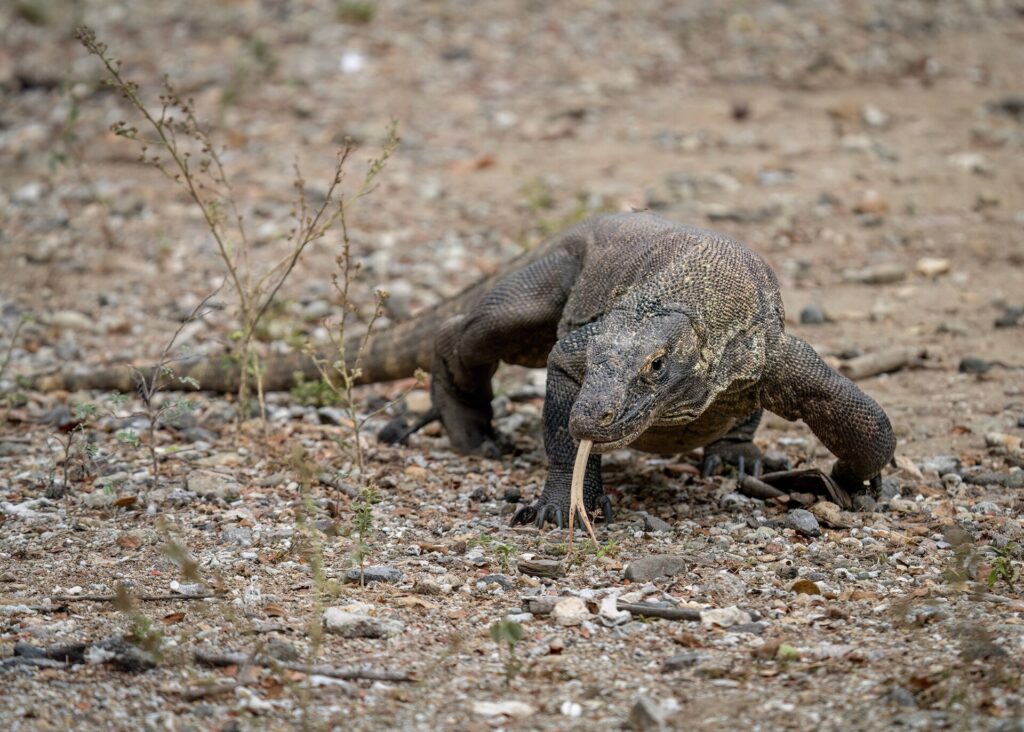
Komodo dragons have venom glands in their lower jaws; the venom causes bleeding and shock, helping to bring down large prey.
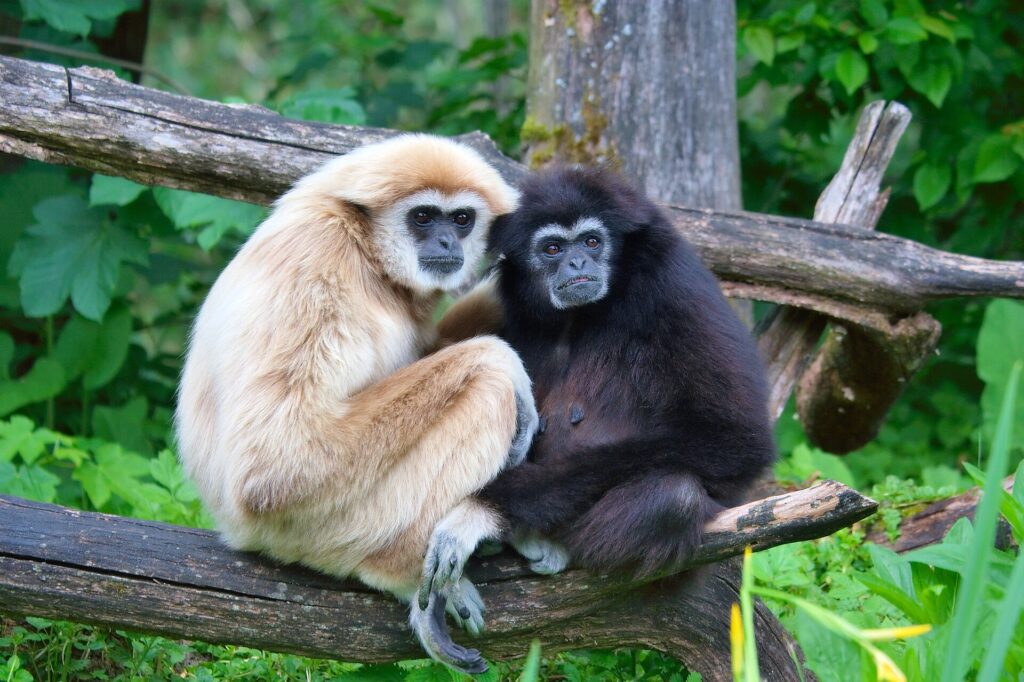
Lar gibbon pairs sing loud duets at dawn, and the songs of different pairs can be heard across the forest for kilometres.
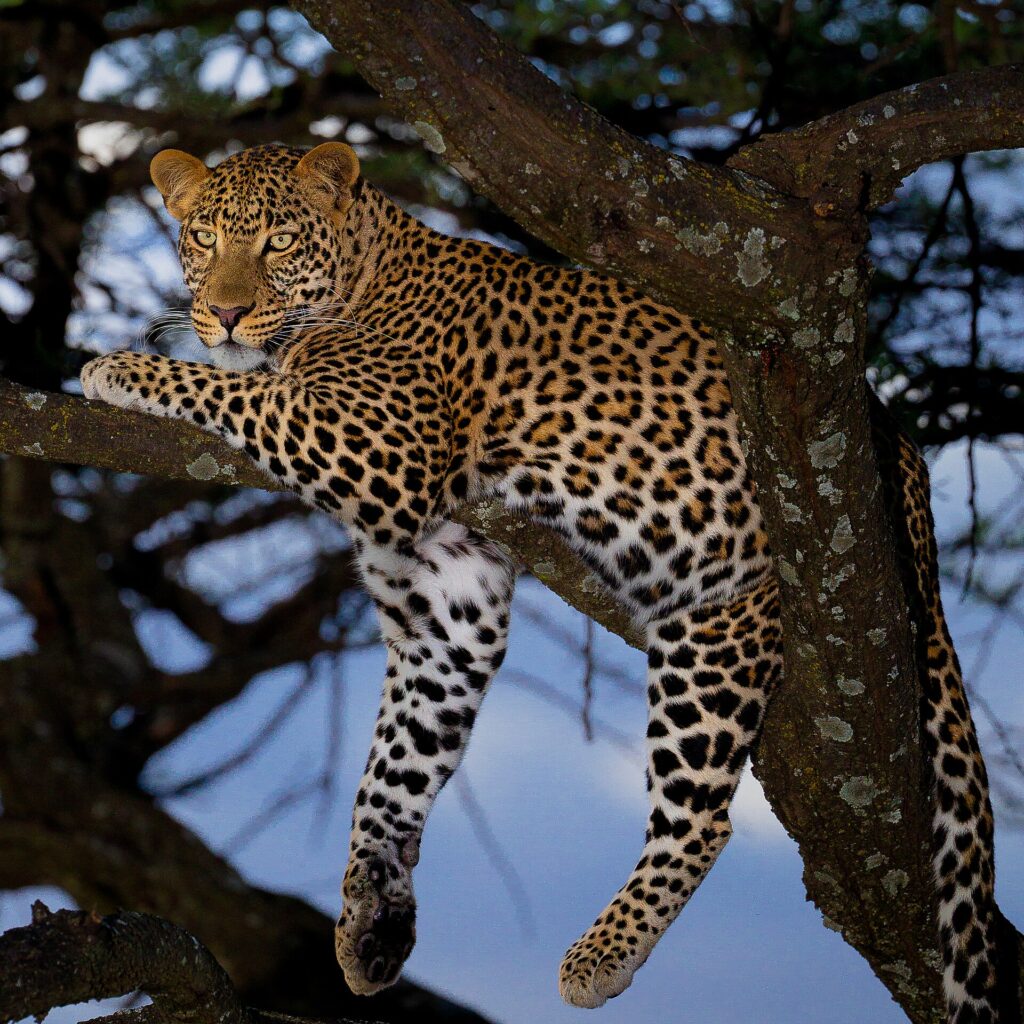
A leopard can haul a carcass heavier than itself, such as a young giraffe, several metres up a tree to keep it away from lions and hyenas.
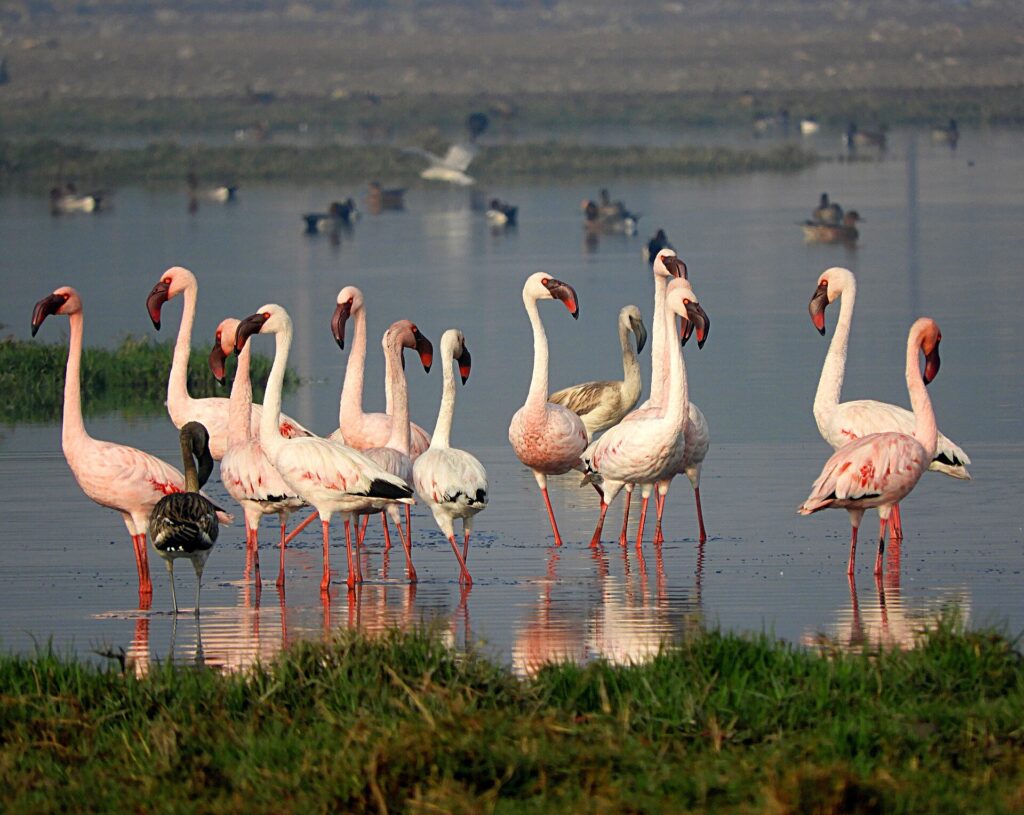
Most of the world’s lesser flamingos breed at Tanzania’s Lake Natron, a caustic soda lake that is too harsh for most predators to cross.
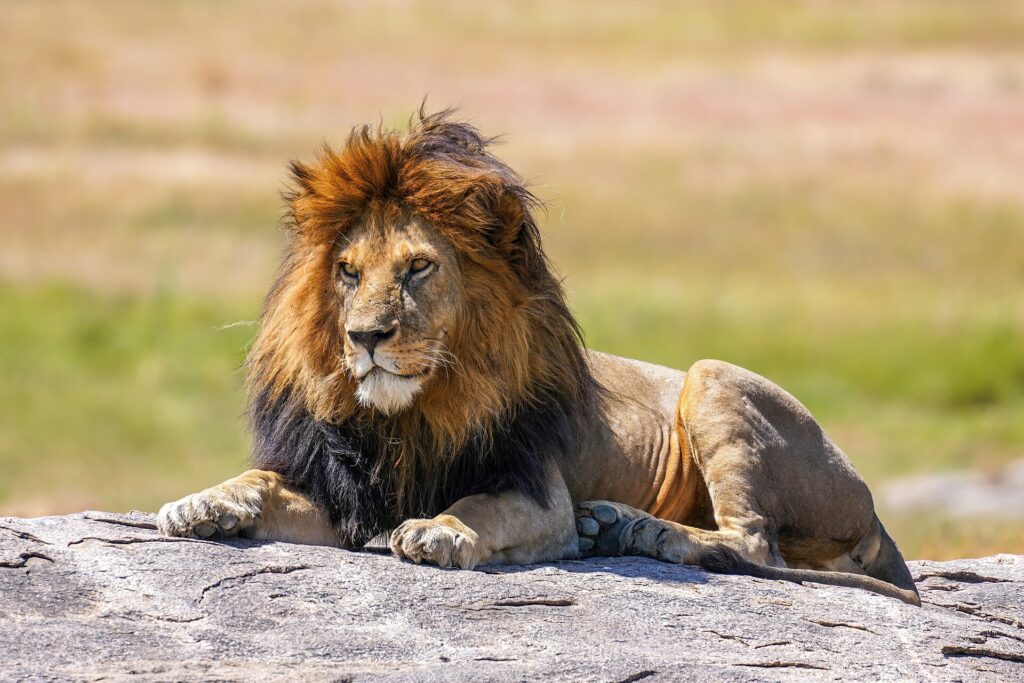
A lion’s roar can be heard up to 8 km away, and pride members roar together to announce who holds their territory.
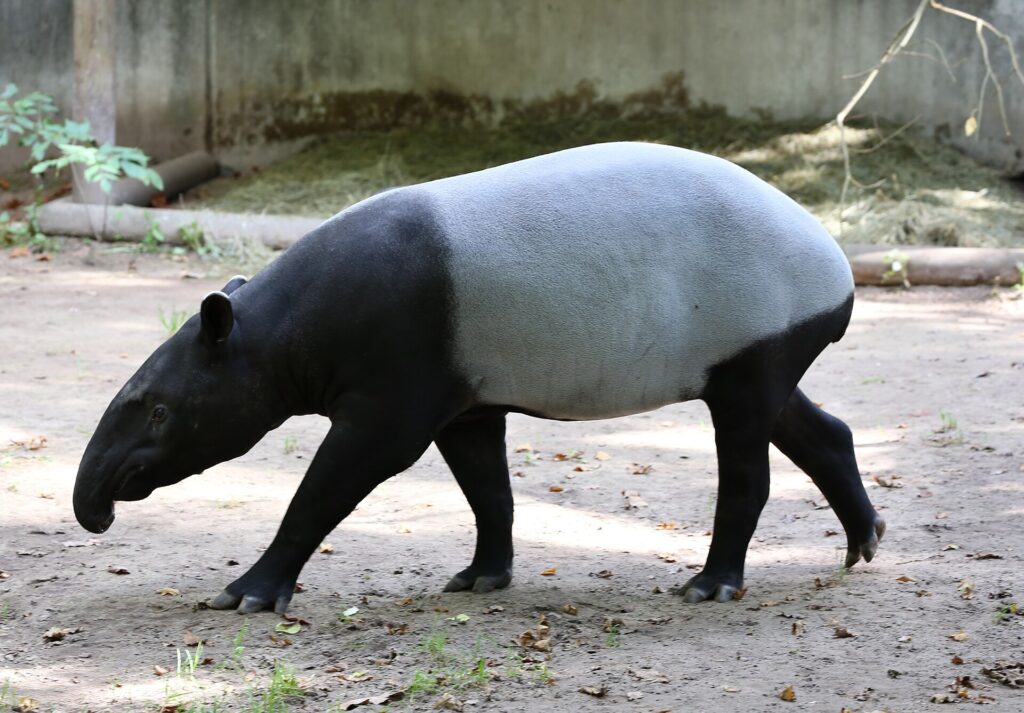
The Malayan tapir’s black-and-white pattern breaks up its outline in moonlight, making it hard for tigers to spot in the forest at night.