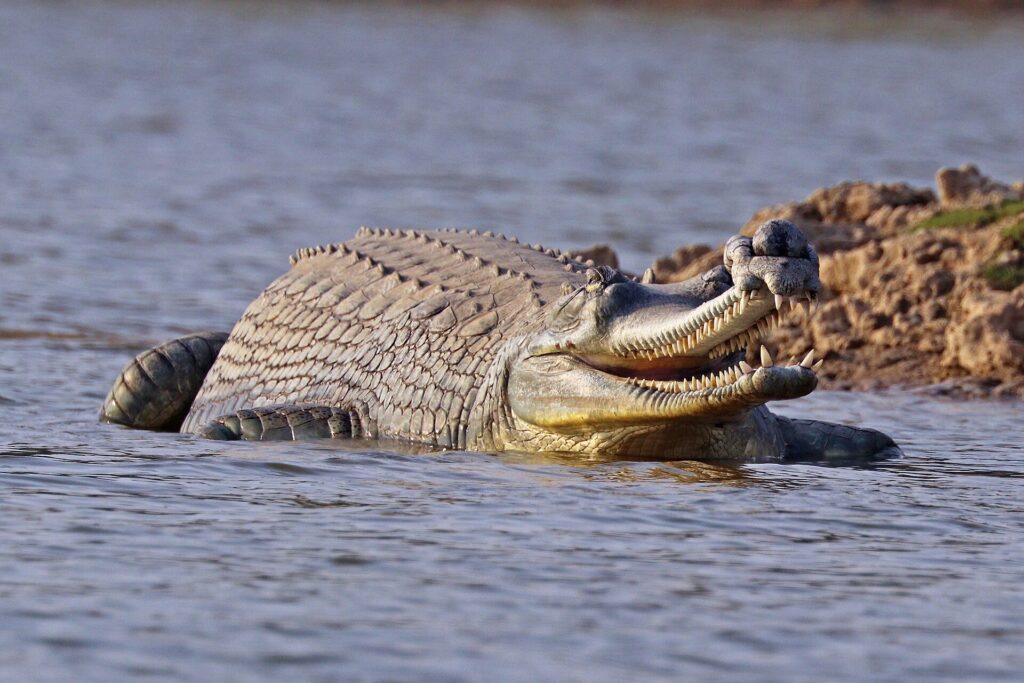
Gharial
Adult male gharials grow a bulbous knob on the tip of the snout, called a ghara after an Indian clay pot, which they use to make buzzing sounds.
Adult male gharials grow a bulbous knob on the tip of the snout, called a ghara after an Indian clay pot, which they use to make buzzing sounds.

A hammerhead’s wide head, called a cephalofoil, spreads out its electrical sensors, helping it find stingrays buried in sand.

Hawksbills eat sponges full of glass-like spikes that would harm most animals, and by doing so they help keep coral reefs healthy.
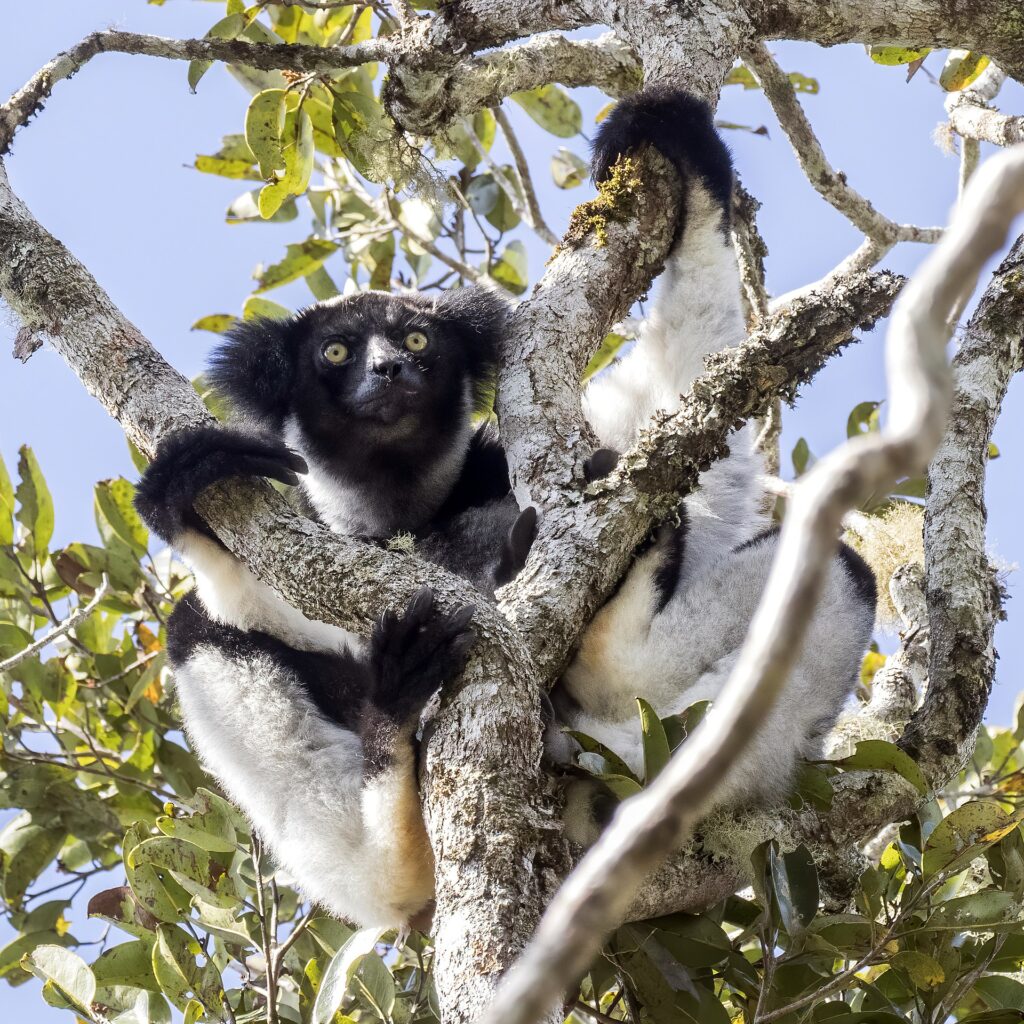
Indri families sing haunting songs that carry over 2 km, and scientists found their songs share rhythms with human music.
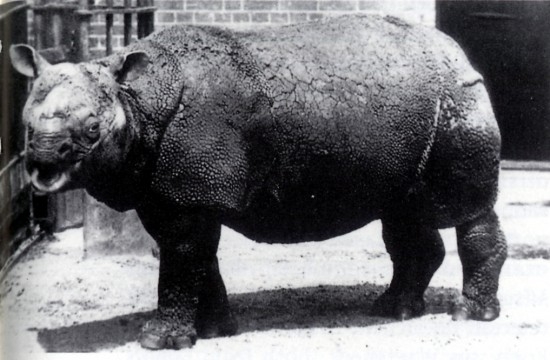
All the world’s Javan rhinos live in a single national park; the last one in Vietnam was killed by poachers in 2010.
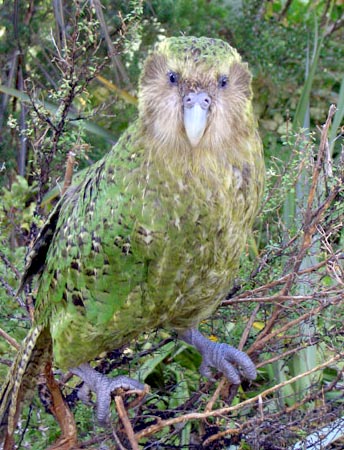
The kākāpō is the world’s only flightless parrot, and every surviving bird is individually named and monitored.
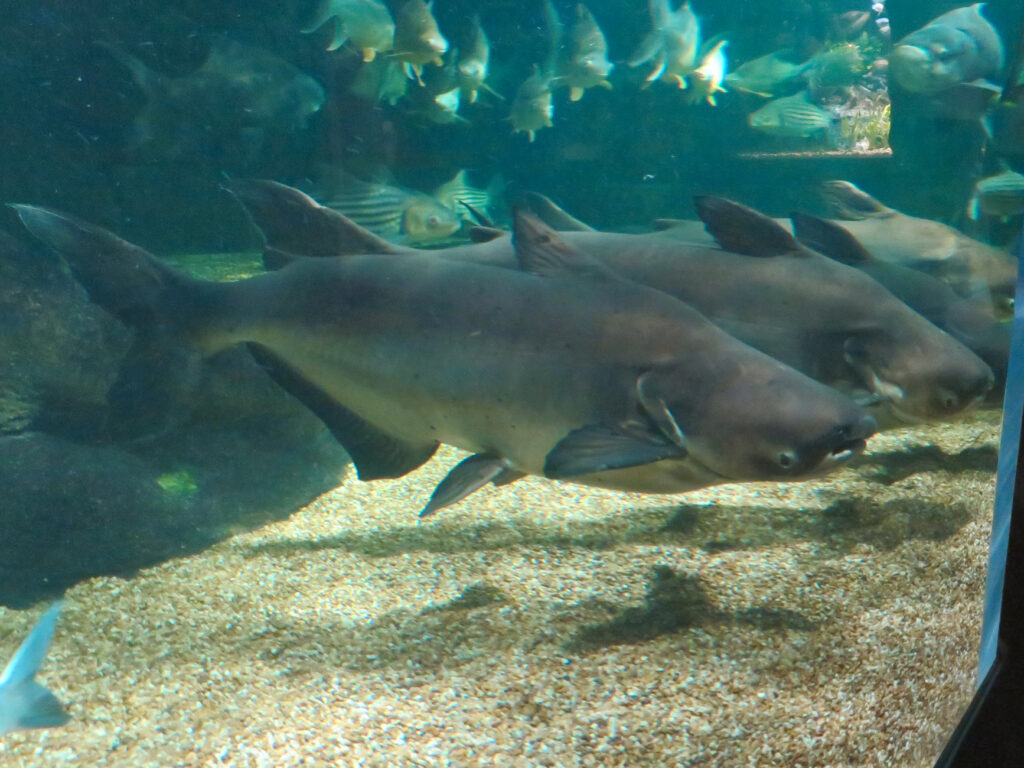
The Mekong giant catfish is one of the largest freshwater fish on Earth, and it can grow to 150–200 kg in just six years.
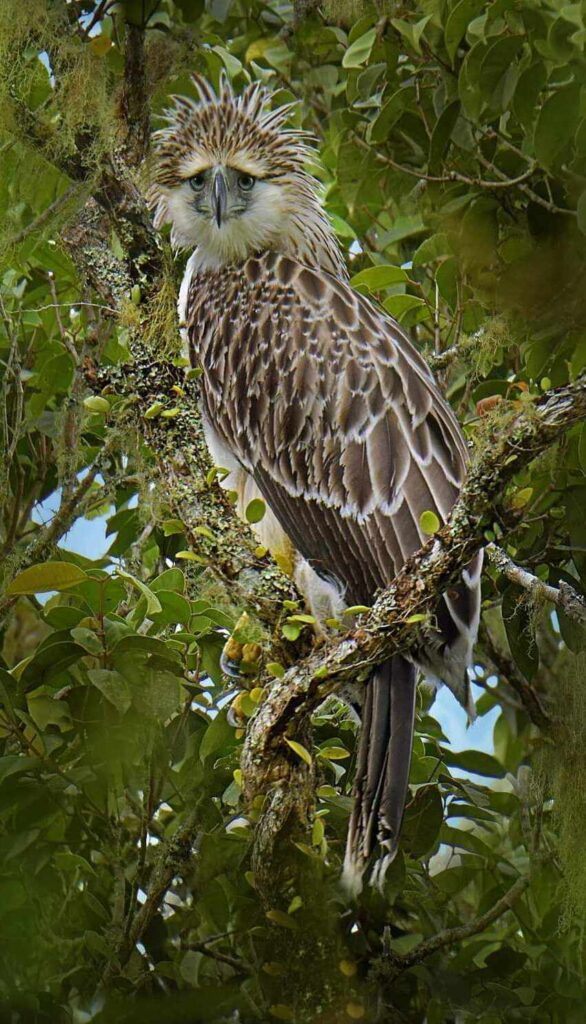
The Philippine eagle is one of the largest and most powerful eagles on Earth, and killing one in the Philippines can bring up to 12 years in prison.

Sumatran orangutan mothers give birth only about once every eight or nine years, the longest gap between births of any mammal.
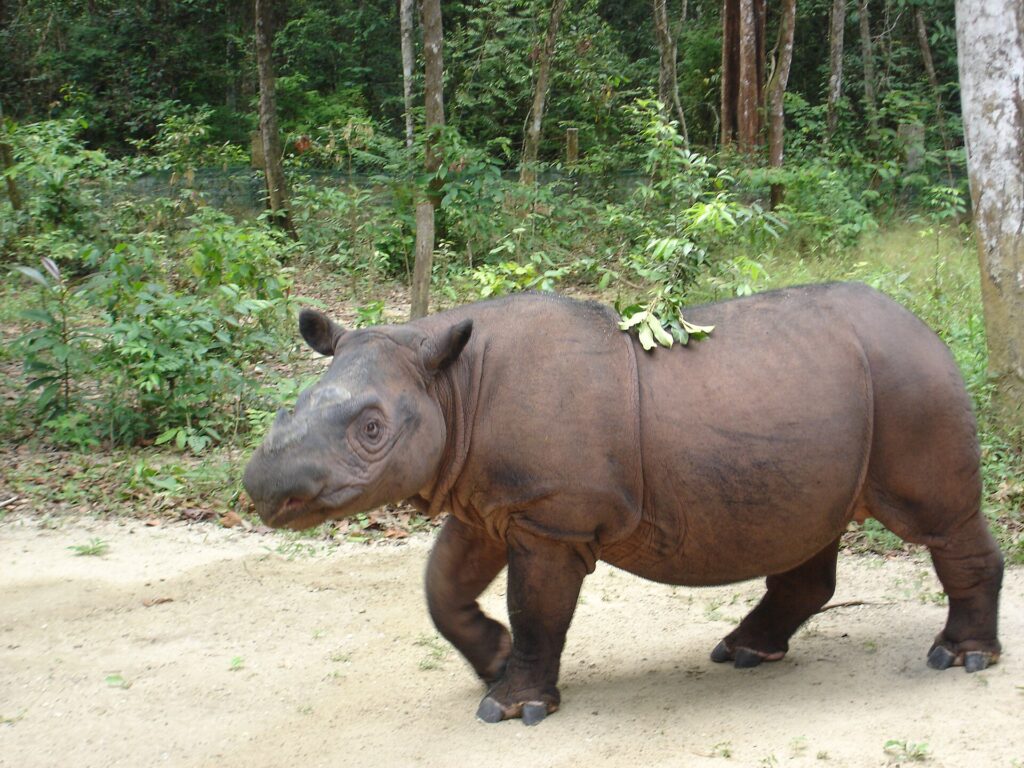
The Sumatran rhino is the hairiest rhino and the closest living relative of the extinct woolly rhinoceros.