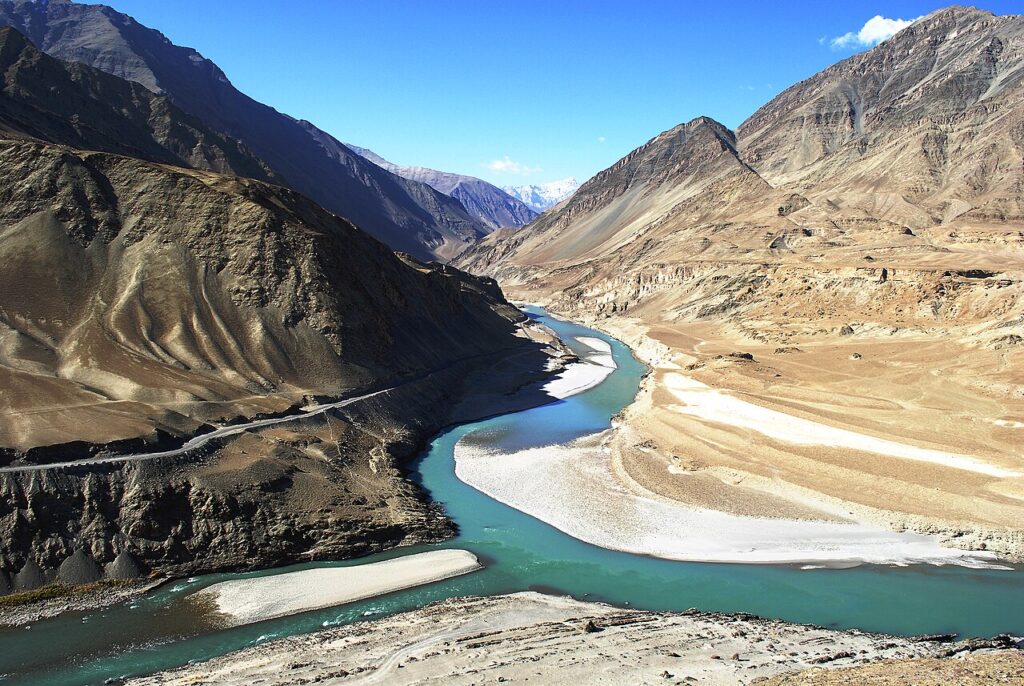
The snow leopard is one of the most elusive big cats on Earth. It is a pale, smoky-grey hunter of steep, rocky mountains across 12 countries in Central and South Asia. For decades, seeing one was almost impossible. Today, winter expeditions in Ladakh, northern India, give travellers a genuine chance to watch a wild snow leopard through a spotting scope, often for hours.
Snow leopard tours at a glance
| Where | Hemis National Park (Rumbak and Husing valleys), Ulley valley, Sham valley, Leh district, Ladakh |
| Best time | January to March, with February often considered the peak |
| Trip length | 8 to 12 days, including acclimatisation |
| Gateway | Kushok Bakula Rimpochee Airport, Leh (3,500 m) |
| Temperatures | Around −5 °C by day and −15 to −25 °C at night |
| Chances | Good on a well-run 7 to 10 day trip, but never guaranteed |
Why winter?
In winter, heavy snow pushes bharal (blue sheep) and Ladakh urial, the snow leopard’s main prey, down to lower valleys. Snow leopards follow them. Late winter is also their mating season, when they call and travel more, leaving fresh tracks and scent marks in the snow. Hemis National Park, the largest national park in India, is thought to have one of the highest densities of snow leopards in the world.
How spotting works
Snow leopard tours are not safaris in vehicles. They are patient, cold, scope-based expeditions:
- Local spotters, many of them from Ladakhi villages, scan ridges and cliffs from dawn with high-powered spotting scopes.
- Teams communicate by radio across valleys when a cat is spotted.
- Guests then walk (sometimes steeply, at altitude) to a viewing point, often hundreds of metres away.
- Once found, a snow leopard may rest in one place for hours, especially after a kill, allowing long observations.
Expect long days in the cold and some days without a sighting.
Other wildlife
- Bharal (blue sheep) and Ladakh urial
- Asiatic ibex on high cliffs
- Tibetan wolf and red fox
- Eurasian lynx and Pallas’s cat (rare)
- Golden eagle, lammergeier (bearded vulture), Himalayan griffon, chukar and Himalayan snowcock
Acclimatisation and health
Leh is at about 3,500 metres, and Rumbak lies around 4,000 metres. Acute mountain sickness is a real risk.
- Rest for at least two full days in Leh before any strenuous activity.
- Drink plenty of water and avoid alcohol for the first few days.
- Walk slowly. Tell your guide at once if you get severe headaches, nausea or breathlessness.
- Consult a doctor before travel, especially with heart or lung conditions.
Packing list
- A down jacket rated to −20 °C or colder
- Thermal base layers, fleece mid-layers and insulated trousers
- Insulated, waterproof boots with good grip and warm socks
- Down mittens plus thin liner gloves for camera use
- Balaclava, warm hat and sunglasses (snow glare is strong)
- Hand and toe warmers, a thermos flask and a headlamp
- Spare camera batteries (cold drains them fast; keep them in an inside pocket)
- Binoculars; a long lens of 400 mm or more for photography
Where to stay
Most tours stay in village homestays in Rumbak or Ulley, or in heated tented camps. Homestays, many developed with the Snow Leopard Conservancy India Trust, provide income that helps communities tolerate snow leopards that sometimes kill livestock. Predator-proof corrals and livestock insurance schemes have also reduced retaliatory killings.
Costs and booking
Snow leopard trips are specialist tours. Costs vary widely depending on group size, accommodation and the number of spotters, from mid-range group trips to expensive private expeditions. Choose an operator that employs local spotters, respects viewing distances and supports community conservation.
Ethical guidelines
- Never bait or use calls to attract snow leopards.
- Keep a respectful distance and do not approach a cat on a kill.
- Avoid sharing precise locations publicly.
- Stay quiet and limit group size at viewing points.
Alternatives
- Spiti Valley, Himachal Pradesh: Kibber village and nearby valleys have become another good winter base.
- Nepal: Upper Mustang, Dolpo and the Annapurna region offer adventurous but less reliable tracking.
- Mongolia and Kyrgyzstan: specialist expeditions with lower sighting rates.
Frequently asked questions
What are the chances of seeing a snow leopard in Ladakh? On a well-run trip of seven to ten days in Hemis National Park in February or March, the chances are good. However, sightings are never guaranteed, and some groups see none.
How cold is it on a snow leopard tour? Daytime temperatures are often around −5 °C and nights can drop to −20 °C or lower. Homestays and camps provide heating, but excellent cold-weather clothing is essential.
Do I need to be very fit? You need to be able to walk on uneven, sometimes steep ground at about 3,500 to 4,000 metres. Proper acclimatisation matters more than athletic fitness.
Are snow leopard sightings close? Usually not. Most sightings are through spotting scopes at distances of several hundred metres, although closer views sometimes happen.
Related guides
- Wildlife of Asia
- Wildlife photography for beginners
- Responsible wildlife tourism
- Animal profiles: Snow Leopard, Grey Wolf
Cover photo: Sundeep bhardwaj, CC BY 3.0, via Wikimedia Commons