Lar Gibbon
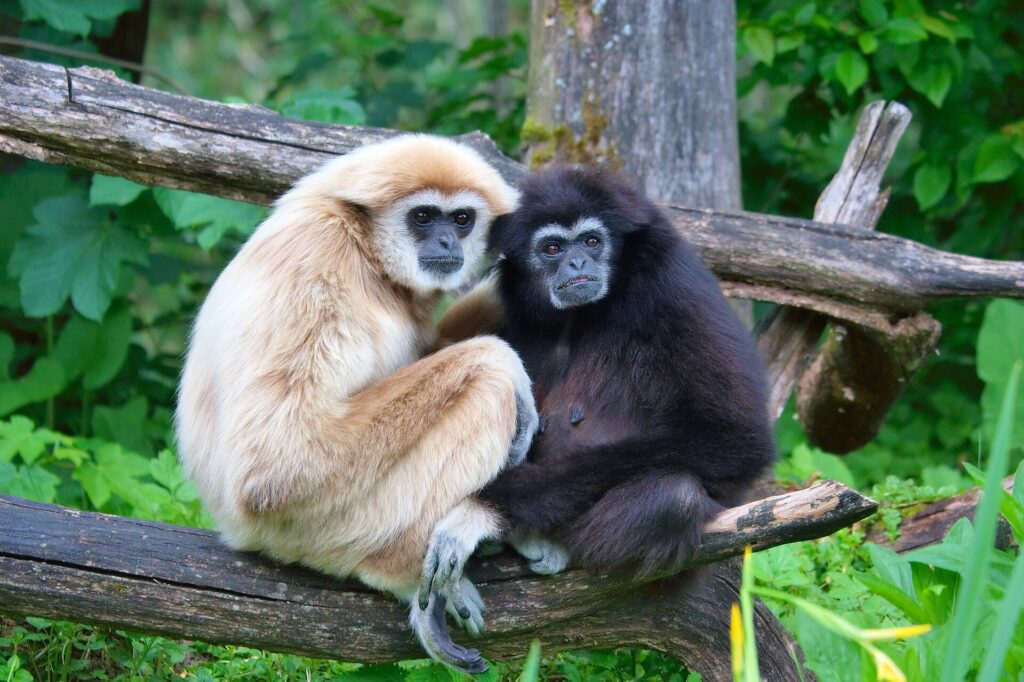
Lar gibbon pairs sing loud duets at dawn, and the songs of different pairs can be heard across the forest for kilometres.
Lar gibbon pairs sing loud duets at dawn, and the songs of different pairs can be heard across the forest for kilometres.
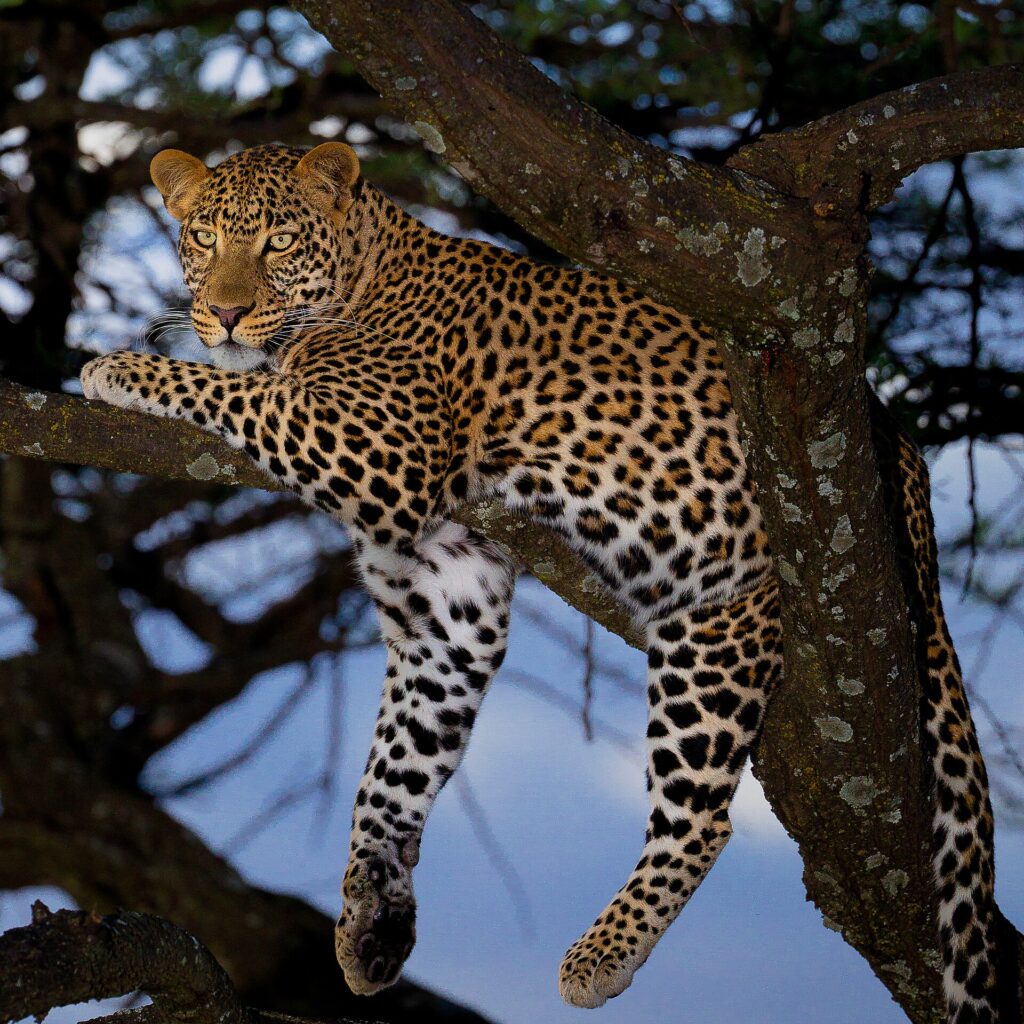
A leopard can haul a carcass heavier than itself, such as a young giraffe, several metres up a tree to keep it away from lions and hyenas.
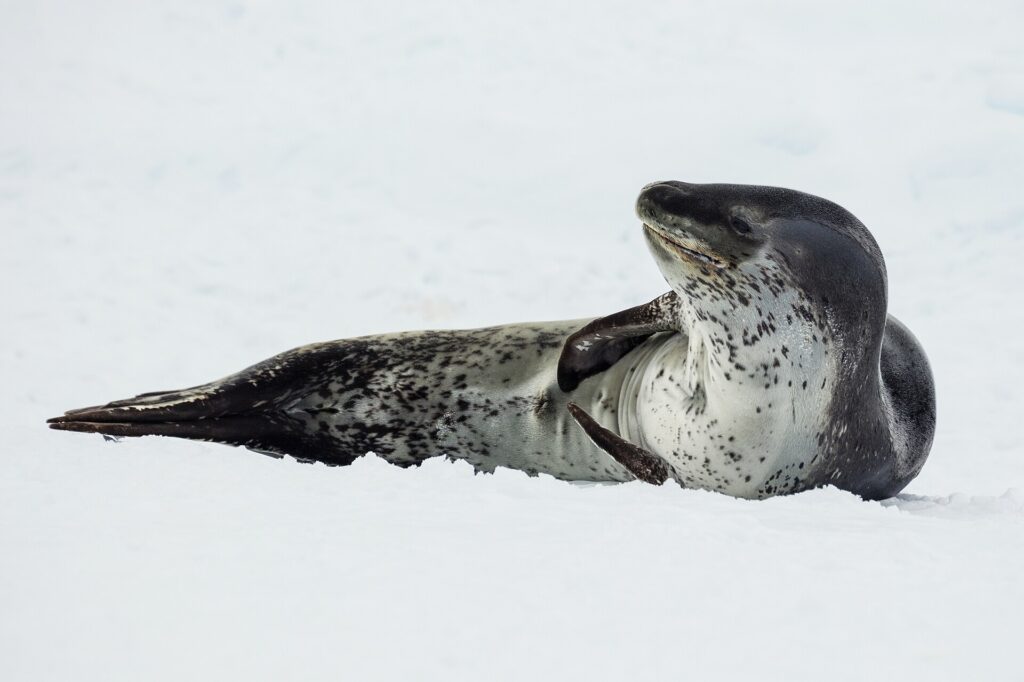
Despite its fearsome reputation as a penguin hunter, a large part of a leopard seal’s diet is krill, which it filters through interlocking cheek teeth.
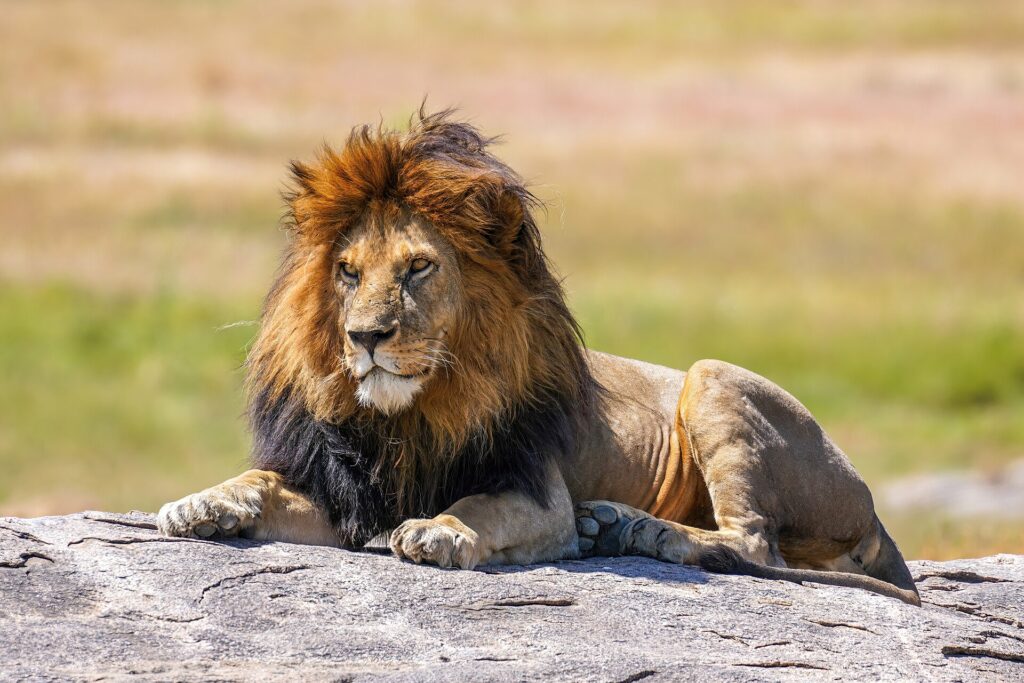
A lion’s roar can be heard up to 8 km away, and pride members roar together to announce who holds their territory.
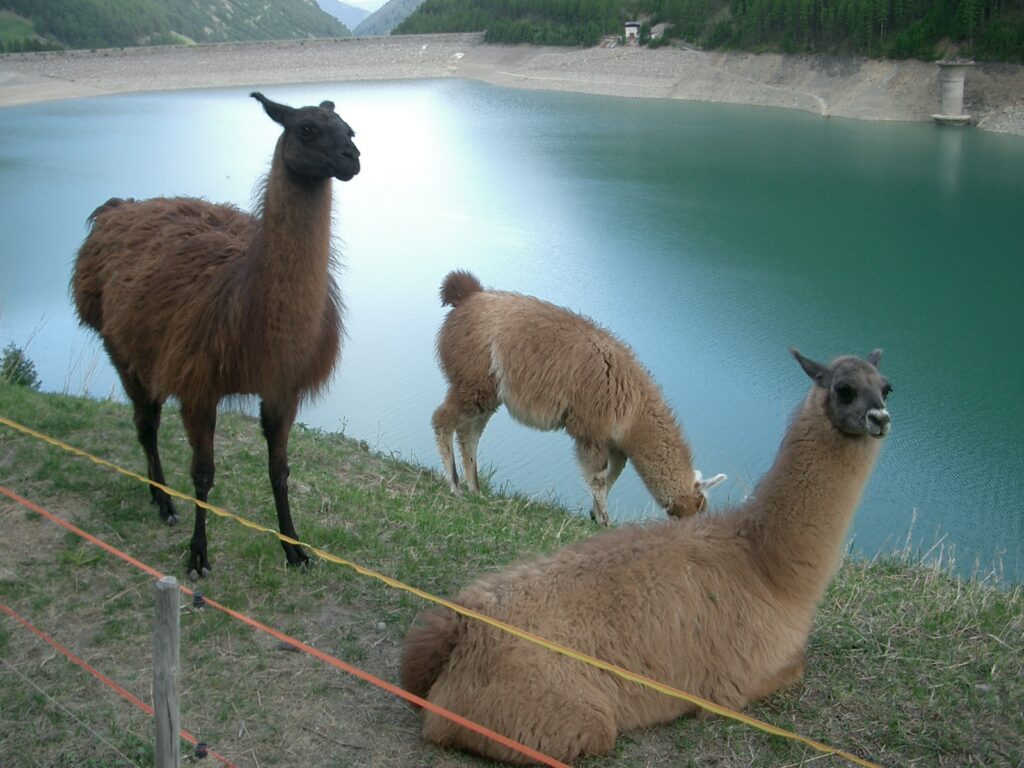
Llama antibodies are unusually small and simple, and scientists use them to develop treatments and tests for diseases, including COVID-19.
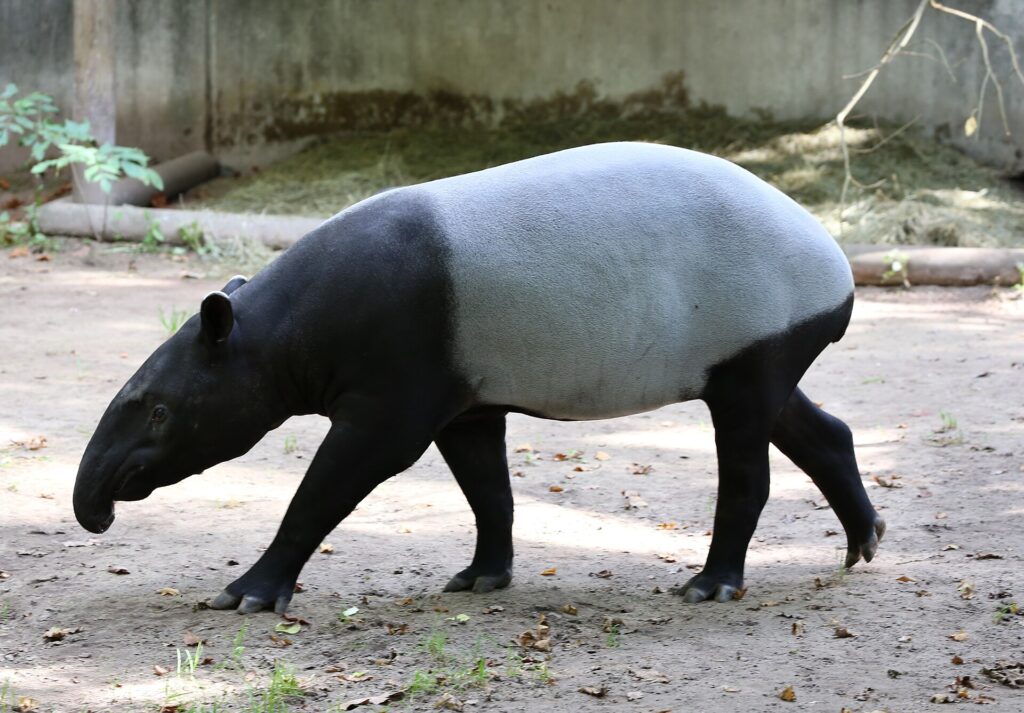
The Malayan tapir’s black-and-white pattern breaks up its outline in moonlight, making it hard for tigers to spot in the forest at night.
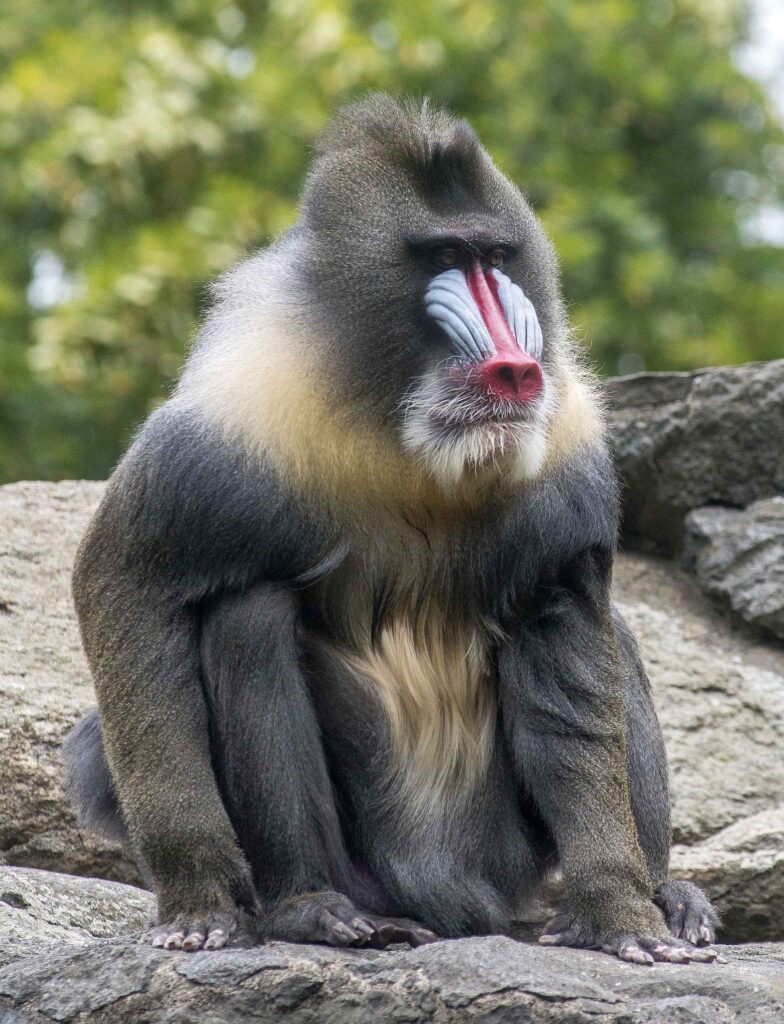
Mandrills form the largest groups of any non-human primate: ‘hordes’ of more than 800 have been recorded in Gabon.
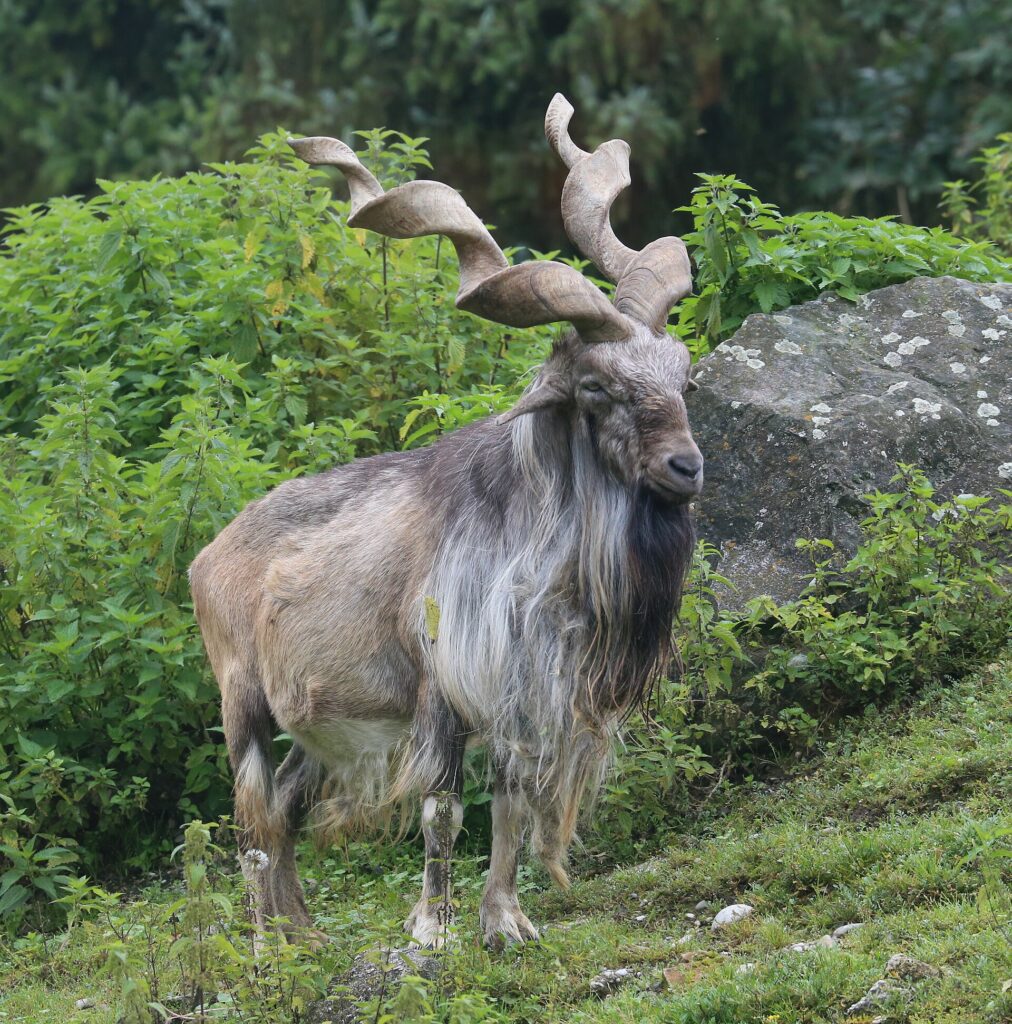
Male markhor have spectacular corkscrew horns up to about 1.6 metres long, among the most impressive horns of any wild goat.
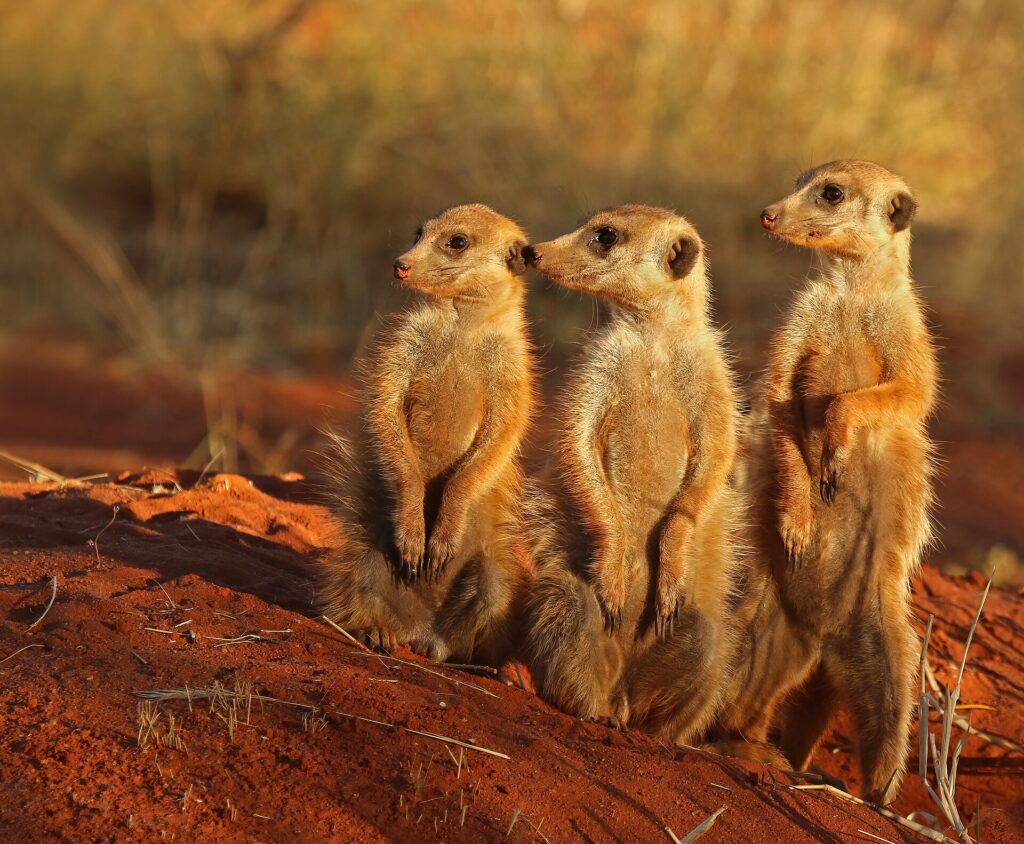
Meerkats are partly resistant to scorpion venom, and adults teach young how to handle scorpions by first bringing them dead or disabled ones.
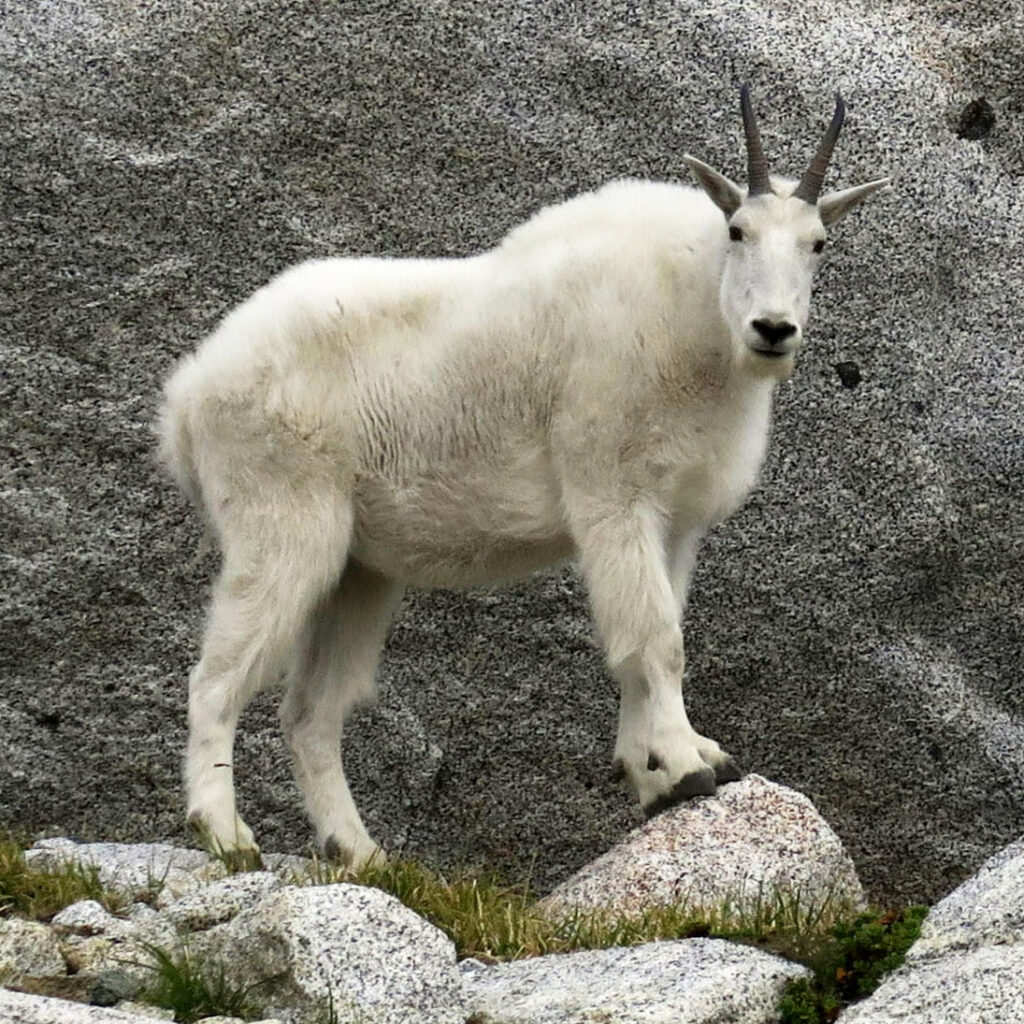
Mountain goats can climb slopes steeper than 60 degrees, thanks to hooves with hard outer rims and soft, grippy inner pads.
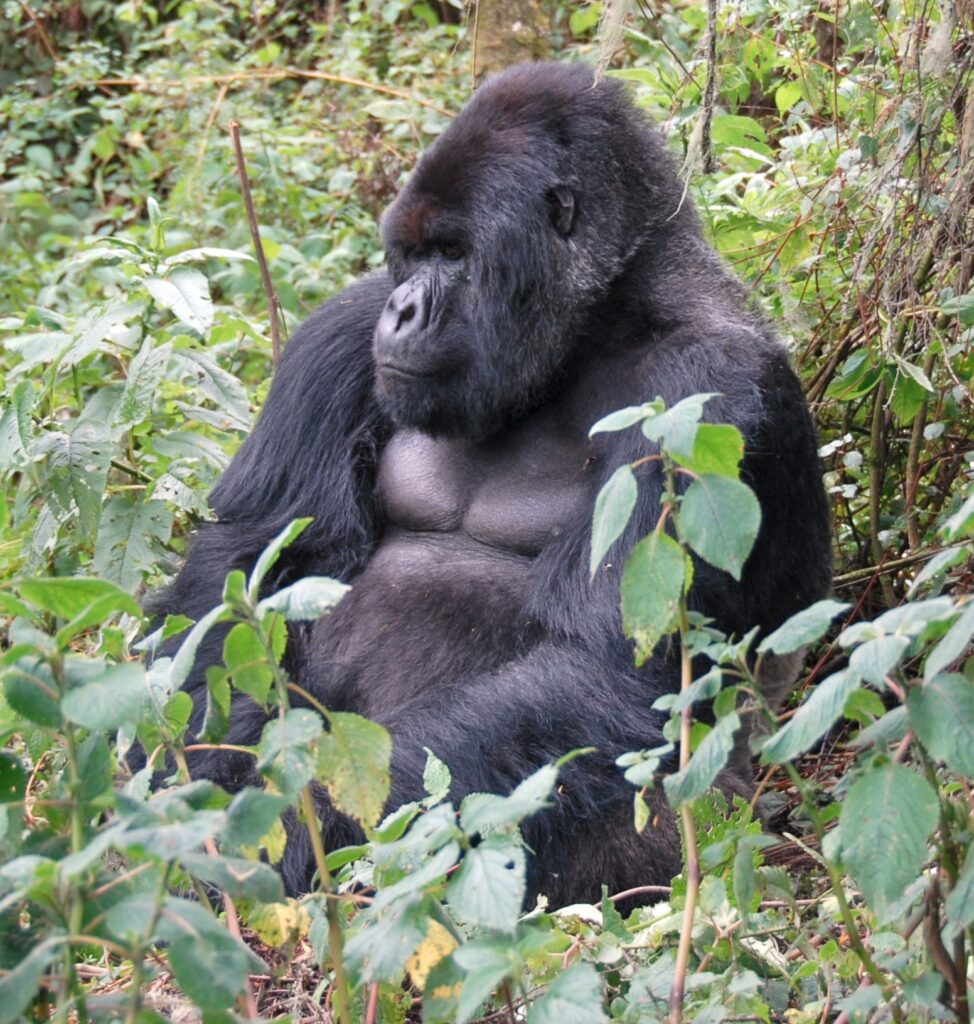
Mountain gorillas are the only great apes whose numbers are increasing, having risen from about 250 in the early 1980s to just over 1,000.
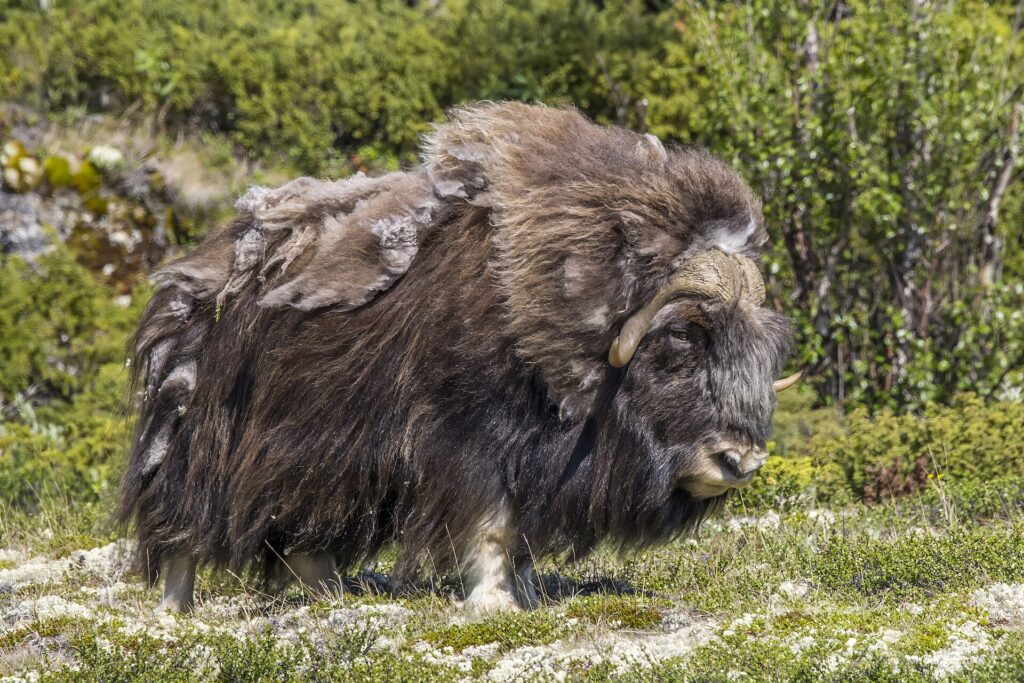
Musk oxen defend their young by forming a circle, with adults facing outwards and calves sheltered in the middle.
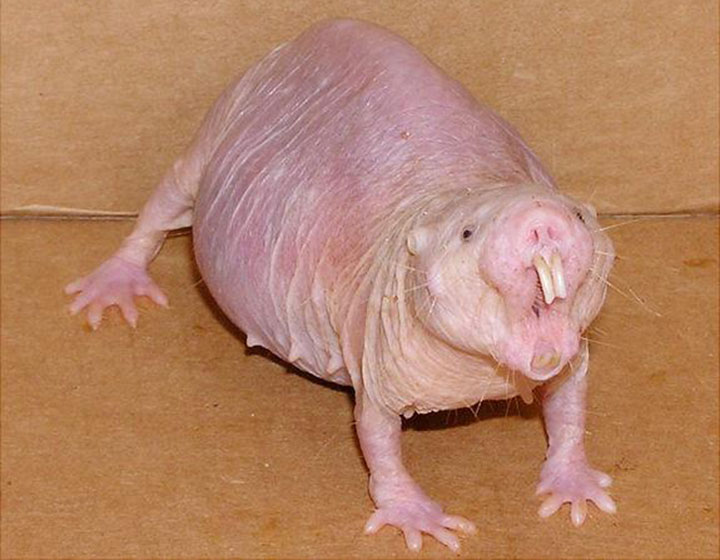
Naked mole-rats can live for more than 30 years, over ten times longer than similar-sized rodents, and rarely get cancer.
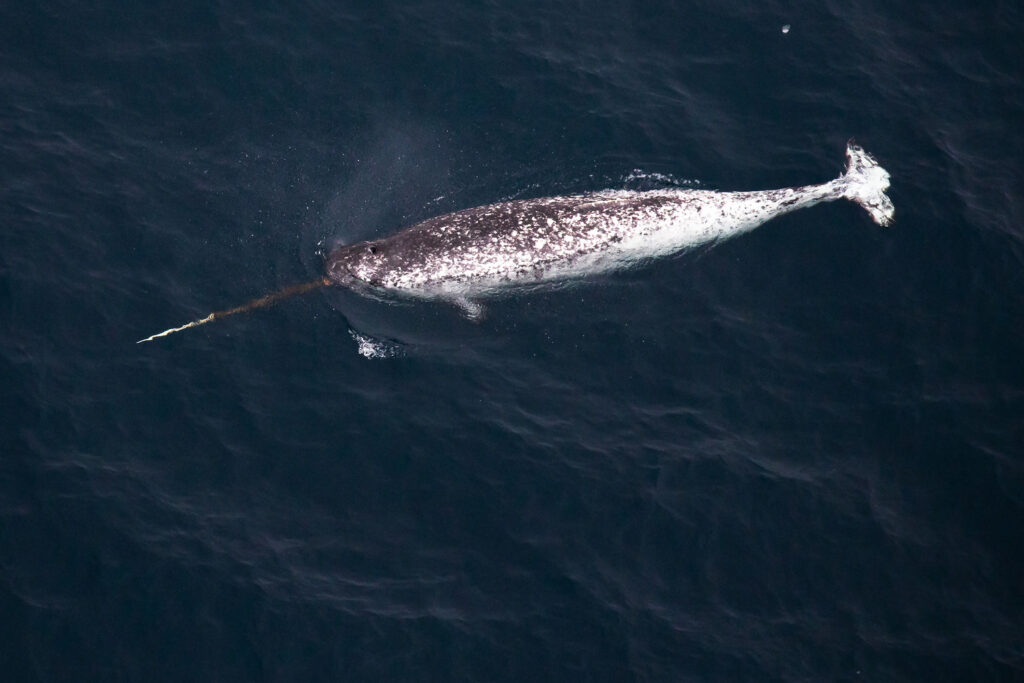
The narwhal’s spiralling tusk is actually an enormous tooth that grows through its upper lip and may contain millions of nerve endings.
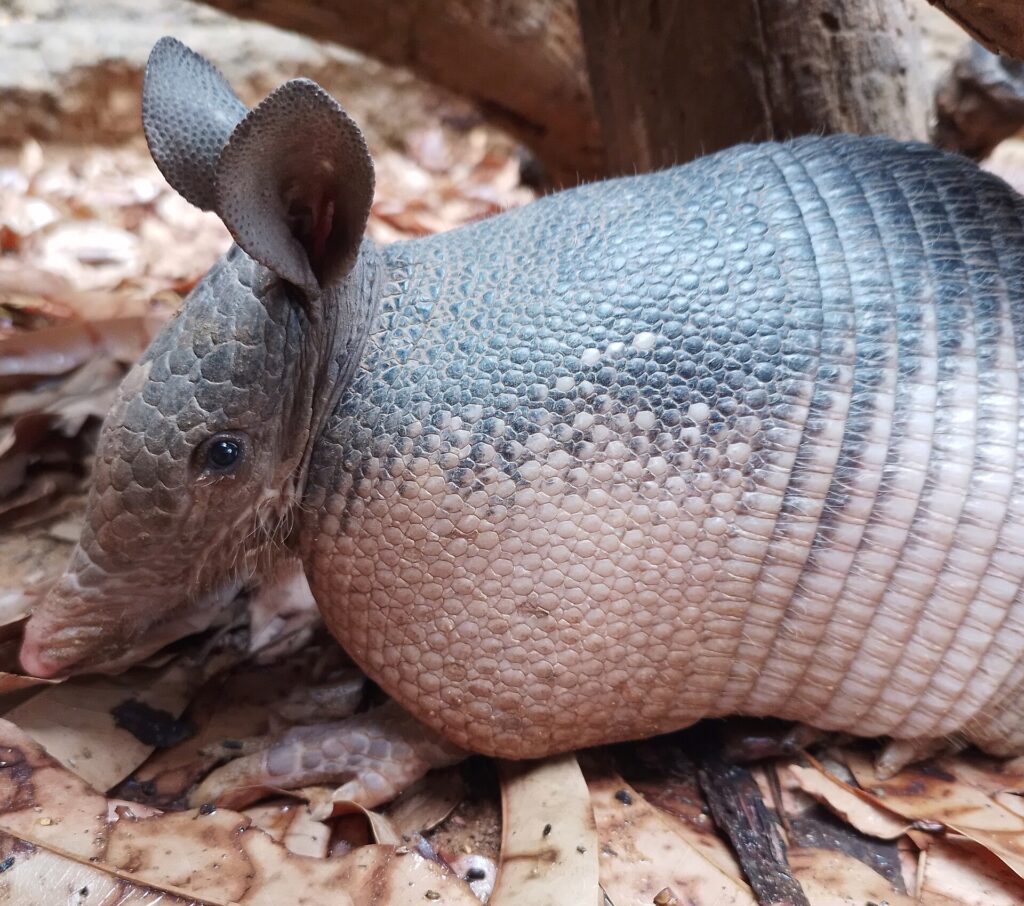
Nine-banded armadillos almost always give birth to identical quadruplets, all developing from a single fertilised egg.
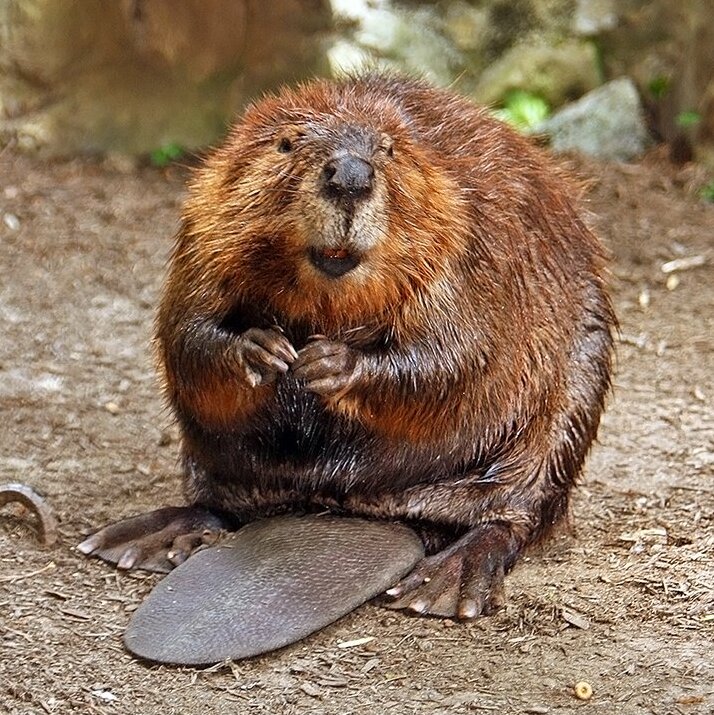
A beaver dam in Wood Buffalo National Park, Canada, is about 850 metres long, one of the largest structures ever built by an animal other than humans.
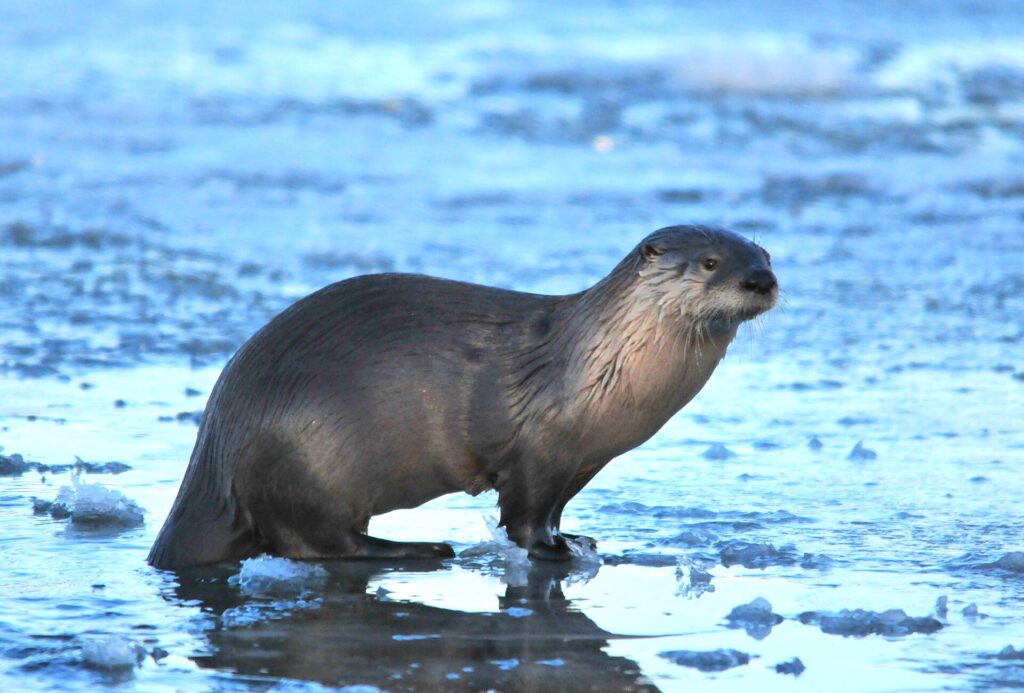
River otters love to slide down muddy or snowy banks on their bellies, and they seem to do it just for fun.
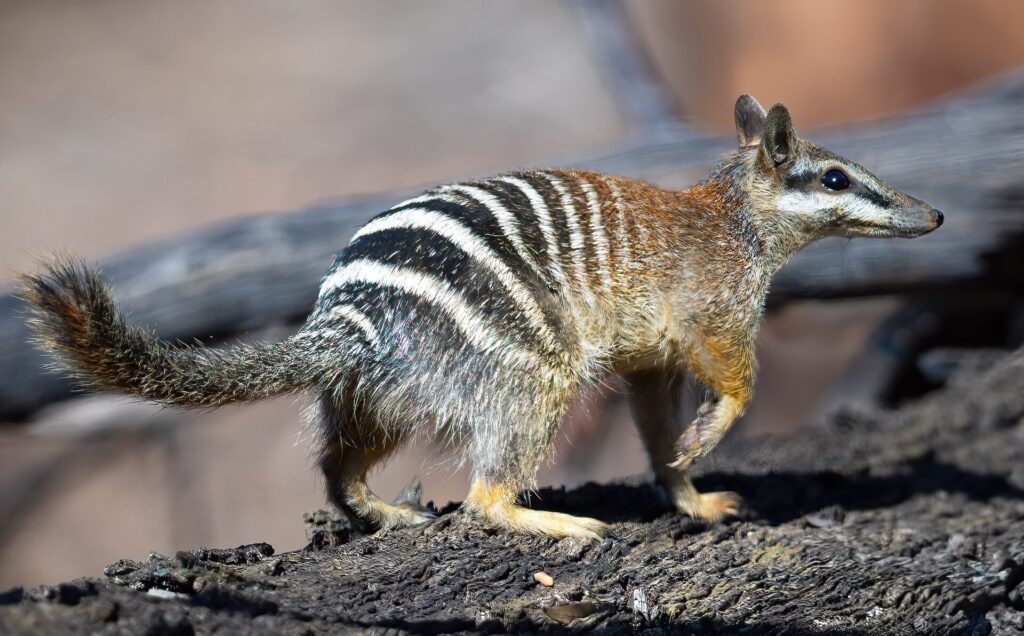
The numbat eats up to about 20,000 termites a day, licking them up with a sticky tongue about 10 cm long.
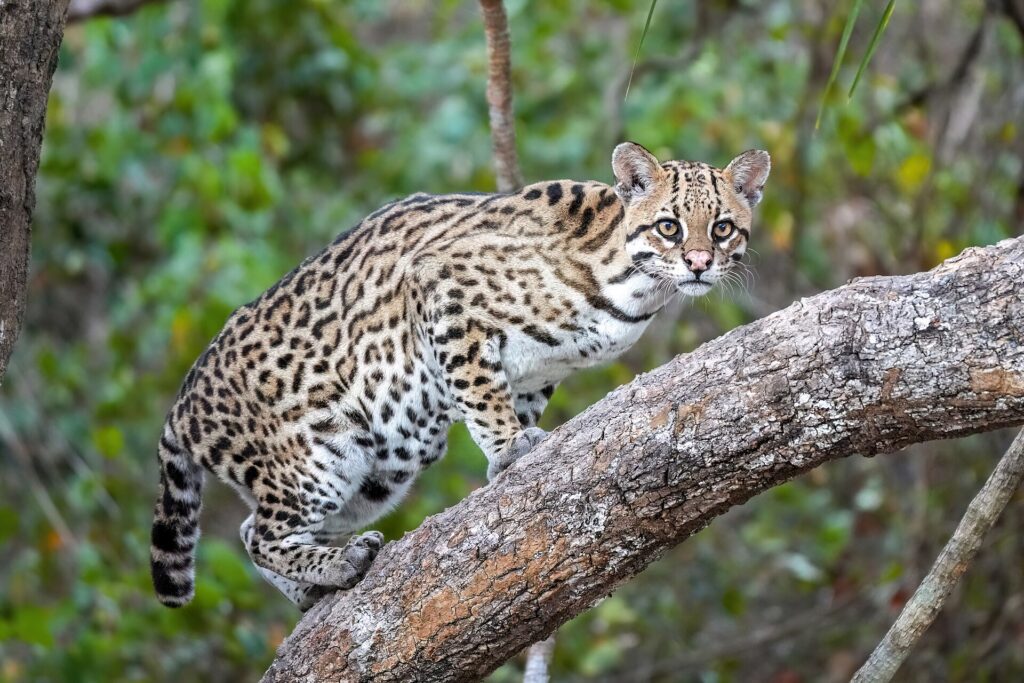
In the 1960s and 1970s, about 200,000 ocelots were killed every year for the fur trade, before international bans allowed populations to recover.
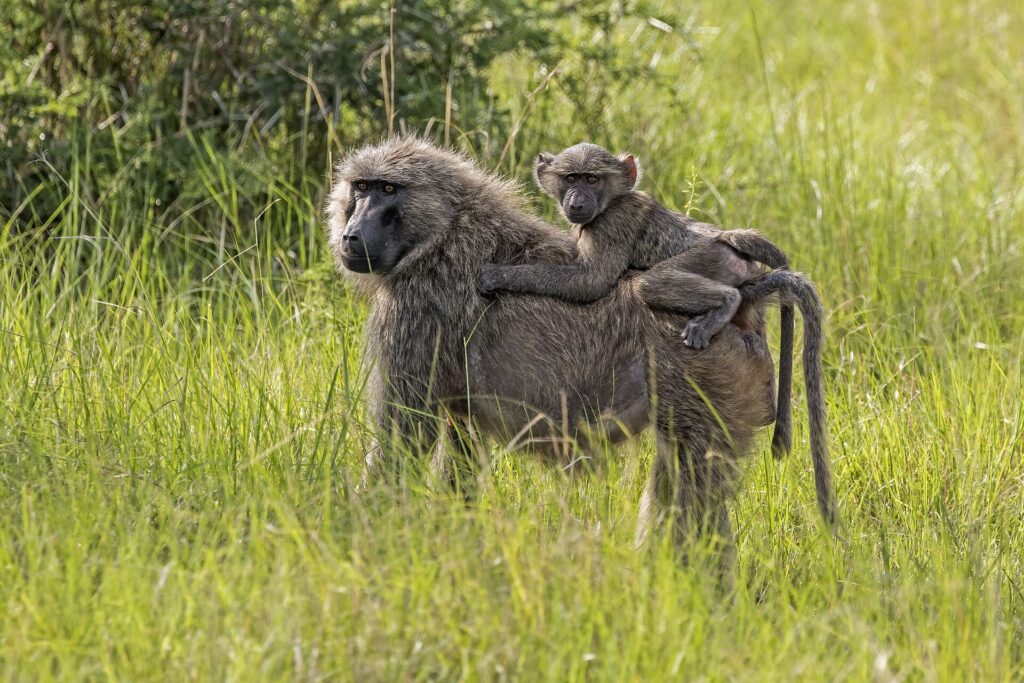
Olive baboons form long-term friendships, and studies in Kenya have shown that a baboon’s social position affects its stress levels and health.
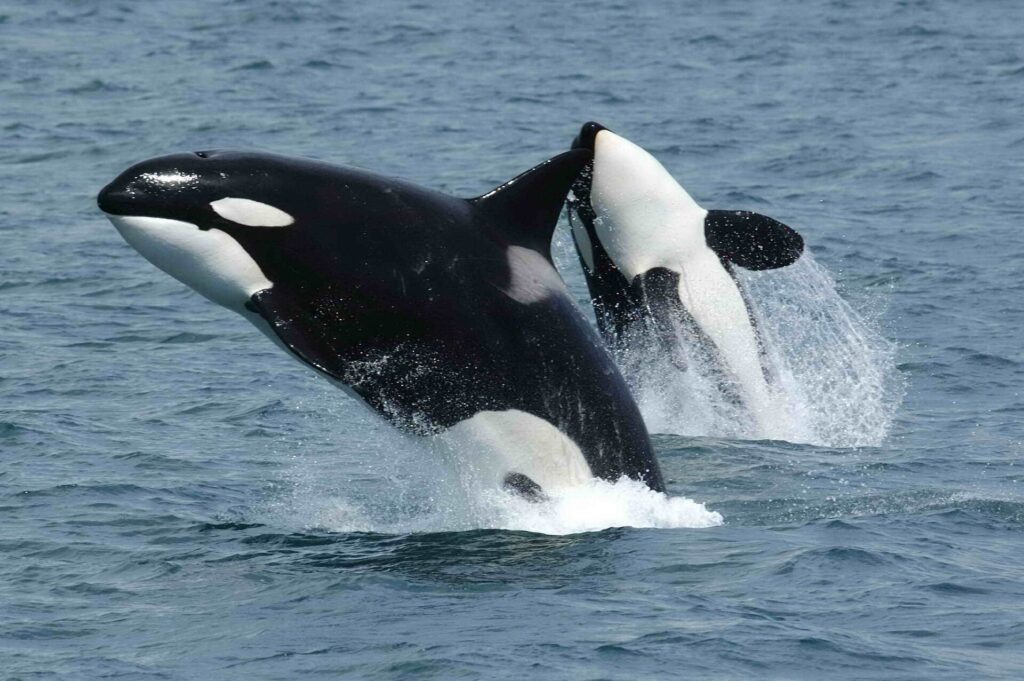
Orcas are the largest members of the dolphin family, and different populations have their own diets, hunting methods and ‘dialects’ that are passed down through generations.