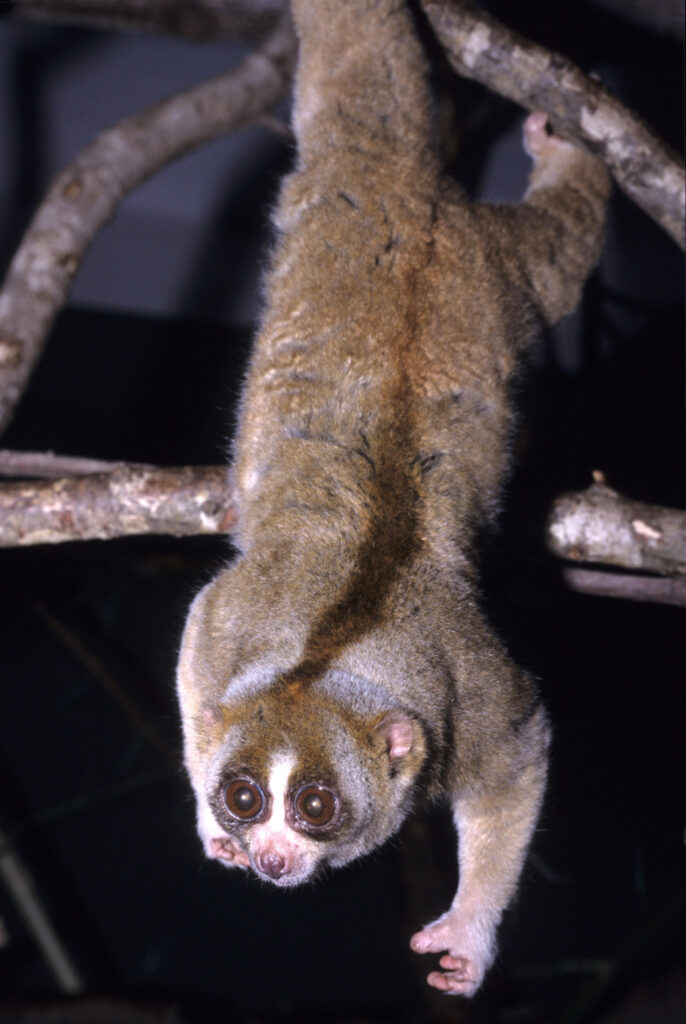
Slow Loris
Slow lorises are the only venomous primates: they lick a gland on their upper arm and mix its secretion with saliva, producing a painful and sometimes dangerous bite.
Slow lorises are the only venomous primates: they lick a gland on their upper arm and mix its secretion with saliva, producing a painful and sometimes dangerous bite.
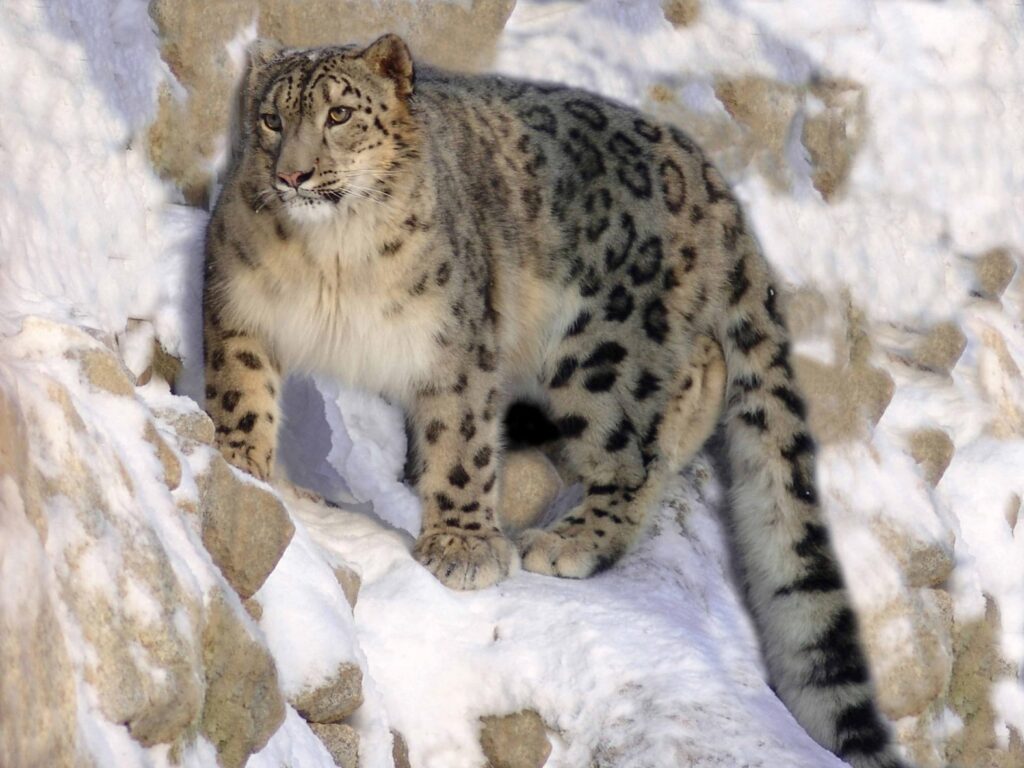
A snow leopard can leap up to about 15 m in a single bound, using its long tail for balance on steep cliffs.
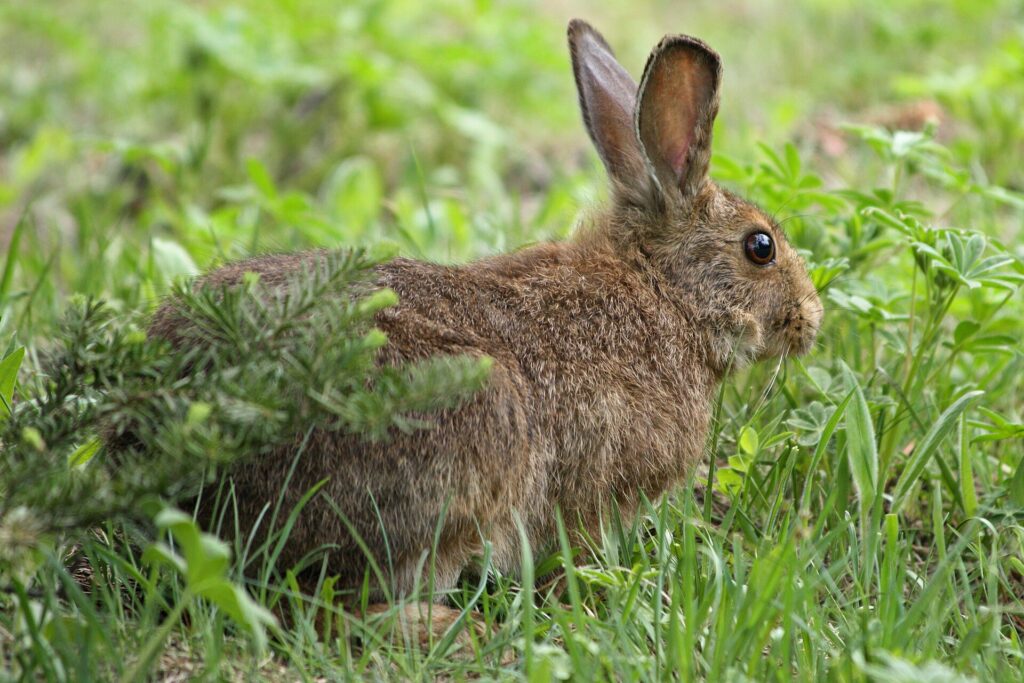
Snowshoe hares turn white in winter and brown in summer, but as snow seasons shorten, many are now white on brown ground, where predators can easily spot them.
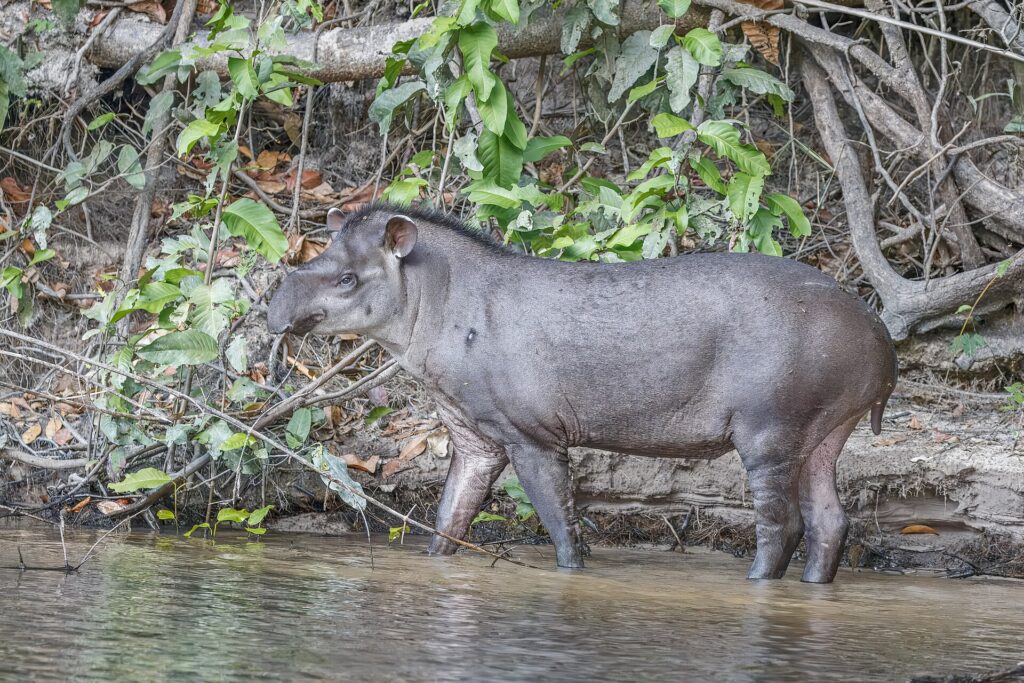
The South American tapir is called the ‘gardener of the forest’ because it swallows fruit and spreads the seeds far and wide in its dung.
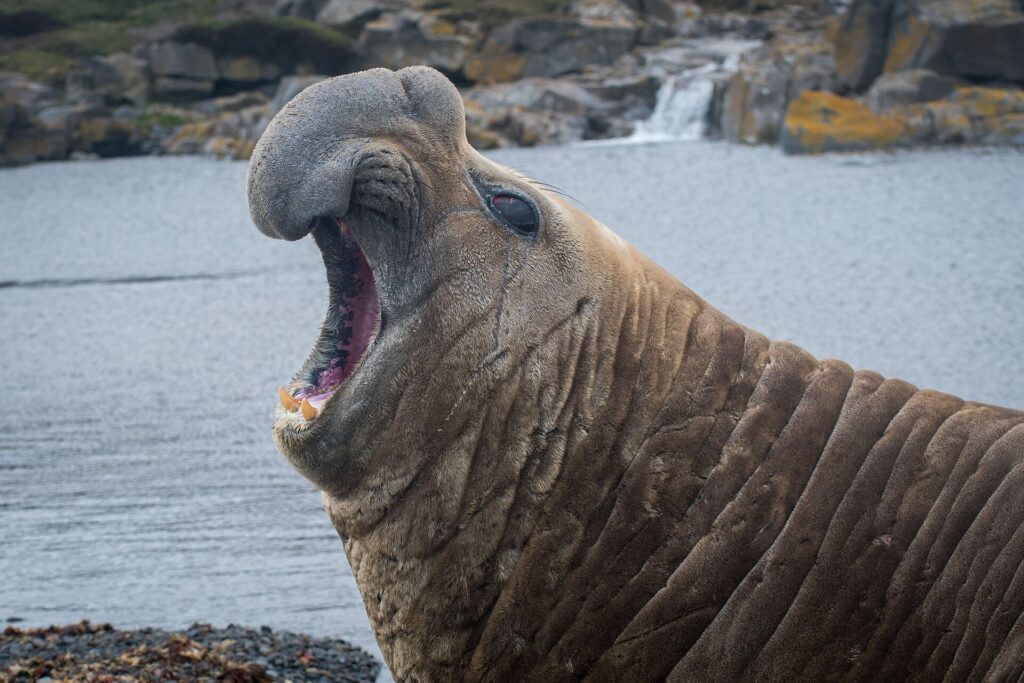
Southern elephant seals can dive deeper than 2,000 metres and stay underwater for up to about two hours.
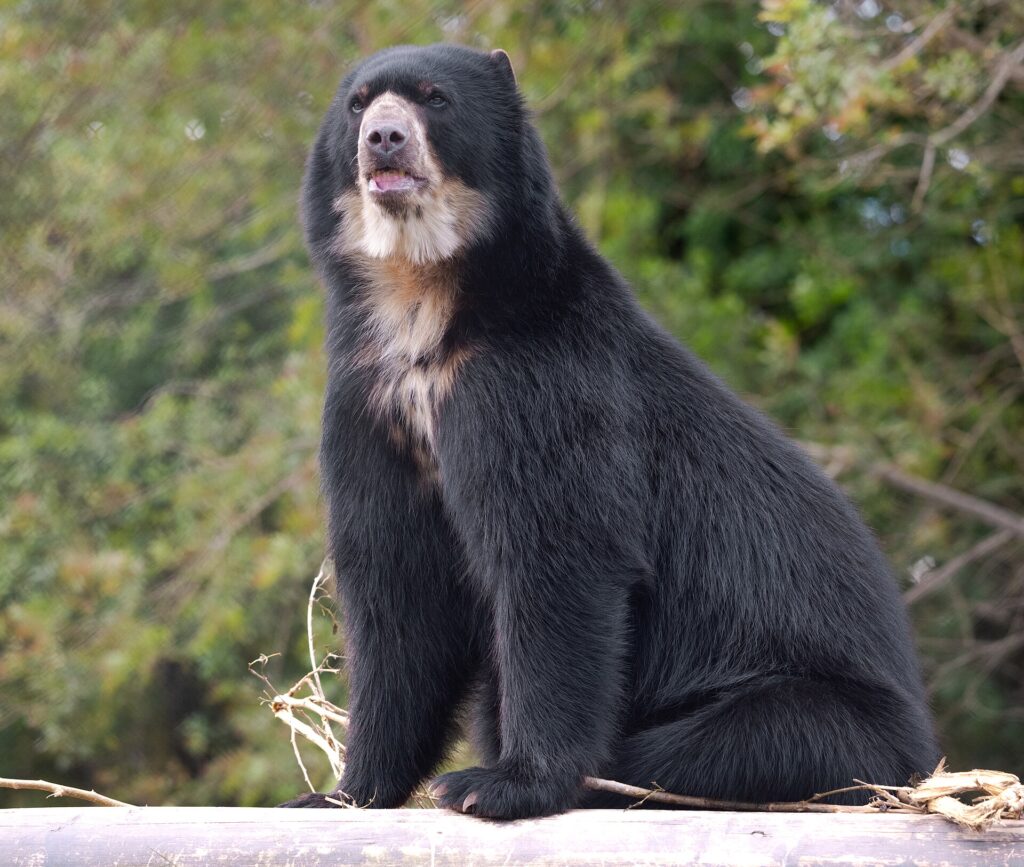
The spectacled bear is South America’s only bear and the last survivor of the short-faced bears, a group that once included giant Ice Age bears.
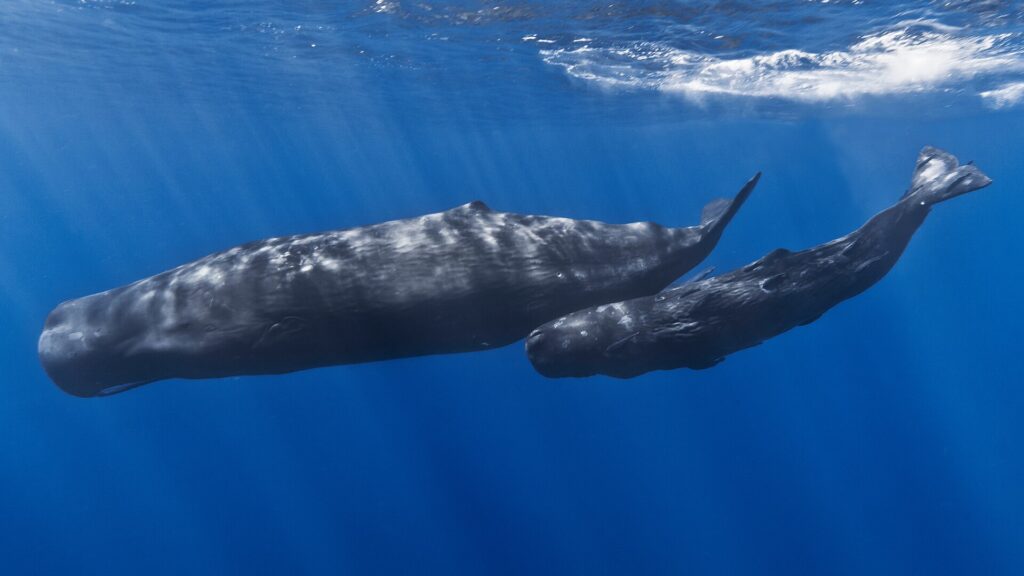
The sperm whale has the largest brain of any animal ever known, weighing about 8 kg, and makes the loudest sounds produced by any animal.
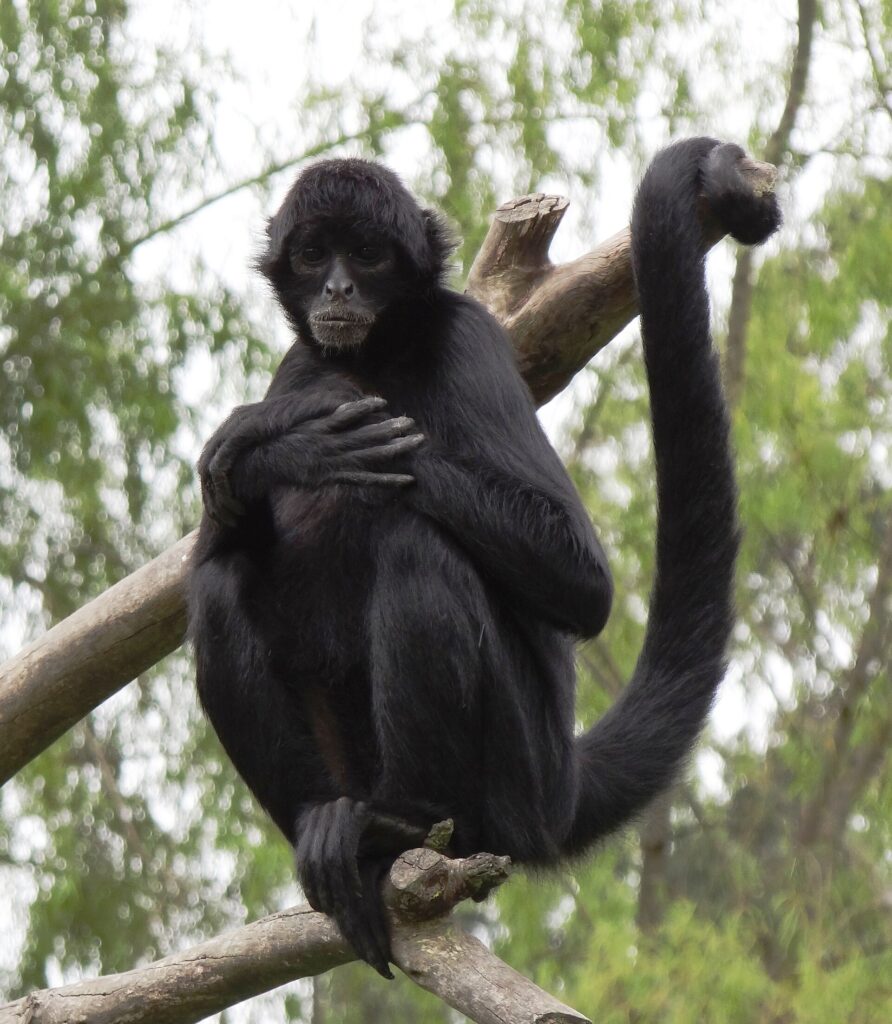
A spider monkey’s tail is like a fifth hand, with a bare, fingerprint-like patch on its underside that grips branches.
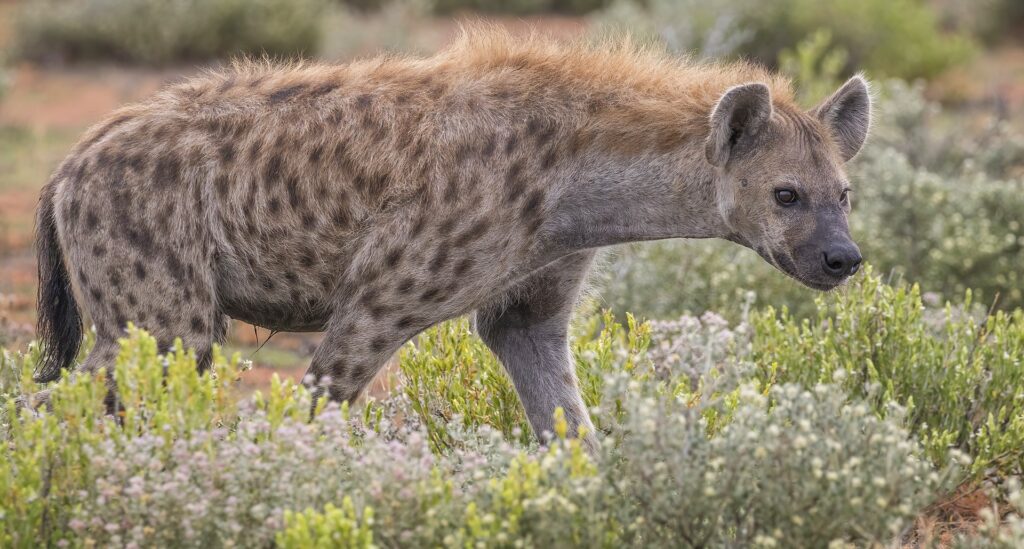
Spotted hyenas can crush and digest bone, and in many areas they kill most of their own food rather than scavenging.
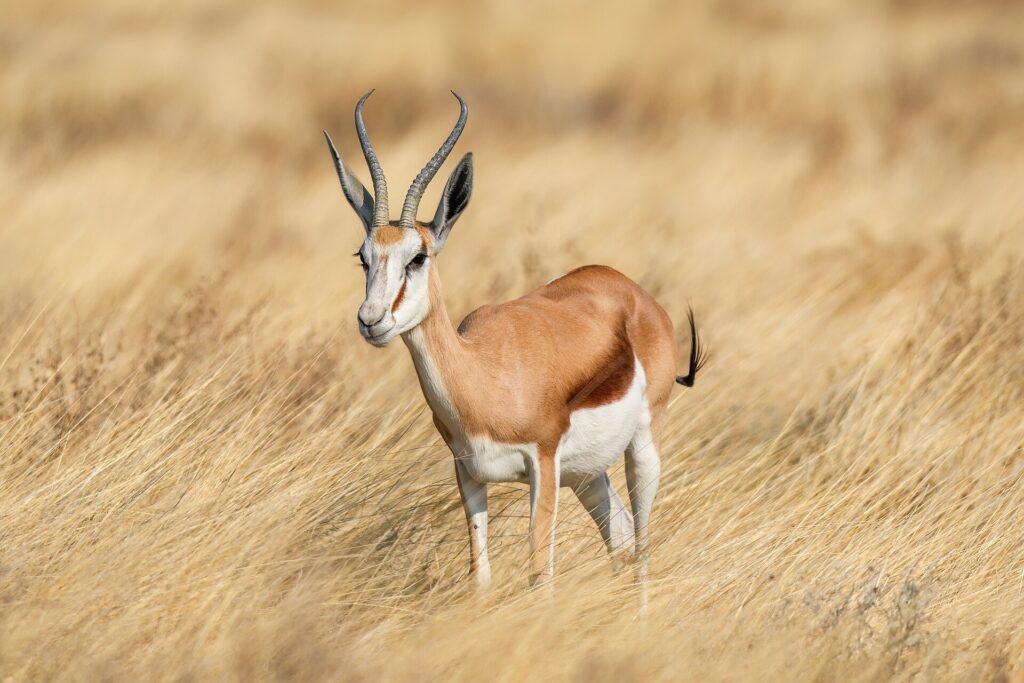
Springbok ‘pronk’, leaping high into the air with stiff legs and an arched back while flashing a crest of white hair along their spine.