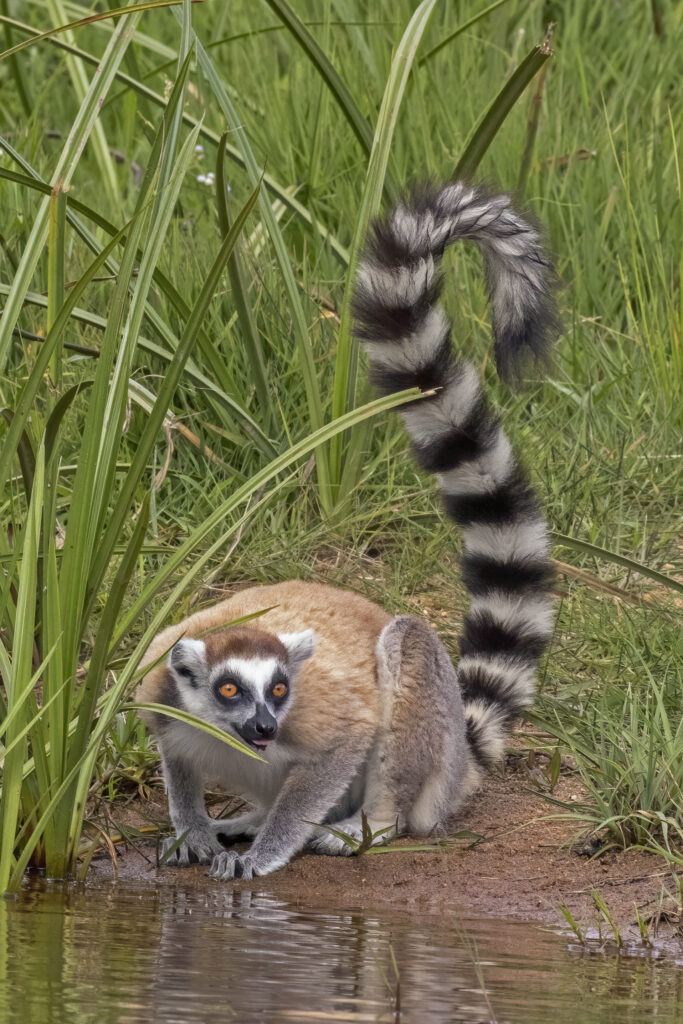
Ring-tailed Lemur
During the breeding season, male ring-tailed lemurs hold ‘stink fights’, rubbing scent onto their tails and waving them at rivals.
During the breeding season, male ring-tailed lemurs hold ‘stink fights’, rubbing scent onto their tails and waving them at rivals.
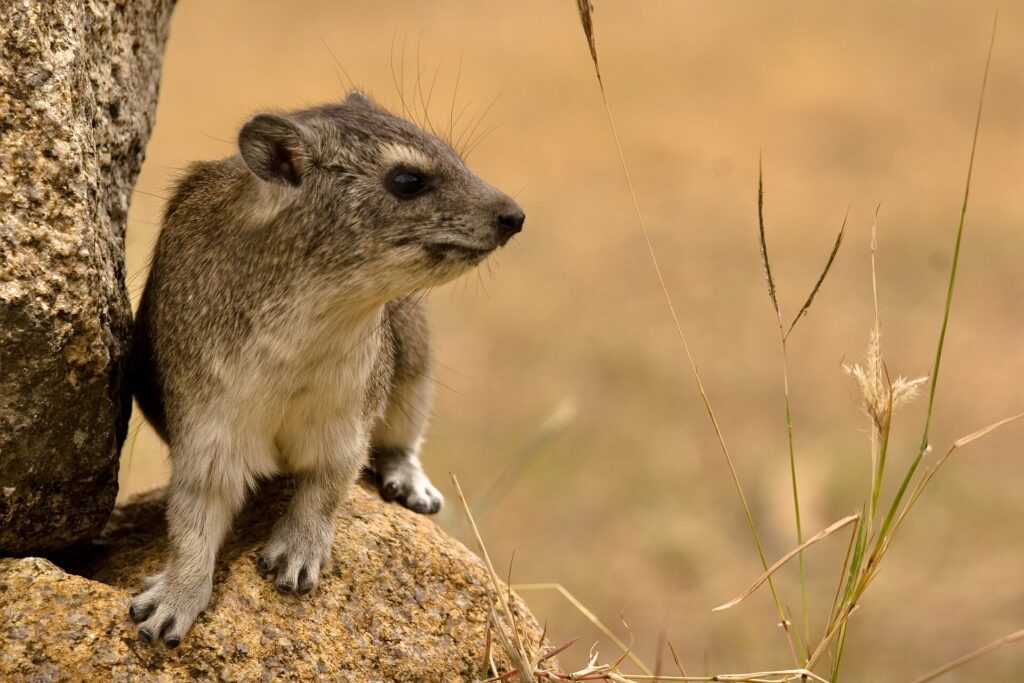
Although it looks like a large guinea pig, the rock hyrax’s closest living relatives are elephants and manatees.
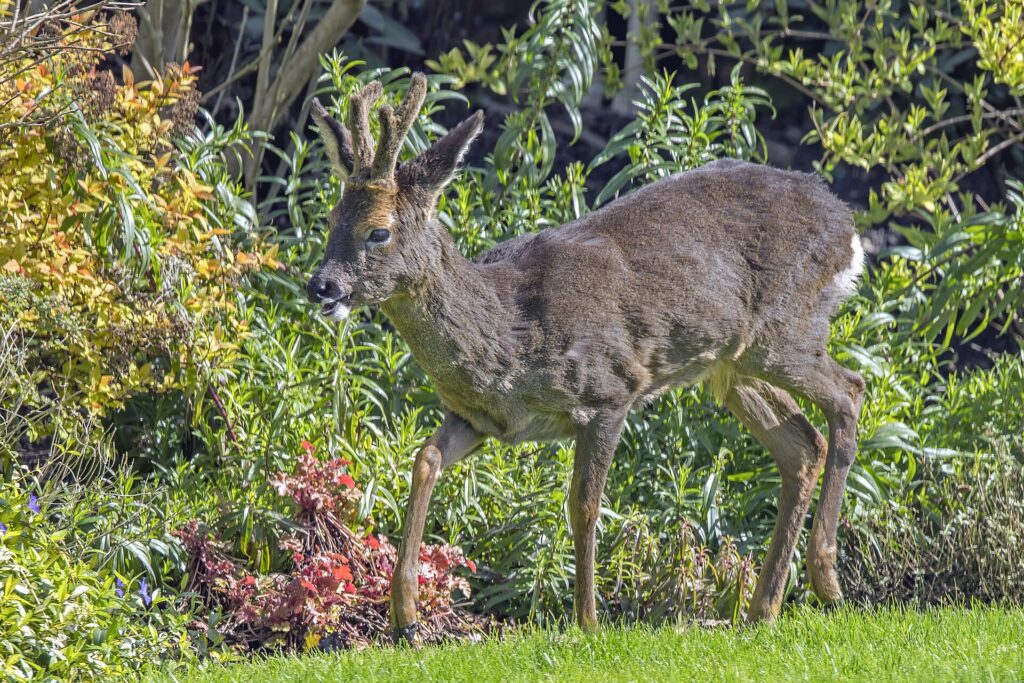
Roe deer are the only hoofed mammals known to delay the development of their embryo: they mate in summer, but the embryo only starts growing in winter.
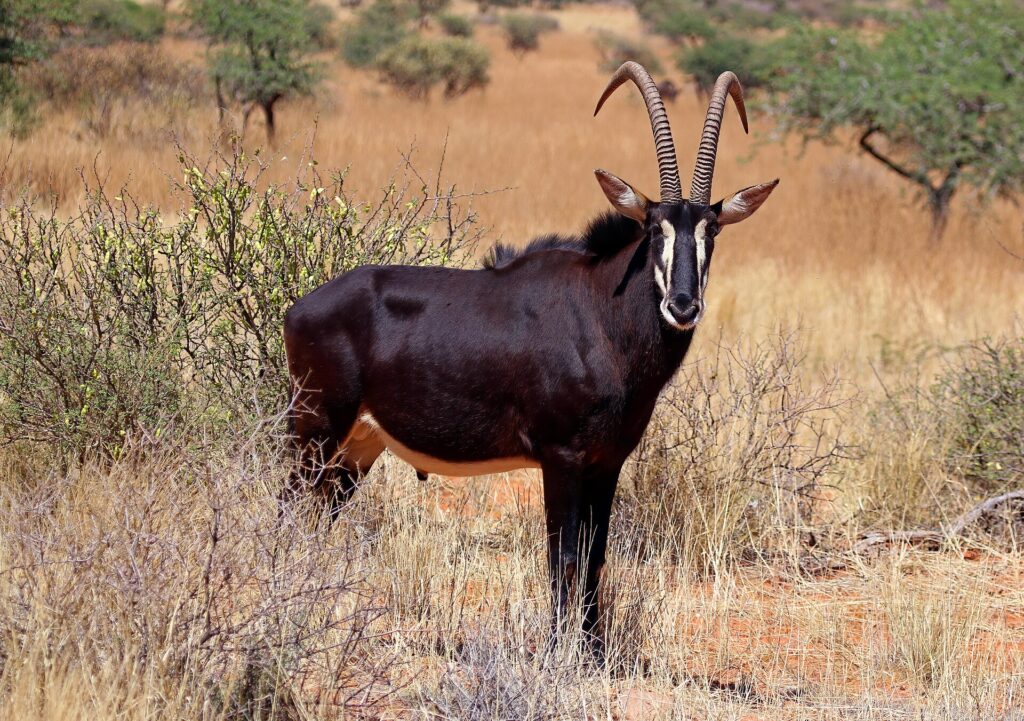
The giant sable of Angola was feared extinct after decades of civil war, until camera traps rediscovered a small herd in 2004.
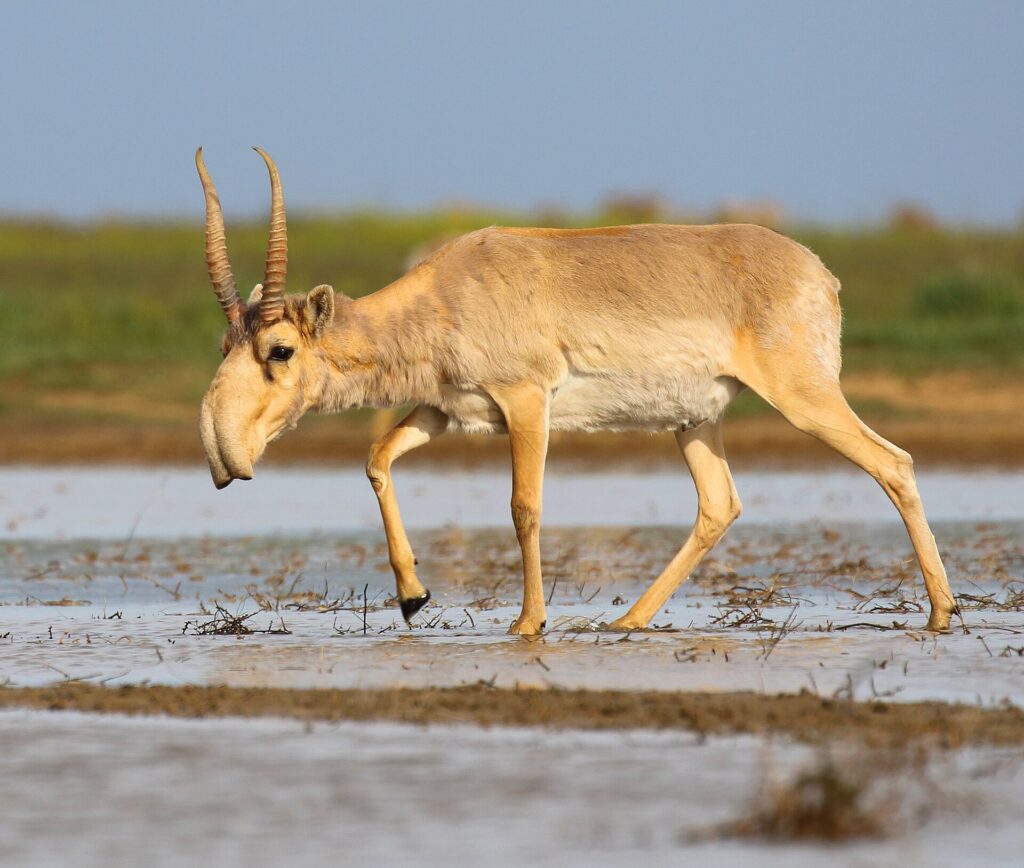
The saiga’s large, bulbous nose filters dust from the air in summer and warms freezing air before it reaches the lungs in winter.
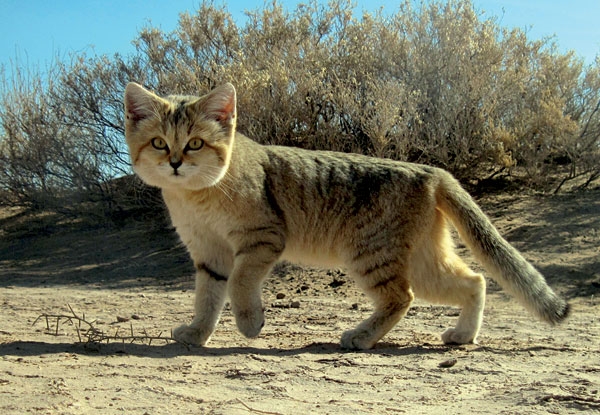
The sand cat can survive without drinking water, getting all the moisture it needs from its prey.
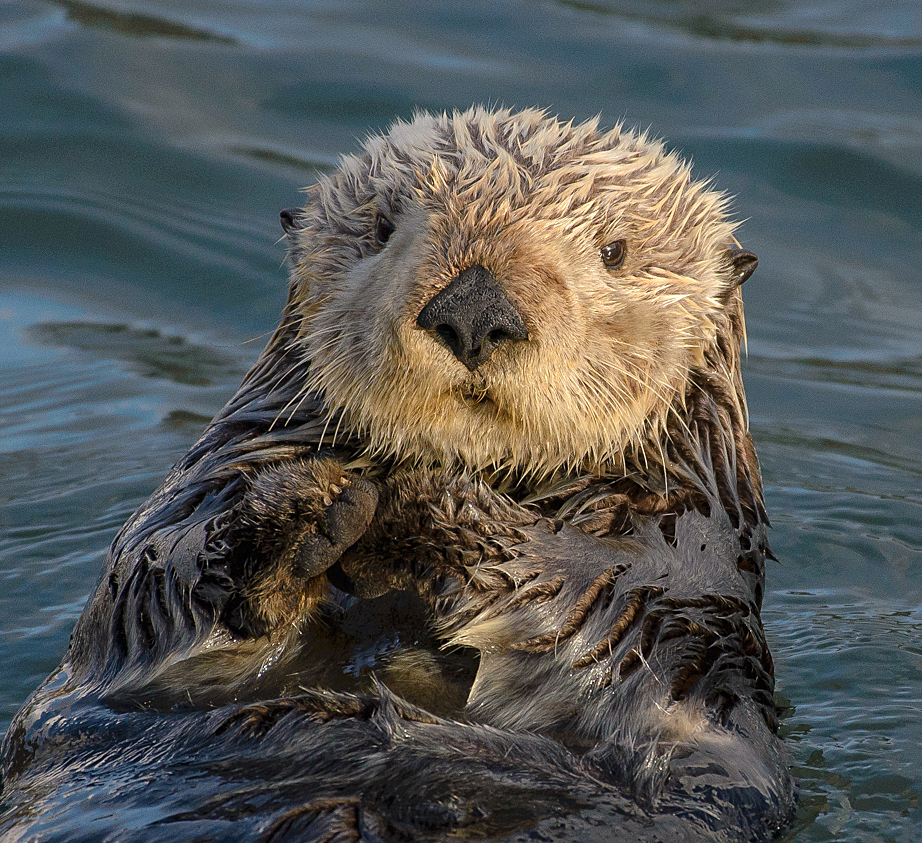
Sea otters have the densest fur of any animal, up to about a million hairs per square inch, which keeps them warm without blubber.
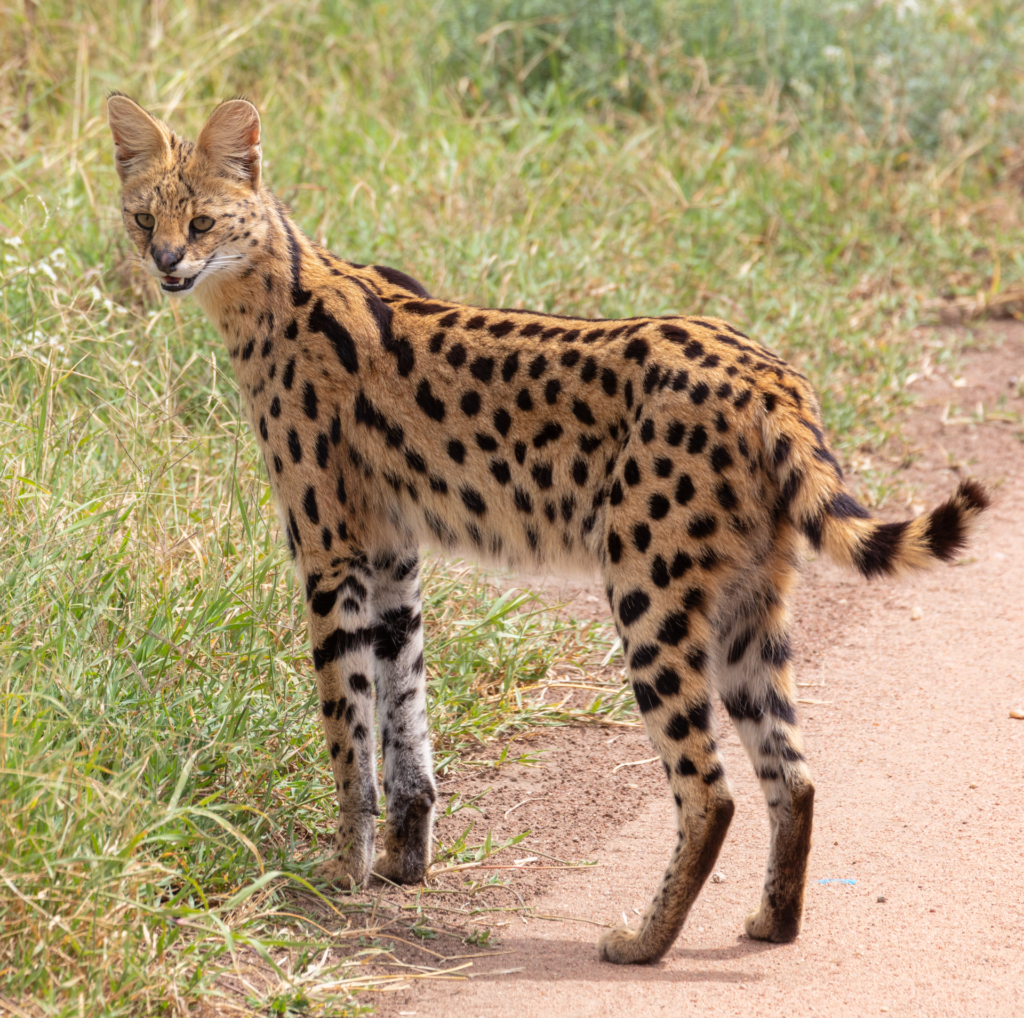
The serval is one of the most successful hunters among cats: in some studies, around half of its pounces end in a catch.
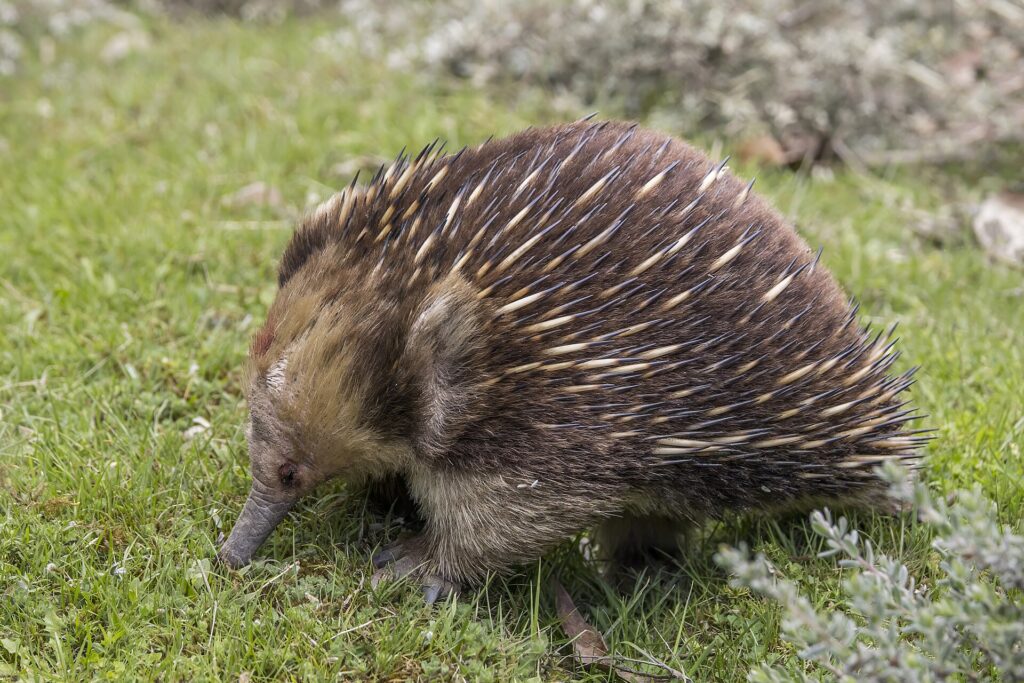
The echidna is one of only a few mammals that lay eggs: the female lays a single leathery egg directly into her pouch.
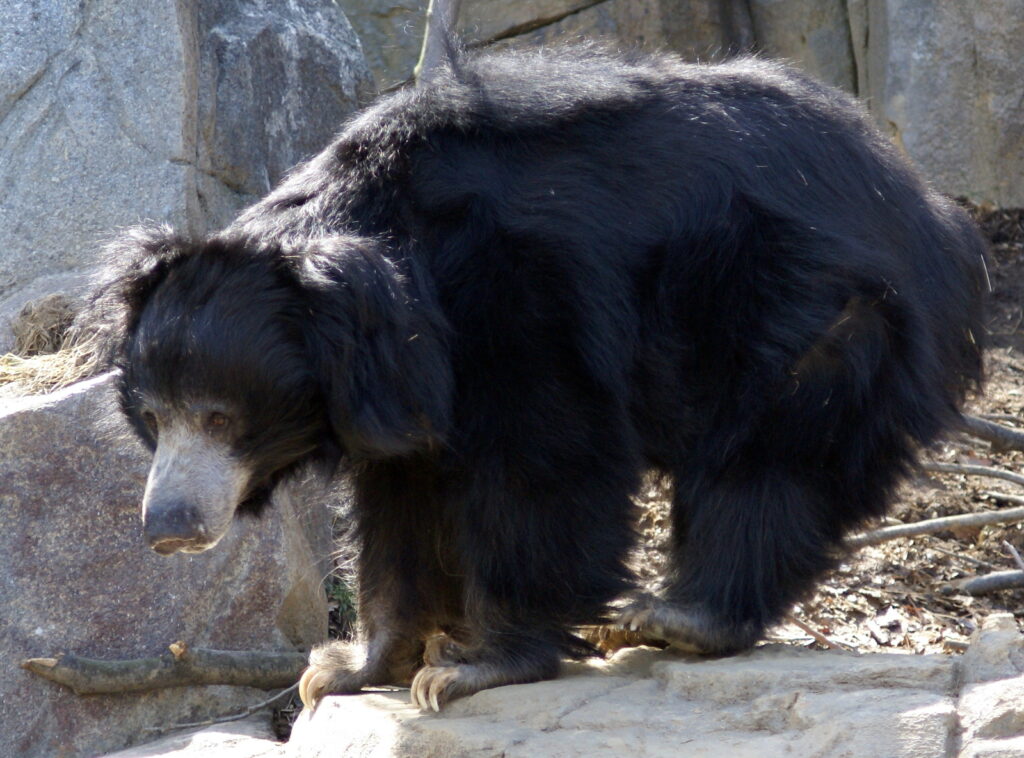
Sloth bears suck up termites like a vacuum cleaner, blowing away soil and sucking in insects so loudly that they can be heard over 100 metres away.