The southern elephant seal is a giant seal of the Southern Ocean, named for the male’s trunk-like nose. It spends months at sea diving to great depths, returning to beaches only to breed and moult.
Interesting facts
- It is the largest seal and the largest living carnivoran.
- Males can weigh several times as much as females.
- Adult males have an inflatable, trunk-like nose used to make loud roars.
- Dominant males, called beachmasters, guard harems of dozens of females.
- Elephant seals spend most of their time at sea underwater.
- In 2023, bird flu killed about 97 percent of elephant seal pups at Península Valdés.
Behaviour
On land, males fight fiercely for control of harems. At sea, elephant seals dive almost continuously, feeding in deep water.
Breeding and young
Females give birth to a single pup, which nurses for about three weeks and quadruples its weight on very rich milk.
Threats and conservation
Populations recovered after historical hunting for oil. New threats include avian influenza, climate change and fisheries competition.
Where to see it
- St Andrews Bay and Gold Harbour, South Georgia
- Península Valdés, Argentina
- Macquarie Island, Australia
- Kerguelen Islands
Status source: IUCN Red List. Profile last reviewed September 2026.
Where to see the southern elephant seal
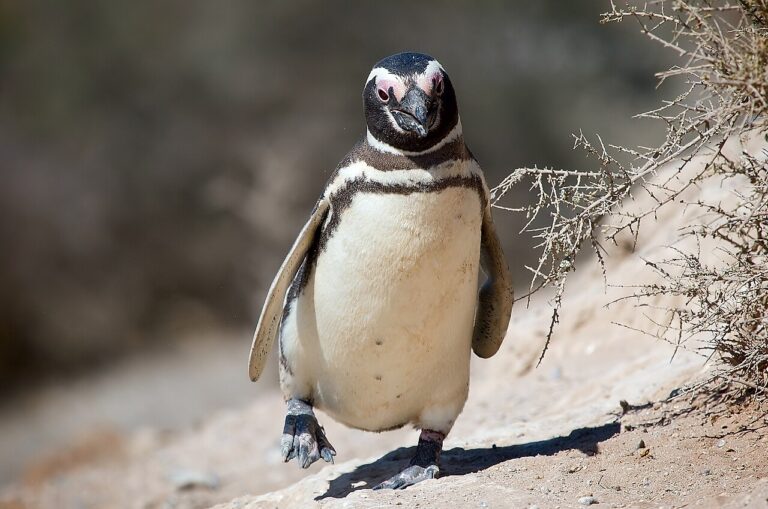 Península Valdés: Whales, Orcas and PenguinsOne of the best marine wildlife destinations in the world, Península Valdés offers whales, orcas, penguins and elephant…
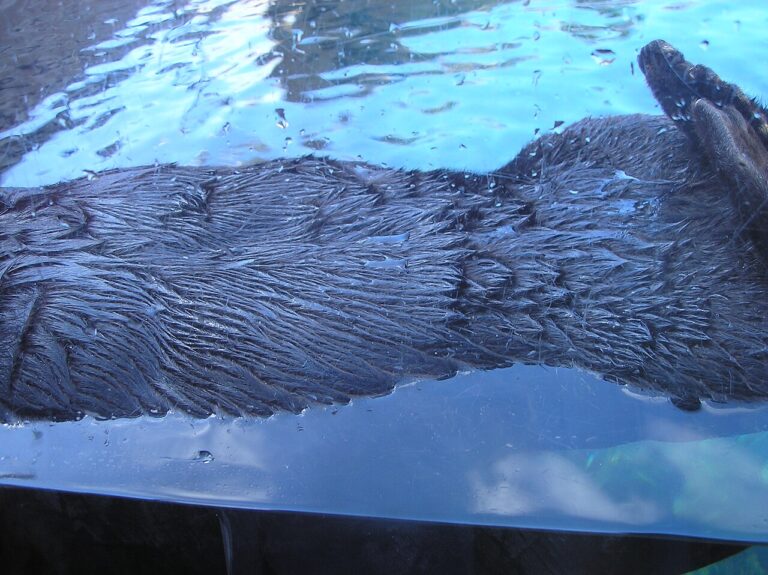 Monterey Bay: Sea Otters, Whales and Kelp ForestsMonterey Bay's deep underwater canyon brings whales close to shore, and sea otters float in its kelp forests.…
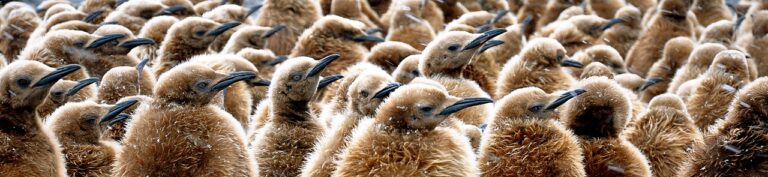 South Georgia: King Penguins and Elephant SealsSouth Georgia may be the greatest wildlife spectacle on Earth, with hundreds of thousands of king penguins on…