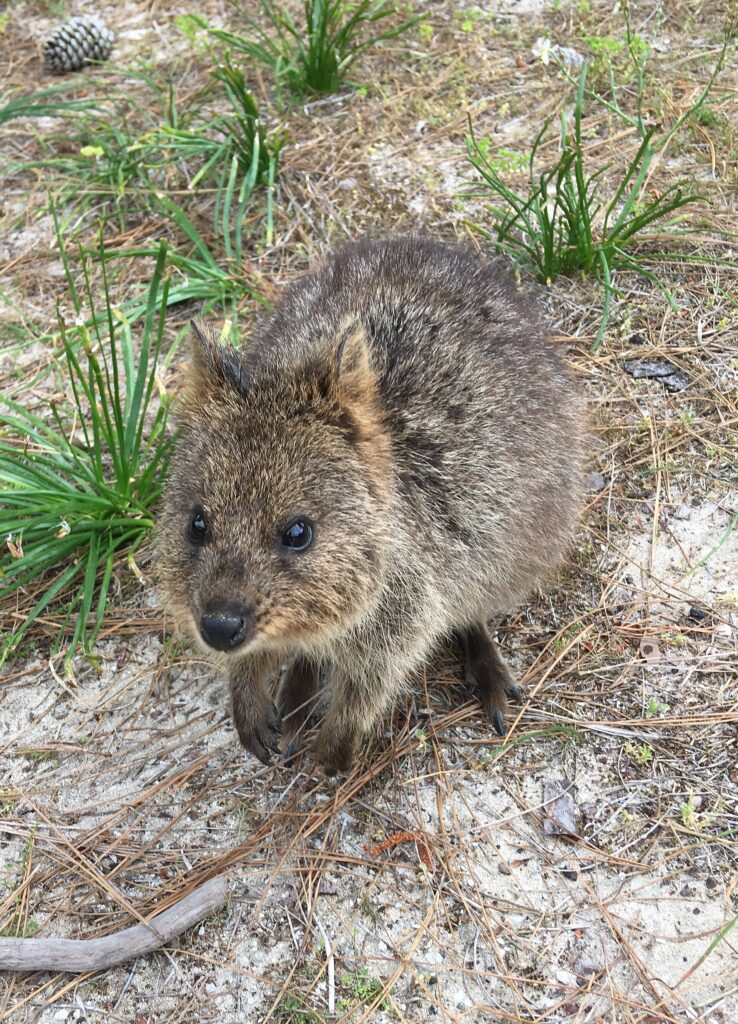
Quokka
Rottnest Island got its name from a Dutch explorer in 1696, who mistook quokkas for giant rats and called the island ‘rat’s nest’.
Rottnest Island got its name from a Dutch explorer in 1696, who mistook quokkas for giant rats and called the island ‘rat’s nest’.
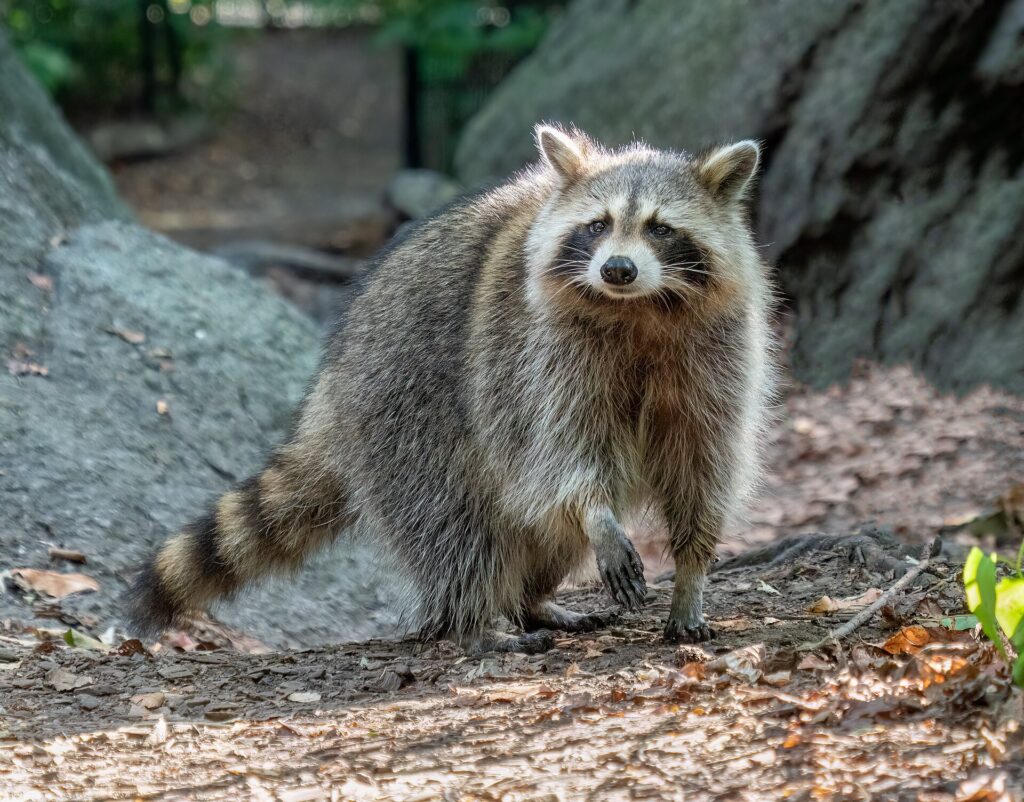
Raccoons have extremely sensitive front paws, and wetting their paws makes them even more sensitive, which is why they often ‘wash’ their food.
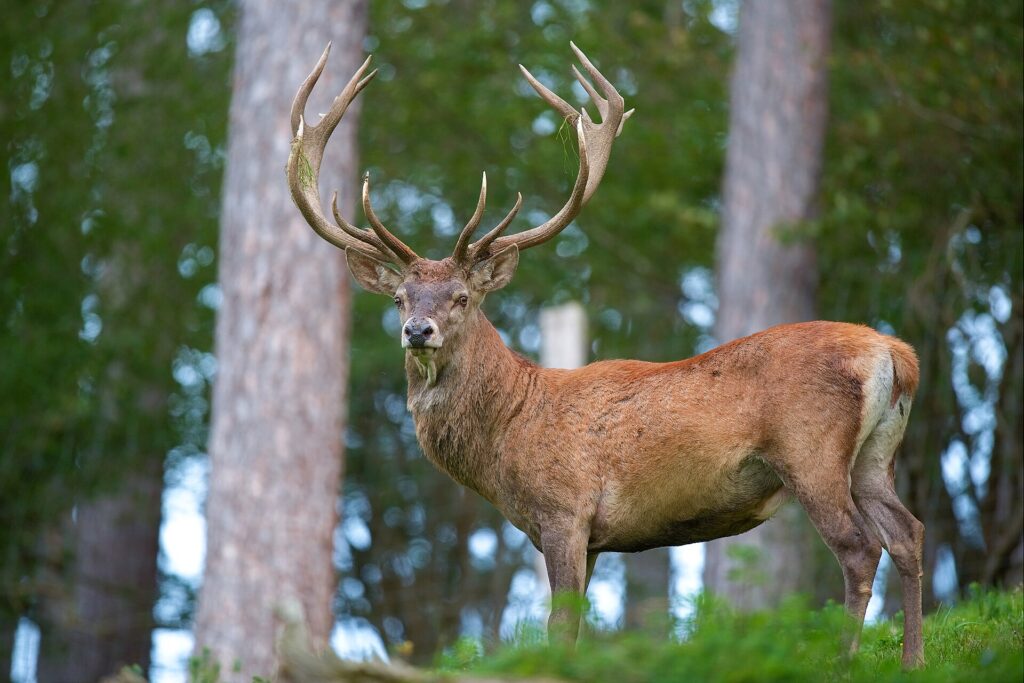
A stag’s antlers can grow up to about 2.5 cm a day, making them one of the fastest-growing tissues in the animal kingdom.
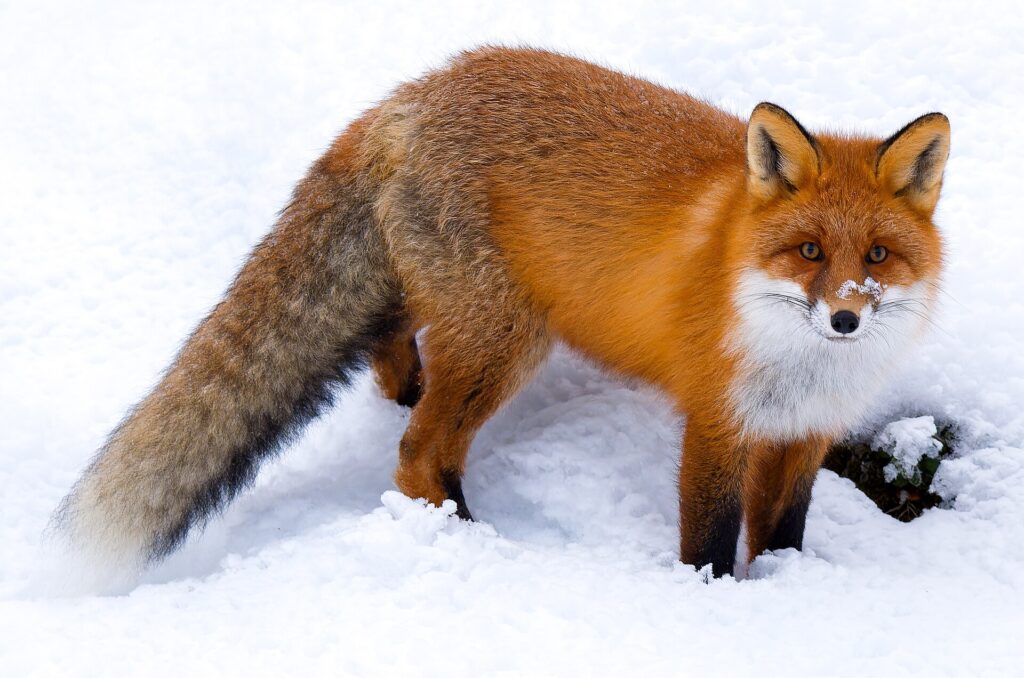
The red fox has the largest natural range of any wild carnivore on Earth, spanning North America, Europe, Asia and North Africa.
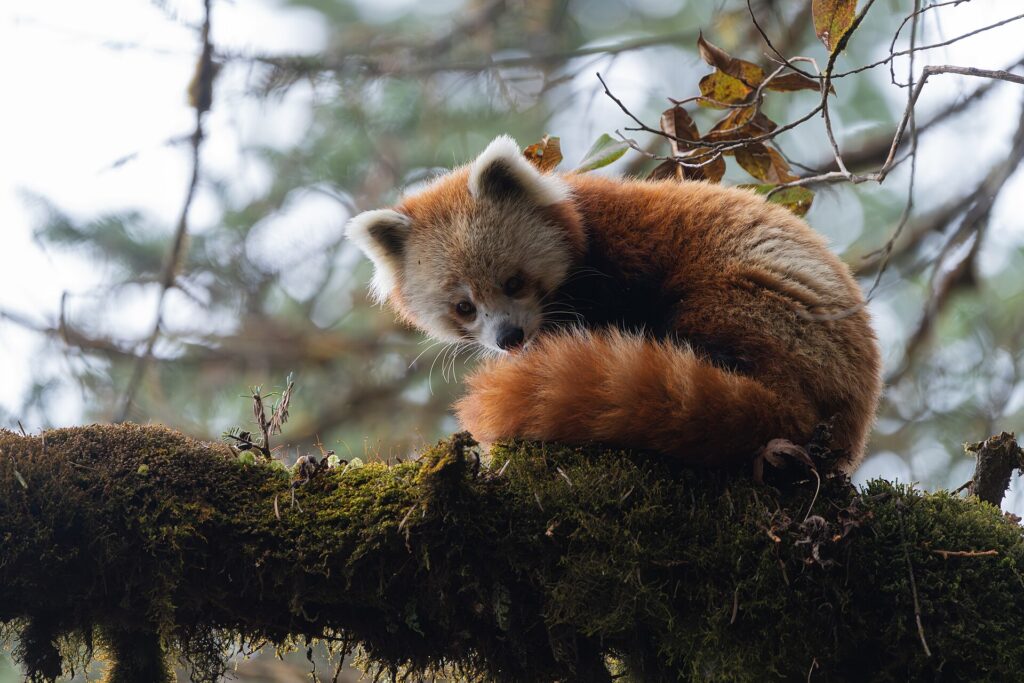
The red panda was named a panda about 50 years before the giant panda, and it is not closely related to it; it is the only living member of its own family.
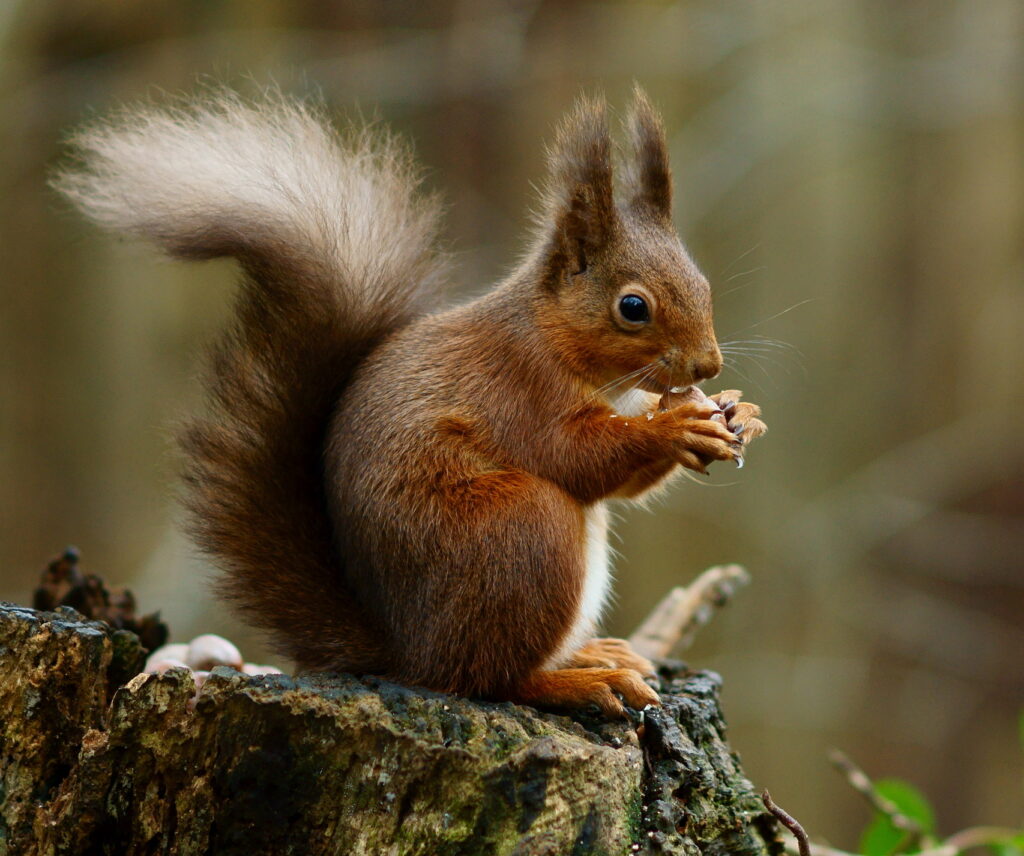
In Britain, red squirrels have been pushed out of most areas by introduced grey squirrels, but pine martens are helping them recover by preying on the greys.
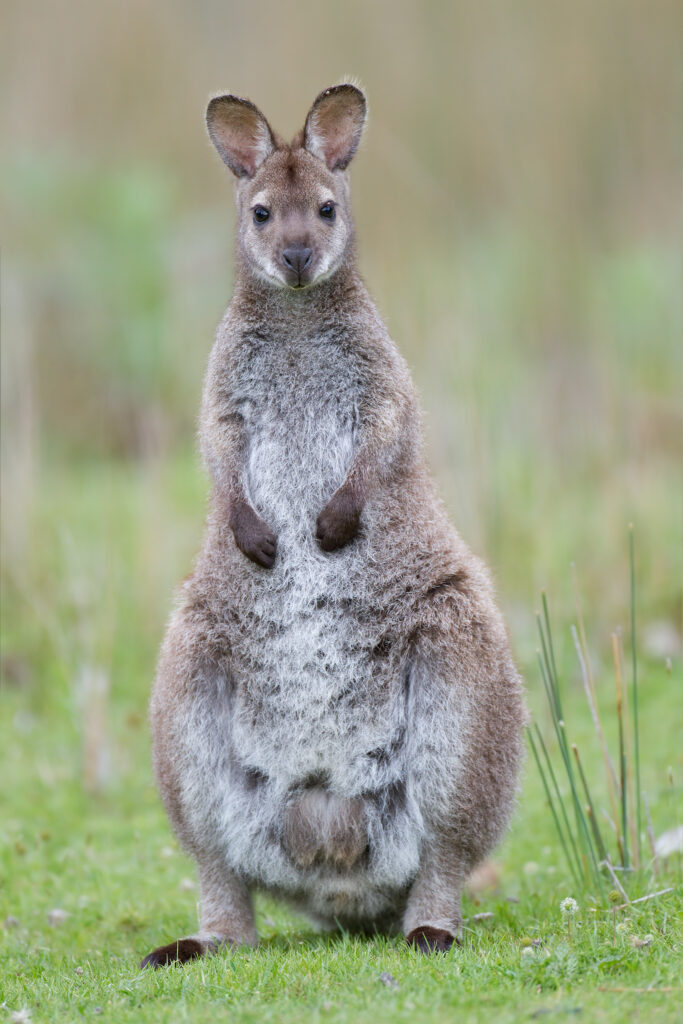
On Bruny Island in Tasmania, a population of red-necked wallabies includes rare, pale white individuals.
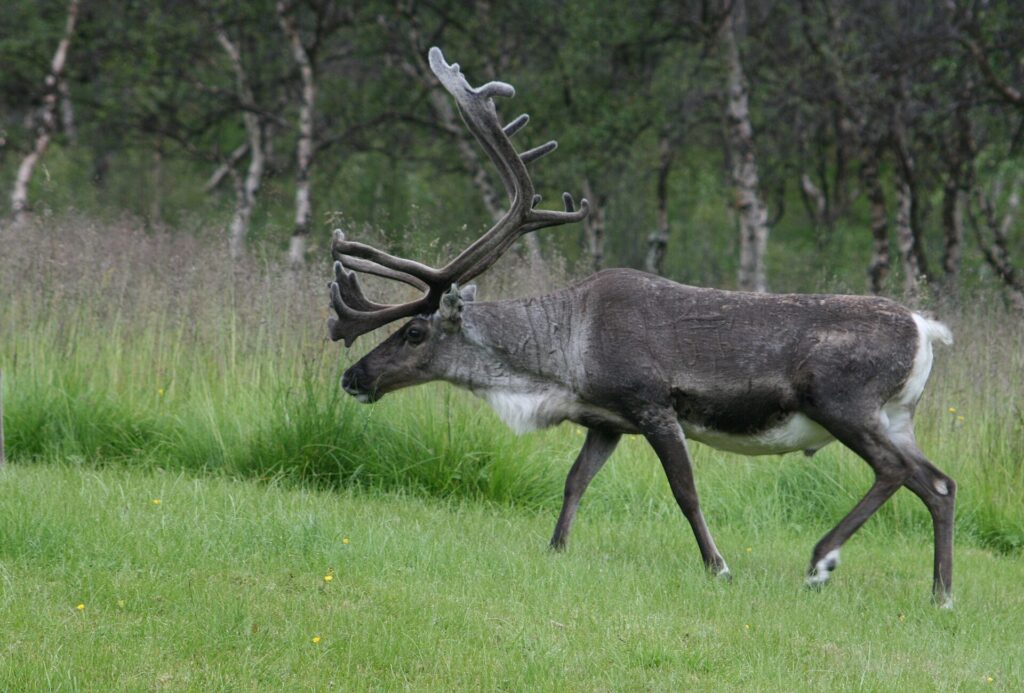
Reindeer eyes change colour with the seasons, from golden in the Arctic summer to deep blue in winter, which helps them see in the long polar night.
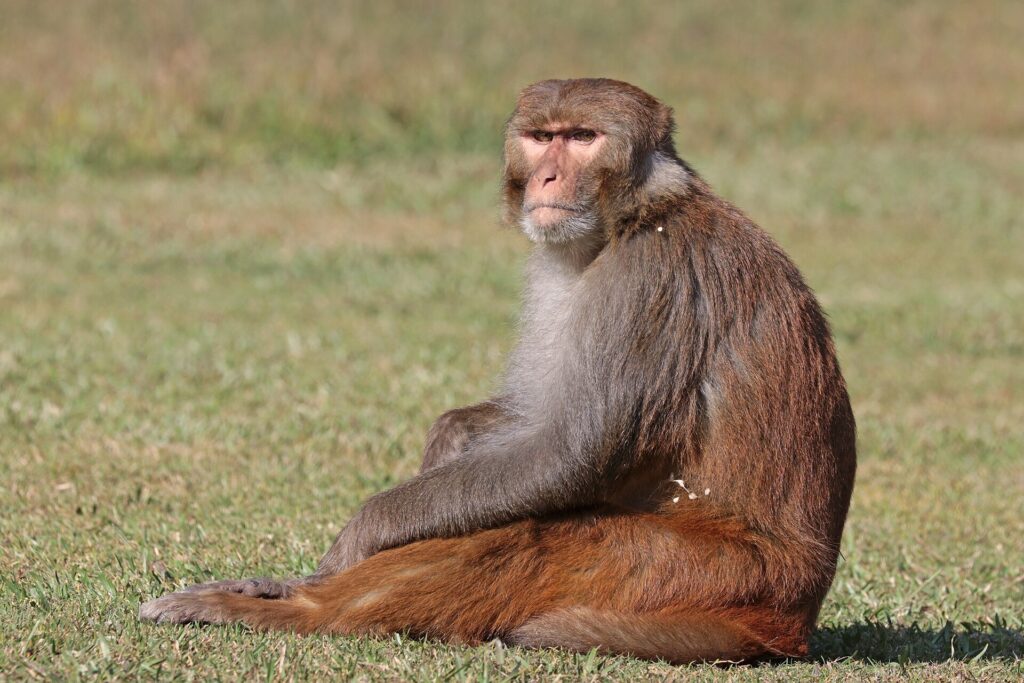
The ‘Rh’ in Rh-positive and Rh-negative blood types comes from the rhesus macaque, in which the blood factor was first studied.