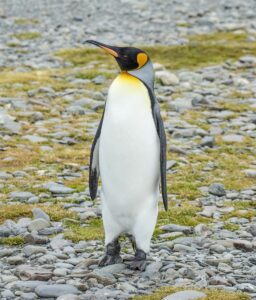
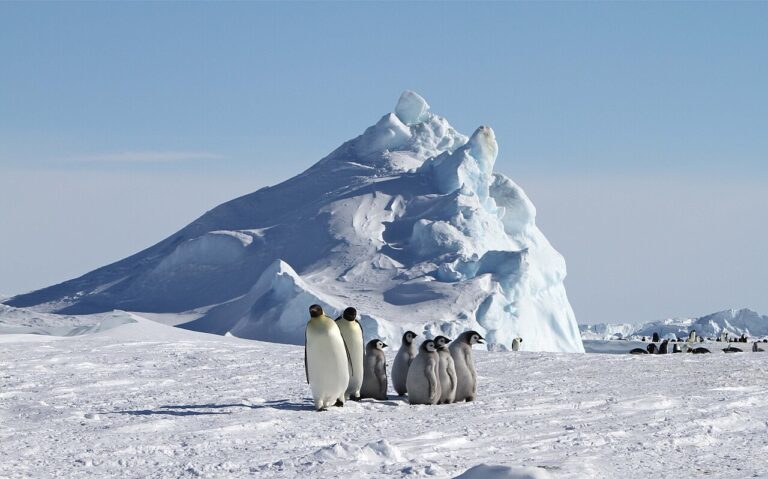
The emperor penguin is a true Antarctic specialist and the only bird that breeds during the Antarctic winter. There are around 60 known colonies with roughly a quarter of a million breeding pairs. Scientists project large declines this century as sea ice shrinks.
Interesting facts
- The emperor penguin is the largest and heaviest penguin.
- It can dive deeper than 500 m and stay underwater for over 20 minutes.
- Thousands of males huddle together for warmth, taking turns on the cold outside.
- A male may fast for up to about four months during courtship and incubation.
- Colonies have been discovered from space by spotting their guano stains on the ice.
- Emperor penguins need stable sea ice until their chicks fledge.
Behaviour
Emperors walk or toboggan on their bellies across the ice, sometimes over 100 km, between colonies and open water. They breed on stable fast ice attached to the coast.
Breeding and young
The female lays a single egg in May or June, passes it to the male and returns to sea to feed. The male incubates it for about 64 days. The chick hatches in July or August, and both parents take turns feeding it until it fledges in December or January.
Threats and conservation
Loss of sea ice due to climate change, which caused breeding failures at several colonies in 2022, and changes in food supply.
Where to see it
- Snow Hill Island, Weddell Sea (specialist expeditions)
- Ross Sea and Atka Bay (very limited expeditions)
Status source: IUCN Red List. Profile last reviewed September 2026.
Where to see the emperor penguin
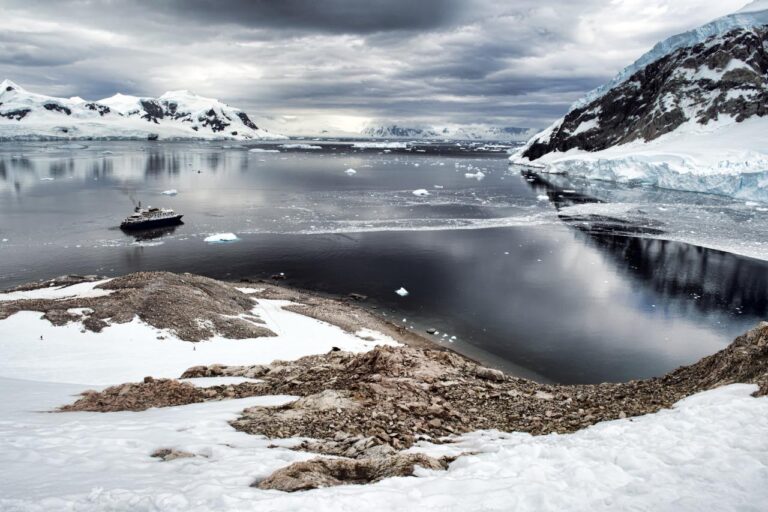 Antarctica Cruise Guide: Penguins, Whales and the Drake PassagePenguin colonies, breaching whales and towering icebergs. How to choose the right Antarctic route, month and ship for…
 Emperor Penguin Expeditions: Snow Hill IslandEmperor penguins breed on the sea ice in winter, far from most tourist routes. How specialised expeditions reach…
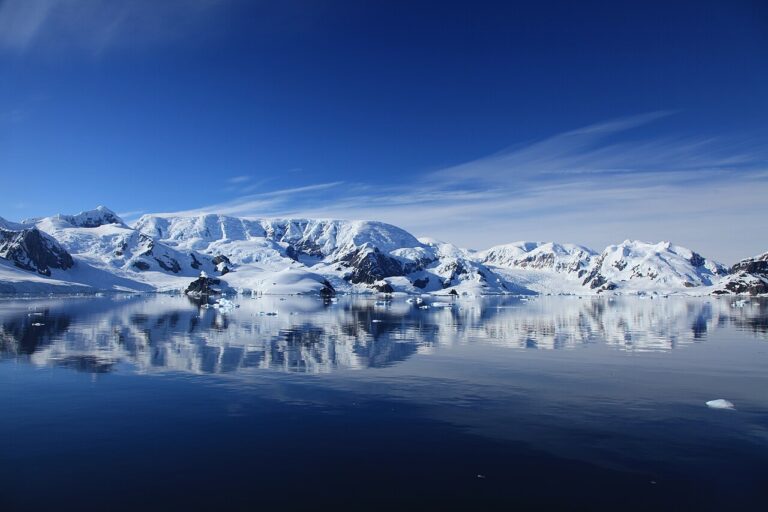 What to Pack for a Polar ExpeditionLayers, waterproofs and the right accessories make all the difference in the polar regions. A clear packing list.