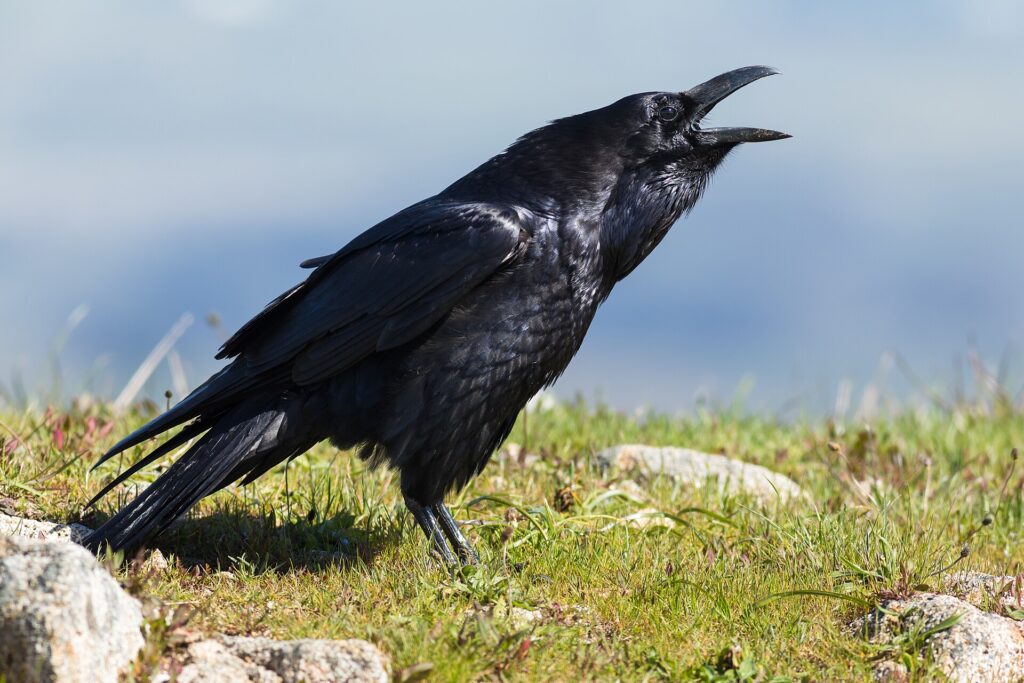
Common Raven
In experiments, ravens planned for the future as well as great apes, saving tools and tokens they would need later.
In experiments, ravens planned for the future as well as great apes, saving tools and tokens they would need later.
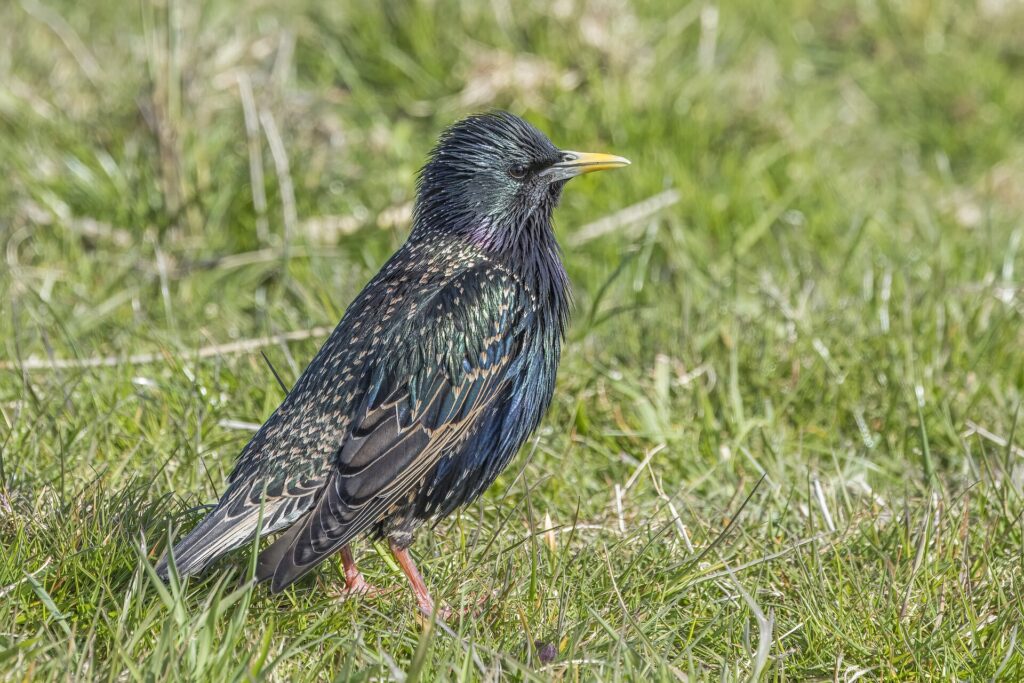
On winter evenings, starlings gather in murmurations of tens of thousands, or even over a million birds, swirling in perfectly coordinated shapes before settling to roost.
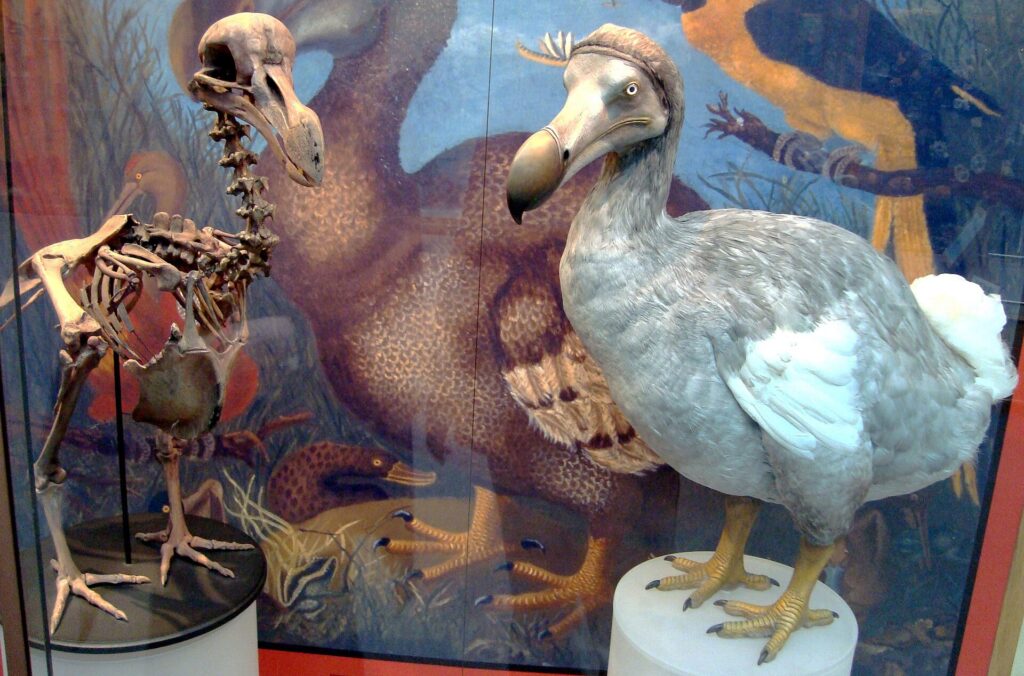
The dodo was a giant, flightless pigeon: its closest living relative is the colourful Nicobar pigeon of Southeast Asia.
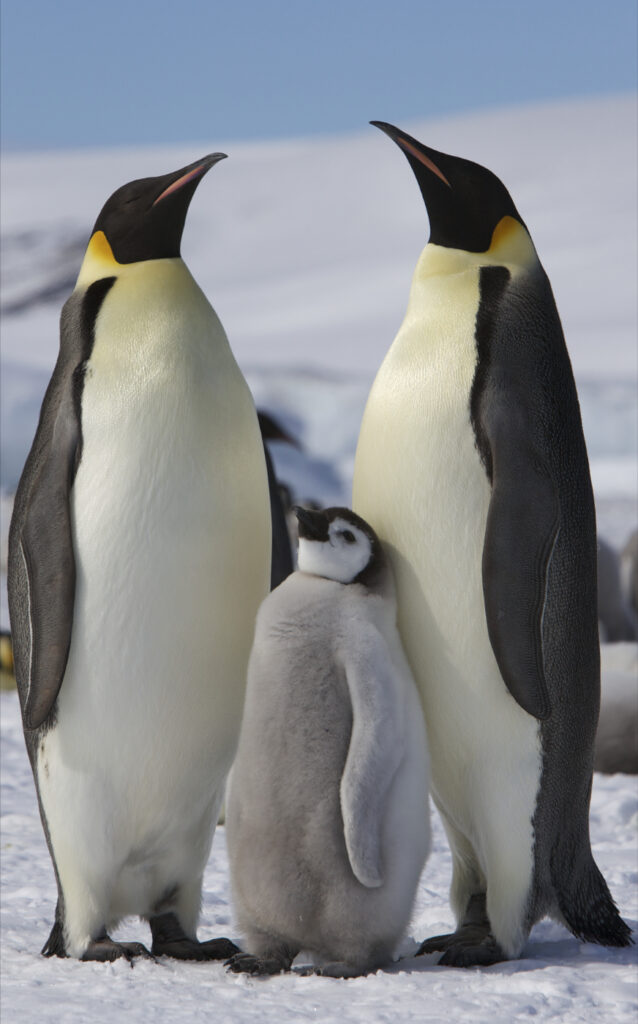
Emperor penguins breed in the depths of the Antarctic winter, and males incubate the egg on their feet for about two months in temperatures below −40 °C without eating.
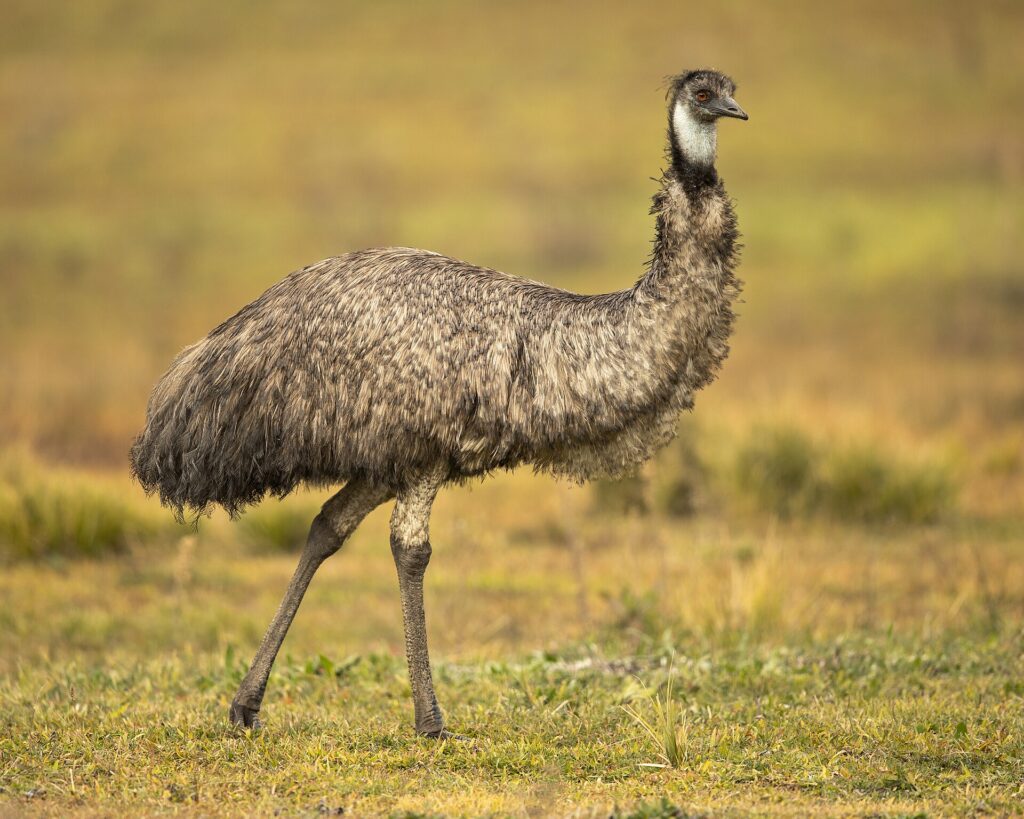
Male emus incubate the eggs alone for about eight weeks, barely eating or drinking, and can lose a large part of their body weight.
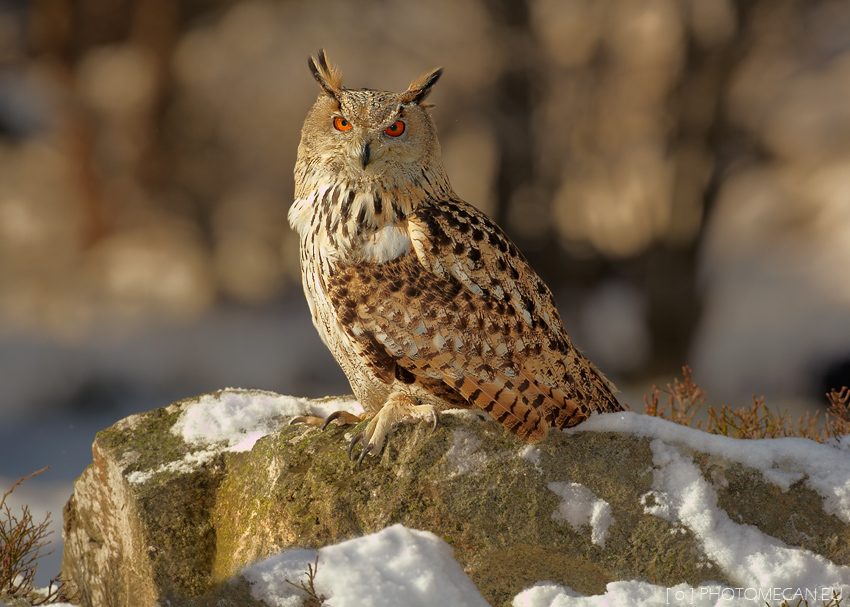
The Eurasian eagle-owl is one of the largest owls in the world, strong enough to catch prey as big as a fox.
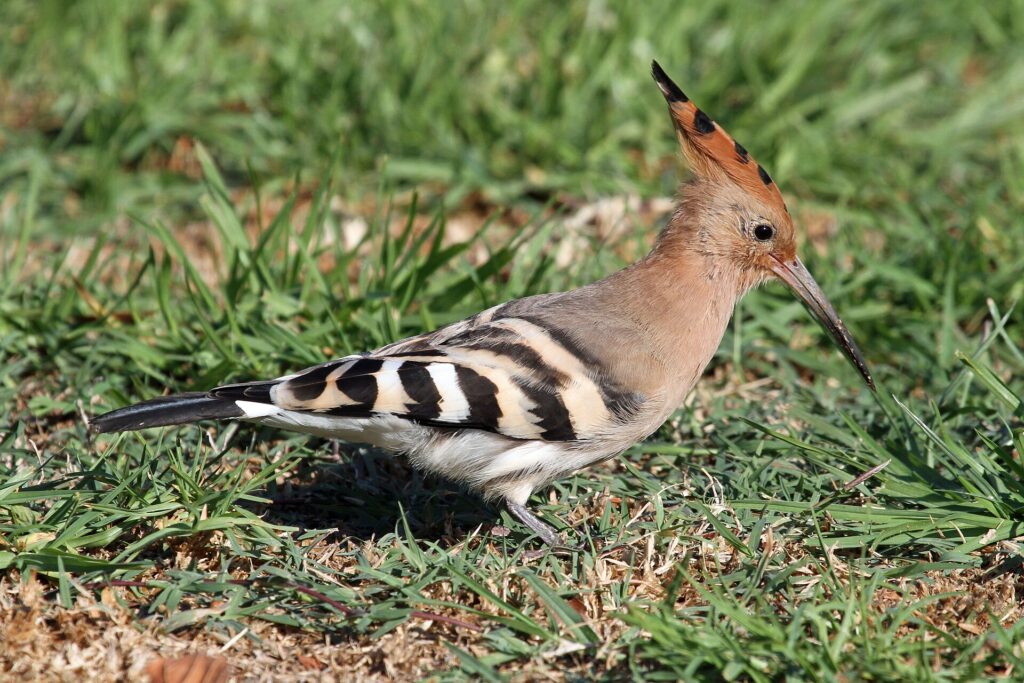
To defend themselves, hoopoe chicks squirt foul-smelling droppings at intruders, and nesting females produce a smelly secretion containing bacteria that help protect the eggs.
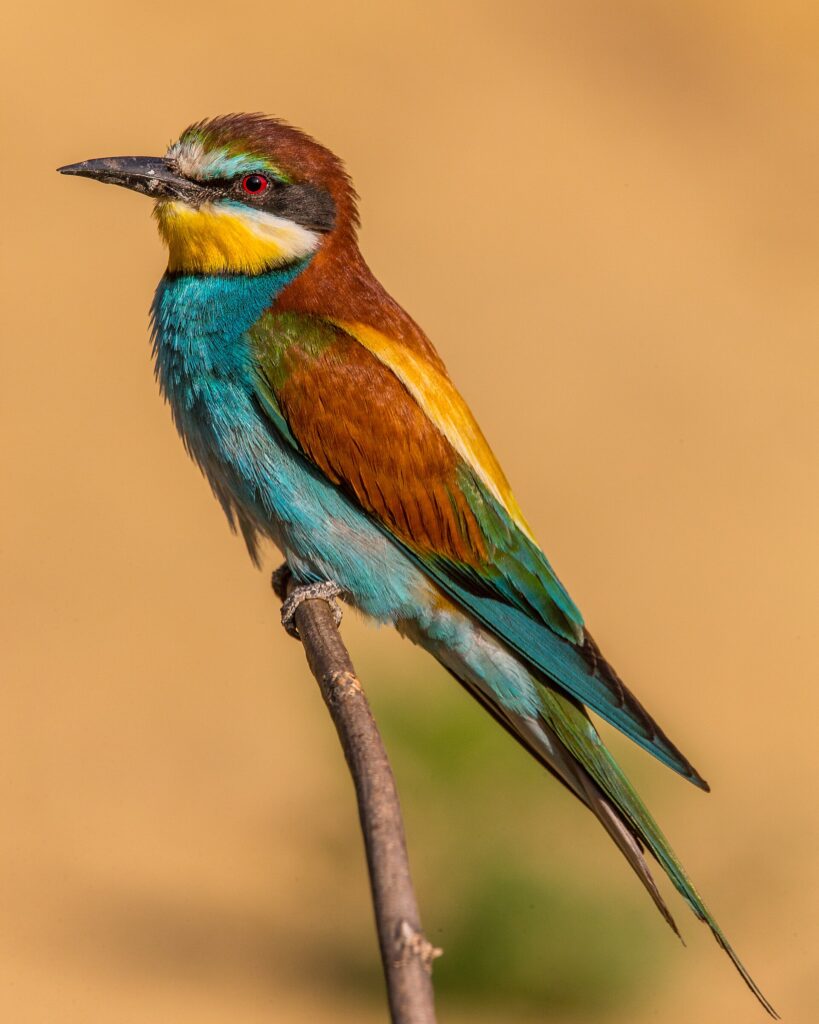
Bee-eaters catch bees and wasps in flight, then beat them against a branch and rub off the stinger before swallowing them.
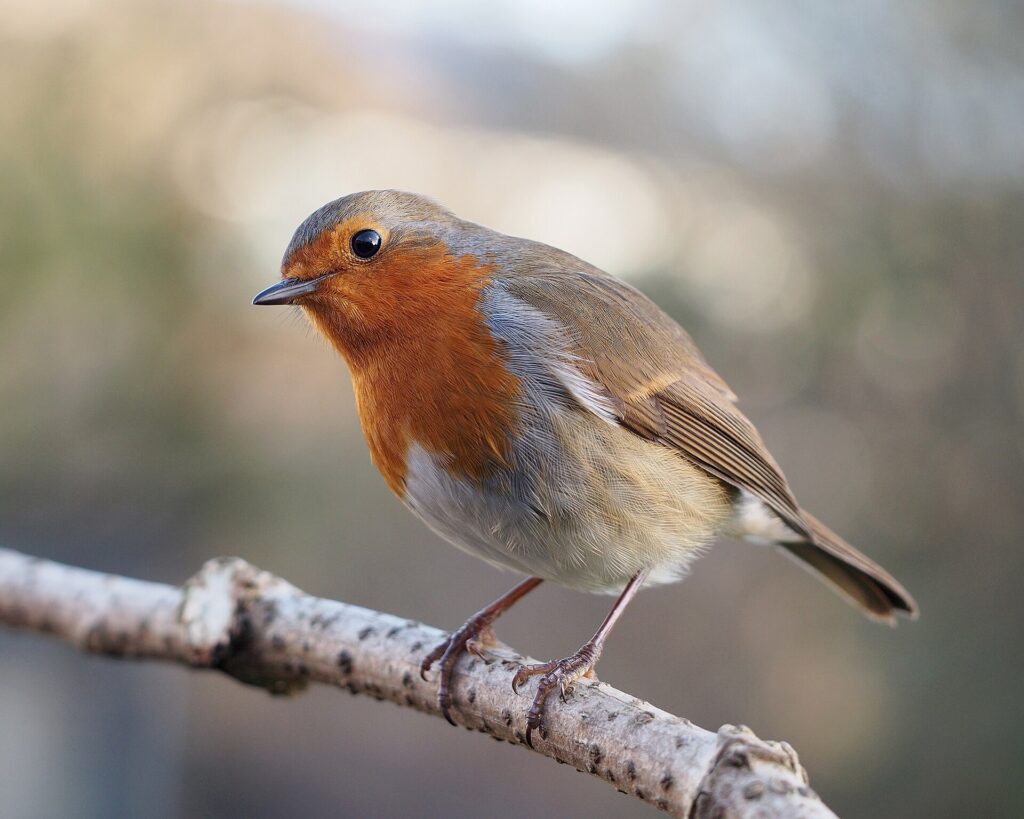
European robins were among the first animals shown to use Earth’s magnetic field to navigate, possibly through a quantum effect in their eyes.
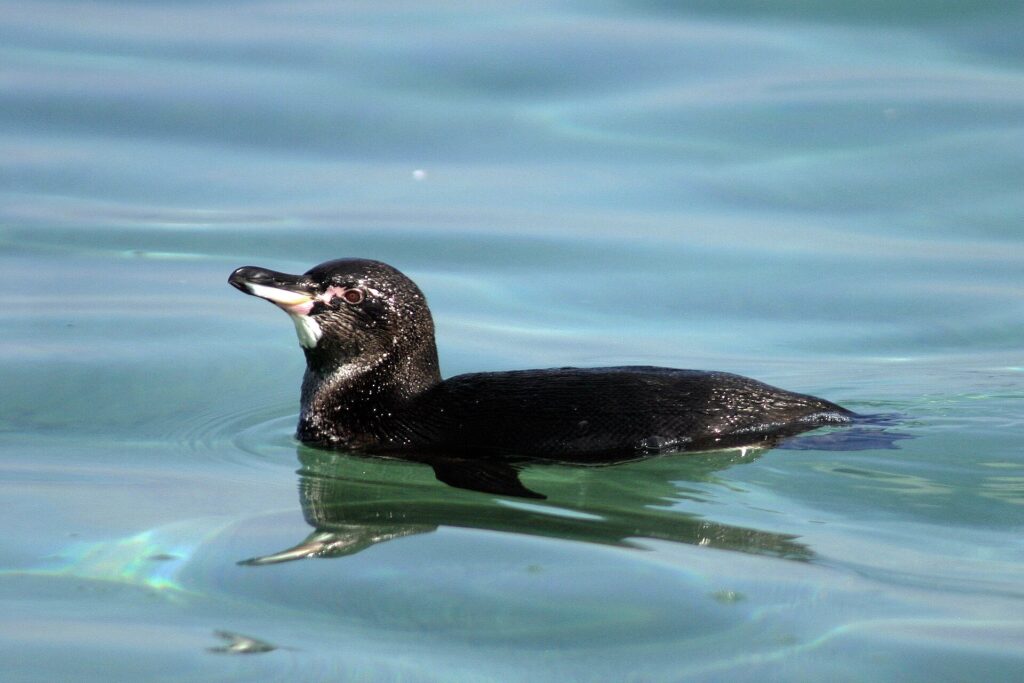
The Galápagos penguin is the only penguin that lives on the equator, and a few even cross into the Northern Hemisphere.
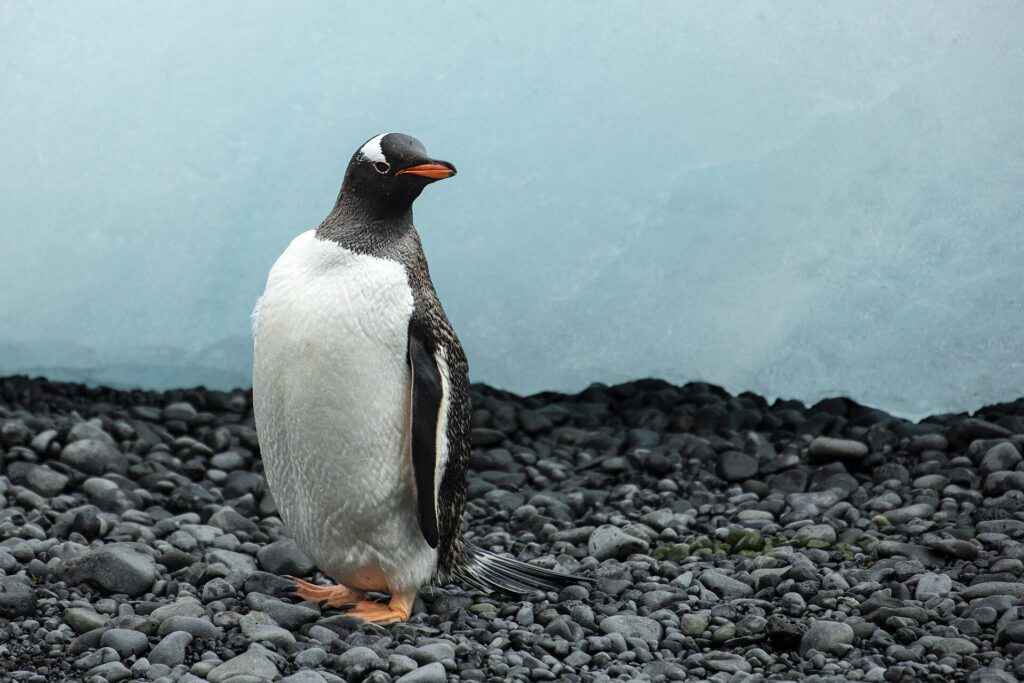
The gentoo is the fastest-swimming penguin, reaching speeds of about 36 km/h underwater.
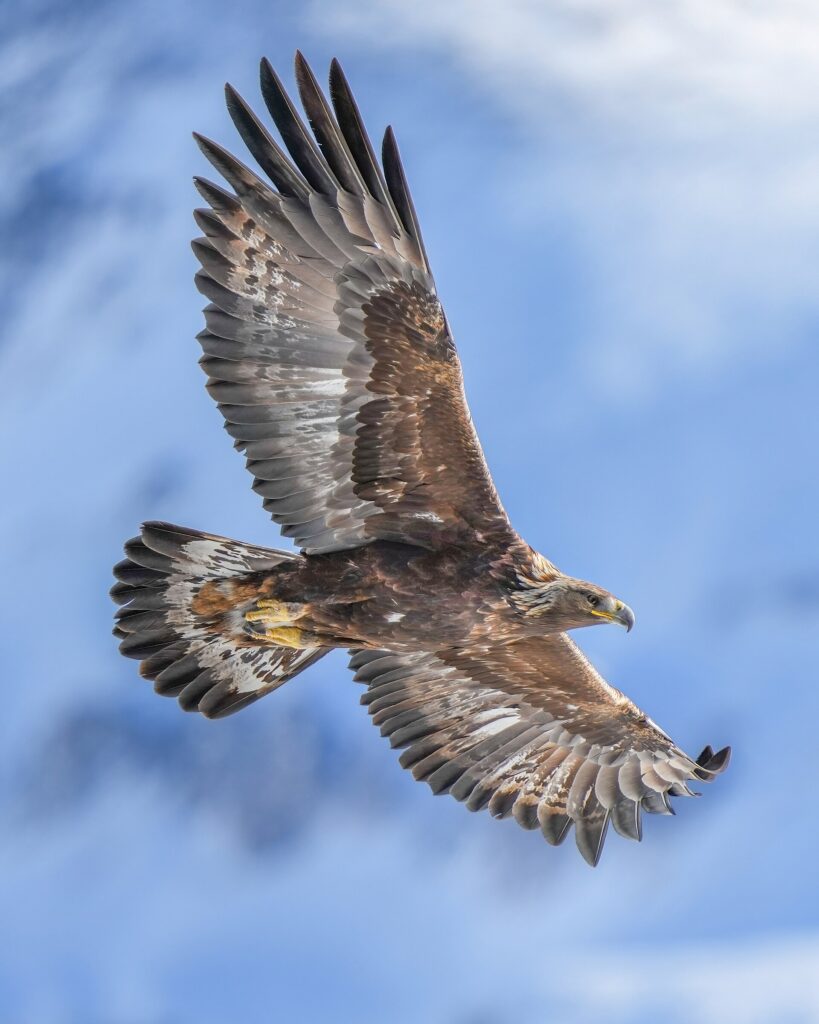
In the mountains of Mongolia and Kazakhstan, eagle hunters have trained golden eagles for centuries to hunt foxes and even wolves.
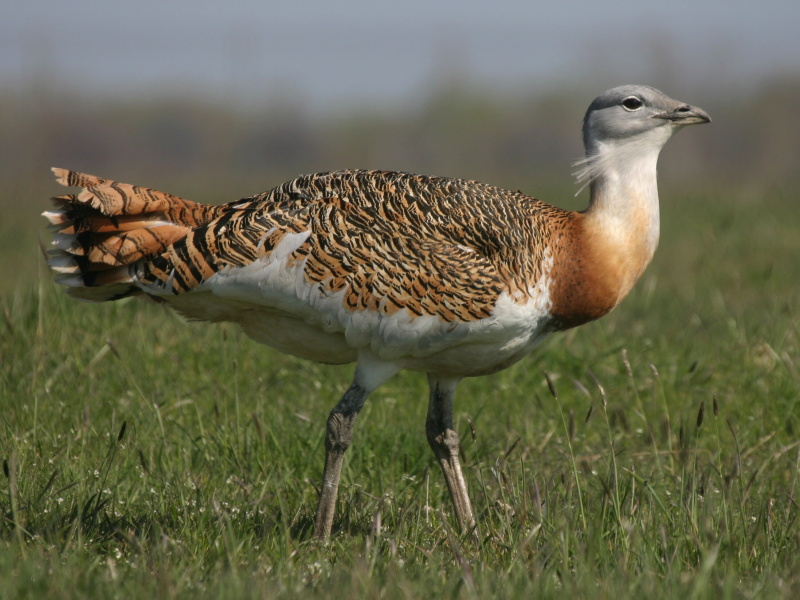
The male great bustard is one of the heaviest flying birds in the world, and in spring he puffs up into a white ‘foam bath’ display that makes him look like a giant feather ball.
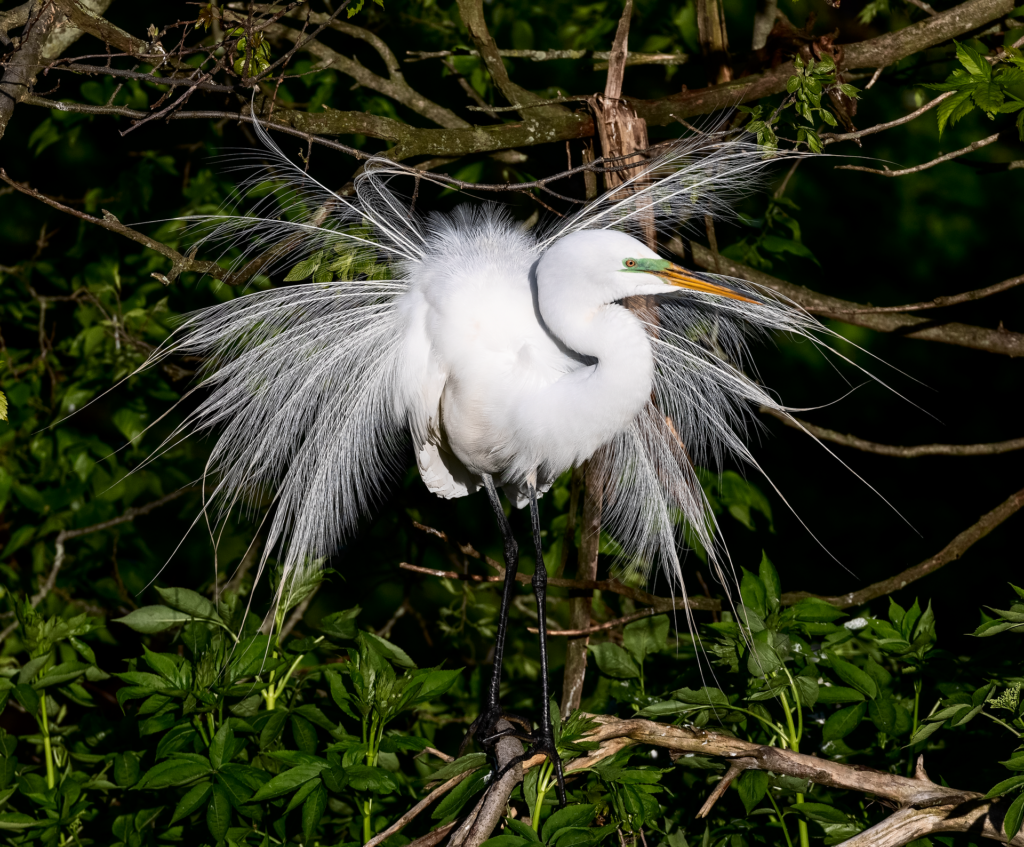
In the late 1800s, great egrets were hunted almost to extinction for their breeding plumes, and outrage over the trade helped launch the modern bird conservation movement.
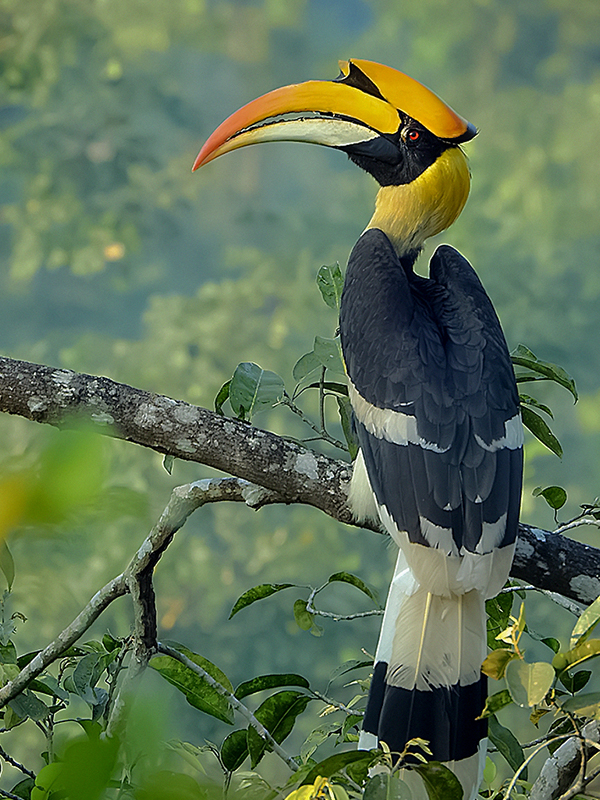
The female seals herself into a tree-hole nest with mud and droppings, leaving only a slit through which the male feeds her and the chick for months.
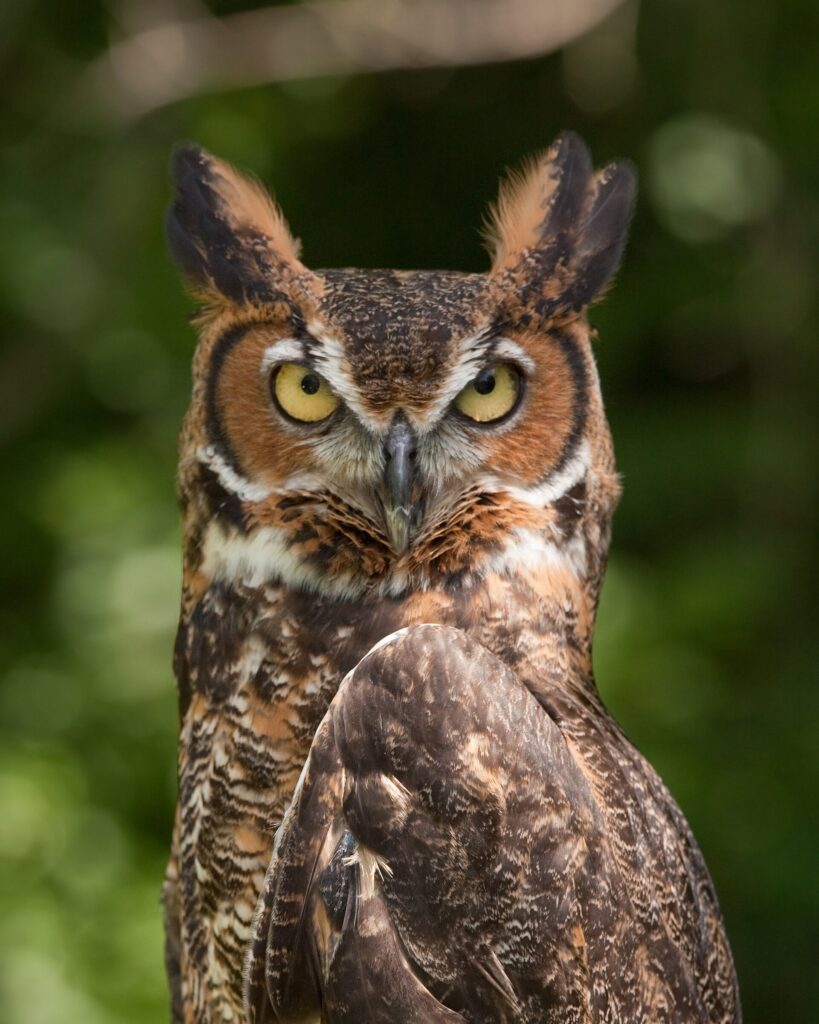
Great horned owls are one of the few predators that regularly eat skunks, probably because, like most birds, they have a poor sense of smell.
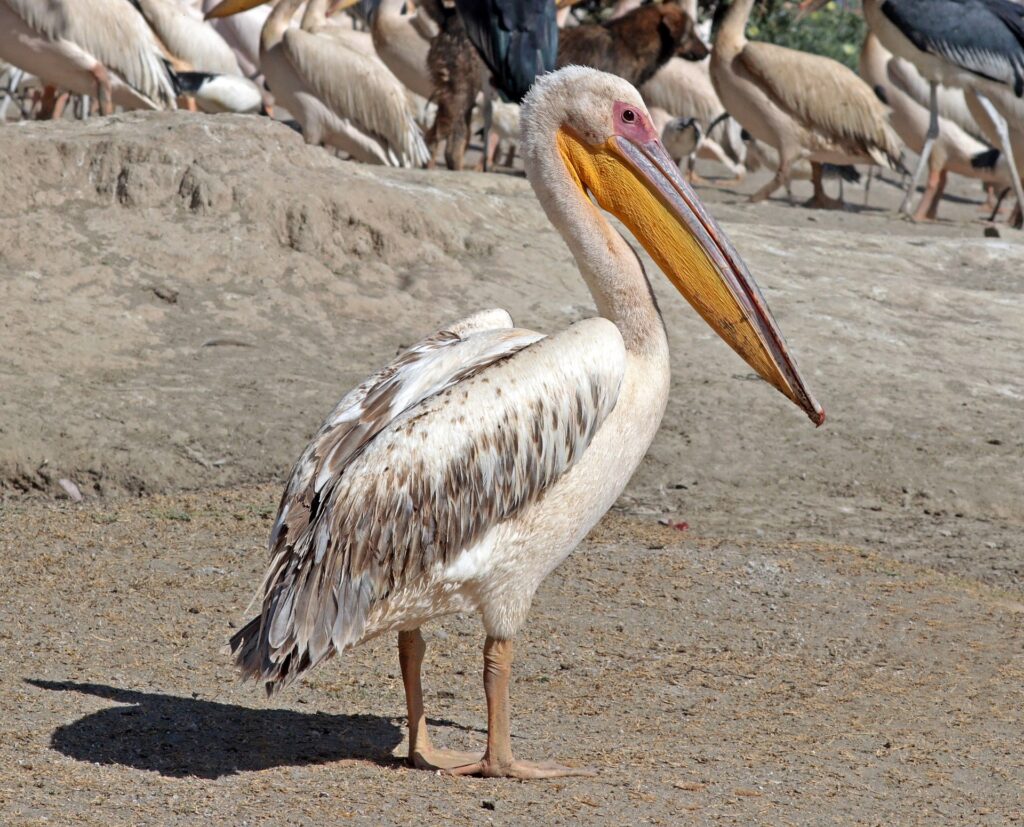
Great white pelicans fish as a team, swimming in a horseshoe formation to herd fish into shallow water before scooping them up together.
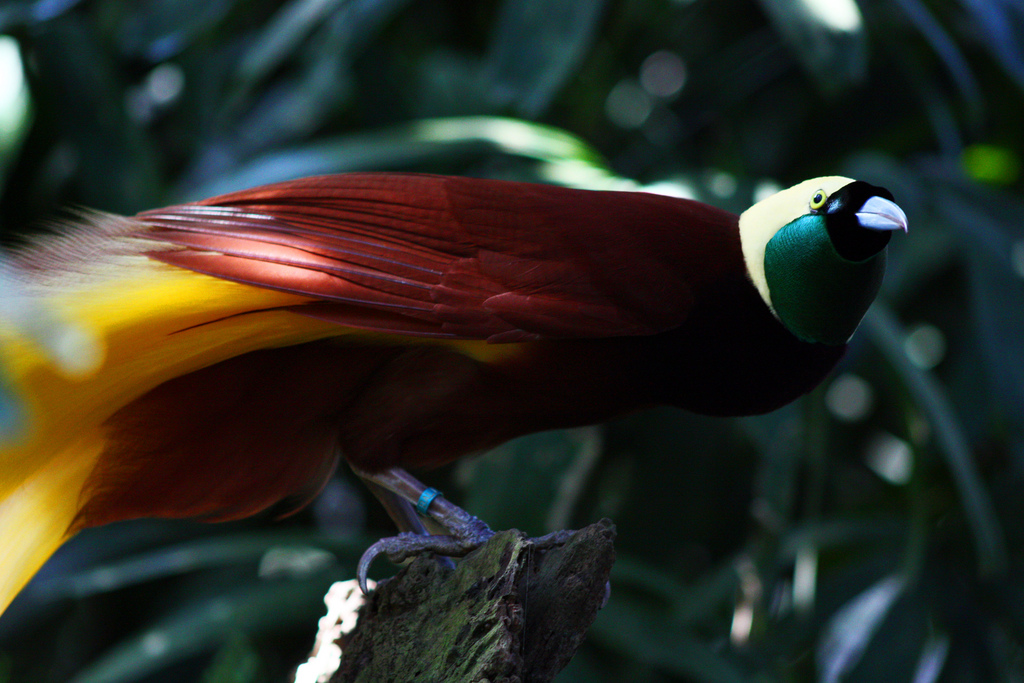
Its scientific name ‘apoda’ means ‘without feet’: the first skins brought to Europe in the 1500s had their feet removed, so Europeans believed the birds never landed.
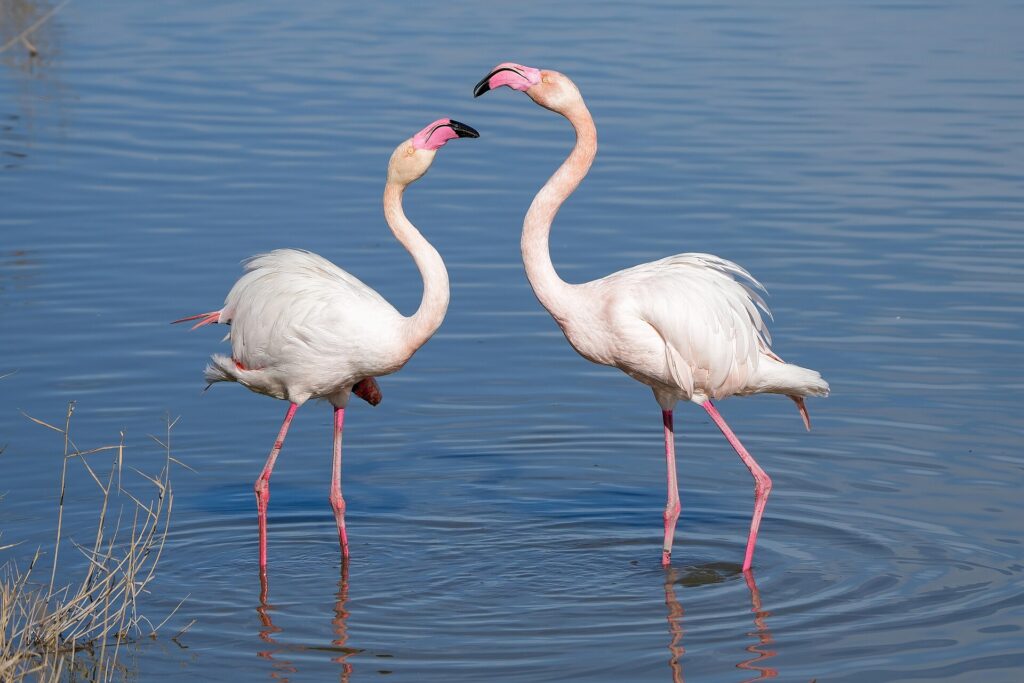
Flamingos are pink because of carotenoid pigments in the algae and shrimp they eat; chicks are born grey and white.
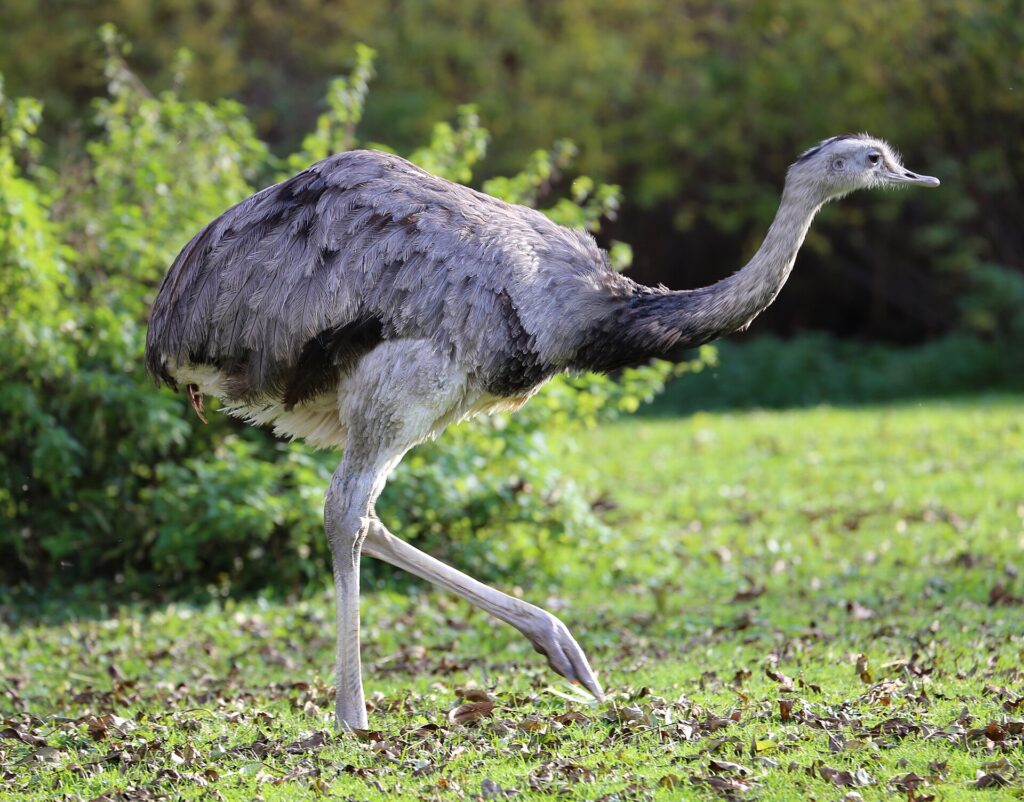
Male rheas incubate eggs laid by several females, sometimes guarding dozens of eggs in one nest and fiercely protecting the chicks.
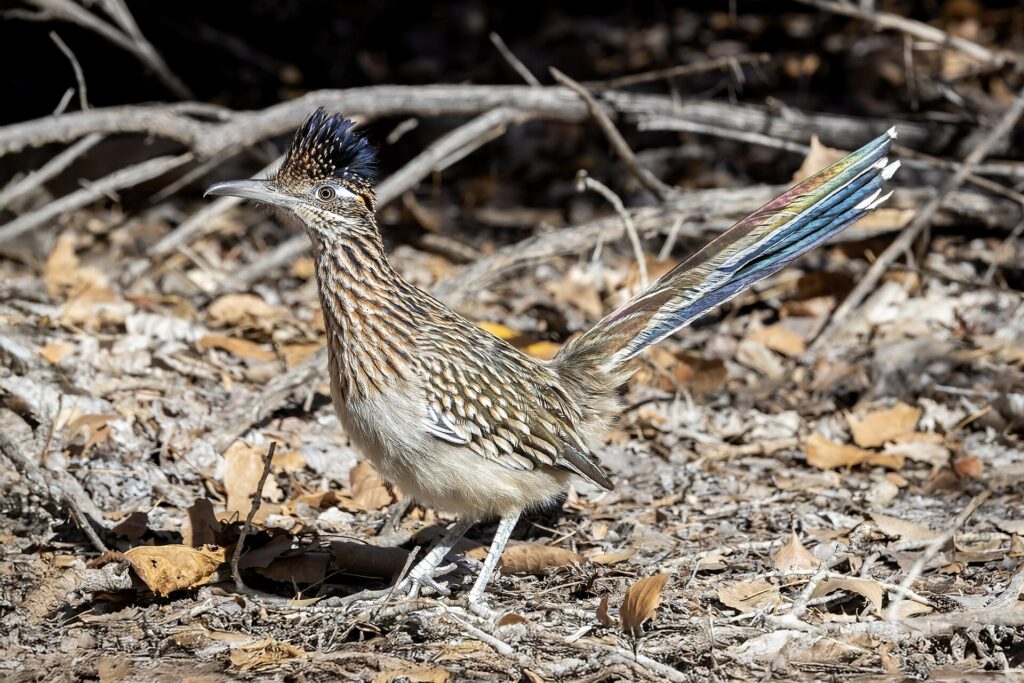
Roadrunners hunt rattlesnakes, grabbing them behind the head and bashing them against rocks, sometimes teaming up with a partner.
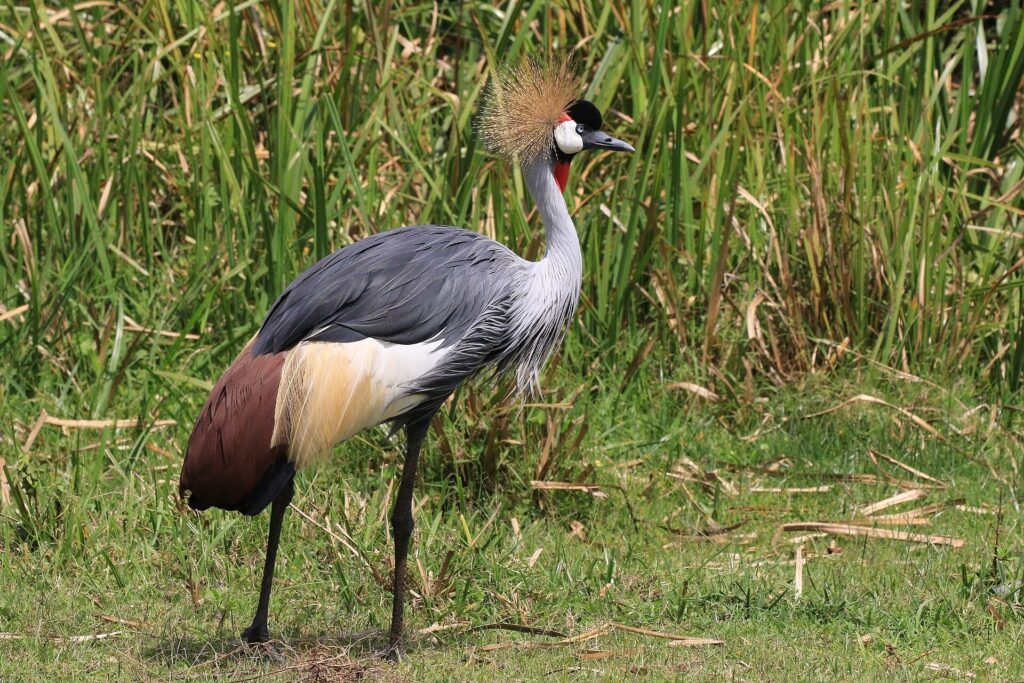
The grey crowned crane is one of only two crane species that can perch in trees, thanks to a long hind toe that grips branches.
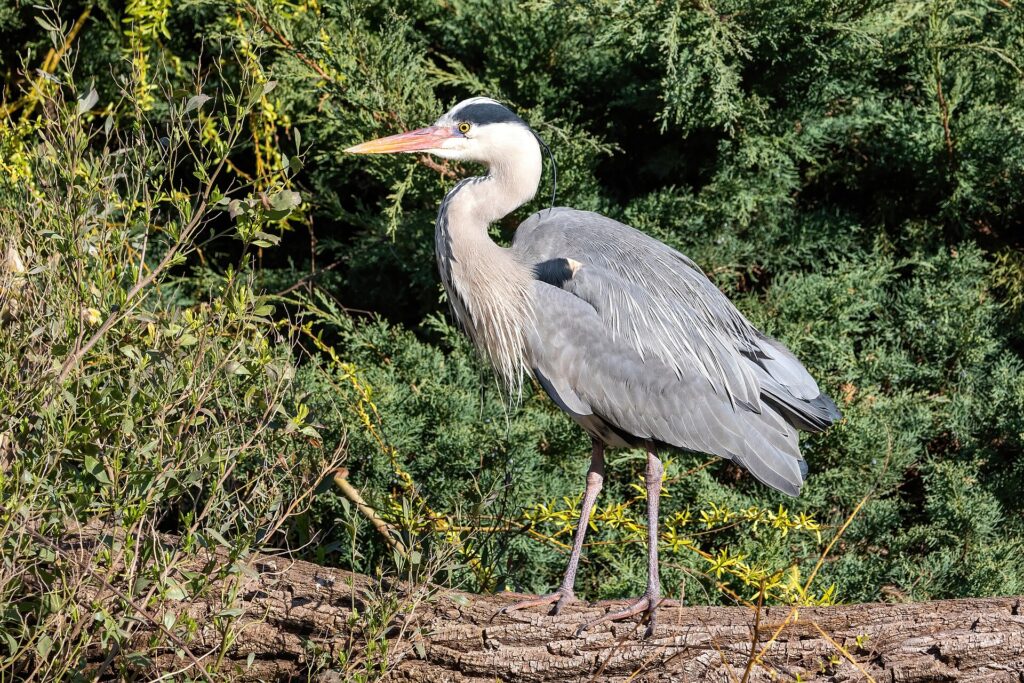
Britain’s Heronries Census has counted nesting grey herons since 1928, making it the longest-running census of breeding birds in the world.