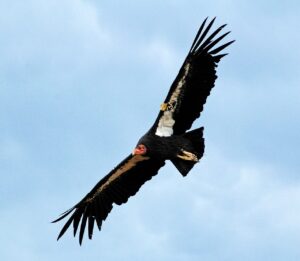
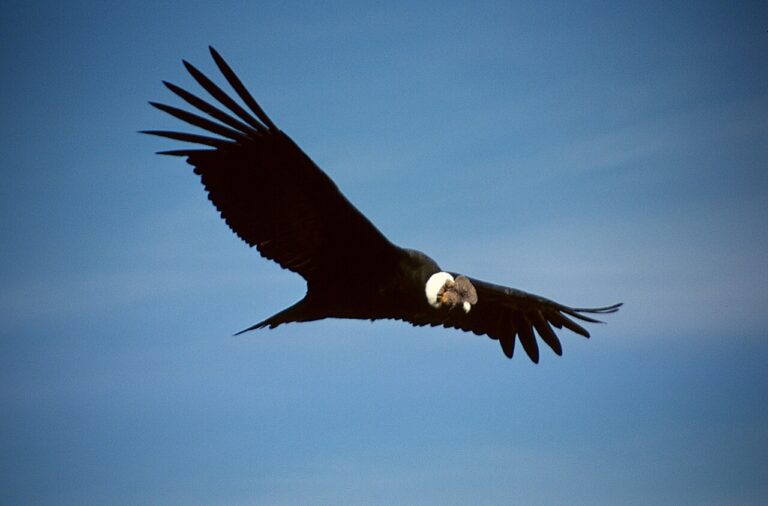
The Andean condor is a giant New World vulture of the mountains and coasts of western South America. It plays a vital role in cleaning up carcasses and is a powerful cultural symbol across the Andes.
Interesting facts
- It is one of the heaviest flying birds.
- Males have a fleshy comb on the head and are larger than females, unusually for birds of prey.
- It relies almost entirely on rising air currents to soar.
- It is a national symbol of several Andean countries.
- Condors lay a single egg every other year.
- Its bare head stays cleaner when feeding on carcasses.
Behaviour
Condors soar for hours on thermals and updrafts along ridges, searching for carcasses. They often roost communally on cliffs.
Breeding and young
Pairs nest on cliff ledges and lay a single egg, incubated by both parents for about two months. Young depend on their parents for over a year.
Threats and conservation
Poisoning (often from baits for predators), lead poisoning, shooting and slow reproduction.
Where to see it
- Colca Canyon, Peru
- Torres del Paine, Chile
- Quebrada de las Condoritas, Argentina
Status source: IUCN Red List. Profile last reviewed September 2026.
 Birding in Colombia: The World’s Birdiest Country
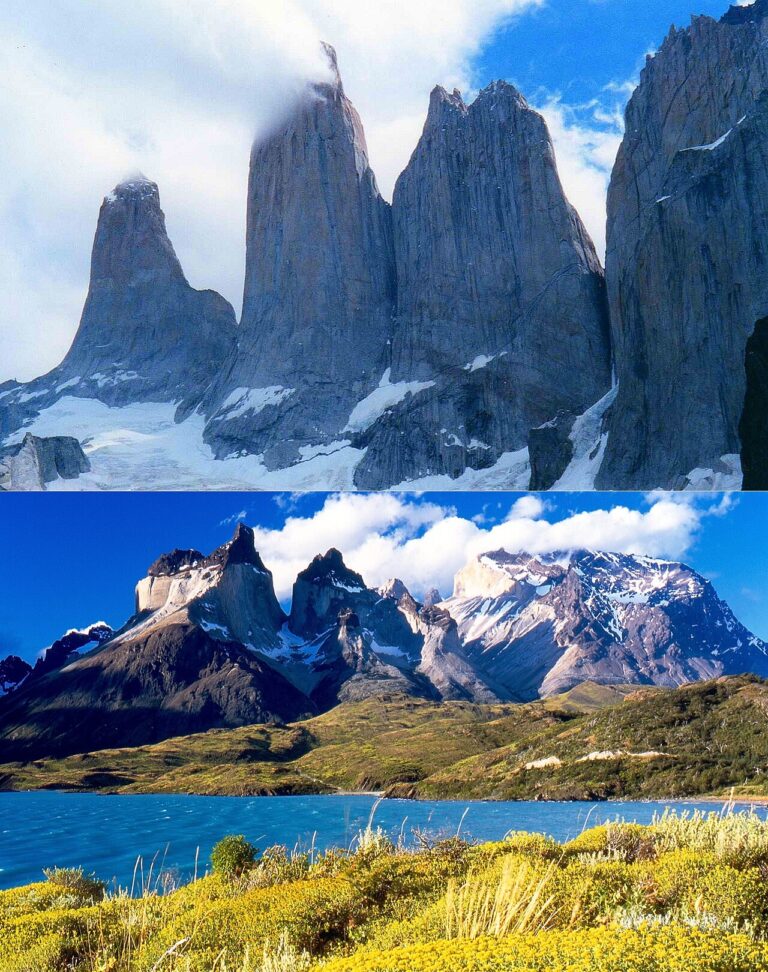 Puma Tracking in Torres del Paine