The American robin is a common thrush with a brick-red breast, found across North America. It is one of the first birds to sing at dawn and a familiar sight on lawns.
Interesting facts
- It is the largest thrush in North America.
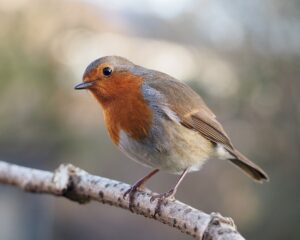
- European settlers named it after the European robin because of its orange-red breast.
- Its sky-blue eggs gave rise to the colour name ‘robin’s egg blue’.
- It is the state bird of Connecticut, Michigan and Wisconsin.
- The return of singing robins is a traditional sign of spring.
- Pesticide poisoning of robins was described in Rachel Carson’s book Silent Spring.
Behaviour
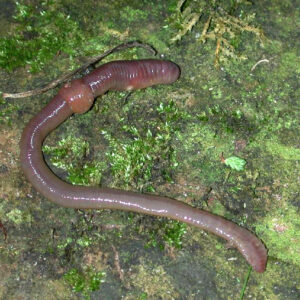
Robins hop across lawns hunting worms and insects. In winter, many form flocks that feed on berries, and some migrate south.
Breeding and young
Females build mud-lined cup nests and lay three to five blue eggs. Pairs often raise two or three broods a year.
Threats and conservation
The species is abundant. Pesticides, window collisions and cats kill many birds.
Where to see it
- Lawns, parks and gardens across North America
- Woodland edges and farmland
- Berry-laden trees in winter
- Almost any town in spring
Status source: IUCN Red List. Profile last reviewed September 2026.