Liuwa Plain National Park, in far western Zambia near the Angolan border, protects about 3,660 km² of vast, flat grassland dotted with palm islands and pans. With the first rains of November, tens of thousands of blue wildebeest arrive on the plains to graze and give birth, in what is often described as Africa’s second-largest wildebeest migration. Few people make the journey, so you may have this spectacle almost to yourself.
At a glance
| Best time | November to December (wildebeest) and April to June |
| Getting there | Light aircraft to Kalabo, or a long 4×4 drive via Mongu |
| Time needed | 3 to 4 nights |
| Big draws | Wildebeest migration, hyena clans, cheetahs, wild dogs, birds |
| Good for | Adventurous travellers, photographers, second safaris |
Wildlife
- Blue wildebeest: tens of thousands gather on the plains in the wet season. See our blue wildebeest profile.
- Spotted hyenas: Liuwa’s large, powerful clans are the dominant predators and are fascinating to watch. See our spotted hyena profile.
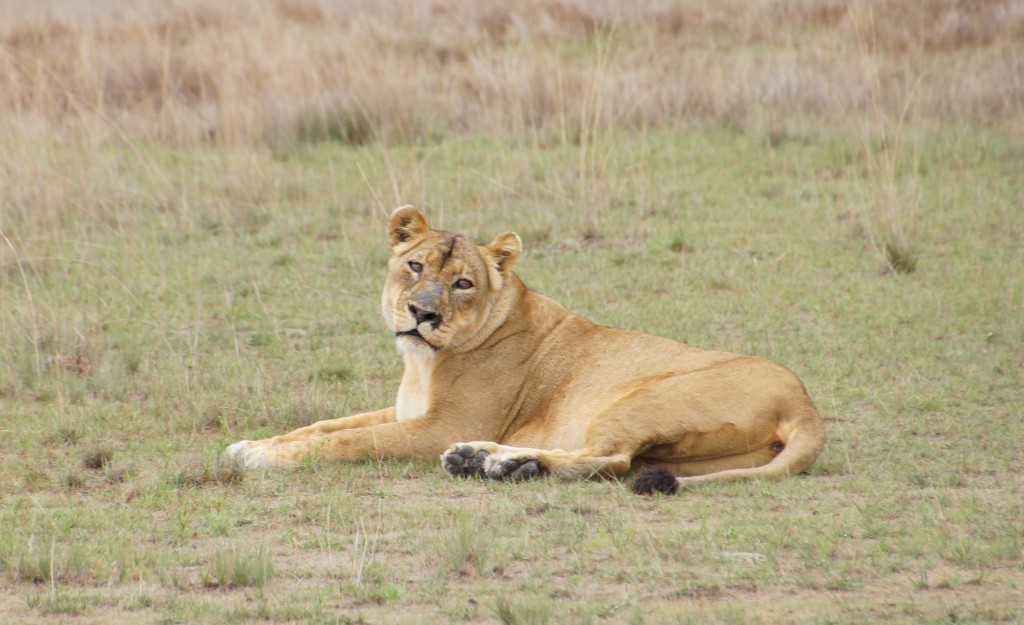
- Cheetahs, wild dogs and a small population of lions, rebuilt by reintroductions.
- Zebras, red lechwe, tsessebe and oribi.
- Birds: wattled cranes breed here, along with grey crowned cranes, secretary birds, pelicans and huge numbers of waterbirds in the rains.
Lady Liuwa
When African Parks began managing Liuwa in 2003, lions had been almost wiped out by hunting. A single lioness, known as Lady Liuwa, survived alone for years and famously sought the company of the park’s scouts. New lions were introduced from 2008, and she became part of a new pride before her death in 2017. Her story became a symbol of the park’s recovery.
People and the park
Liuwa is managed by African Parks in partnership with the Zambian government and the Barotse Royal Establishment, the traditional authority of the Lozi people. Several thousand people live inside the park, and their rights to fish and graze are part of its management.
When to go
- November to December: the wildebeest arrive and calve, with dramatic storm skies.
- April to June: as floods recede, the plains are green and full of birds.
- January to March: much of the park floods and is inaccessible.
- The park is typically open from about June to December; check current dates with the park.
Getting there
- By air: charter or scheduled light aircraft to Kalabo or the lodge airstrip.
- By road: from Mongu, a new road and bridge now link to Kalabo, from where tracks cross the park. A 4×4 and self-sufficiency are essential.
Where to stay
A small luxury lodge operates inside the park, along with community-run campsites for self-drivers.
Frequently asked questions
How many wildebeest are in Liuwa? Tens of thousands. Counts vary, but it is considered the second-largest wildebeest migration in Africa after the Serengeti–Mara.
When is the best time to see the migration? November and early December, when the herds arrive with the rains and give birth.
Is Liuwa hard to reach? It is remote. Most visitors fly; self-drivers need a well-equipped 4×4 and experience.
Are there lions in Liuwa? Yes, a small population rebuilt through reintroductions, though hyenas are the dominant predators.
Related guides
- Kasanka bat migration
- Serengeti Great Migration month by month
- South Luangwa walking safaris
- Animal profiles: Blue wildebeest, Spotted hyena, Cheetah
Cover photo: Jonchwalker, CC BY-SA 3.0, via Wikimedia Commons