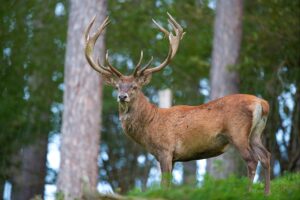
The elk, or wapiti, is one of the largest deer species in the world, found in North America and East and Central Asia. Its autumn bugling and antler clashes are among the best-known wildlife spectacles in the Rocky Mountains.
Interesting facts
- ‘Wapiti’ comes from a Shawnee and Cree word meaning ‘white rump’.
- Bulls make a high-pitched call called a bugle during the autumn rut.
- Antlers are shed every winter and regrown each spring and summer.
- Elk were once thought to be the same species as the European red deer.
- In Europe, the word ‘elk’ usually means the moose, which causes confusion.
- Elk were reintroduced to the Great Smoky Mountains in 2001, over 200 years after they disappeared there.
Behaviour
Elk live in herds that separate by sex for much of the year. In autumn, bulls gather harems of cows, bugle to advertise themselves and fight rivals. Many herds migrate between summer mountain pastures and lower winter ranges.
Breeding and young
Cows give birth to a single spotted calf in late spring after a gestation of about eight months. Calves hide in vegetation for the first weeks while their mothers feed nearby.
Threats and conservation
Elk are widespread and abundant in North America. Local threats include habitat loss, fences blocking migration routes, chronic wasting disease and poaching in parts of Asia.
Where to see it
- Yellowstone National Park, USA, especially Mammoth Hot Springs in autumn
- Rocky Mountain National Park, Colorado
- Banff and Jasper national parks, Canada
- Great Smoky Mountains National Park (Cataloochee Valley)
Status source: IUCN Red List. Profile last reviewed September 2026.
Where to see the elk (wapiti)
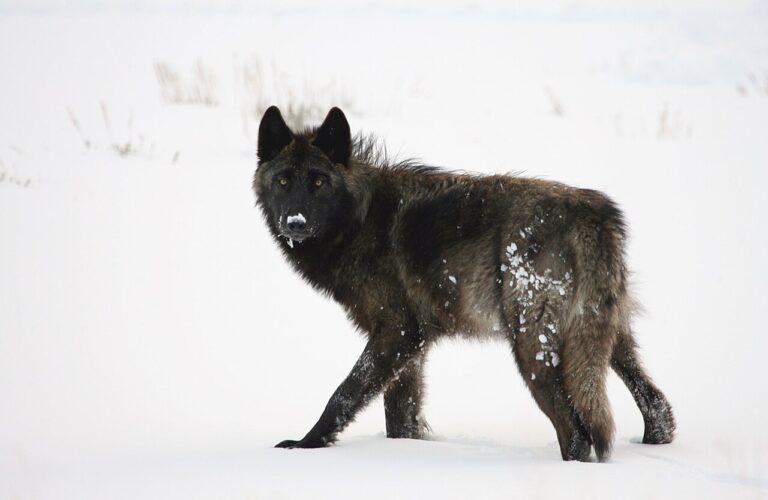 Wolf Watching in Yellowstone’s Lamar ValleyYellowstone's Lamar Valley is the best place in the world to watch wild wolves. How to find them,…
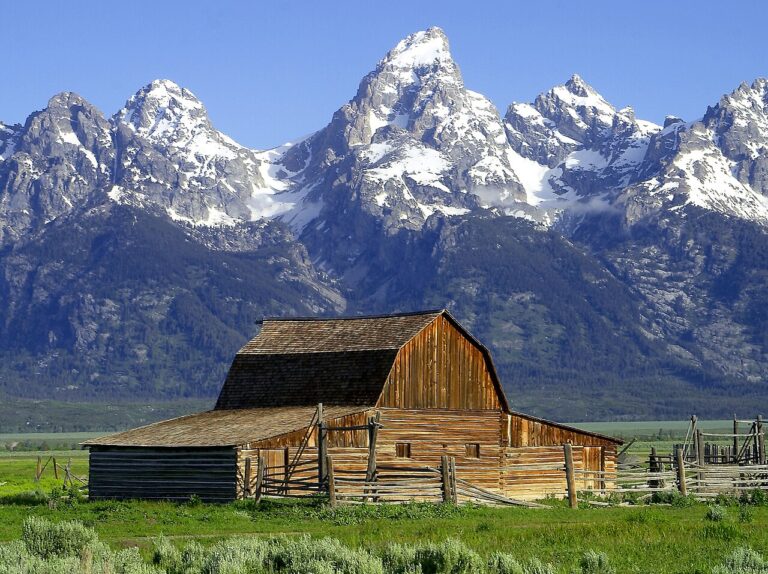 Grand Teton Wildlife GuideBeneath the jagged Tetons, moose, bears, bison and pronghorn share the valley of Jackson Hole. Where and when…
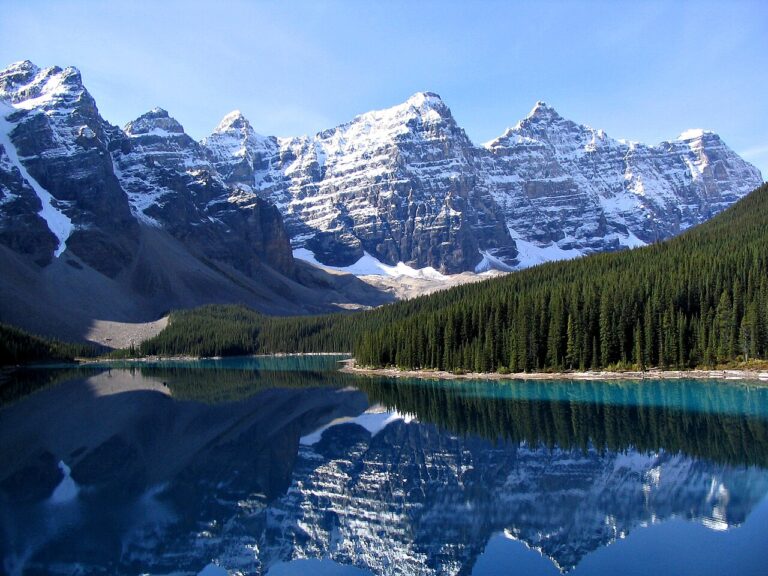 Banff and Jasper Wildlife GuideThe Canadian Rockies combine turquoise lakes with bears, elk and mountain goats. Where to look along the Icefields…