Wildlife trips often take you to remote places far from good hospitals: a safari camp in the Okavango, a gorilla trek in Bwindi, an expedition ship in Antarctica. Good travel insurance is essential. This guide explains what to look for. It is general information; always read policy wording carefully and ask insurers if you are unsure.
Essential cover
- Emergency medical treatment: a high limit, as private treatment abroad is expensive.
- Emergency evacuation and repatriation: including helicopter or air ambulance from remote areas. This is vital for safaris and essential for polar trips; some Antarctic operators require a specific minimum amount of evacuation cover.
- Trip cancellation and interruption: safaris and expeditions are expensive and often paid in advance.
- Activities: check that game drives, walking safaris, gorilla trekking, hiking at altitude, snorkelling, diving (with depth limits), kayaking and zip-lining are covered.
- Baggage and equipment: cameras, lenses and binoculars may need extra cover.
Special cases
- Polar expeditions: confirm cover for Antarctica or the Arctic, and the operator’s minimum evacuation amount.
- Diving: check maximum depths and consider specialist dive insurance.
- Altitude: treks above certain heights may need extra cover.
- Pre-existing conditions: declare them; failing to do so can void a policy.
Air ambulance memberships
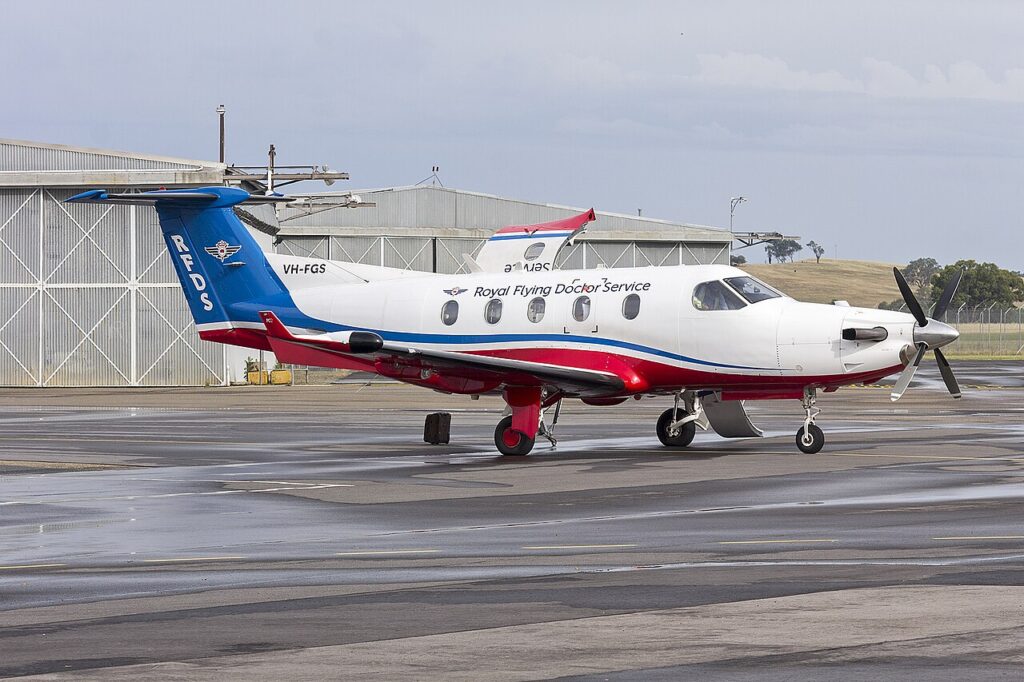
In East Africa, some travellers add a membership with a local air ambulance service, which evacuates from remote parks to a hospital in the capital. It complements, but does not replace, travel insurance.
Common exclusions
- Activities not listed in the policy.
- Travel to countries or regions where your government advises against travel.
- Injuries related to alcohol or ignoring safety advice.
- Unattended belongings.
- Known events (such as a declared strike or natural disaster) before you bought the policy.
Tips
- Buy insurance when you book, so cancellation cover starts immediately.
- Keep policy documents and emergency numbers with you and share them with your operator.
- Check whether your credit card or existing policy covers your trip, and what its limits are.
- Read the policy wording, not just the summary.
Frequently asked questions
Do I need travel insurance for a safari? Yes. Most operators require it, and medical evacuation from remote areas can be very expensive.
Does travel insurance cover gorilla trekking? Many policies do, but check that hiking and trekking activities are included.
What evacuation cover do I need for Antarctica? Check your operator’s requirements, which often specify a minimum amount of emergency evacuation cover.
Should I insure my camera gear? If it is valuable, check limits and consider specialist gadget or equipment cover.
Related guides
- Health and vaccinations for wildlife travel
- First African safari planning guide
- Choosing an Antarctica expedition ship
- Animal profile: Mountain gorilla
Cover photo: Bidgee, CC BY-SA 3.0 au, via Wikimedia Commons