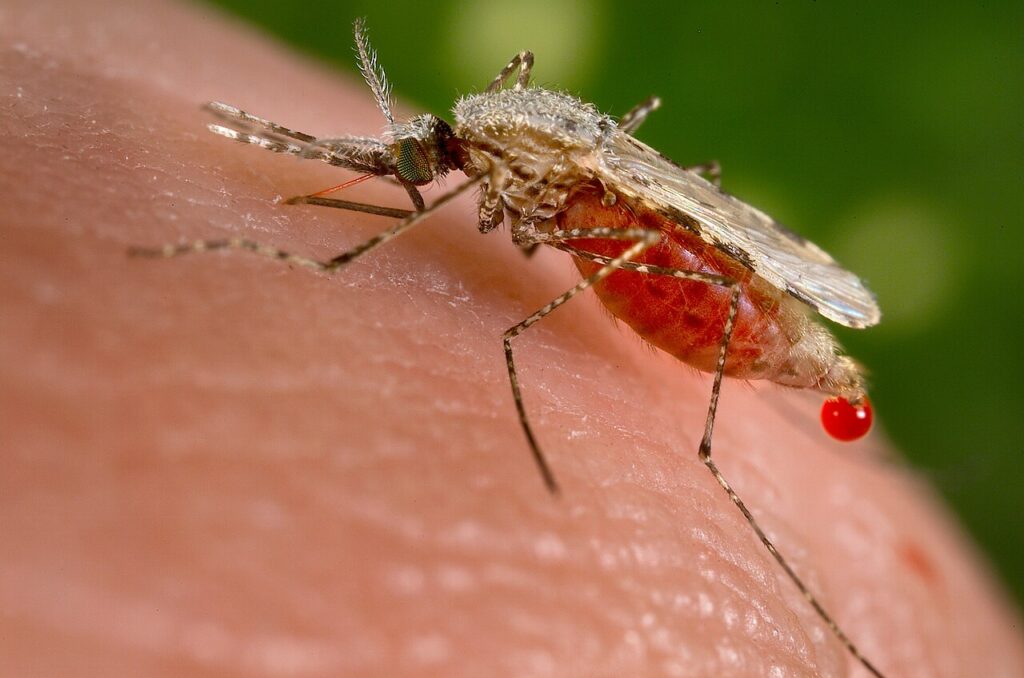
A little preparation keeps you healthy on safari, in the rainforest or at altitude. This guide covers the main topics to discuss with a doctor or travel health clinic. It is general information, not medical advice: always get personalised advice six to eight weeks before you travel, based on your health, your destinations and current guidance.
Visit a travel clinic early
Book an appointment six to eight weeks before departure. Some vaccines need several doses or time to take effect. Bring your itinerary and vaccination record.
Vaccinations to discuss
- Routine vaccines: make sure tetanus, diphtheria, polio, measles and others are up to date.
- Hepatitis A and typhoid: often recommended for travel in Africa, Asia and South America.
- Yellow fever: required or recommended for parts of Africa and South America. Some countries require a certificate if you arrive from a country with yellow fever risk, and some require it for all travellers. Check entry rules carefully.
- Rabies: consider pre-exposure vaccination for long trips, remote areas, or work with animals.
- Hepatitis B, meningitis (for parts of the Sahel “meningitis belt”), cholera and Japanese encephalitis (parts of Asia) may be recommended depending on your trip.
- COVID-19 and influenza: gorilla and chimpanzee trekking operators may ask about your health, and some require vaccination or masks to protect primates.
Malaria
Malaria is present in many safari and rainforest destinations, including much of sub-Saharan Africa, parts of Asia and the Amazon.
- Avoid bites: use repellent containing DEET, picaridin or IR3535; wear long sleeves and trousers at dusk; sleep under nets or in screened rooms.
- Antimalarial medication: your doctor will advise which tablets suit you and your destination.
- Know the symptoms: fever, chills and flu-like illness, even months after returning home. Seek medical help urgently and mention your travel.
- Consider malaria-free safari areas if you prefer to avoid medication, for example with young children.
Other insect-borne diseases
Dengue, chikungunya and Zika are spread by day-biting mosquitoes in parts of the tropics. Tsetse flies (sleeping sickness) occur in some African parks; wear neutral colours. Ticks can transmit tick-bite fever; check yourself after bush walks.
Rabies and animal bites
Never touch wild animals, including monkeys, dogs and bats. If you are bitten or scratched, wash the wound for 15 minutes with soap and water and seek medical care immediately, even if you have been vaccinated.
Altitude
Treks in the Himalayas, Andes and Ethiopian highlands can cause altitude sickness. Ascend gradually, drink water and descend if symptoms worsen. Ask your doctor about medication.
Food and water
Drink bottled or treated water where tap water is unsafe, and be cautious with raw food. Lodges on established safaris usually have high standards.
Travel medical kit
- Personal medications (in original packaging) and prescriptions
- Antimalarials if prescribed
- Insect repellent and bite cream
- Rehydration salts and anti-diarrhoea medication
- Plasters, antiseptic and blister care
- Sunscreen and lip balm
- Seasickness remedies for boat trips
Travel insurance
Choose insurance that covers medical treatment and emergency evacuation from remote areas. See our travel insurance guide.
Frequently asked questions
Do I need a yellow fever vaccination for a safari? It depends on the country and your route. Some countries require a certificate; check with a travel clinic and official entry requirements.
Should I take malaria tablets on safari? In malaria areas, most travellers are advised to take antimalarials as well as avoiding bites. Ask your doctor.
Can I go gorilla trekking if I have a cold? No. Anyone with a cold, flu or other infectious illness should not trek, because gorillas can catch human diseases.
When should I see a travel clinic? Six to eight weeks before departure.
Related guides
- First African safari planning guide
- Travel insurance for wildlife and adventure trips
- Safari packing list
- Animal profile: Mosquito
Cover photo: Jim Gathany, Public domain, via Wikimedia Commons