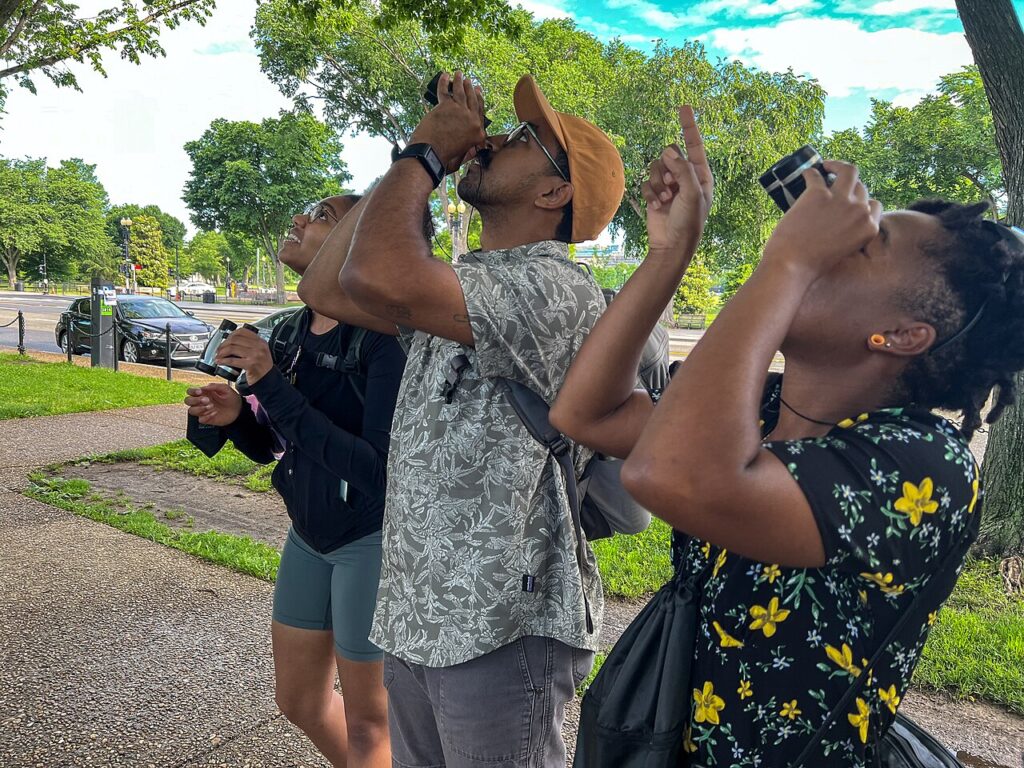
Every sighting you make on a wildlife trip is a piece of data. Recorded properly, it can help scientists understand where species live, how populations are changing and how climate change and habitat loss are affecting them. Citizen science platforms such as eBird and iNaturalist have made this easy, and millions of people now contribute.
Why your sightings matter
- Scientists use citizen science data to map species ranges, track migration and detect declines.
- Records from rarely visited places, such as remote parks and less-surveyed countries, are especially valuable.
- Data flow into global databases such as the Global Biodiversity Information Facility (GBIF), used in research and conservation planning.
eBird (birds)
Run by the Cornell Lab of Ornithology, eBird is the world’s largest bird database.
- Download the eBird app and create an account.
- Start a checklist when you begin birding; record the time, distance and number of people.
- Enter every species you identify and how many individuals.
- Mark it a complete checklist if you reported everything you could identify; this makes the data much more useful.
- Add photos or sound recordings for rare species.
eBird also helps you plan trips: hotspot maps and bar charts show which species are present where and when.
iNaturalist (all wildlife)
A joint initiative of the California Academy of Sciences and National Geographic Society, iNaturalist covers all living things.
- Photograph an animal, plant or fungus.
- Upload it with the location and date; the app suggests identifications using image recognition.
- Other users confirm identifications; when two or more agree, a record becomes “research grade” and is shared with GBIF.
Local and national schemes
- Bird atlases: many countries run atlases that map breeding and wintering birds, often using eBird or their own portals.
- National recording schemes: for example, butterfly and mammal surveys in many countries.
- Researcher projects: some parks and research groups ask visitors to send photos of individually recognisable animals, such as leopards, whale flukes or whale sharks.
Good recording practice
- Record accurate locations and dates.
- Only record what you are confident about; use “spuh” or genus level if unsure.
- Photograph distinguishing features.
- Protect sensitive species: both platforms obscure locations of threatened species, but avoid sharing precise locations of nests, rhinos or other vulnerable wildlife publicly.
Frequently asked questions
Is eBird or iNaturalist better? eBird is designed for birds and standardised checklists; iNaturalist covers all life and works from photos. Many naturalists use both.
Can beginners contribute? Yes. iNaturalist’s community helps with identification, and eBird accepts partial checklists.
Do my holiday records really help? Yes, especially from places with few observers.
Are my records used by scientists? Research-grade iNaturalist records and eBird data are widely used in scientific studies.
Related guides
- Birdwatching in Nepal
- Birding in Colombia
- Ecological field methods
- Animal profiles: Bengal florican, Barn swallow, Monarch butterfly
Cover photo: Dara Miles Wilson, CC BY-SA 4.0, via Wikimedia Commons