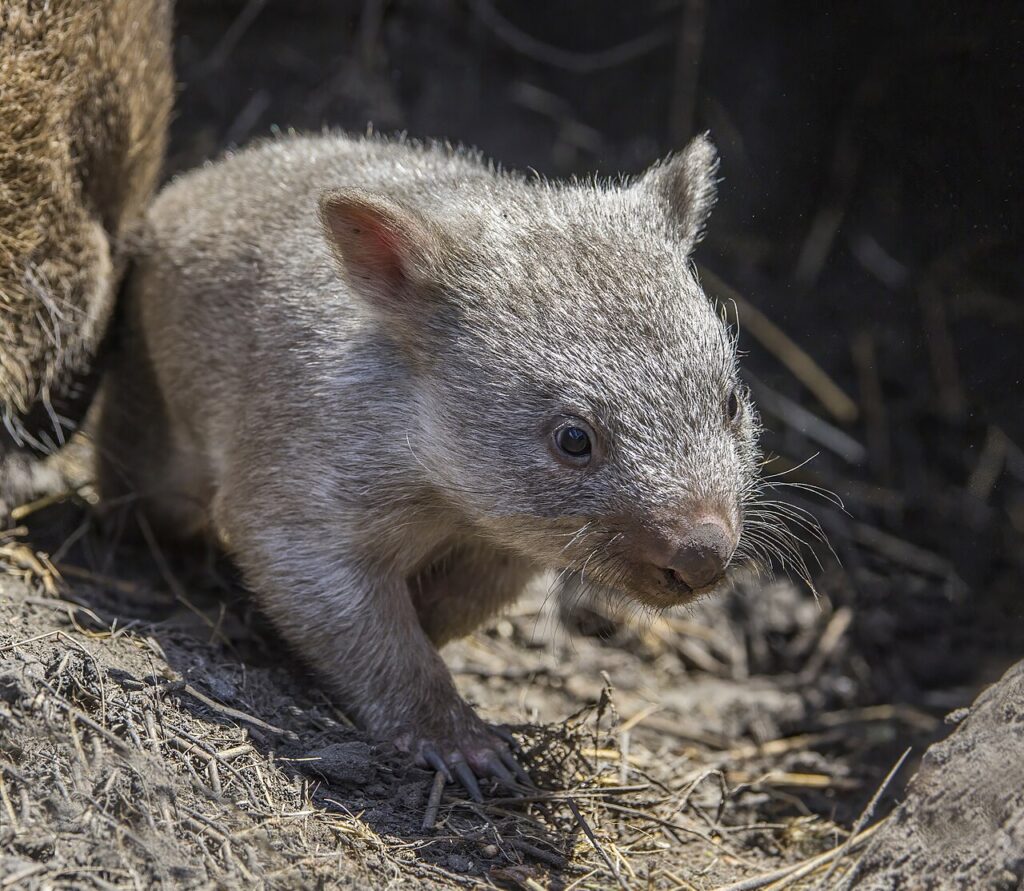
Tasmania, the island state off Australia’s south-east coast, is a haven for wildlife. It was separated from the mainland thousands of years ago and has escaped many of the introduced predators, such as foxes, that devastated mainland species. As a result, it has healthy populations of animals that are rare or gone elsewhere, including the Tasmanian devil, eastern quoll and Tasmanian pademelon.
At a glance
| Best time | Year-round; October to April is warmer |
| Getting there | Fly to Hobart or Launceston, or take the ferry from Melbourne |
| Time needed | 7 to 14 days |
| Big draws | Wombats, Tasmanian devils, platypuses, quolls, penguins |
| Good for | Road trips, hikers, families, photographers |
Where to see wildlife
Maria Island
A car-free island off the east coast, often called Tasmania’s “Noah’s Ark”. Common wombats graze openly in daylight around the historic settlement of Darlington, alongside Forester kangaroos, Bennett’s wallabies and Cape Barren geese. A disease-free population of Tasmanian devils was established here as an insurance population. See our common wombat profile.
Cradle Mountain–Lake St Clair National Park
Wombats, pademelons and echidnas around Ronny Creek and the visitor centre, especially at dusk. Devils and quolls are sometimes seen at night.
Narawntapu National Park
Called the “Serengeti of Tasmania” for its abundant Forester kangaroos, wombats and wallabies at dusk.
Mount Field National Park
Platypuses in the creeks near the visitor centre, tall eucalyptus forests and waterfalls.
Bruny Island
White wallabies, little penguins, short-tailed shearwaters and the endangered forty-spotted pardalote.
Tasmanian devils
- The Tasmanian devil is the world’s largest surviving carnivorous marsupial. See our Tasmanian devil profile.
- Since the 1990s, devil facial tumour disease, a contagious cancer, has killed a large majority of devils in the wild. Insurance populations, breeding programmes and research aim to save the species.
- Wild devils are elusive; the best chances are on night tours in the north-west (such as near Cradle Mountain) or at sanctuaries that support conservation.
Other wildlife
- Platypuses and echidnas. See our platypus profile.
- Eastern and spotted-tailed quolls on night tours.
- Little penguins at colonies such as Bicheno and Low Head (guided tours at dusk).
- Whales: southern right and humpback whales off the coast from about May to November.
- Endemic birds: 12 species found only in Tasmania, including the green rosella and Tasmanian nativehen.
Night-spotting tips
- Drive slowly at dusk and after dark: roadkill is a major threat to Tasmanian wildlife.
- Use a red-filtered torch on night walks.
- Join a guided night tour for devils and quolls.
When to go
- October to April: warmer weather, long days, baby animals.
- May to September: cold and wet, but fewer visitors, whales on the coast and wombats active in daylight.
Frequently asked questions
Where is the best place to see wombats in Tasmania? Maria Island and Cradle Mountain.
Can I see Tasmanian devils in the wild? It is possible on night tours in the north-west, but sightings are not guaranteed.
Where can I see a platypus in Tasmania? Mount Field National Park, the Tasmanian Arboretum near Devonport and Warrawee Forest Reserve near Latrobe.
How long do I need? At least a week for the main wildlife areas; two weeks to explore properly.
Related guides
- Where to see a platypus in the wild
- Kangaroo Island wildlife guide
- Australia wildlife itinerary: 3 weeks
- Animal profiles: Tasmanian devil, Common wombat, Platypus
Cover photo: Charles J. Sharp, CC BY-SA 4.0, via Wikimedia Commons