The Tasmanian devil is a stocky, noisy scavenger found only in Tasmania. Its population has been devastated by devil facial tumour disease, which spreads through bites and has caused declines of around 80 percent or more in many areas.
Interesting facts
- The Tasmanian devil is the largest surviving carnivorous marsupial.
- Its screeches and growls at carcasses earned it its name from European settlers.
- Devils eat almost everything of a carcass, including bones and fur.
- Their ears turn red when they are stressed.
- Devil facial tumour disease, a contagious cancer, was first seen in 1996.
- Devils disappeared from mainland Australia around 3,000 years ago.
Behaviour
Devils are solitary and nocturnal, travelling long distances at night to find food. Several may gather at a carcass, where they establish dominance with loud displays.
Breeding and young
Females give birth to as many as 20 to 30 tiny young, but they have only four teats, so only a few survive. Young stay in the pouch for about four months.
Threats and conservation
Devil facial tumour disease, road traffic and habitat loss. Insurance populations have been established, including on Maria Island.
Where to see it
- Cradle Mountain, Tasmania
- Maria Island, Tasmania
- Narawntapu National Park, Tasmania
- Devils@Cradle sanctuary (captive)
Status source: IUCN Red List. Profile last reviewed September 2026.
Where to see the tasmanian devil
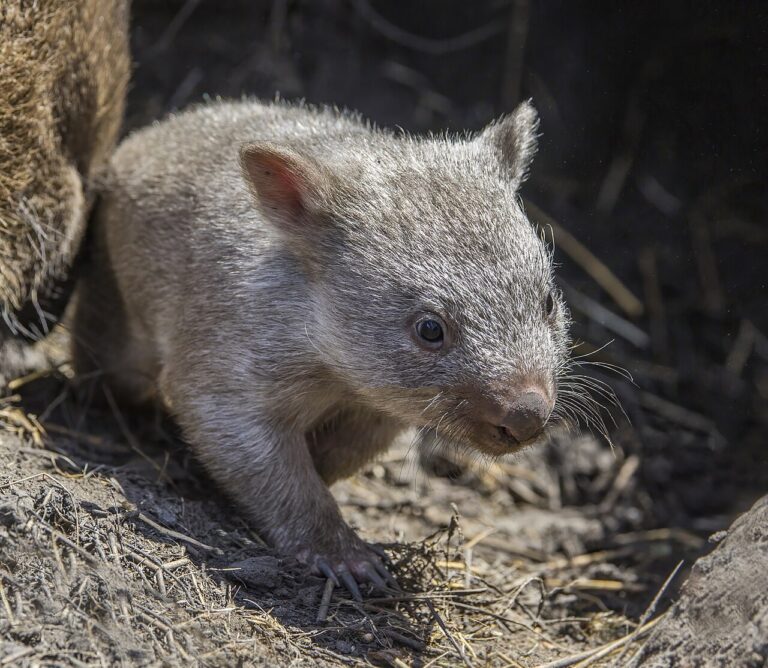 Tasmania Wildlife Guide: Devils, Wombats and PlatypusesTasmania is one of the best places in Australia for wildlife, with devils, wombats, quolls and platypuses. Where…
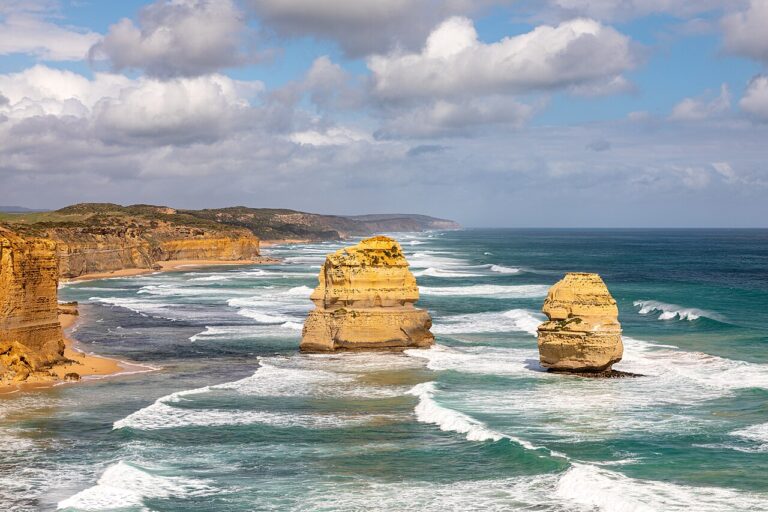 Australia Wildlife Itinerary: 3 Weeks Coast to OutbackA three-week route through Australia's best wildlife regions, from reef and rainforest to koalas, kangaroos and Tasmanian devils.