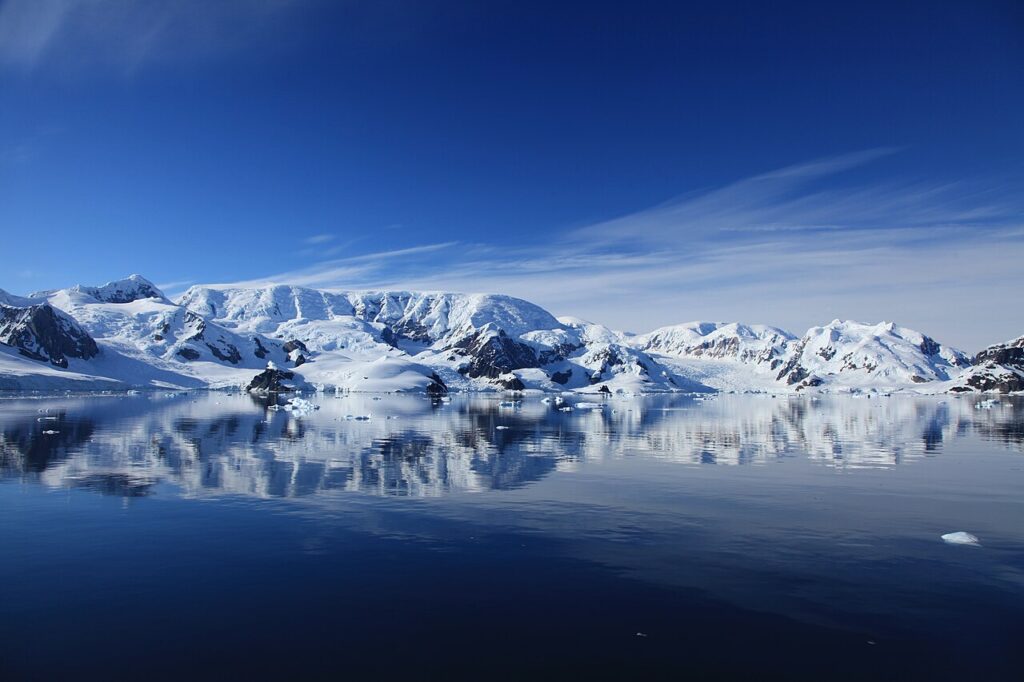
Packing for the polar regions is simpler than many people expect. Summer temperatures on the Antarctic Peninsula and in the Arctic are often around -5 to +5°C, but wind, spray and long hours outdoors on zodiacs make proper layers essential. Most expedition ships provide waterproof boots and a parka, so you can focus on the layers underneath.
What the ship usually provides
Check with your operator, but many provide:
- An expedition parka (often yours to keep)
- Rubber muck boots for wet landings (on loan)
- Life jackets for zodiac trips
- Walking poles
Layering system
| Layer | What to bring |
|---|---|
| Base layer | 2 to 3 sets of thermal tops and leggings (merino wool or synthetic, not cotton) |
| Mid layer | A fleece jacket and/or a light down or synthetic insulated jacket |
| Outer layer | Waterproof, breathable jacket (if no parka is provided) and waterproof trousers, essential for zodiac spray |
Accessories
- Warm hat covering the ears, and a neck gaiter or buff
- Gloves: thin liner gloves for photography, plus warm waterproof outer gloves or mittens
- Warm socks: several pairs of wool socks, including thick ones for boots
- Sunglasses with UV protection (snow and ice reflect intense light)
- Sunscreen (SPF 30 or higher) and lip balm with SPF
Onboard clothing
Casual, comfortable clothes for the ship, slippers or indoor shoes, and a swimsuit if you plan a polar plunge or the ship has a hot tub.
Health and comfort
- Seasickness remedies (patches, tablets or bands), especially for the Drake Passage.
- Personal medications and a basic first-aid kit.
- Moisturiser: the air is very dry.
- An eye mask for the midnight sun.
Camera and optics
- Camera with spare batteries (cold drains them fast) and plenty of memory cards.
- A zoom lens (for example 100 to 400 mm) for wildlife and a wide lens for landscapes.
- A dry bag for zodiac trips.
- Binoculars: essential for whales and birds. See our binoculars guide.
Documents and extras
- Passport, travel insurance with emergency evacuation cover, and copies of documents. See our travel insurance guide.
- A small daypack.
- A reusable water bottle.
What not to bring
- Cotton base layers (they stay wet and cold).
- Too many clothes: you will wear the same layers most days, and laundry is often available.
- Anything that could introduce seeds or soil: clean your gear before travel to meet biosecurity rules.
Frequently asked questions
How cold is Antarctica in summer? On the Peninsula, usually around -5 to +5°C, though wind chill can make it feel much colder.
Do I need special boots? Most ships provide waterproof rubber boots for landings. Bring warm socks.
Should I bring waterproof trousers? Yes. They are essential for zodiac trips, as spray is common.
Can I buy gear in Ushuaia? Yes, but it is often more expensive and choice is limited; bring essentials from home.
Related guides
- Choosing an Antarctica expedition ship
- Antarctica expedition cruise guide
- Safari packing list
- Animal profiles: Emperor penguin, Polar bear, Leopard seal
Cover photo: Liam Quinn from Canada, CC BY-SA 2.0, via Wikimedia Commons