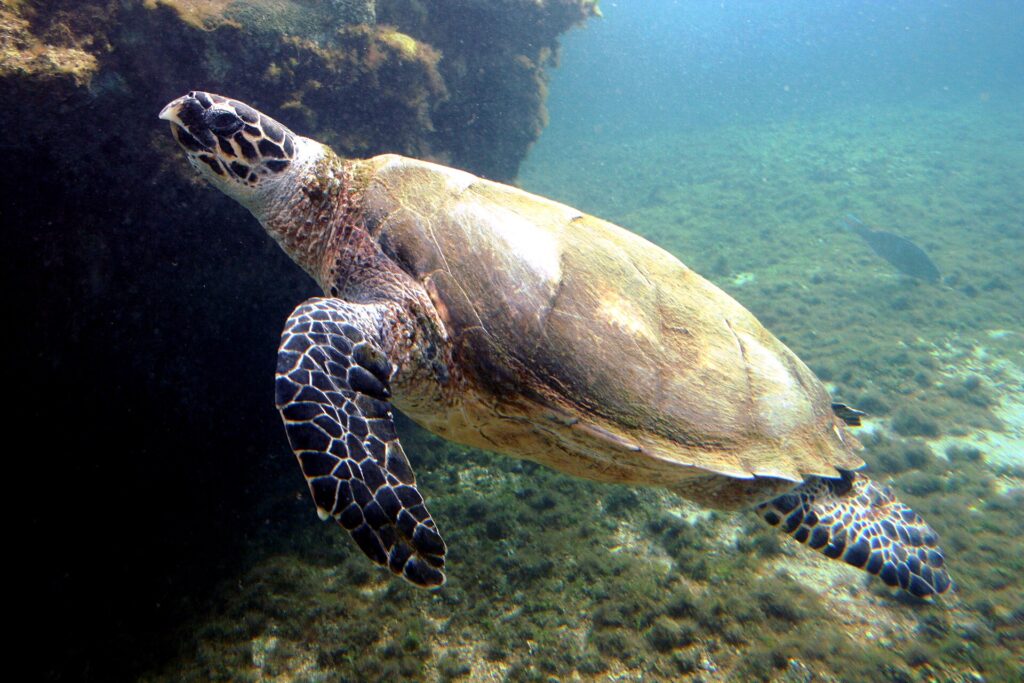
Hawksbill Sea Turtle
Hawksbills eat sponges full of glass-like spikes that would harm most animals, and by doing so they help keep coral reefs healthy.
Hawksbills eat sponges full of glass-like spikes that would harm most animals, and by doing so they help keep coral reefs healthy.
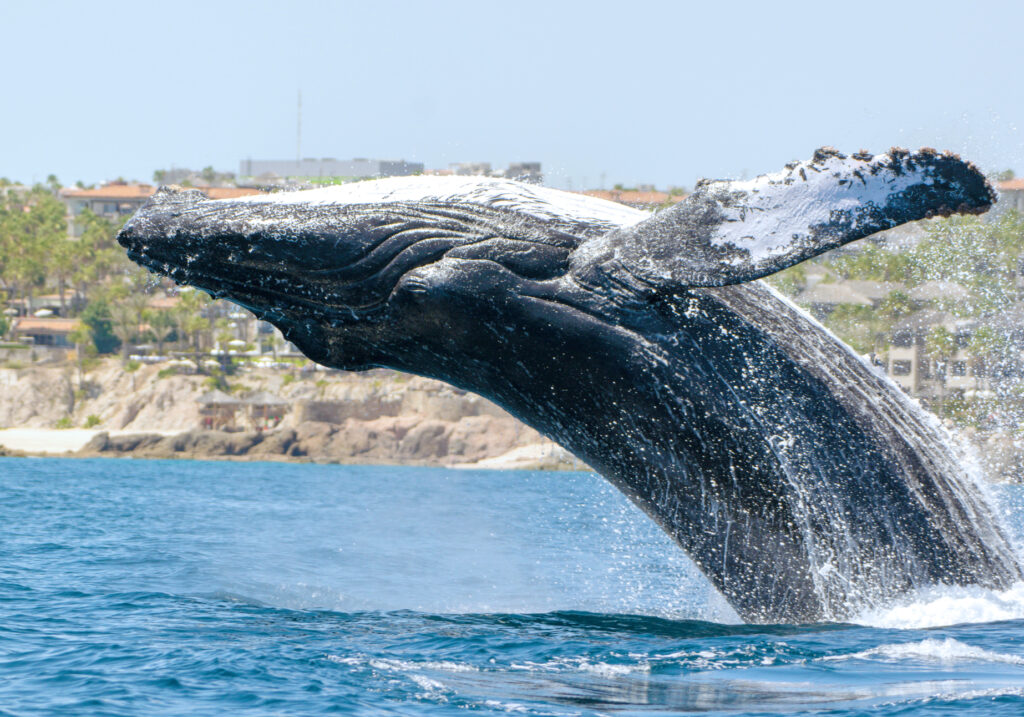
Male humpbacks sing complex songs that can last up to 20 minutes, and whole populations change their song over time as new versions spread.
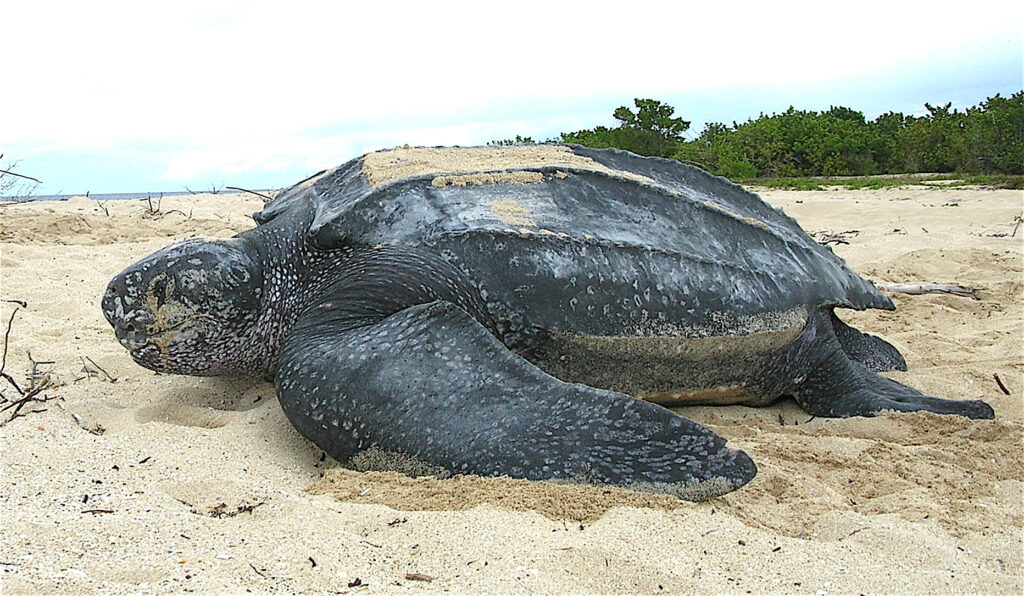
The leatherback is the largest turtle on Earth and can dive deeper than 1,200 metres, deeper than any other reptile.
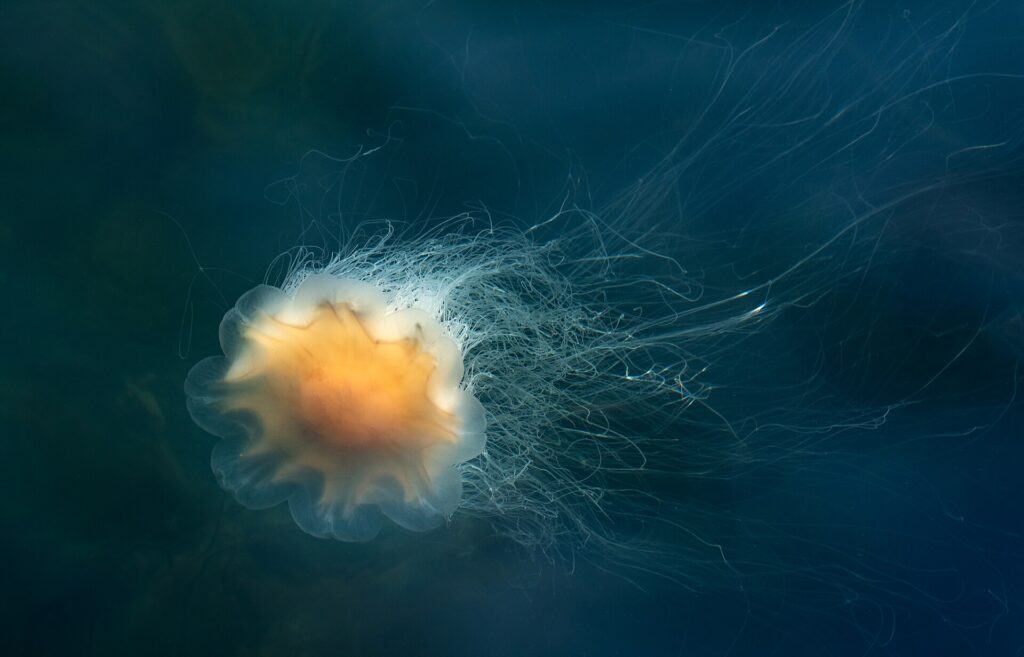
The largest lion’s mane jellyfish ever recorded had a bell over 2 metres wide and tentacles about 37 metres long, longer than a blue whale.
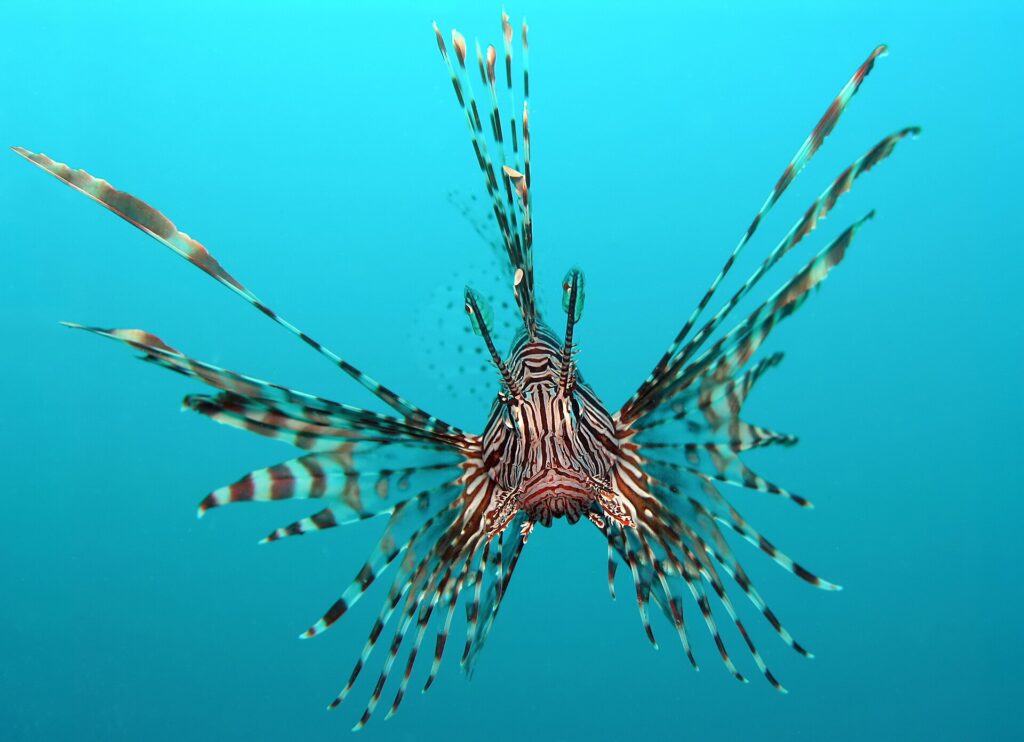
Lionfish released from aquariums in Florida have spread across the Caribbean, where a single lionfish can cut the number of young native fish on a reef by almost 80 percent in a few weeks.
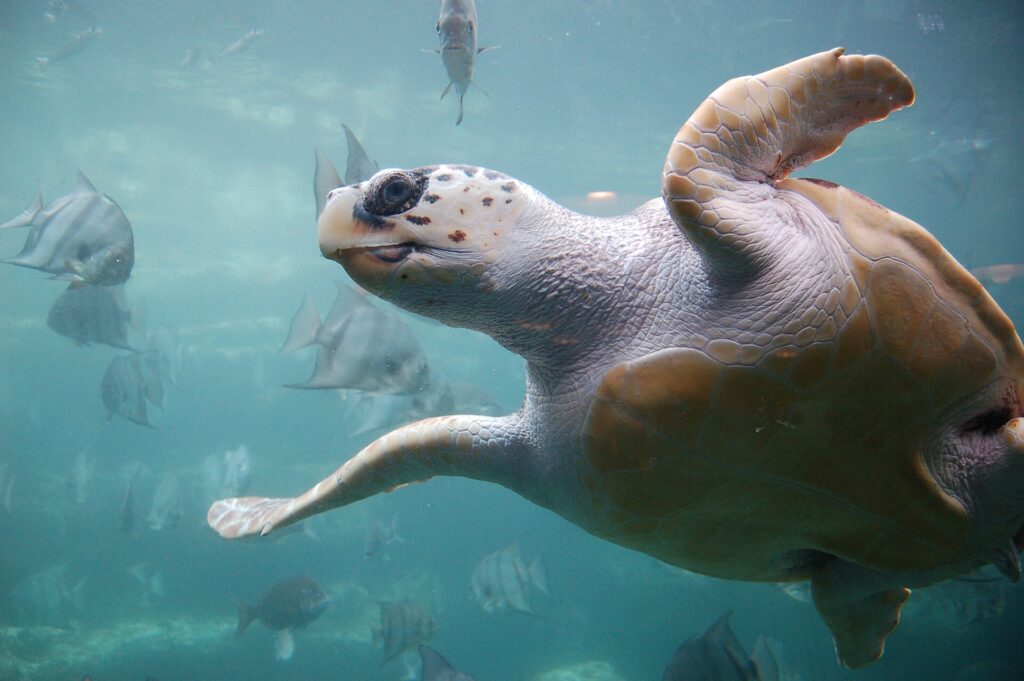
Loggerhead hatchlings use Earth’s magnetic field like a built-in map to navigate across entire ocean basins.
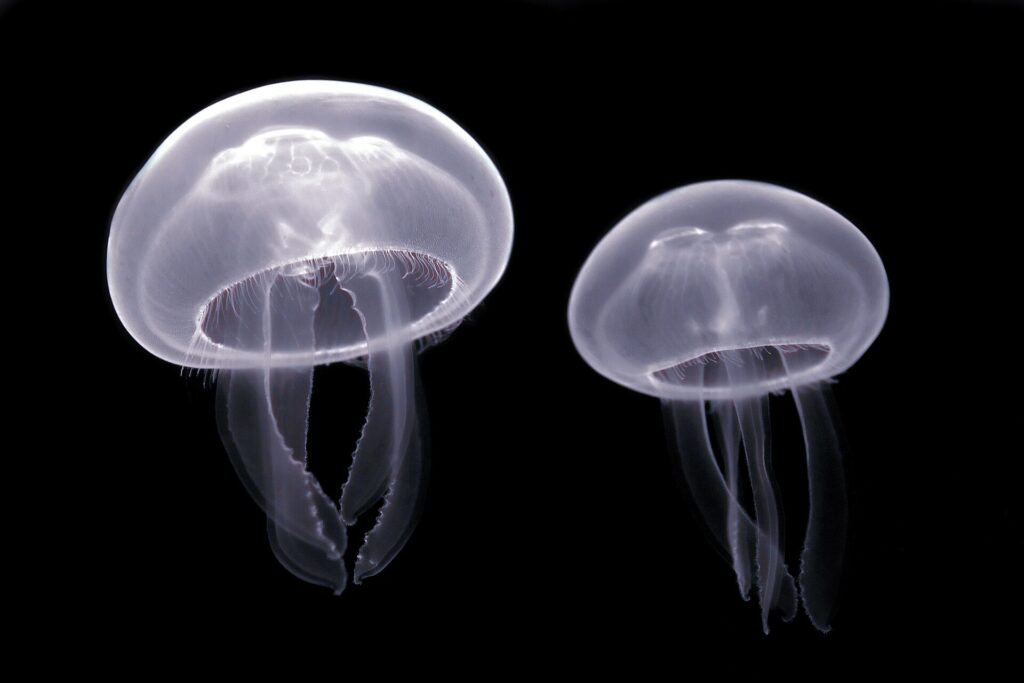
Moon jellyfish have no brain, heart or bones, and their bodies are about 95 percent water.
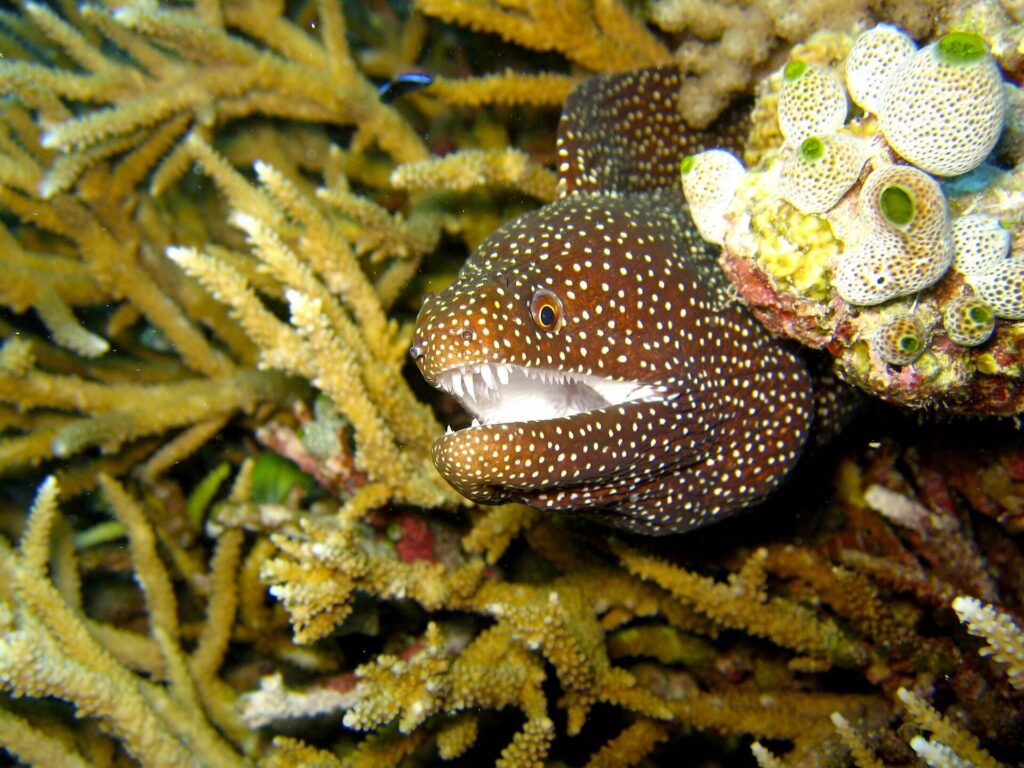
Moray eels have a second set of jaws in their throat that shoot forward to grab prey and drag it into the gullet, like the creature in the film Alien.
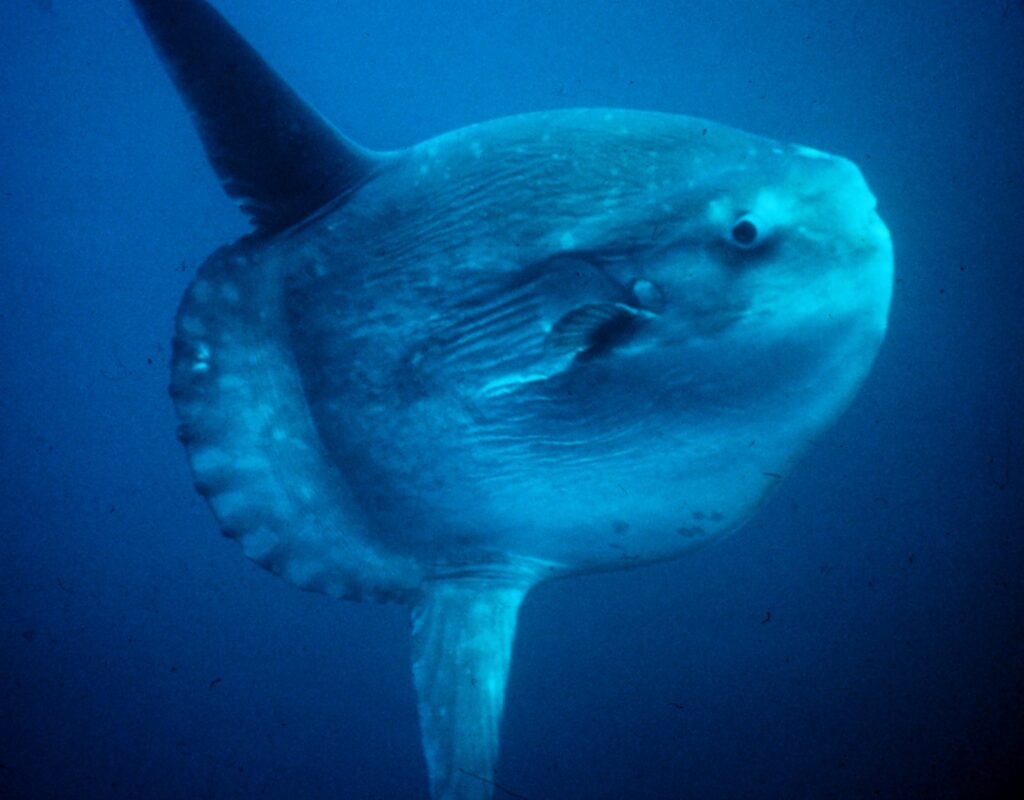
A female ocean sunfish can carry around 300 million eggs, more than any other known vertebrate.
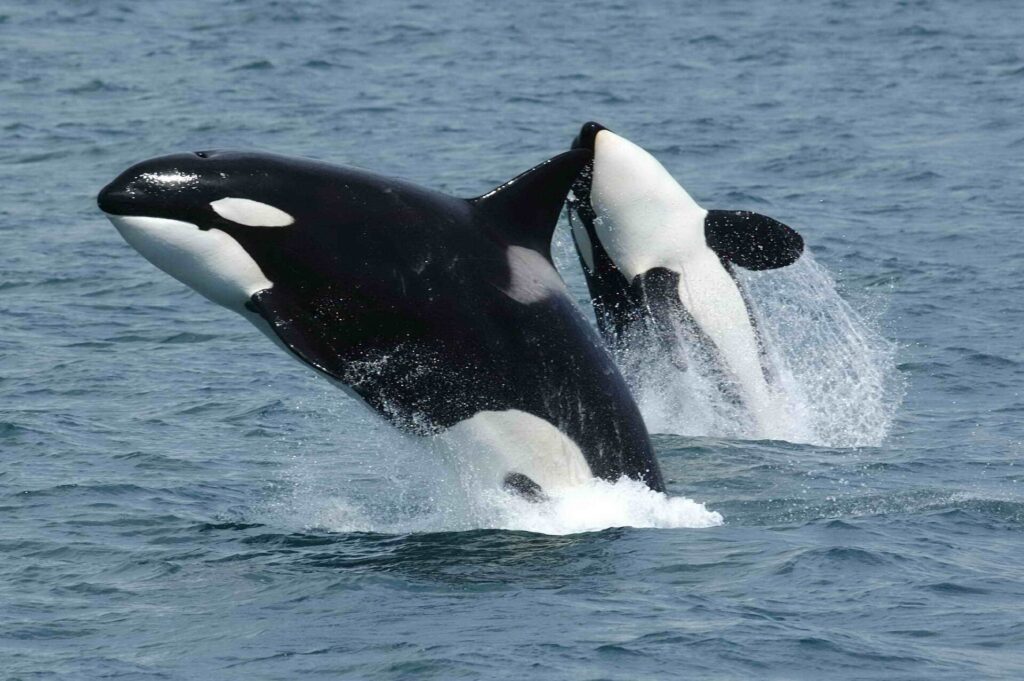
Orcas are the largest members of the dolphin family, and different populations have their own diets, hunting methods and ‘dialects’ that are passed down through generations.