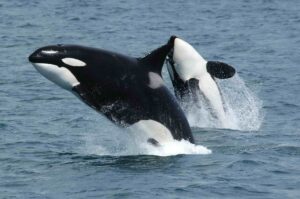
The humpback whale is one of the most acrobatic and best-loved whales, and a great conservation success. Once reduced by whaling to a small fraction of its former numbers, it has recovered in most oceans and was moved to Least Concern in 2008.
Interesting facts
- Humpbacks have the longest flippers of any whale, up to about a third of their body length.
- Some groups hunt using ‘bubble nets’, blowing rings of bubbles to trap fish.
- They make some of the longest migrations of any mammal, over 8,000 km each way.
- The pattern on the underside of each humpback’s tail is unique, like a fingerprint.
- Humpbacks often breach, leaping almost clear of the water.
- Most populations have recovered strongly since commercial whaling ended.
Behaviour
Humpbacks feed in polar and temperate waters in summer and migrate to tropical waters in winter to breed and give birth, often fasting for months. Males compete for females and sing on breeding grounds.
Breeding and young
A single calf is born every two to three years after about 11 months’ gestation, in warm, sheltered tropical waters.
Threats and conservation
Entanglement in fishing gear, ship strikes, noise and changes in prey due to climate change.
Where to see it
- Hervey Bay, Australia
- Maui, Hawaii
- Tromsø, Norway
- Alaska’s Inside Passage
- Samaná Bay, Dominican Republic
Status source: IUCN Red List. Profile last reviewed September 2026.
Where to see the humpback whale
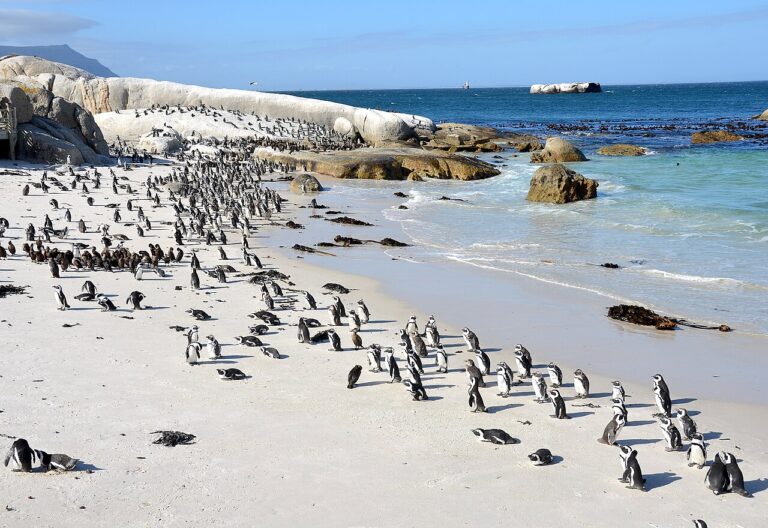 Cape Town Wildlife: Penguins, Whales and Great White SharksCape Town packs penguins, whales, seals and one of the world's richest plant kingdoms into a single day…
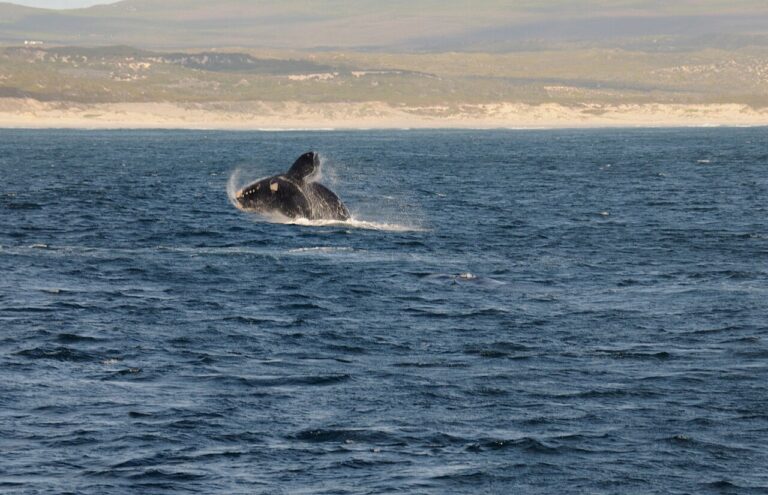 Whale Watching in Hermanus: When and WhereFrom June to November, southern right whales gather so close to Hermanus that you can watch them from…
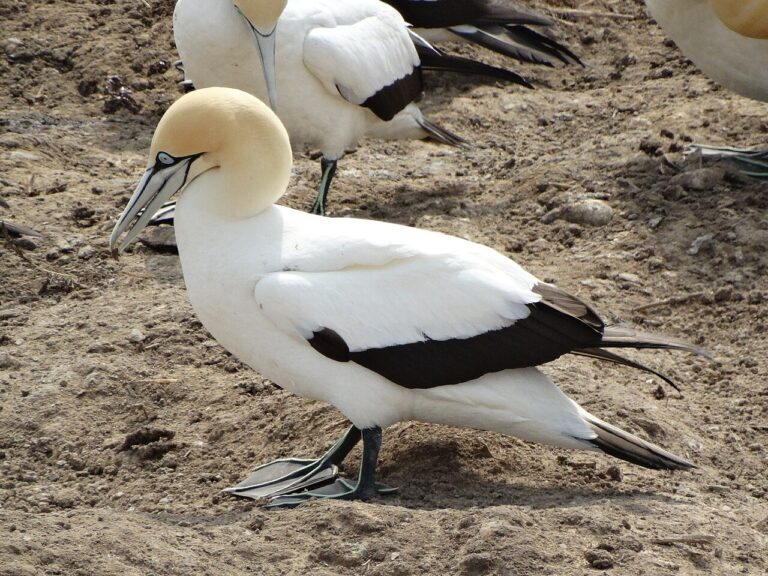 The Sardine Run: Diving Africa’s Greatest Marine SpectacleEvery winter, vast shoals of sardines move up South Africa's east coast, followed by dolphins, sharks, gannets and…