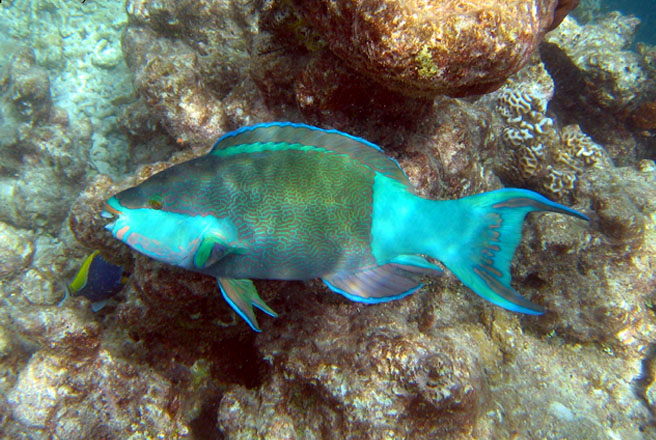
Parrotfish
Parrotfish grind up coral as they feed and excrete fine white sand; a single large parrotfish can produce hundreds of kilograms of sand a year.
Parrotfish grind up coral as they feed and excrete fine white sand; a single large parrotfish can produce hundreds of kilograms of sand a year.
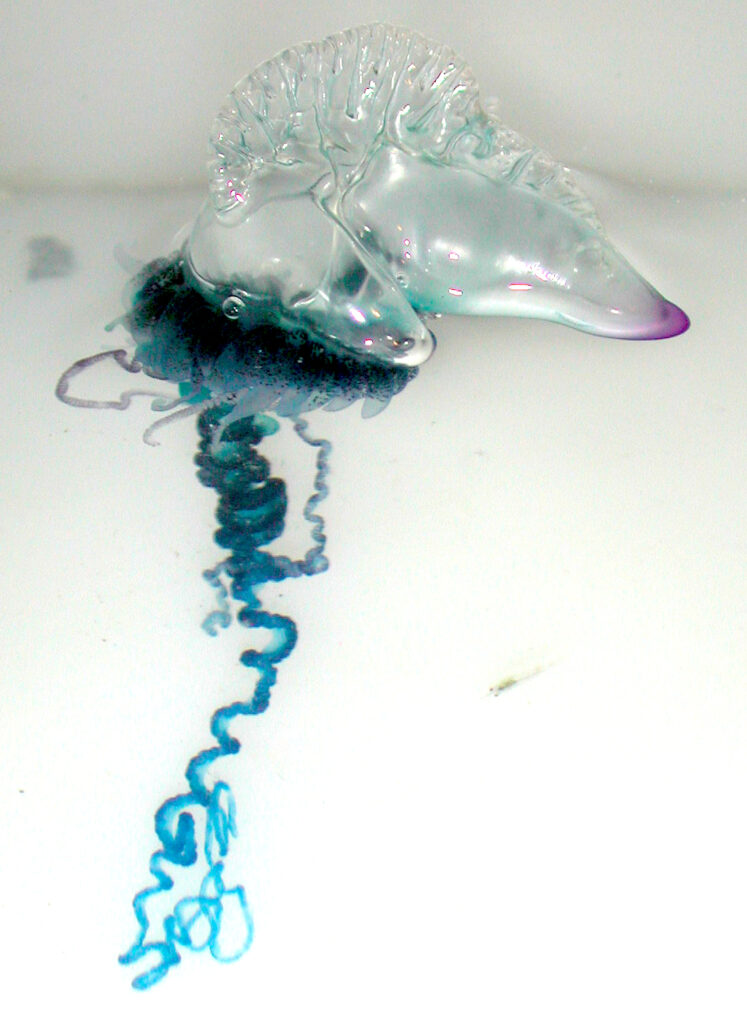
The Portuguese man o’ war is not a single animal but a colony of specialised organisms working together as one.
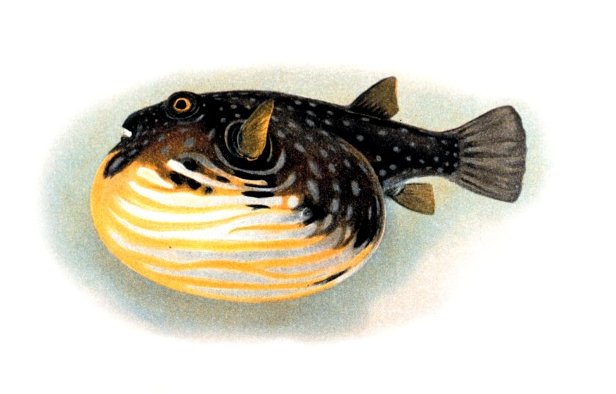
Many pufferfish contain tetrodotoxin, a poison far more toxic than cyanide, and in Japan only specially licensed chefs may prepare pufferfish, called fugu, for eating.
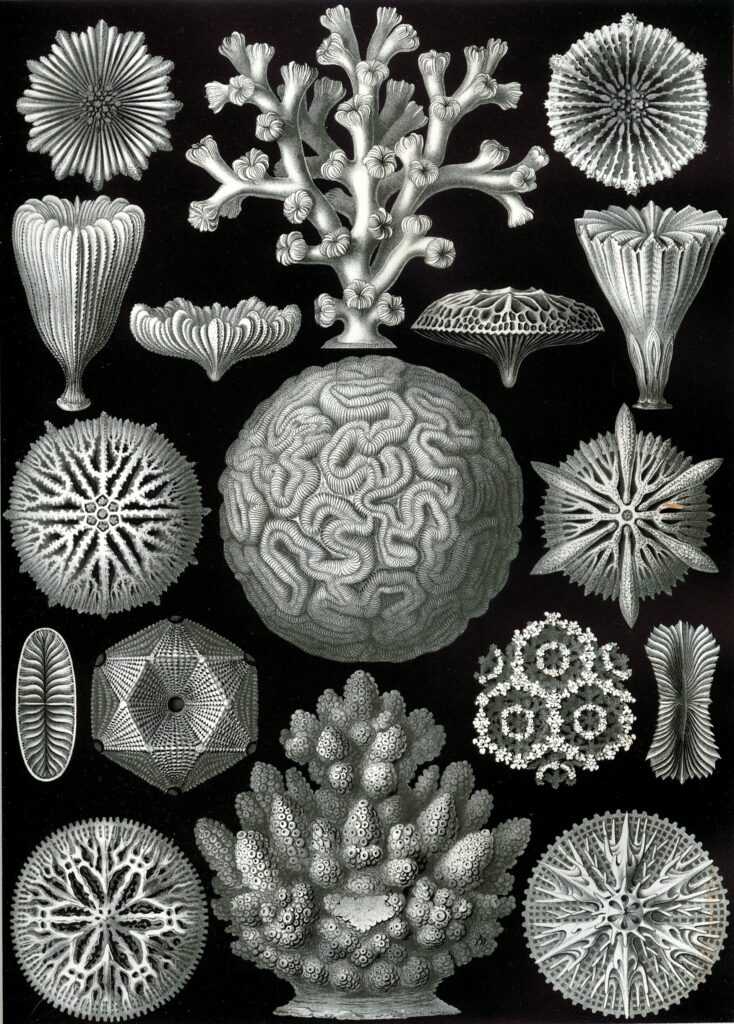
Coral reefs cover less than 1 percent of the ocean floor, yet they support about a quarter of all known marine species.
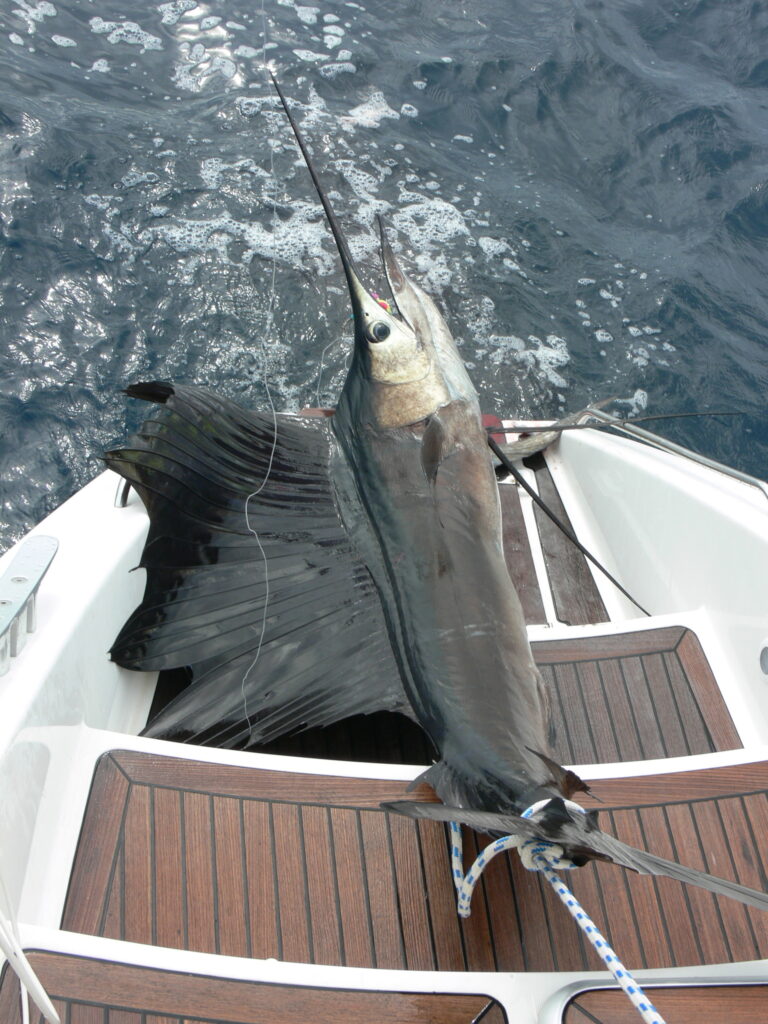
Sailfish hunt in groups, taking turns to slash through shoals of sardines with their long bills, injuring fish that are then easier to catch.
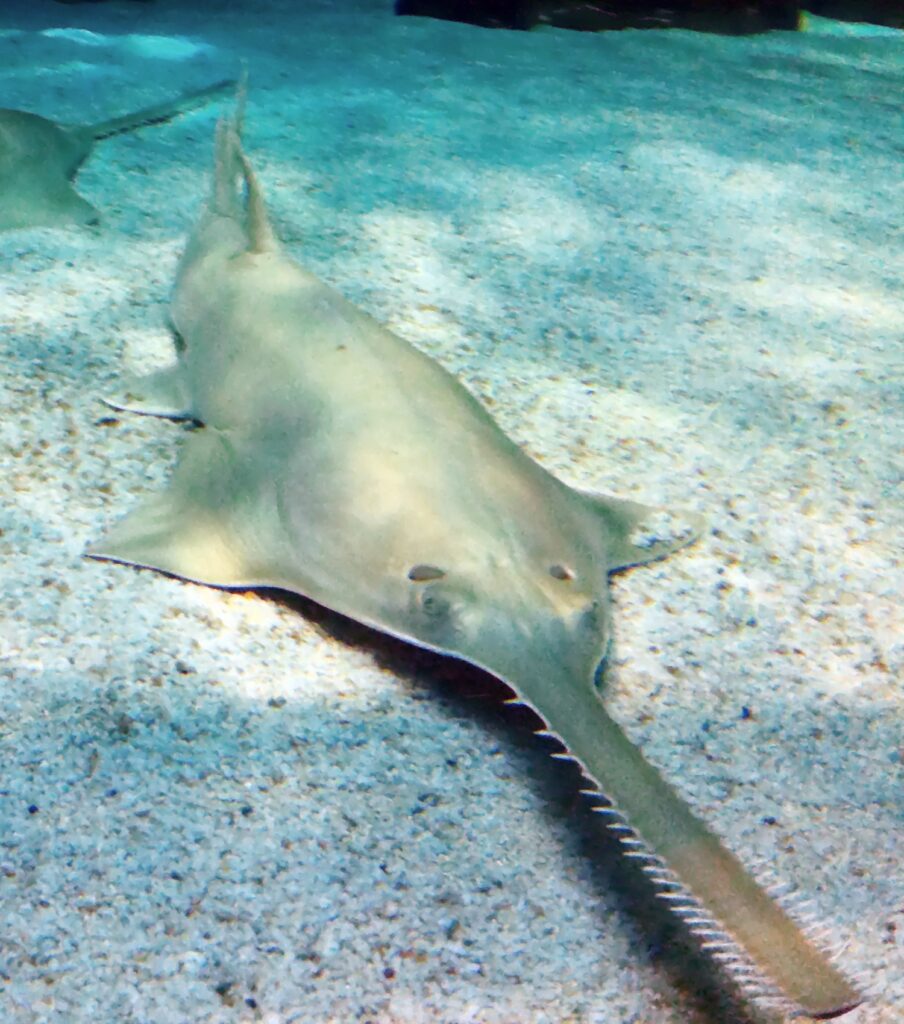
A sawfish’s long, toothed snout is packed with electrical sensors that detect hidden prey, and it uses the saw to slash and pin fish.
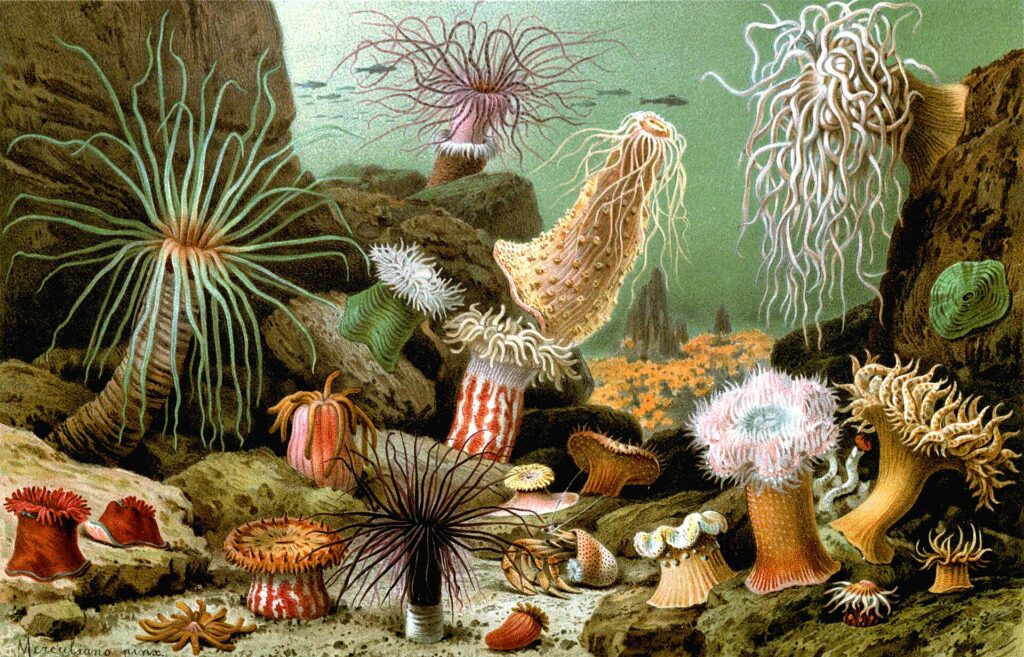
Clownfish live safely among the stinging tentacles of certain sea anemones, protected by a special coat of mucus.
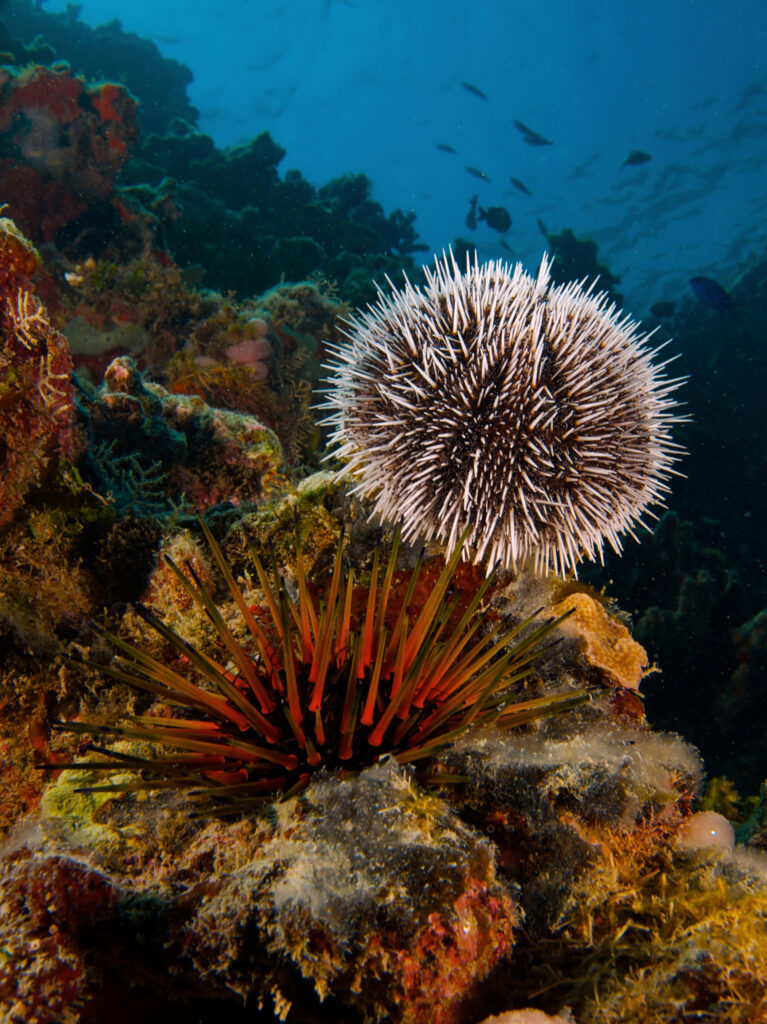
A sea urchin’s mouth has five self-sharpening teeth arranged in a structure called Aristotle’s lantern, which has inspired engineers.
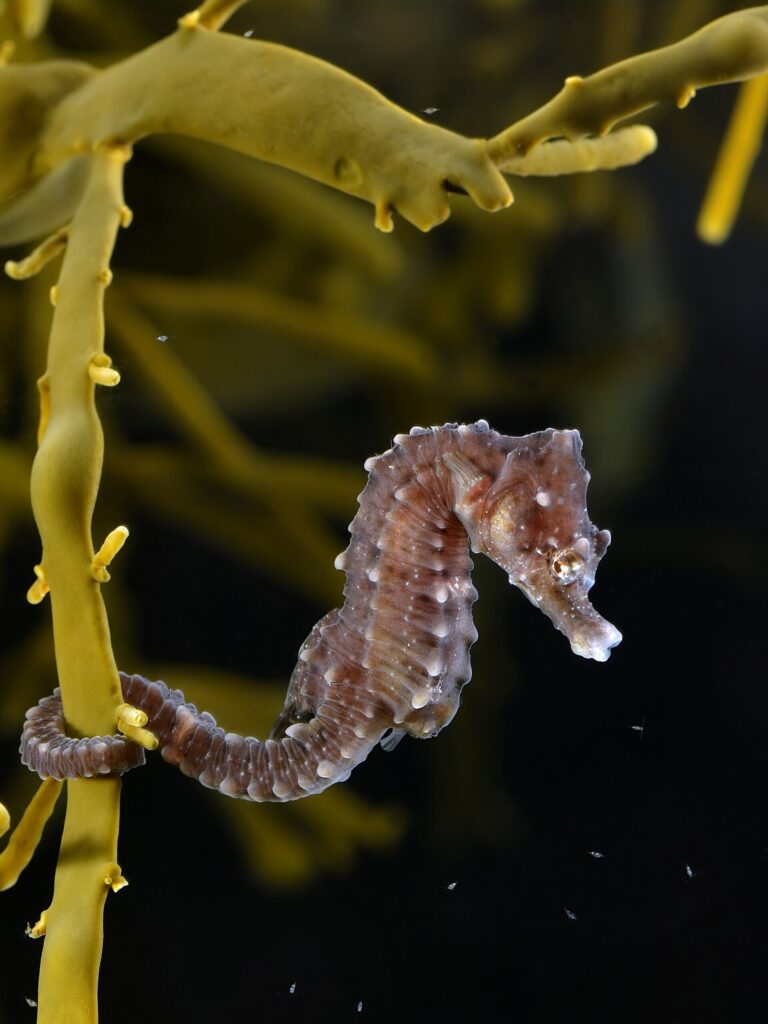
In seahorses, the male becomes pregnant: the female deposits her eggs in his pouch, and he gives birth to live young weeks later.
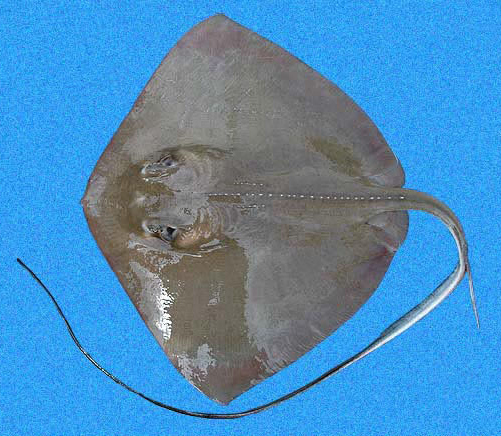
At Stingray City in the Cayman Islands, hundreds of southern stingrays gather in shallow water to be fed by visitors, a tradition that began when fishermen cleaned their catch there.