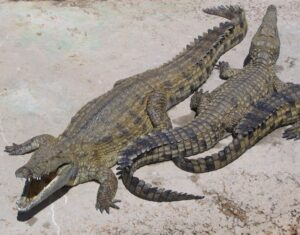
The saltwater, or estuarine, crocodile is the world’s largest reptile and a highly successful ambush predator. It was heavily hunted for its skin in the twentieth century but has recovered in northern Australia and parts of Asia.
Interesting facts
- It is the largest living reptile.
- Saltwater crocodiles can travel hundreds of kilometres at sea by riding ocean currents.
- They have special glands on their tongues to get rid of excess salt.
- A crocodile’s nest temperature decides the sex of its hatchlings.
- They can stay underwater for an hour or more while resting.
- Australia’s population recovered strongly after hunting was banned in the early 1970s.
Behaviour
Saltwater crocodiles wait motionless at the water’s edge and explode forward to seize prey, often dragging large animals underwater. Adult males are highly territorial.
Breeding and young
Females build mound nests of vegetation and mud and lay 40 to 60 eggs, guarding the nest for about three months. The mother digs out the hatchlings and carries them to water in her mouth.
Threats and conservation
Globally secure, but still threatened locally by habitat loss, conflict with people and illegal hunting.
Where to see it
- Kakadu National Park and the Adelaide River, Northern Territory, Australia
- Bhitarkanika National Park, India
- Daintree River, Queensland
- Sundarbans, India and Bangladesh
Status source: IUCN Red List. Profile last reviewed September 2026.
Where to see the saltwater crocodile
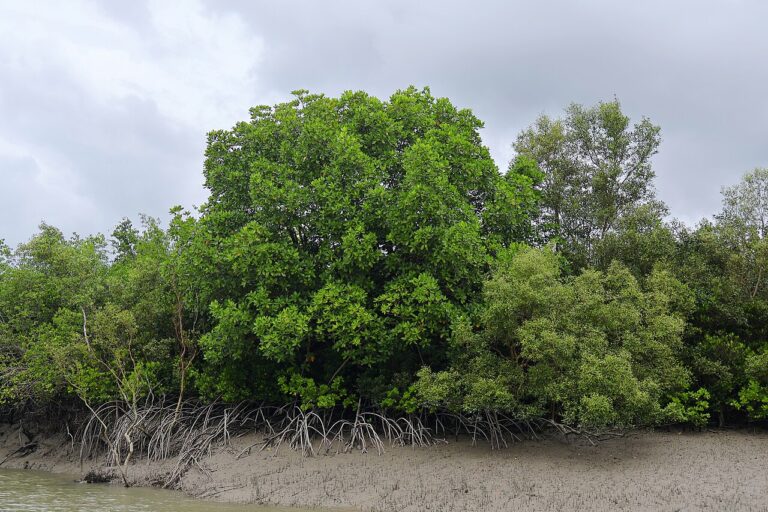 The Sundarbans: Tigers of the MangrovesThe world's largest mangrove forest is home to tigers that swim between islands. What a Sundarbans boat safari…
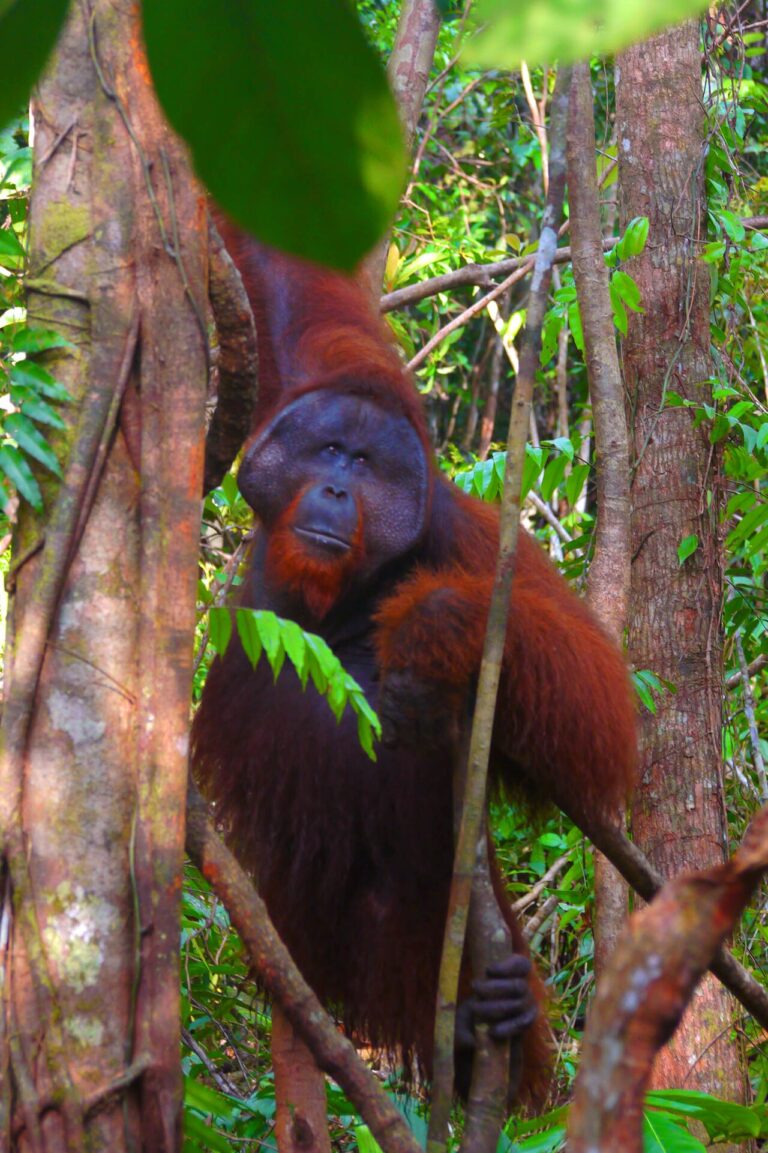 Where to See Orangutans in Borneo and SumatraFrom rehabilitation centres to river cruises and primary rainforest, the best places to see Asia's only great ape,…
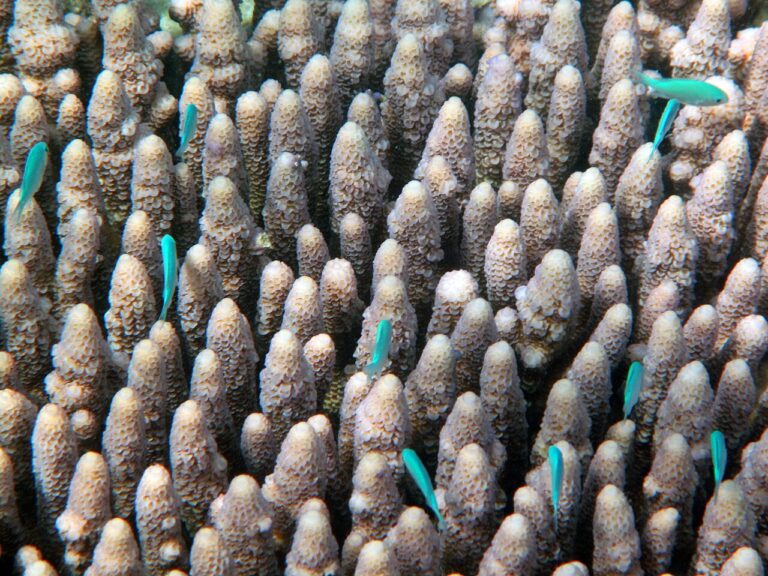 Great Barrier Reef Guide: Where to Go, When, and How to HelpThe world's largest coral reef system stretches 2,300 km along Queensland. Where to base yourself, when to go…