Przewalski’s horse is a stocky, sandy-coloured horse of the Central Asian steppe. After disappearing from the wild, it was saved by zoo breeding programmes and reintroduced to Mongolia in the 1990s.
Interesting facts
- It has a stiff, upright mane, a dun coat and a pale muzzle.
- Mongolians call it ‘takhi’, meaning spirit or worthy.
- It has 66 chromosomes, while domestic horses have 64.
- A 2018 genetic study suggested it descends from horses first domesticated about 5,500 years ago in Kazakhstan, which later became wild again.
- It is named after the explorer Nikolai Przhevalsky.
- Horses released in the Chernobyl zone in 1998 are now thriving.
Behaviour
Horses live in harems of one stallion with several mares and their foals, and in bachelor groups of young stallions. They graze for much of the day and night.
Breeding and young
After about 11 months, a single foal is born, usually in late spring. It can stand and follow its mother within hours.
Threats and conservation
Small population size and low genetic diversity, harsh winters, disease, competition with livestock and interbreeding with domestic horses.
Where to see it
- Hustai National Park, Mongolia
- Takhin Tal, Great Gobi B Strictly Protected Area, Mongolia
- Chernobyl Exclusion Zone, Ukraine
- Hortobágy National Park, Hungary
Status source: IUCN Red List. Profile last reviewed September 2026.
Where to see the przewalski’s horse
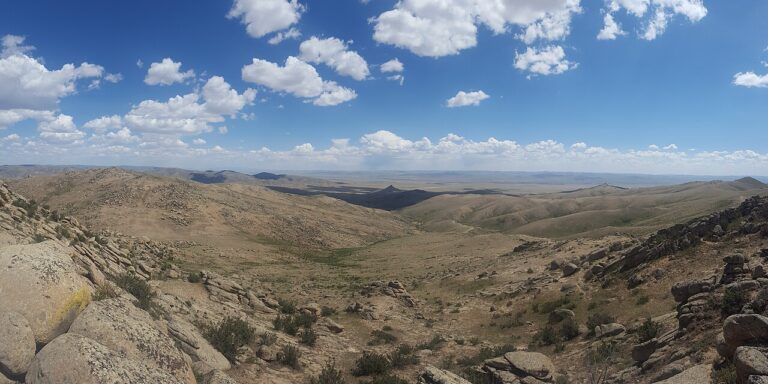 Mongolia Wildlife: Przewalski’s Horses, Snow Leopards and Steppe EaglesMongolia's vast steppes, deserts and mountains hold wild horses, snow leopards and huge skies. Where to go and…
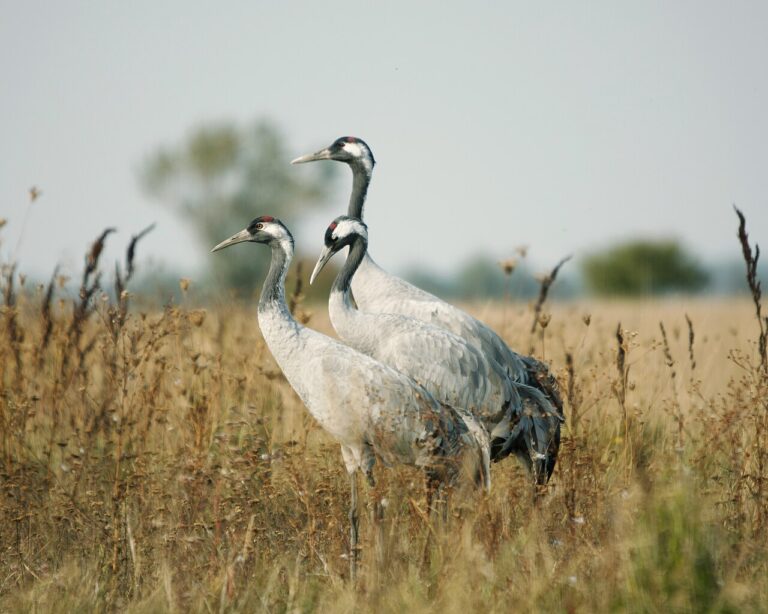 Crane Migration at HortobágyEvery autumn, tens of thousands of common cranes gather on Hungary's great plain. How to watch them fly…