The jaguar is the apex predator of Central and South American forests and wetlands and a central figure in the cultures of the Maya, Aztec and many Amazonian peoples. It has lost about half of its original range, but large populations remain in the Amazon and the Pantanal.
Interesting facts
- The jaguar is the largest cat in the Americas and the third largest in the world.
- Jaguars often kill by biting through the skull, unlike most big cats, which bite the throat.
- They are excellent swimmers and regularly hunt caimans in rivers.
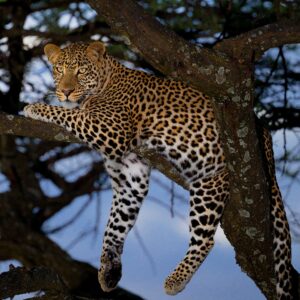
- Jaguar rosettes usually have small spots inside them; leopard rosettes do not.
- The name probably comes from the Tupi-Guarani word ‘yaguar’, often translated as ‘he who kills with one leap’.
- Jaguars were reintroduced to Argentina’s Iberá Wetlands in 2021 after an absence of about 70 years.
Behaviour
Jaguars are solitary and territorial and are most active at dawn and dusk. They stalk and ambush prey, often near water. In the Pantanal, jaguars can be watched hunting caimans along riverbanks from boats.
Breeding and young
After a gestation of about 100 days, females give birth to 1 to 4 cubs. Cubs stay with their mother for up to two years.
Threats and conservation
Deforestation for cattle ranching and agriculture, killing in retaliation for livestock losses, poaching for skins, teeth and other parts, and fires.
Where to see it
- Northern Pantanal (Porto Jofre), Brazil
- Iberá Wetlands, Argentina
- Cockscomb Basin, Belize
- Calakmul, Mexico
Status source: IUCN Red List. Profile last reviewed September 2026.
Where to see the jaguar
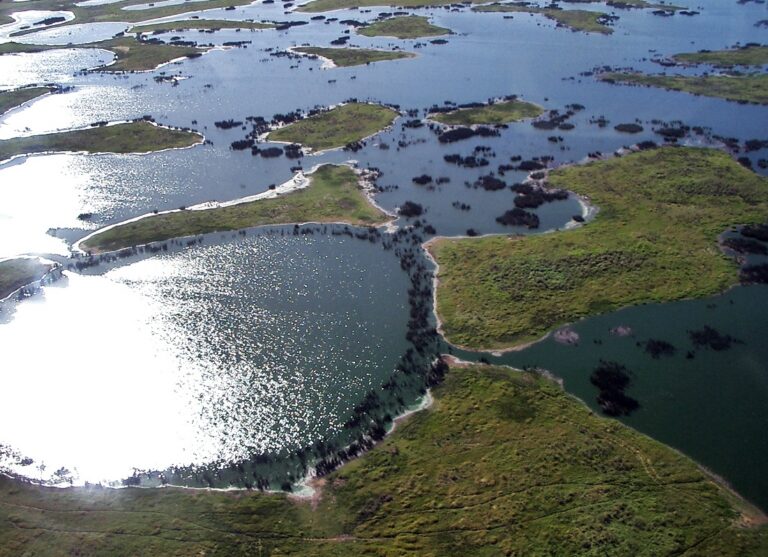 Pantanal Jaguar Safari: The Best Place on Earth to See Wild JaguarsBrazil's Pantanal offers the best chance on Earth to watch wild jaguars. How boat-based safaris work, when to…
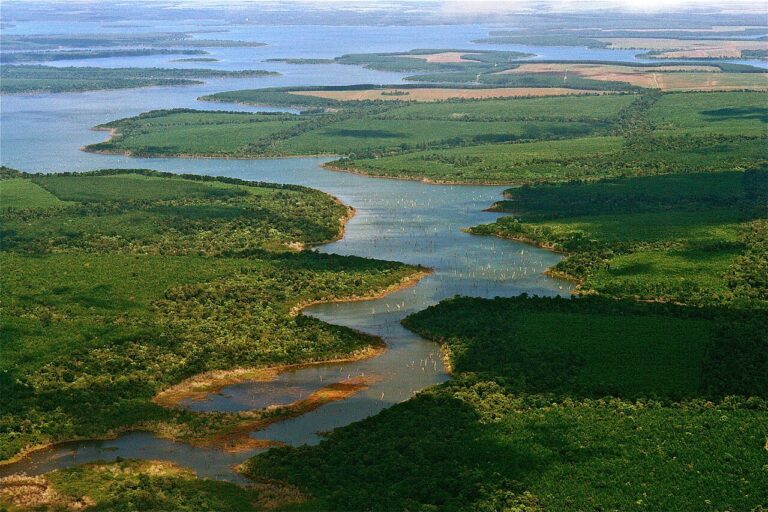 Iberá Wetlands: Rewilding Jaguars in ArgentinaArgentina's Iberá wetlands are the setting of one of the world's most ambitious rewilding projects. What to see…
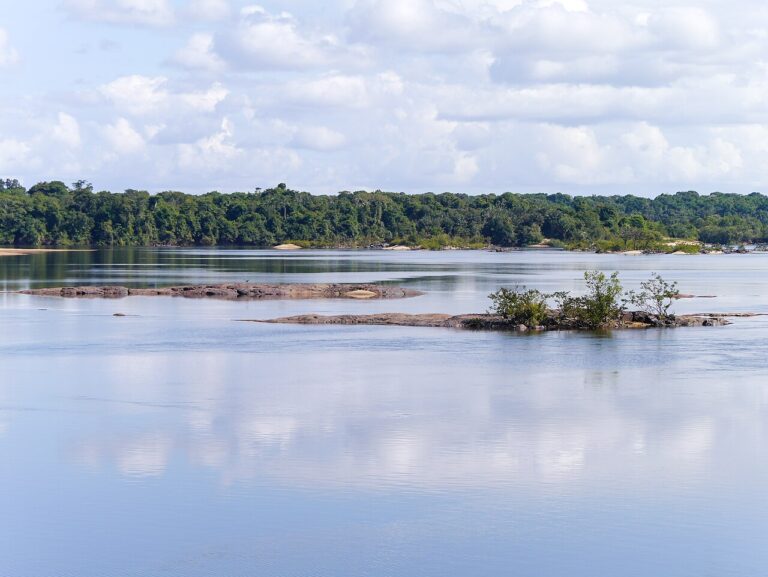 Rupununi and Iwokrama: Guyana’s Wild InteriorGuyana's interior is one of the least-visited wild places in South America, with giant anteaters, jaguars and harpy…