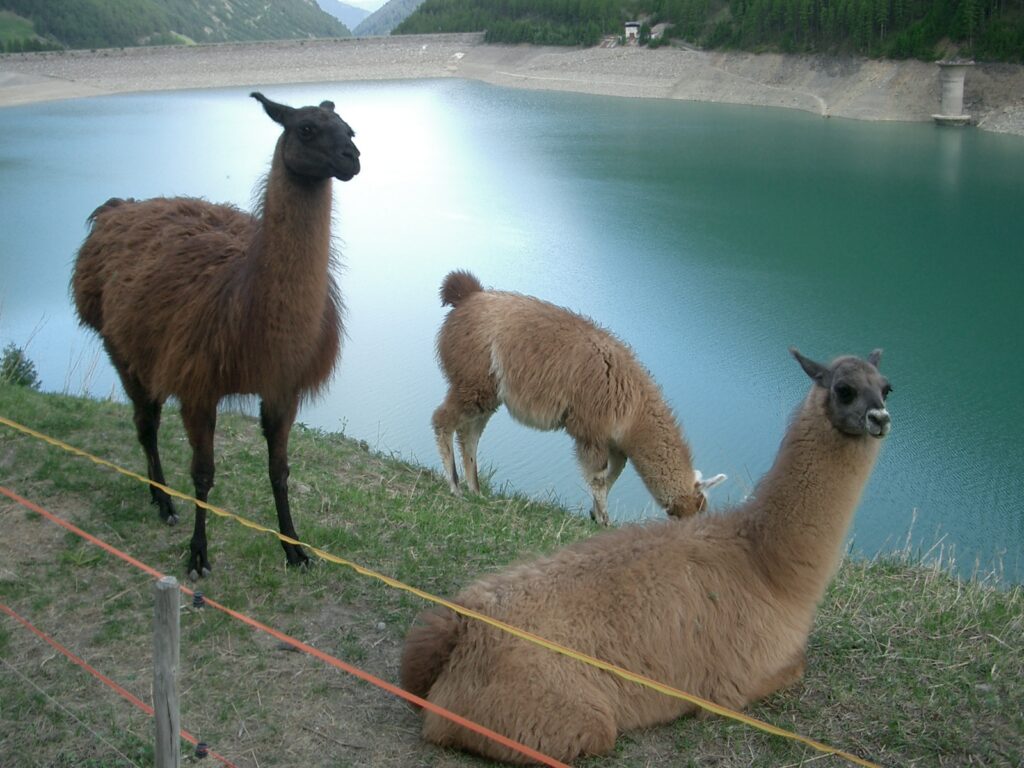
Llama
Llama antibodies are unusually small and simple, and scientists use them to develop treatments and tests for diseases, including COVID-19.
Llama antibodies are unusually small and simple, and scientists use them to develop treatments and tests for diseases, including COVID-19.
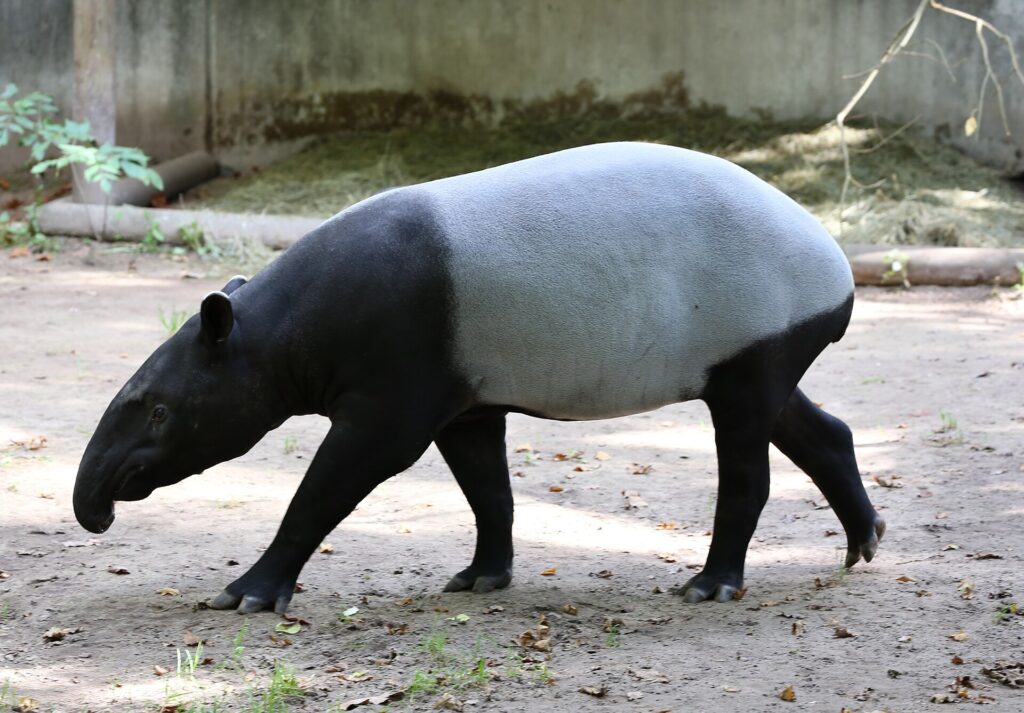
The Malayan tapir’s black-and-white pattern breaks up its outline in moonlight, making it hard for tigers to spot in the forest at night.
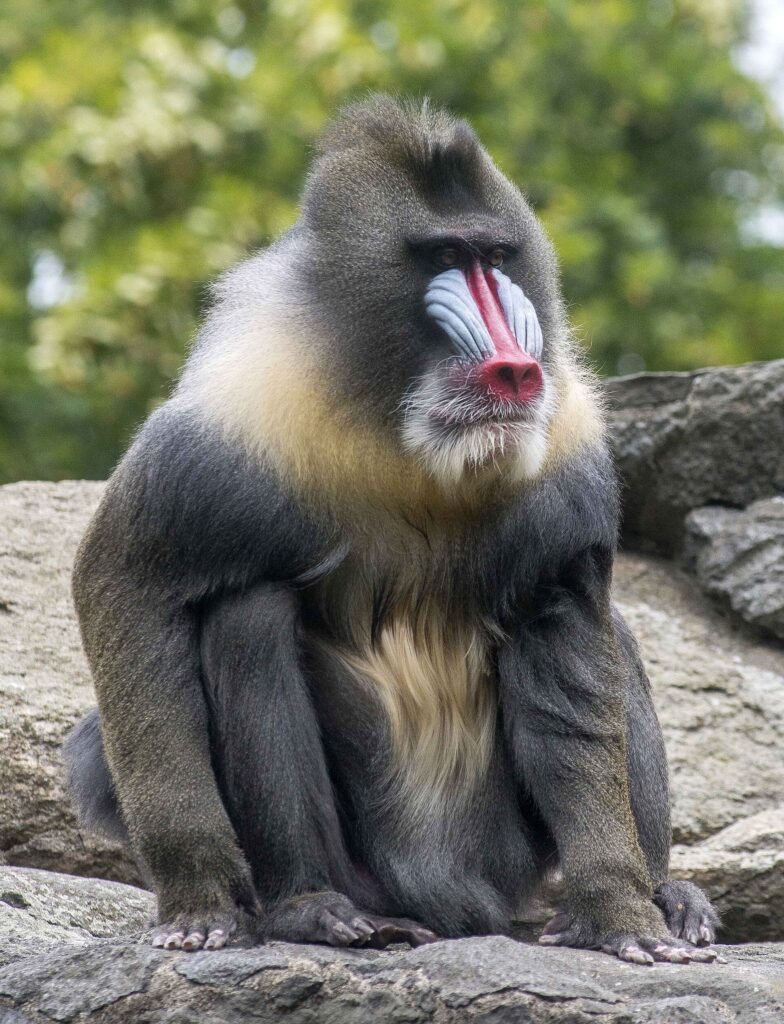
Mandrills form the largest groups of any non-human primate: ‘hordes’ of more than 800 have been recorded in Gabon.
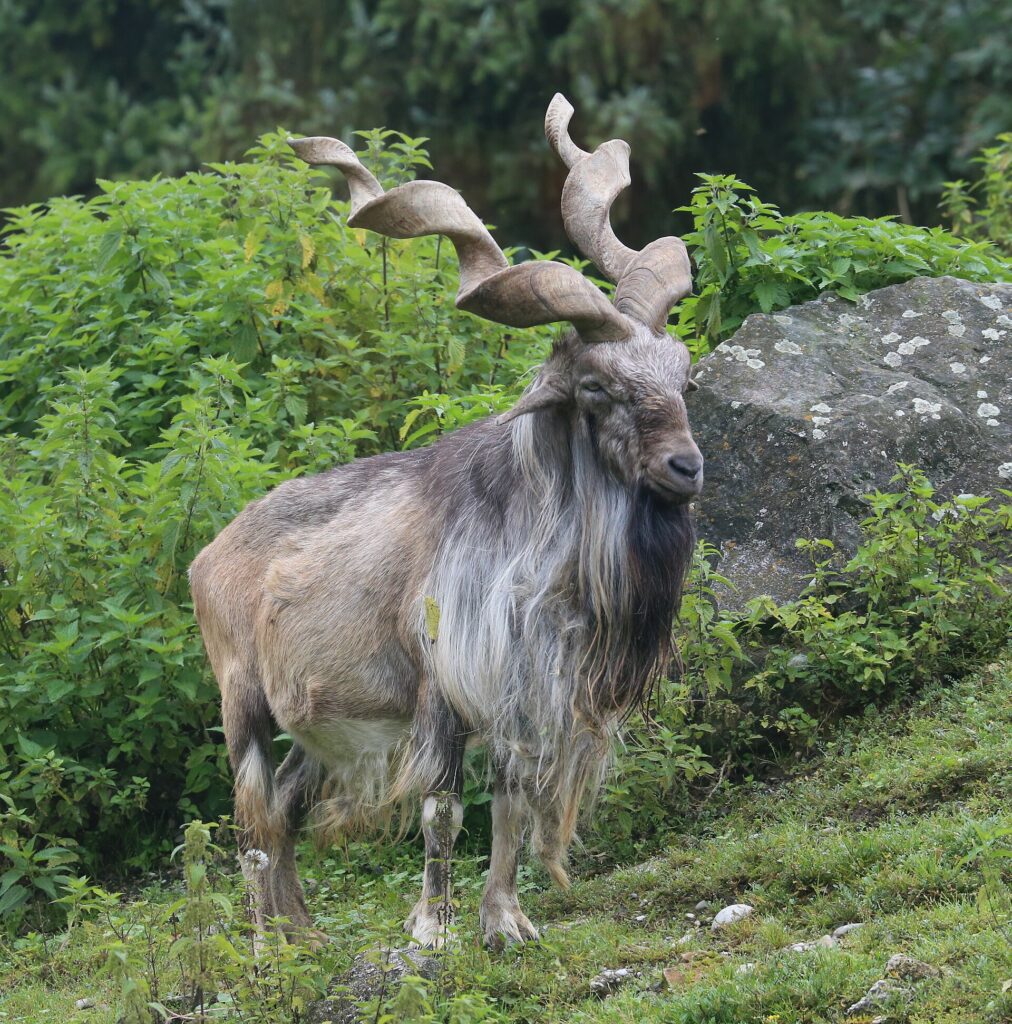
Male markhor have spectacular corkscrew horns up to about 1.6 metres long, among the most impressive horns of any wild goat.
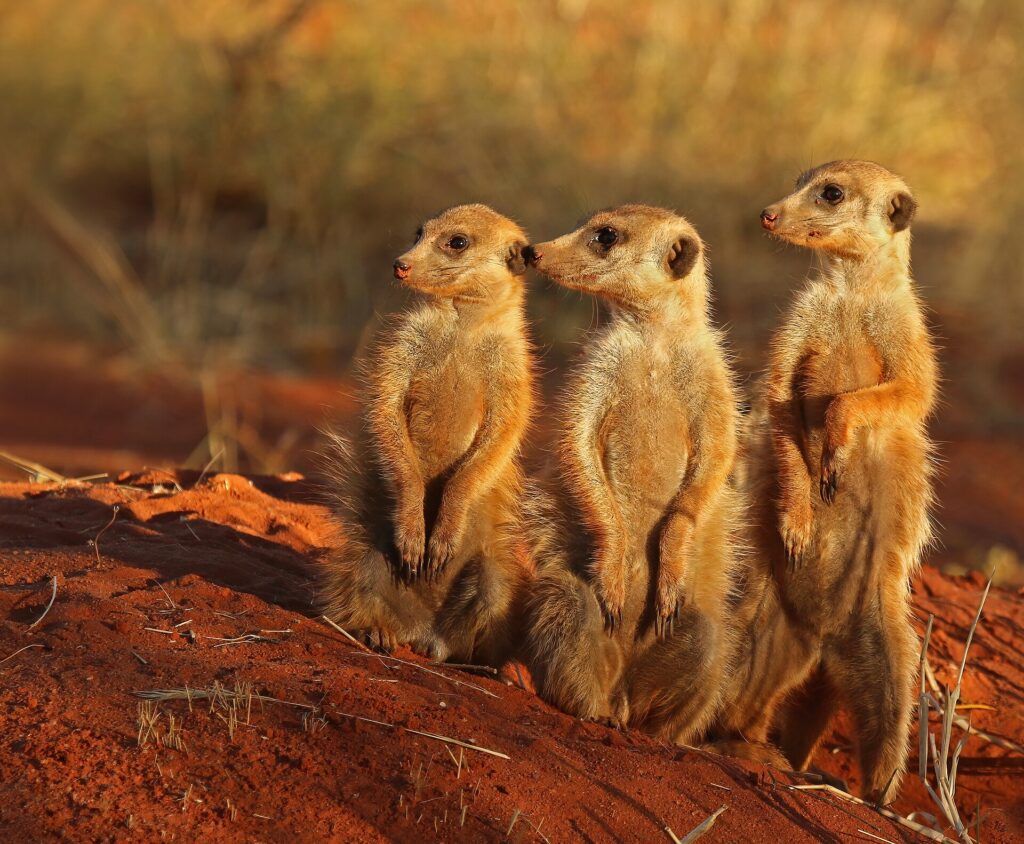
Meerkats are partly resistant to scorpion venom, and adults teach young how to handle scorpions by first bringing them dead or disabled ones.
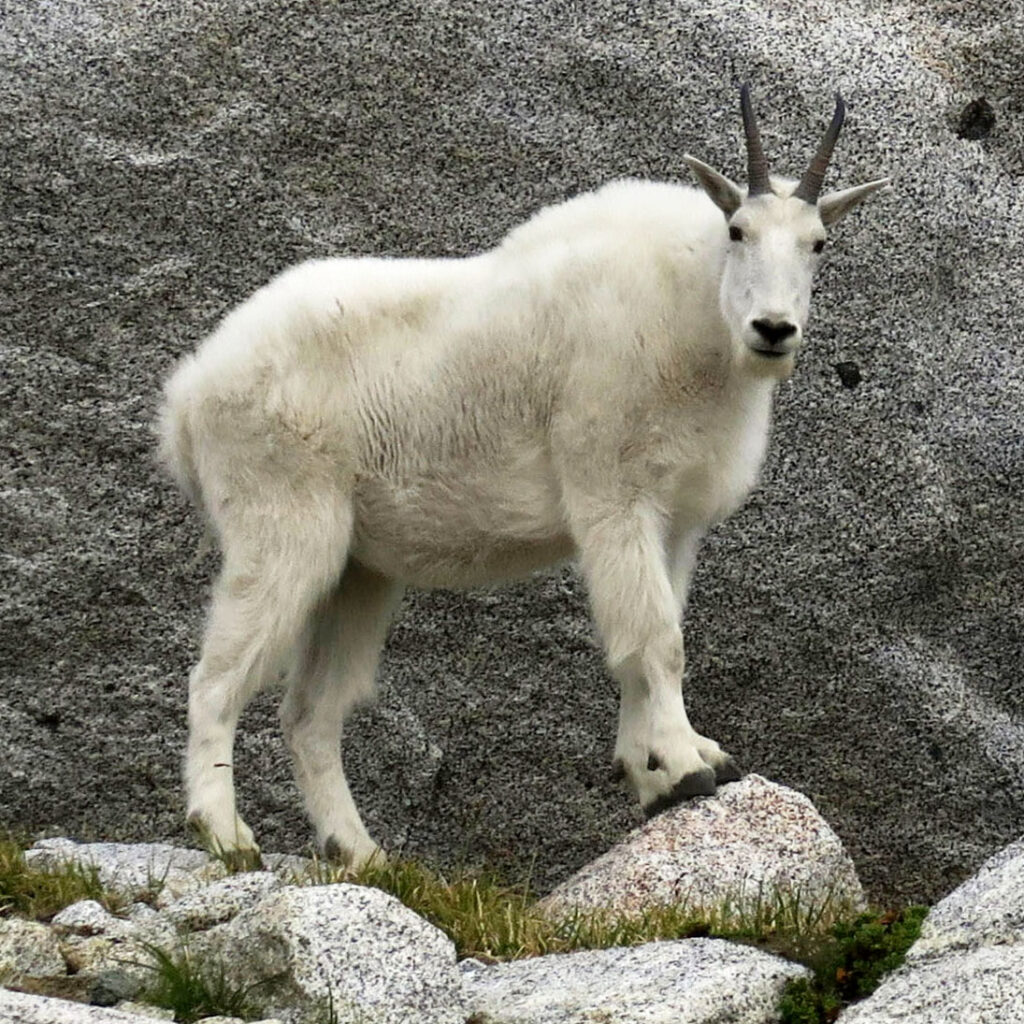
Mountain goats can climb slopes steeper than 60 degrees, thanks to hooves with hard outer rims and soft, grippy inner pads.
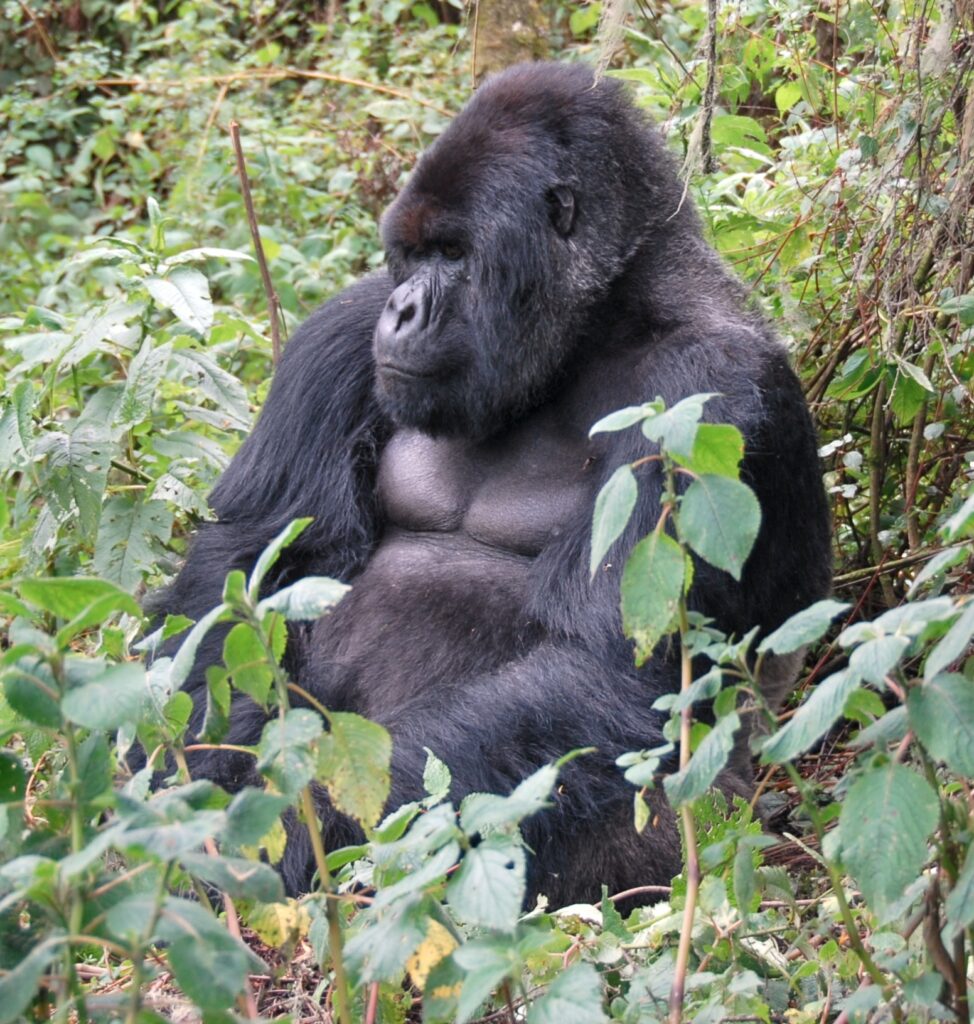
Mountain gorillas are the only great apes whose numbers are increasing, having risen from about 250 in the early 1980s to just over 1,000.
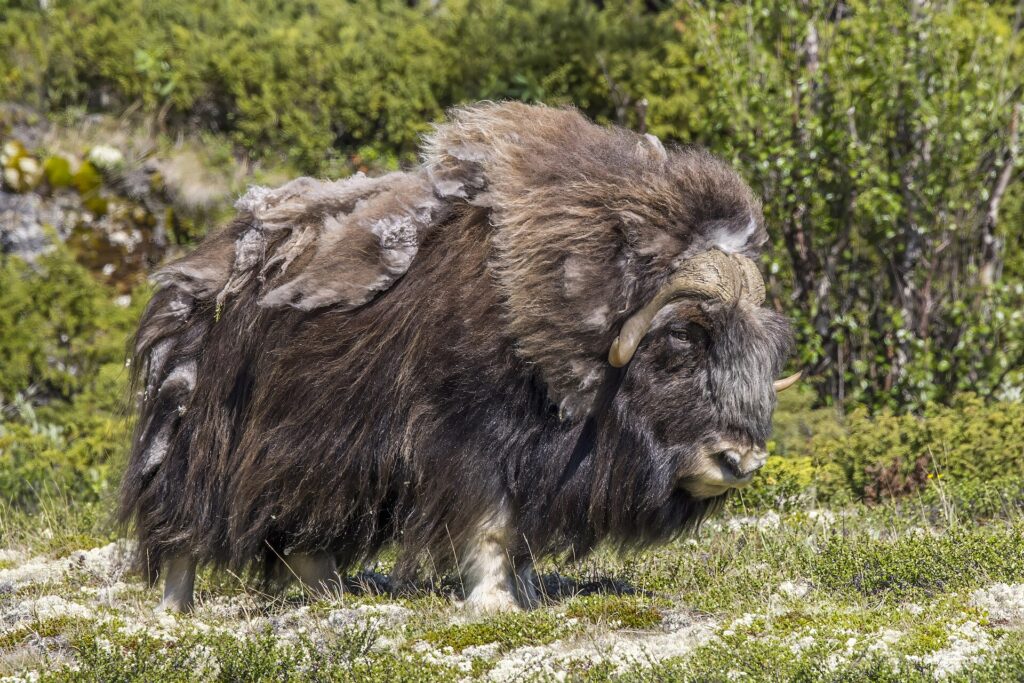
Musk oxen defend their young by forming a circle, with adults facing outwards and calves sheltered in the middle.