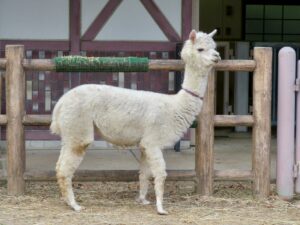
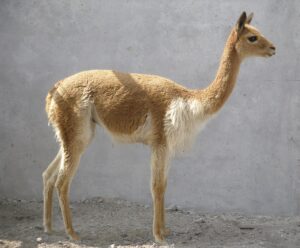
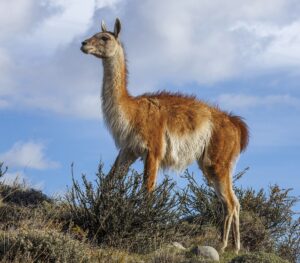
The llama is a domesticated camelid of the Andes and one of the oldest domestic animals in the Americas. It has served Andean peoples as a pack animal and source of wool and meat for thousands of years.
Interesting facts
- Llamas were domesticated from wild guanacos about 4,000–5,000 years ago.
- They can carry about a quarter of their body weight over long mountain trails.
- The Inca Empire relied on llamas for transport, wool and meat.
- Llamas spit mostly at each other, to settle arguments over food and status.
- Many farmers use llamas to guard sheep from coyotes and dogs.
- Llamas use shared dung piles, which makes them easy to keep clean.
Behaviour
Llamas are social herd animals with clear hierarchies. They communicate with humming, ear and tail positions and alarm calls.
Breeding and young
After about 11 and a half months, a single baby called a cria is born, usually in the morning. It can stand and nurse within an hour.
Threats and conservation
As a domestic animal, the llama is not threatened.
Where to see it
- Andean villages and farms in Peru and Bolivia
- Machu Picchu, Peru, where llamas graze the terraces
- Lake Titicaca, Peru and Bolivia
- Farms and petting zoos worldwide
Status source: IUCN Red List. Profile last reviewed September 2026.